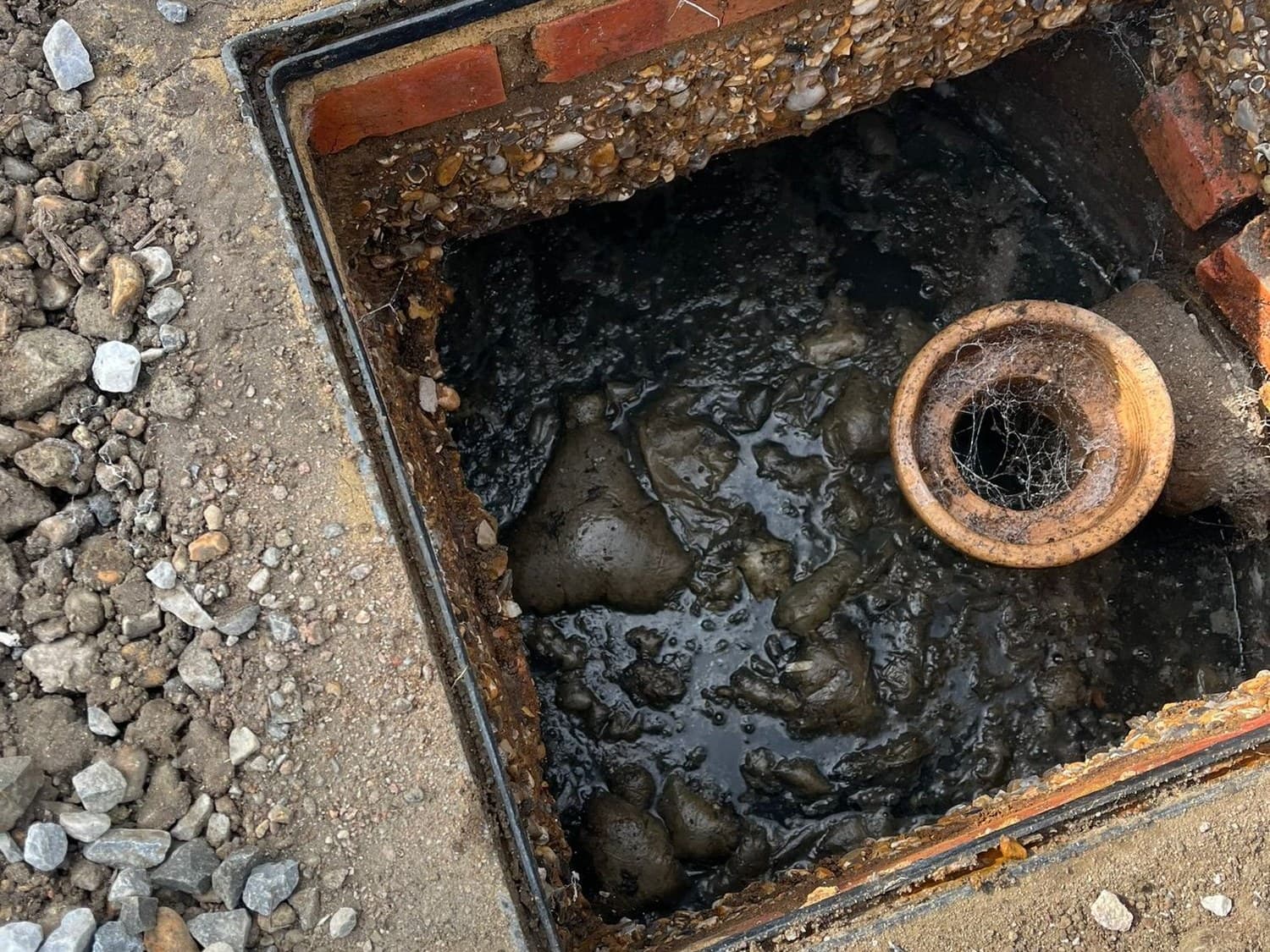
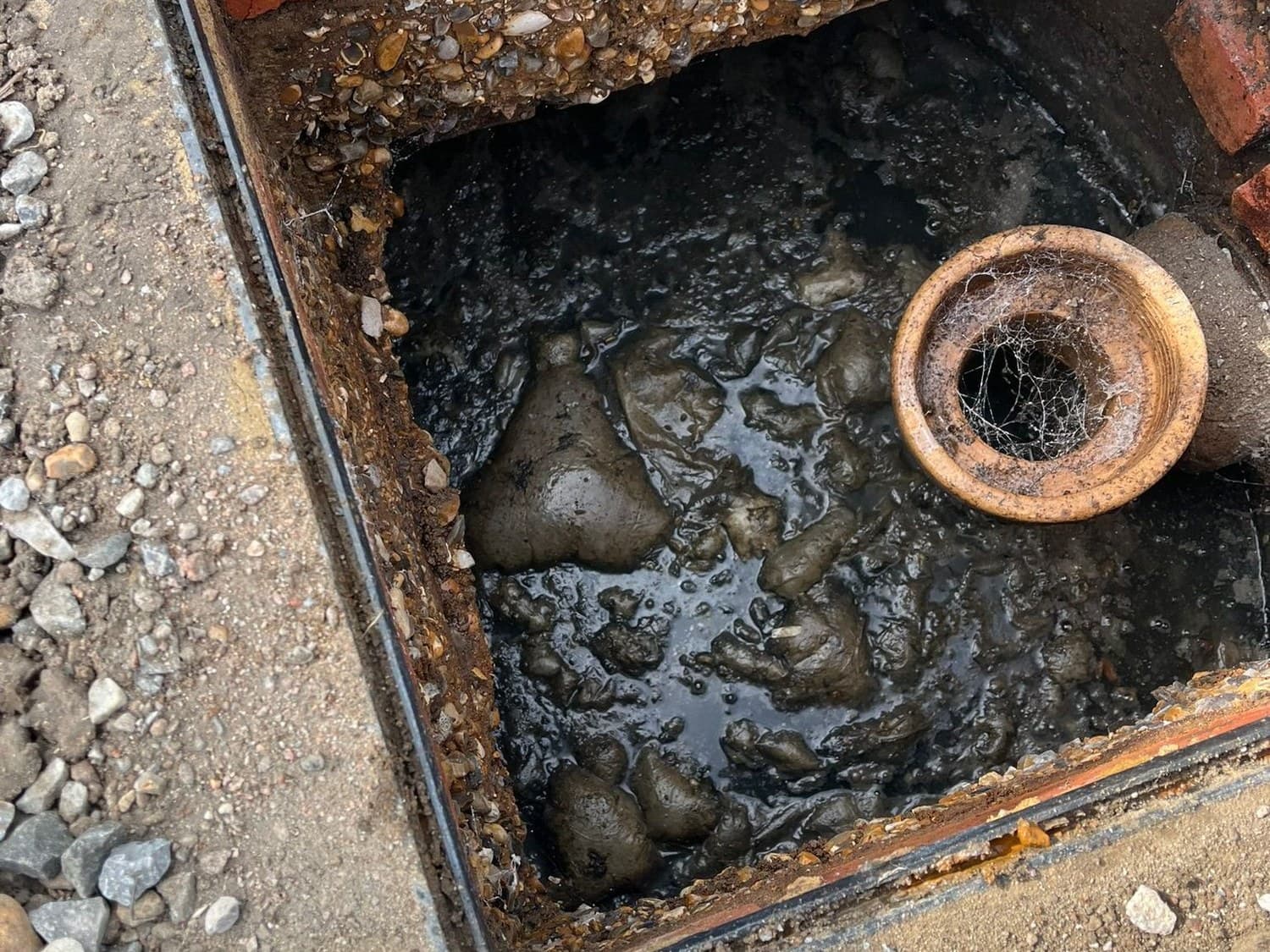
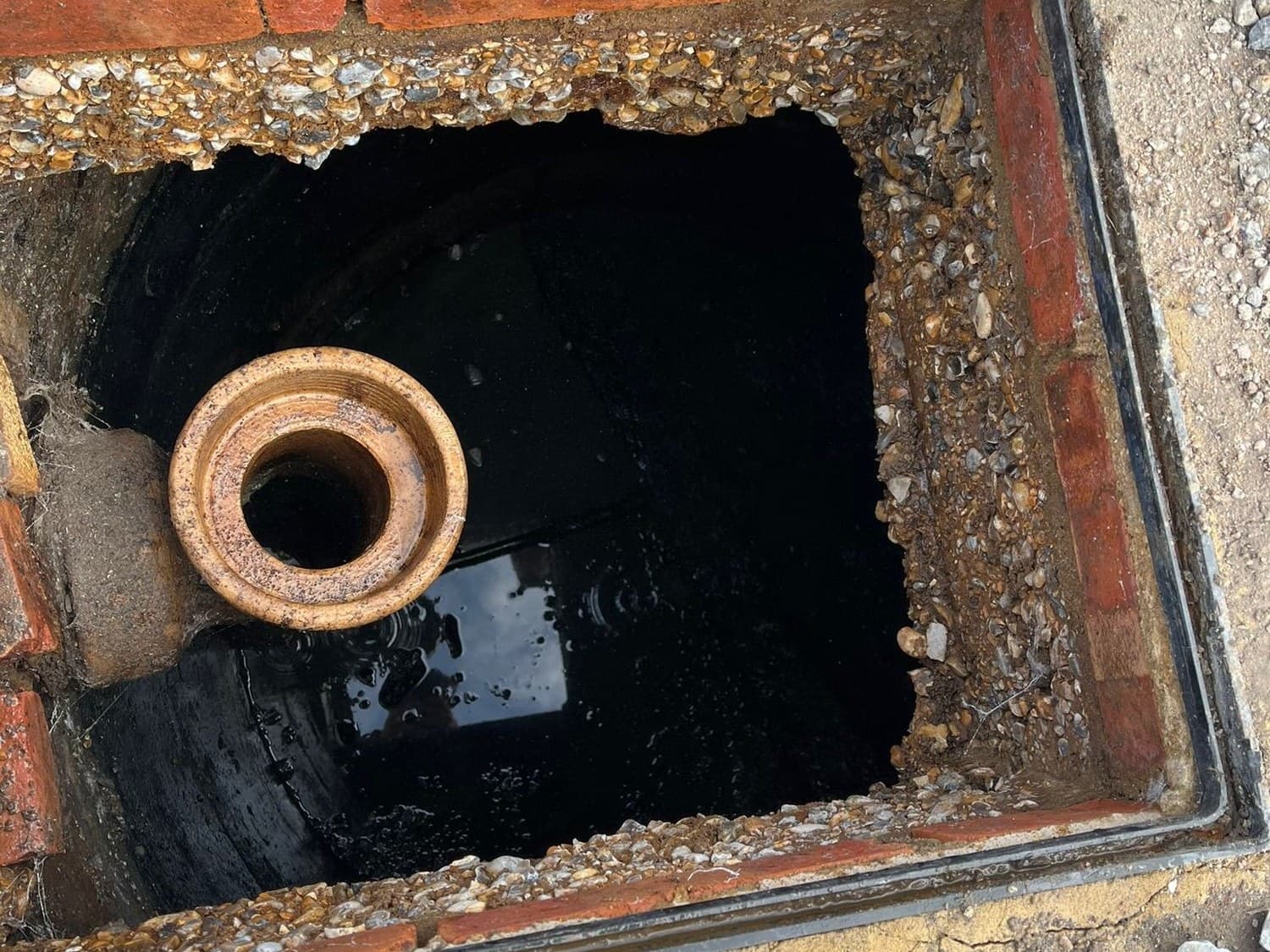
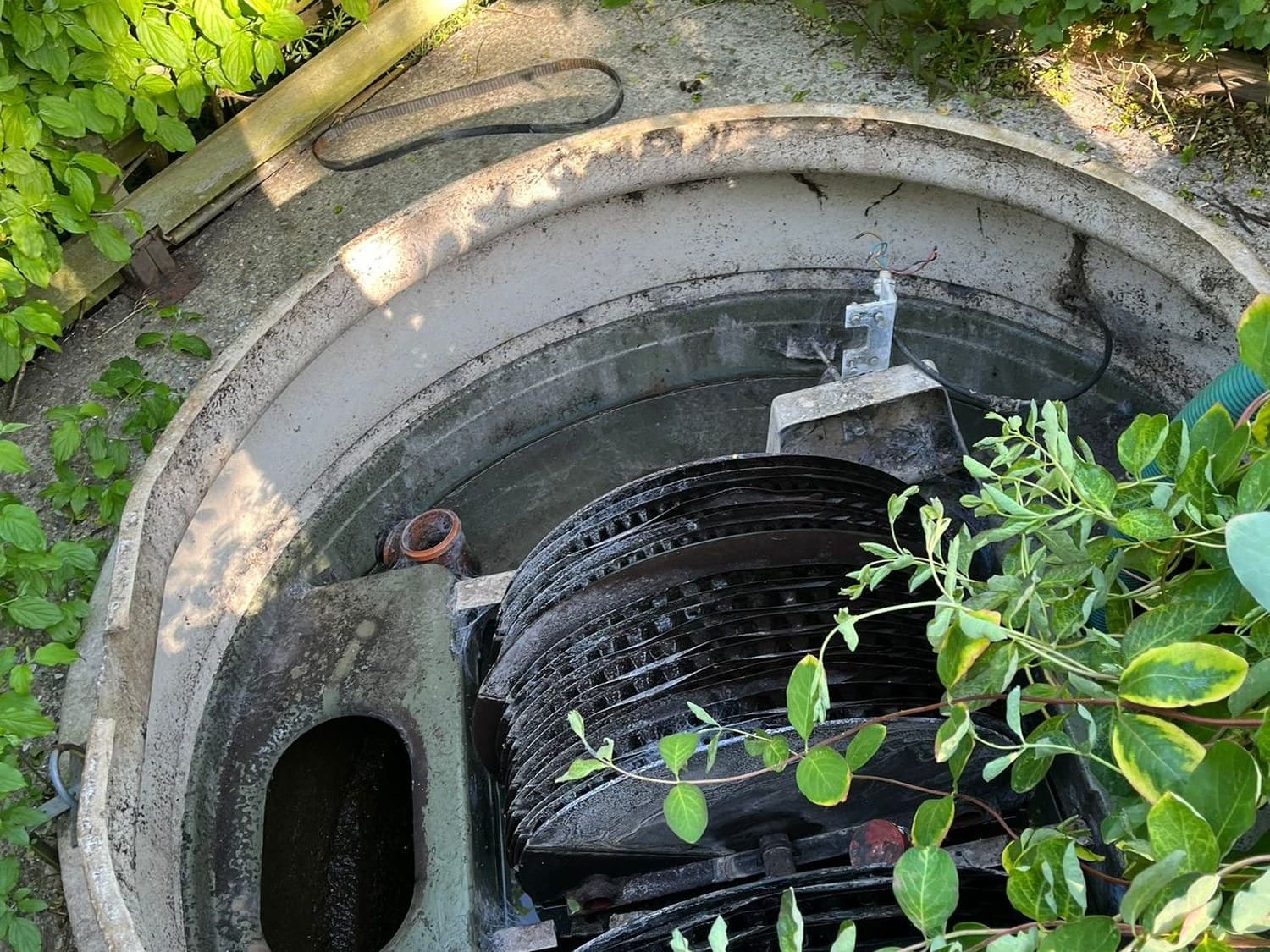
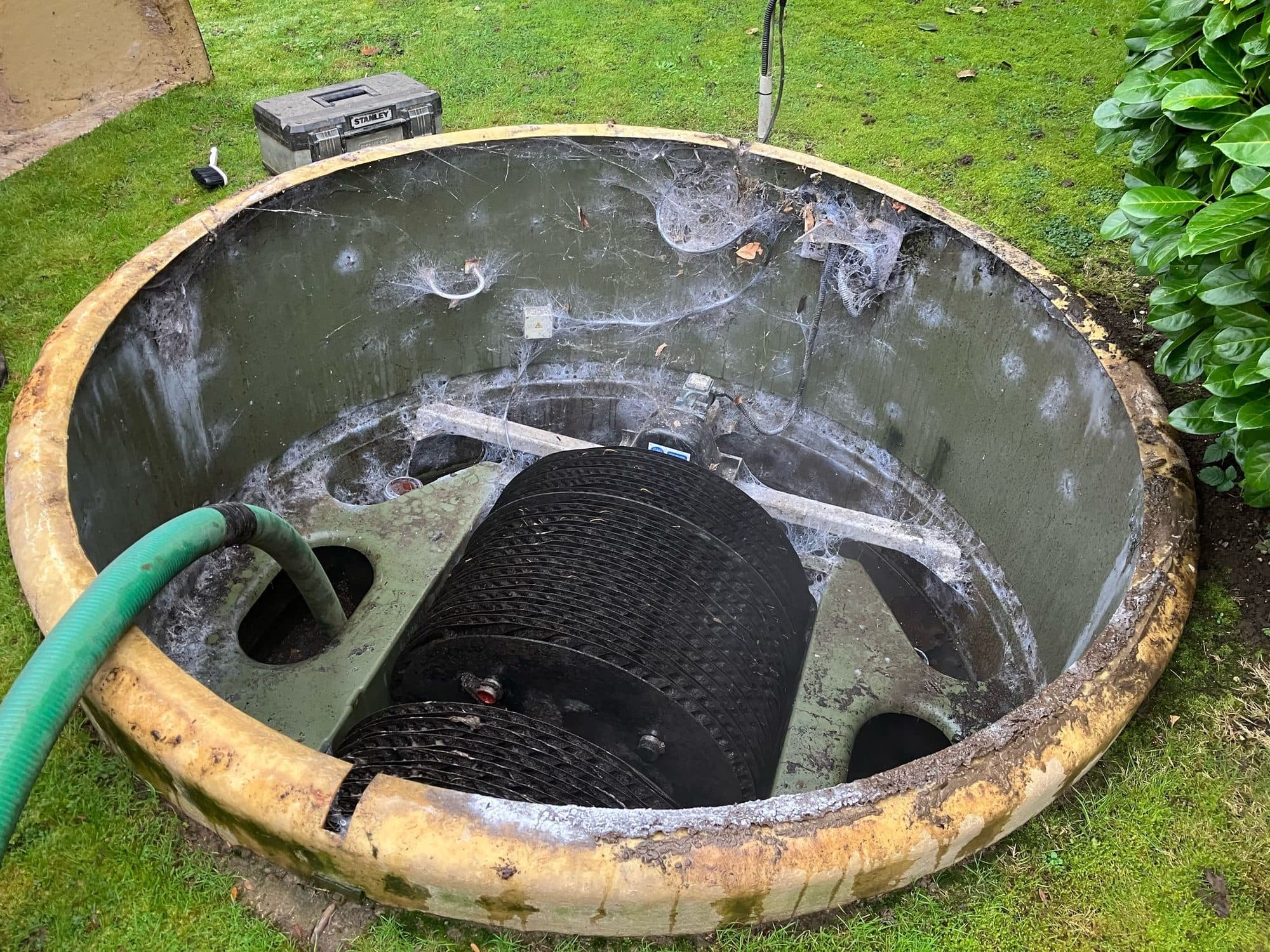
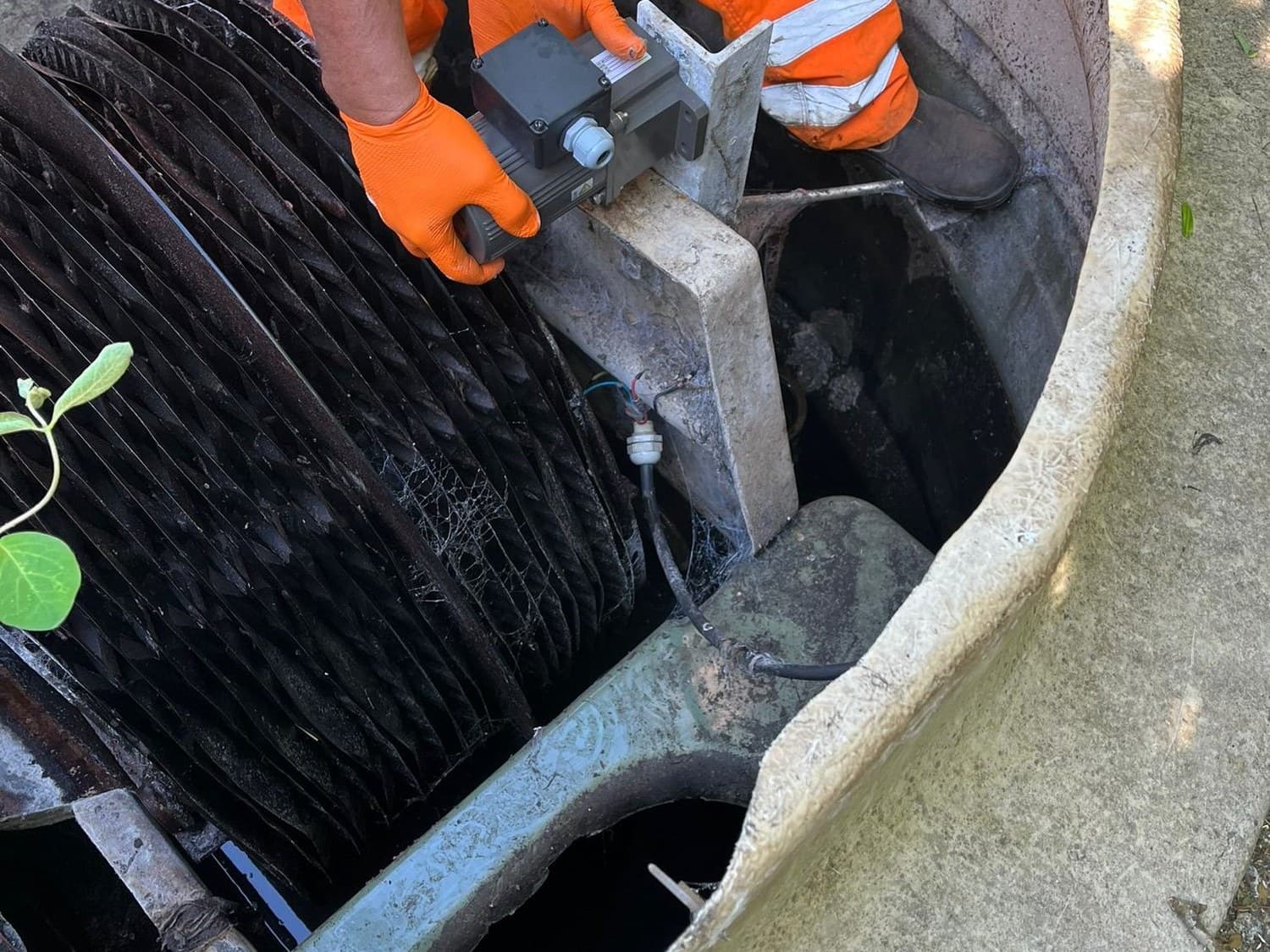
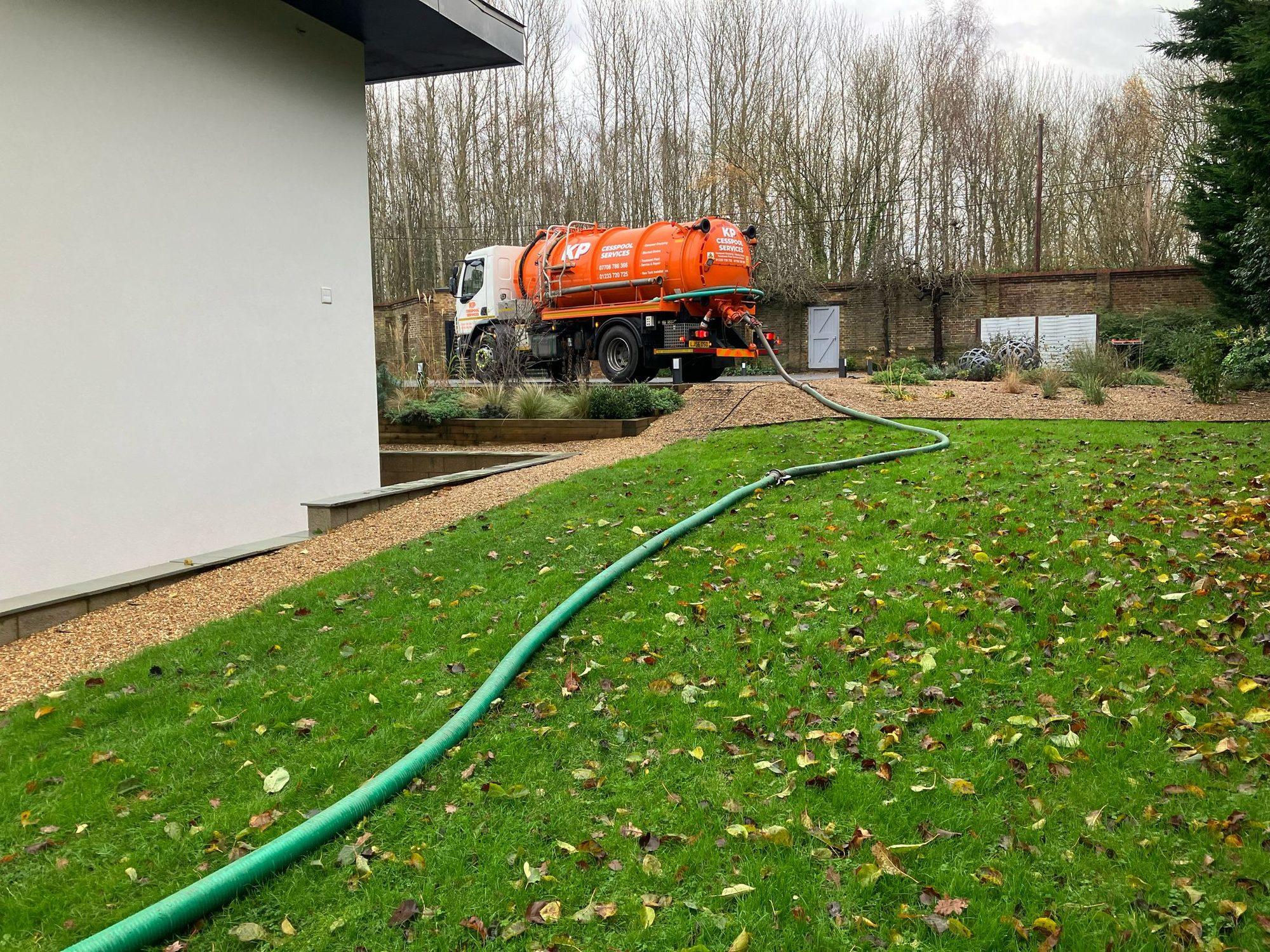
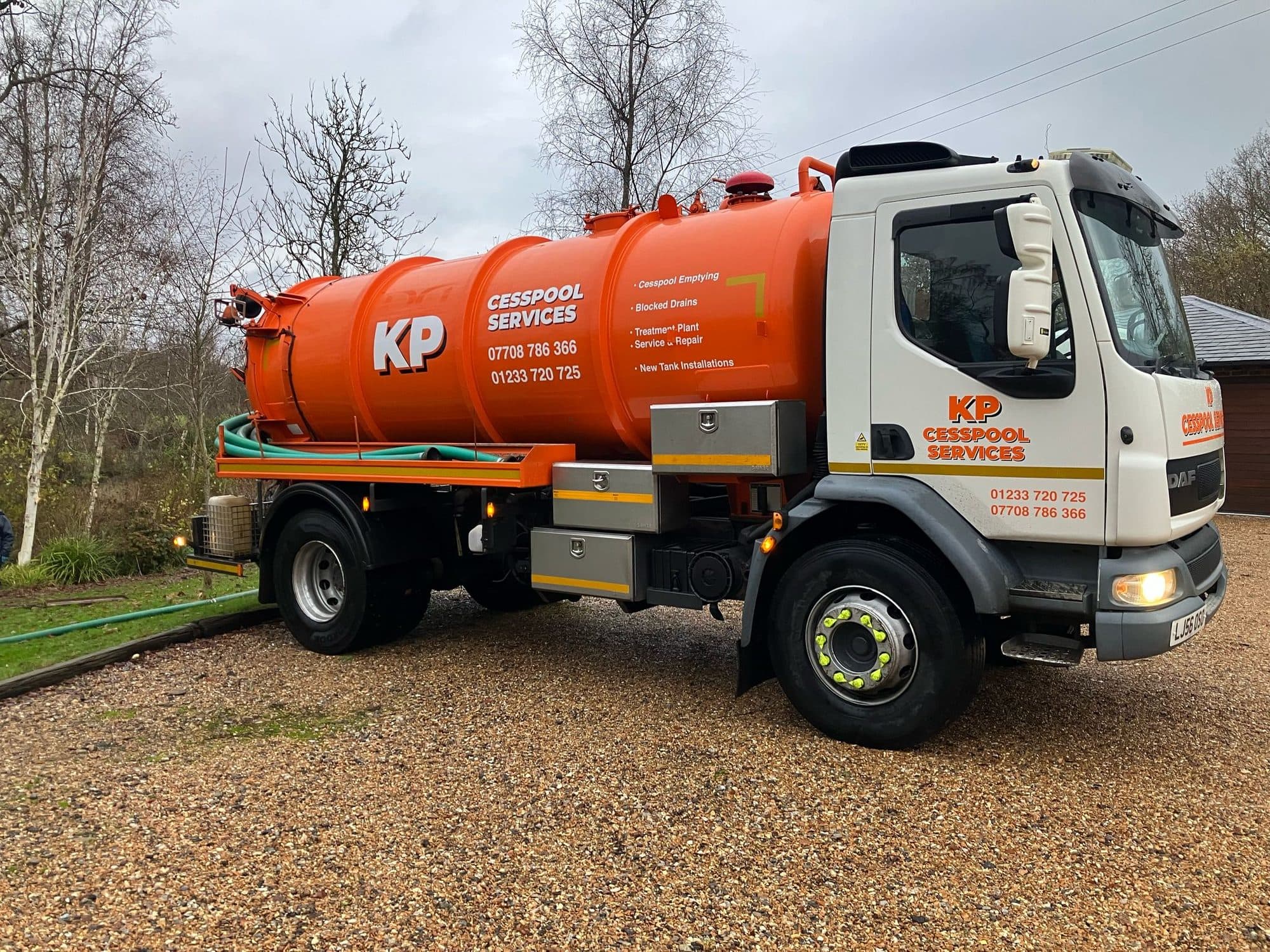
A sewage treatment plant needs desludging at least yearly or as its manual says. Why the sludge builds up, what happens on the day and what waiting costs.
A septic tank should be emptied at least once a year, and more often for a big household or a holiday let. What the rules say and how to judge your own tank.
Treatment plant servicing around Battle, why the High Weald leaves so many homes on a plant, and what a service catches before a fault reaches the stream.
How often a septic tank around Ashford needs emptying, why the Weald clay south and west of town raises the stakes, and how to check who takes the waste.
What actually moves the price of a sewage treatment plant installation, from ground conditions and access to power, commissioning and the discharge route.
A septic tank must not discharge to a ditch, stream or watercourse. What the rule says, how to find out where yours goes, and the three ways to put it right.
What a buyer's solicitor asks about a septic tank, the paperwork you need before you market the house, and the one fault that can stop a Kent sale dead.
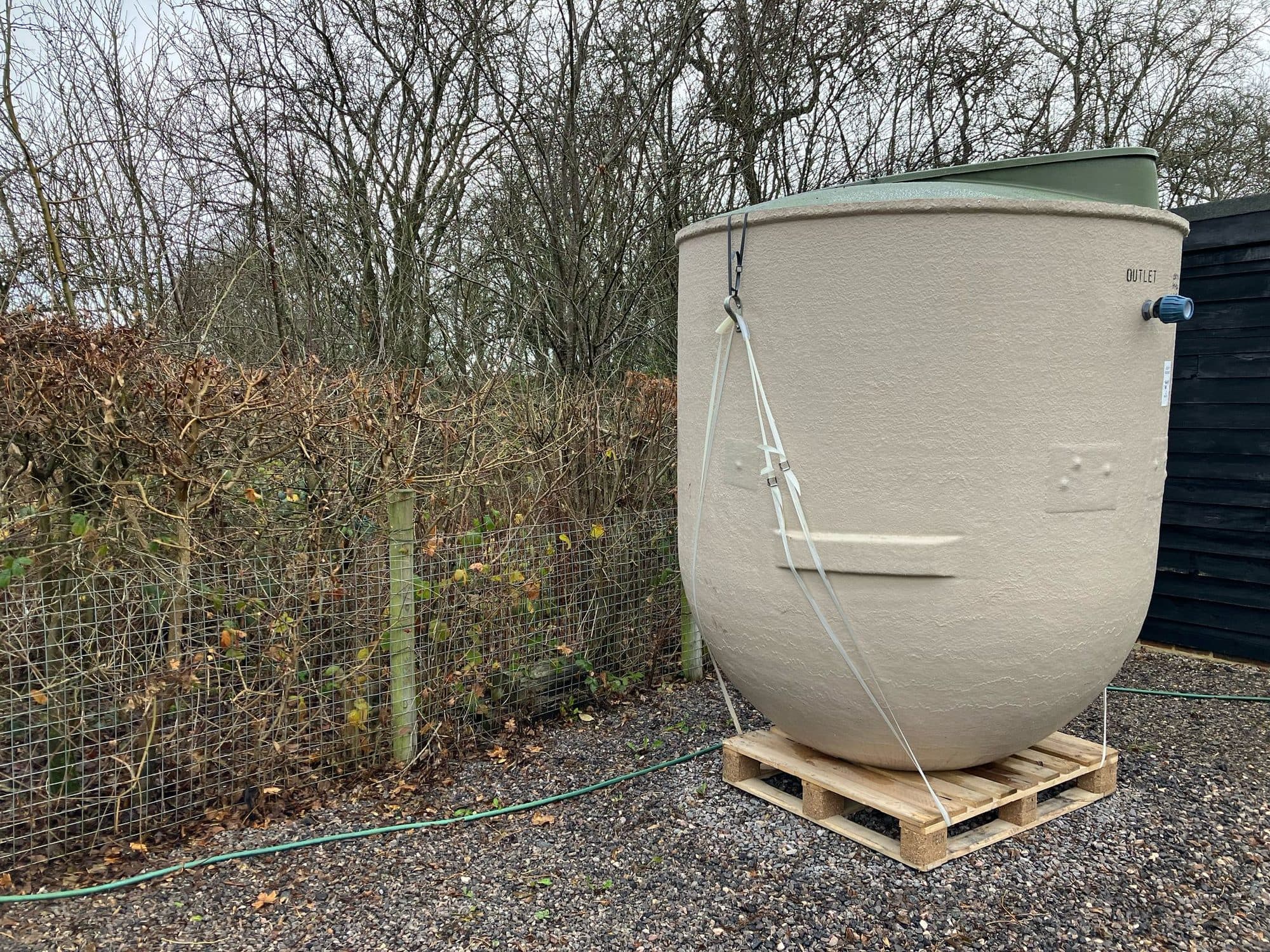
What a new tank installation involves, from choosing a cesspit, septic tank or treatment plant and the site assessment to the dig, testing and the rules.
What a Klargester septic tank service in Kent covers, from the tank and sludge check to the pipework, and the problems a regular service catches early.
A Klargester septic tank in Kent is a reliable wastewater system, but performance depends on proper installation, regular servicing and correct daily use.
What an overdue cesspool, septic tank or treatment plant does in East Sussex, from failed drainage fields on the clay to pollution reaching protected water.
Which signs of a full cesspit you can trust on East Sussex clay and levels, which ones mislead, and when an early warning means book now rather than wait.
Why cesspools in East Sussex fill faster than owners expect, from groundwater and rainwater to undersized tanks and lets, and how to find and fix the cause.
How often a treatment plant in Smarden needs emptying, what happens on the visit, the mechanical checks that go with it and how to avoid problems between.
Why septic tanks fail, from missed emptying and the wrong things flushed to roots, poor installation and a clogged drainage field, and how to prevent it.
How wet winters, floods, frost, summer drought and storms affect cesspools, septic tanks and treatment plants, season by season, and what to do about each.
What the General Binding Rules ask of a septic tank or treatment plant in England, what became of the 1 January 2020 deadline, and what to do if yours fails.
Yes, a cesspool or cesspit is still legal in England. The rules an owner has to follow, what the law expects, and when a tank has to be repaired or replaced.
Which system suits your property? Matching a cesspool, septic tank or treatment plant to your ground, your space, the nearest water, power, access and use.
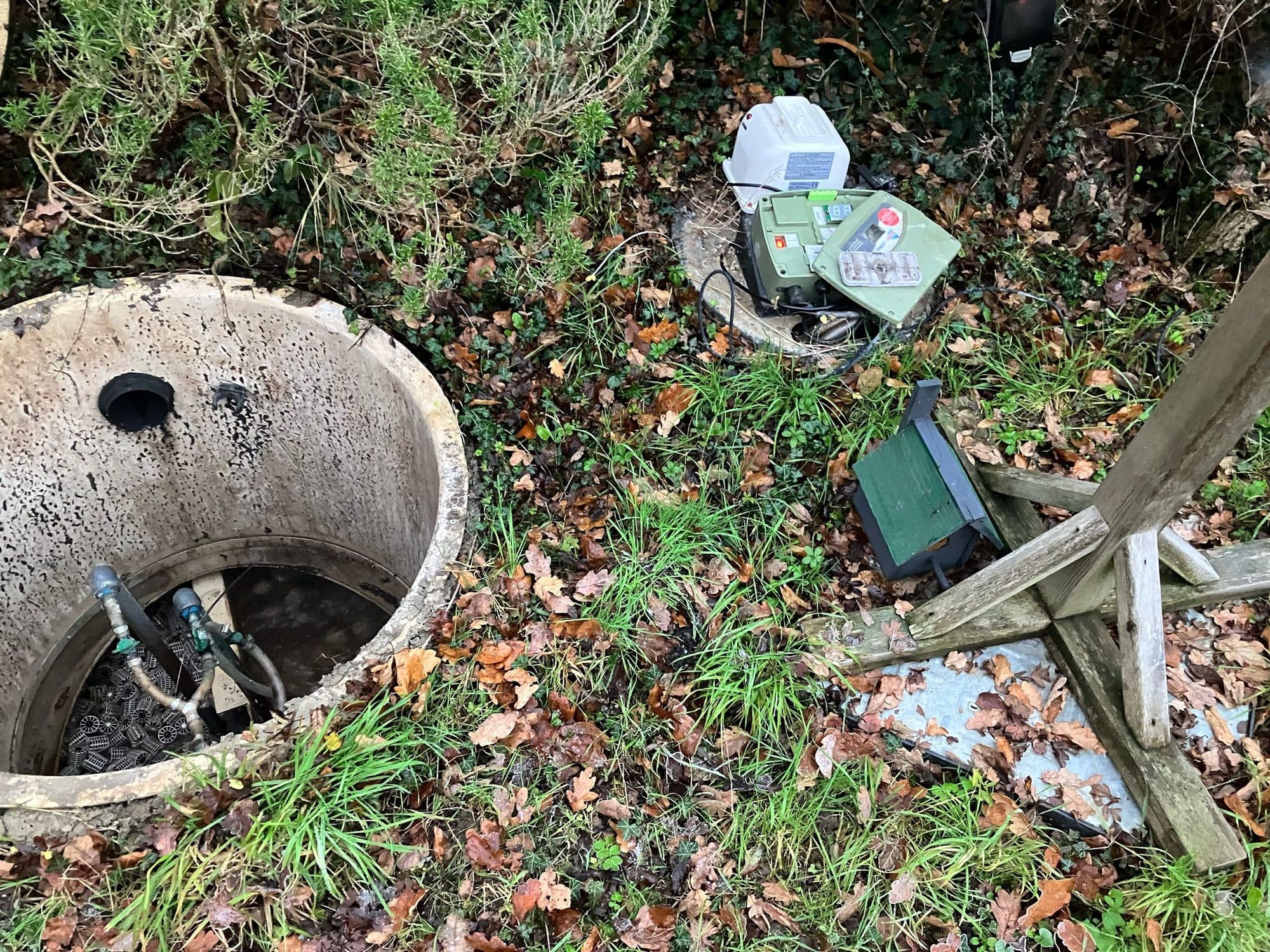
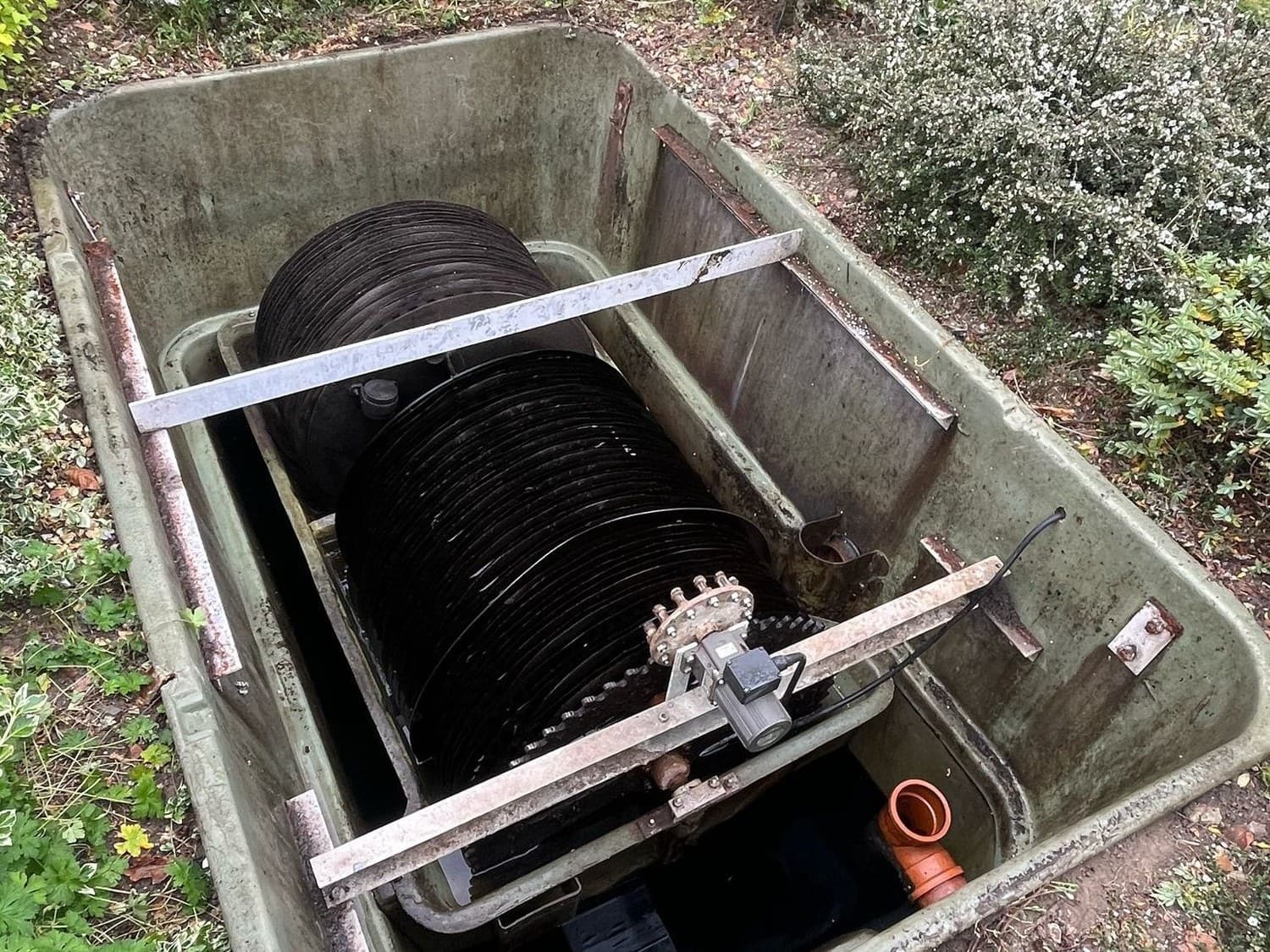
How a home sewage treatment plant cleans waste water, the difference between air-pumped and rotating disc plants, and what servicing keeps one working.
Do you need a sewage treatment plant? Five questions about the sewer, your septic tank, the ground and the nearest stream decide it, and when it is wrong.
Cesspit emptying in Smarden, why so many Weald clay properties rely on one, how wet winters change things, and what the River Beult means for replacements.
Work out how often your cesspool needs emptying in Kent, from the tank size and household arithmetic to the winter groundwater that shortens it on low ground.
The warning signs your cesspool is full, which ones mean something else, and what to do the moment you notice them so a slow drain never becomes an overflow.
What moves the cost of emptying a cesspit or septic tank in Kent, from tank size and access to groundwater and timing, and how to bring the yearly bill down.
Most cesspools need emptying every four to six weeks, depending on tank size and household. How to judge yours, the warning signs and the risk of waiting.
Cesspit emptying in Winchelsea's old town, where narrow streets, old covers and listed medieval cellars shape how a tank is emptied, repaired or replaced.
What a tank service in Kent covers that an empty does not, on a cesspit, a septic tank and a treatment plant, and how Kent's ground changes what gets checked.
The signs a cesspool in Stelling Minnis needs emptying soon, how often it should be done, what an owner must do by law and what to do about an older tank.
What cesspit emptying costs in Stelling Minnis, how often a cesspit needs doing, what happens on the day and when repair or replacement makes more sense.
The treatment plant faults that come up most in Kent, which are cheap and which are not, what drives a repair bill, and the servicing that prevents them.
Treatment plant breakdowns and servicing around Ashford, what an alarm usually means, which faults are fixed on the spot and what a yearly service prevents.
Repair or replace an older treatment plant in Broad Oak? How to judge it, what a service tells you about the plant's future, and what a new one involves.
Treatment plant servicing in Challock, how often it is needed, the faults that turn up most, what repairs involve and when an upgrade makes more sense.
What a cesspool or cesspit costs to install, empty and maintain, the typical price of each empty, what moves it, and how to keep the running costs down.
Treatment plants that discharge to a Romney Marsh dyke, what the rules expect of the outlet, who else has a say, and how servicing keeps the discharge clean.
Where cesspools are still used and why, from remote farms to sites with no sewer and no room for a drainage field, plus the rules and the alternatives.
Looking after a treatment plant around Stelling Minnis, from the common and its narrow lanes to the mixed ground of the Downs, and what servicing covers.
A cesspool, or cesspit, is a sealed tank that holds a home’s wastewater until it is emptied, usually every four to eight weeks. How it works and the rules.
We would like to set cookies so we can see which pages are useful and which are not, and so we can tell when an advert we have paid for led to an enquiry. That second one is a Google Ads cookie. We will not set any of them unless you say yes. See our privacy policy.