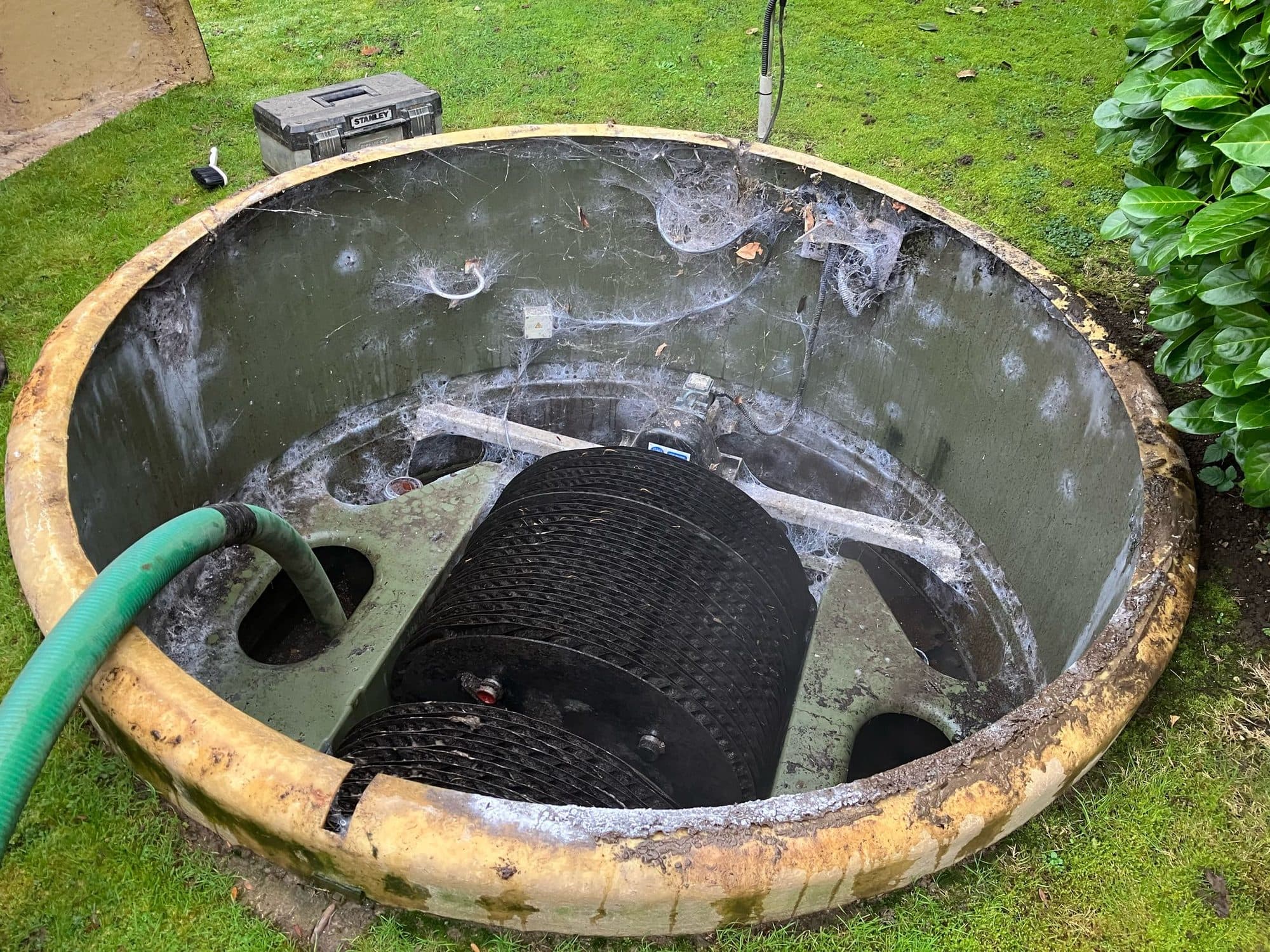
Cesspool emptying explained with how often to empty, key warning signs, risks of delays and why regular servicing keeps systems safe.
At KP Cesspool Services, one of the questions we are asked most frequently is how often a cesspool should be emptied. Because cesspools do not treat or discharge any wastewater, they fill up quickly and require regular emptying to stay safe and compliant. We explain how cesspools work, how often they should be serviced, the risks of leaving them too long, and the key signs that your cesspool may be overdue for attention.
Understanding How a Cesspool Works
A cesspool is a sealed underground tank that stores all wastewater from the property. Every time water is used in the home, it flows straight into the tank. Unlike septic tanks or treatment plants, there is no processing or discharge inside the unit. This means the only way to manage a cesspool safely is through routine Cesspool Emptying carried out by a registered waste carrier.
How Often a Cesspool Should Be Emptied
Most cesspools need emptying every four to six weeks, although this varies depending on household size, water usage, and tank capacity. A larger household or a property with heavy daily water use will naturally fill the tank more quickly. Smaller properties may be able to extend the interval slightly, but cesspools always require frequent attention. We normally recommend setting up a regular schedule to avoid overfilling, which is one of the most common causes of system failure.
Factors That Affect Emptying Frequency
Several key factors influence how quickly a cesspool fills.
- Tank size A smaller tank reaches capacity much faster.
- Number of occupants More people in the home means more daily water use.
- Appliance usage Baths, washing machines, and dishwashers contribute large volumes of wastewater.
- Leaks or running taps These can cause a cesspool to fill far more quickly than expected.
We assess each system individually and help homeowners establish an emptying routine that prevents overflows and structural strain.
Why Timely Emptying Is So Important
Because cesspools are sealed, ignoring emptying schedules can lead to several problems. Wastewater can back up into the home, unpleasant smells may appear around the tank, and pressure inside the unit can damage the structure. Overflows also pose environmental risks, which fall under the responsibility of the homeowner. Regular emptying ensures the system stays safe, reliable, and compliant with the expectations set by the Environment Agency.
What Happens During an Emptying Visit
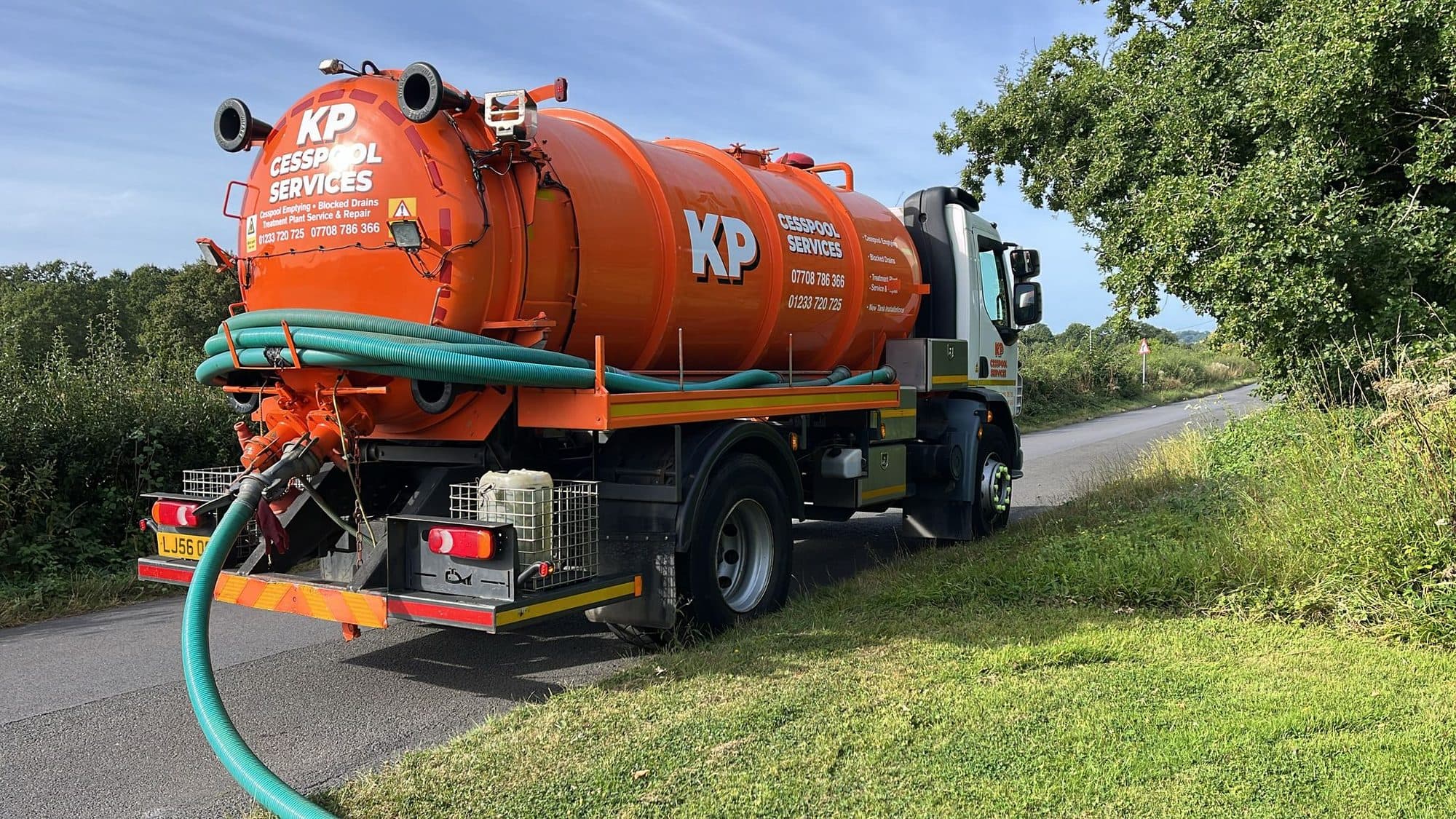
When we empty a cesspool, we use a vacuum tanker to remove all liquid and solid waste. Once the tank is cleared, the waste is transported to a permitted disposal site. During every visit, we also check the structural condition of the tank and lids to make sure they remain watertight. Identifying early signs of wear helps prevent future issues and costly repairs.
Signs Your Cesspool Needs Emptying Sooner Than Expected
Even with a regular schedule, cesspools can sometimes fill faster than usual. Common warning signs include the following.
- Slow draining sinks or toilets
- Gurgling noises from pipework
- Smells around the tank area
- Damp or unusually green grass above the tank
- Rising water levels in internal fixtures
If any of these appear, the tank should be emptied as soon as possible. In some cases, early symptoms may also point to Blocked Drains and Tanks, which we can diagnose during our visit.
Legal Responsibilities for Homeowners
Even though cesspools do not discharge wastewater, they still fall under environmental rules. Tanks must remain sealed and be emptied often enough to prevent overflow. Homeowners are responsible for ensuring all waste is removed by a registered waste carrier and disposed of safely. Keeping records of servicing can help demonstrate responsible management. Guidance such as the General Binding Rules sets expectations for private wastewater systems and highlights the importance of correct operation.
What Happens If a Cesspool Is Not Emptied Regularly
Ignoring cesspool maintenance can lead to serious problems. Overflow can contaminate surrounding land, create health risks, and cause structural issues with the tank. Emergency callouts also cost significantly more than routine servicing. In some cases, repeated overfilling damages the tank so severely that owners need to consider New Tank Installations to restore safe operation.
Checking Customer Feedback Before Choosing a Provider
Cesspool emptying must be completed safely and professionally. We always advise customers to look at trusted review platforms such as Checkatrade to ensure they choose a reputable provider. This helps protect both the property and the environment.
Conclusion
A cesspool must be emptied regularly to stay safe, compliant, and reliable. Although most cesspools need servicing every four to six weeks, each system is different and may require a bespoke schedule. At KP Cesspool Services, we help homeowners manage their tanks responsibly through routine emptying, inspections, and expert guidance. With the right maintenance and awareness of early warning signs, your cesspool can continue to operate smoothly throughout the year.