Troubleshoot slow drains in rural properties with expert advice on septic tanks, cesspools, blocked drains and private drainage systems.
At KP Cesspool Services, one of the most common issues we help homeowners with is slow drains in rural properties. Slow drainage is usually an early warning sign that something within the drainage system is not working properly. In rural homes, where properties often rely on cesspits, septic tanks, or sewage treatment plants instead of mains drainage, the cause is rarely as simple as a blocked sink alone.
In our experience, slow drains should never be ignored. We’ve found that most serious drainage failures begin with small changes in how quickly sinks, toilets, or showers empty. Acting early usually prevents larger and more expensive problems later.
Start by Identifying Which Drains Are Affected
The first step when troubleshooting slow drains is working out whether the issue affects one fixture or the whole property.
If only one sink or shower is draining slowly, the blockage is often localised within that section of pipework. However, if multiple drains across the property are slow at the same time, the issue is usually further into the drainage system itself.
From working with clients across Kent and East Sussex, we’ve found that when toilets, sinks, and showers all begin slowing together, the underlying issue is often linked to the tank system rather than the internal plumbing.
Check for Common Internal Causes
Some slow drain problems are caused by everyday build up inside pipework. Kitchen sinks often collect fats, oils, and grease over time. Bathroom drains commonly build up hair, soap residue, and debris.
In our experience, grease build up works worse than natural soap residue because it hardens inside pipework and gradually narrows the flow area. We regularly attend properties where years of grease accumulation have restricted drainage significantly without the homeowner realising it.
Simple drain cleaning may resolve minor internal restrictions, but if the problem keeps returning, the issue is usually deeper within the system.
Consider the Condition of the Tank System
Rural properties with cesspits or septic tanks often experience slow drains when the tank is approaching capacity. A full tank restricts wastewater movement and creates pressure within the system.
Regular Cesspool Emptying is essential for preventing this. From our experience managing hundreds of private drainage systems, delayed emptying is one of the leading causes of slow drainage complaints in rural homes.
We’ve found that homeowners often assume a blockage is causing the problem, when in reality the tank simply has no remaining capacity.
Look for External Warning Signs
Slow drains are often accompanied by visible signs outside the property. Damp ground near inspection covers, bad smells around the tank area, or unusually green patches of grass can all indicate restricted flow within the drainage system.
What actually tends to happen is that these external signs appear before a complete blockage develops. Catching them early usually prevents emergency situations later.
Blocked Drains and Pipe Restrictions
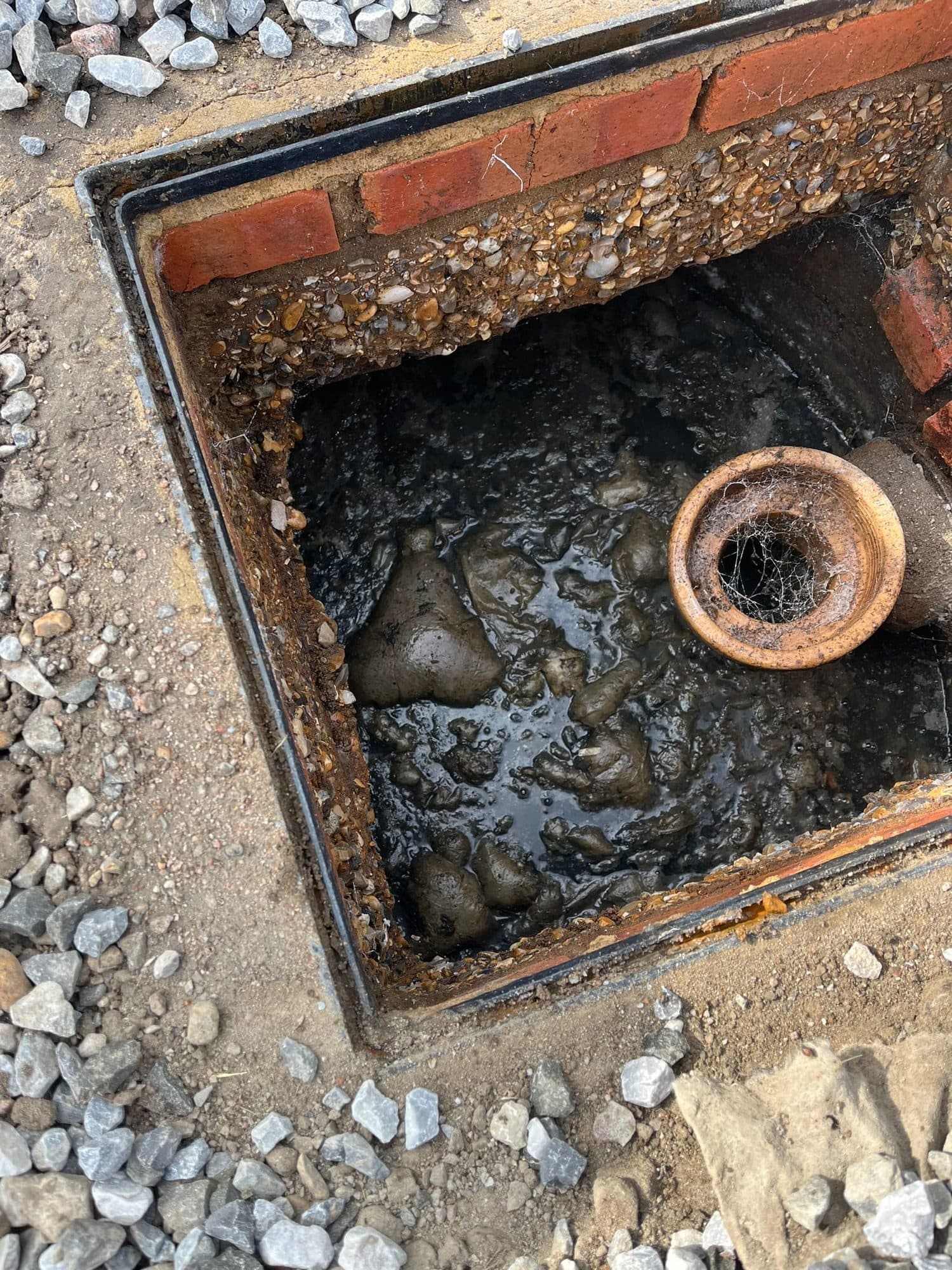
In many cases, slow drains are caused by restricted underground pipework. We regularly deal with Blocked Drains and Tanks caused by wipes, sanitary products, fats, and root intrusion.
Tree roots are especially common in rural areas because roots naturally seek moisture and can enter older pipework through small cracks or joints. Once inside, they continue growing and gradually restrict wastewater flow.
Weather and Ground Conditions
Weather can also affect how rural drainage systems perform. During prolonged heavy rain, drainage fields can become saturated and struggle to disperse wastewater efficiently.
In our experience, drainage fields in heavy clay soil tend to struggle more during wet winters than systems installed in free draining ground. We’ve seen properties that work perfectly well in summer begin showing slow drainage signs during prolonged periods of rainfall simply because the surrounding ground becomes overloaded.
Mechanical Issues in Treatment Plants
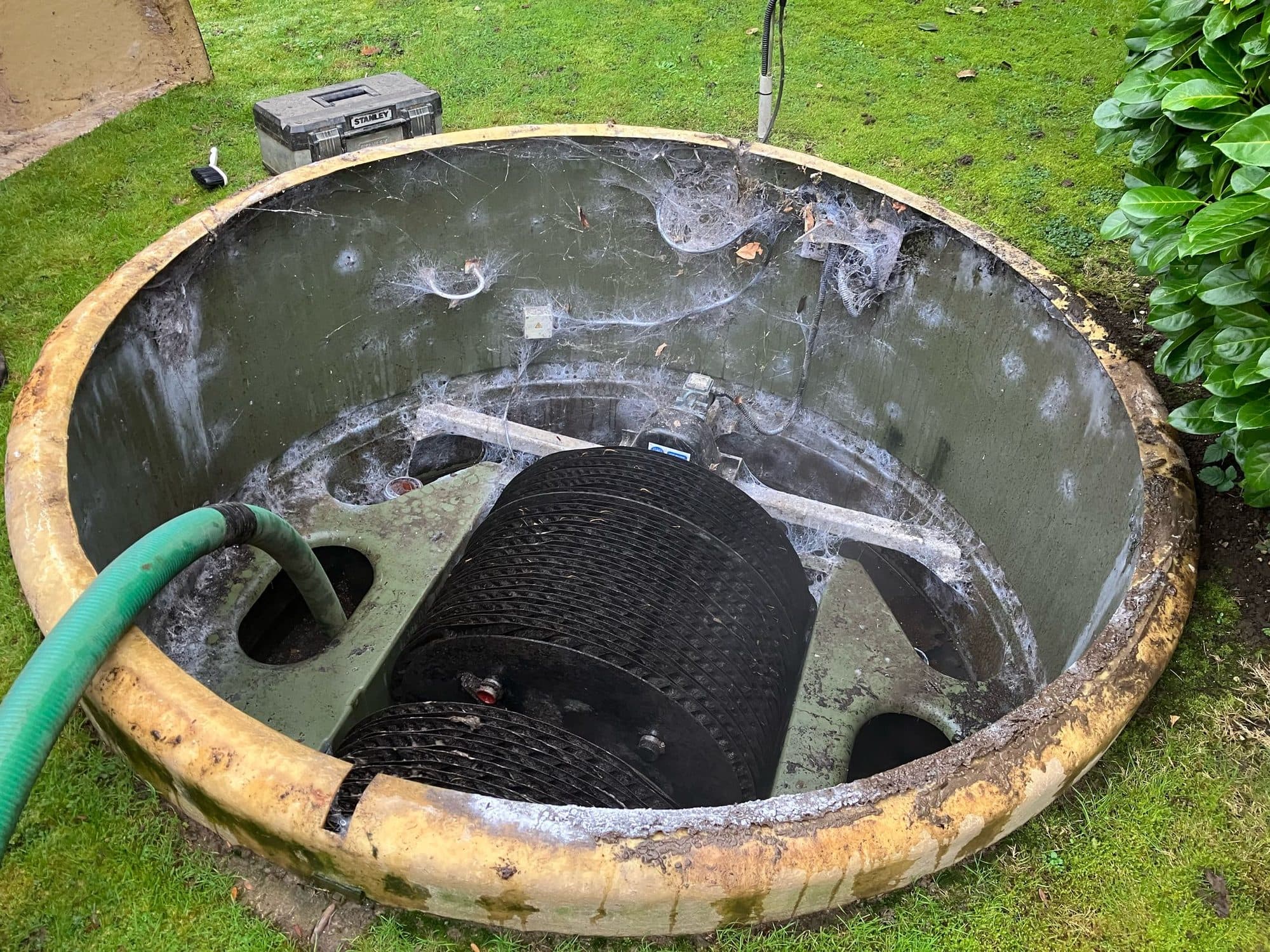
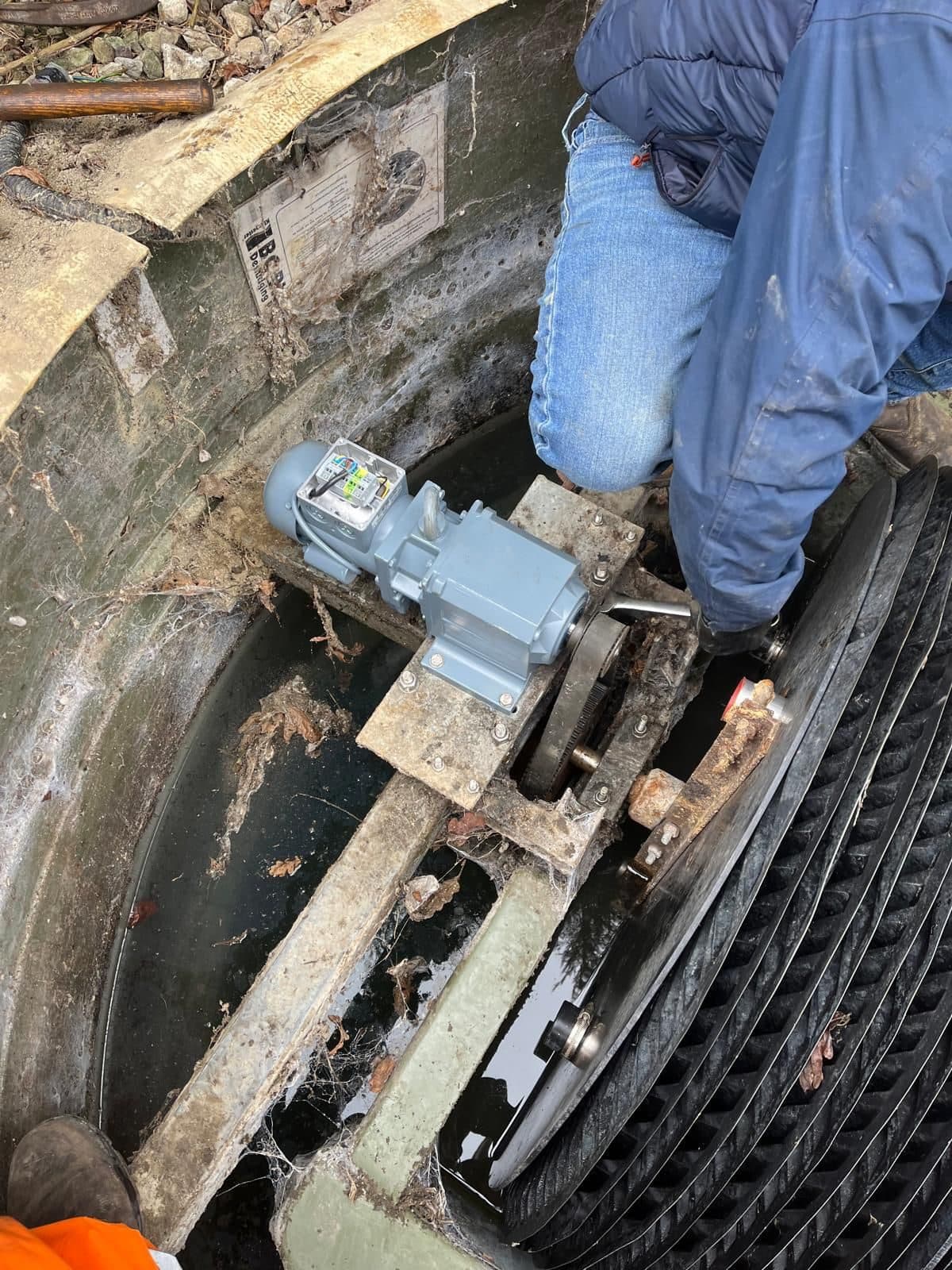
Properties with sewage treatment plants may experience slow drains when mechanical components begin failing. If pumps or blowers stop working correctly, wastewater movement through the system can slow significantly.
We’ve found that treatment plant servicing carried out annually prevents the majority of these issues before they become noticeable inside the property.
Environmental Responsibilities
Private drainage systems must be maintained correctly to avoid pollution. The Environment Agency expects rural drainage systems to operate safely and not contaminate surrounding land or watercourses.
Systems must also comply with the General Binding Rules, which govern how wastewater systems are maintained and discharged. Ignoring slow drains can eventually lead to wider system failures that create environmental risks.
Preventing Slow Drains Long Term
Preventing slow drains usually comes down to consistent maintenance and sensible usage habits. Avoid flushing wipes or sanitary products. Do not pour fats or oils down sinks. Keep to regular emptying and servicing schedules.
From our experience, preventative maintenance works better than reactive repairs because most drainage problems develop gradually over time rather than appearing suddenly. Small habits make a significant difference to long term system performance.
Why Professional Assessment Matters
Slow drains can have several different causes, and identifying the correct one early saves both time and money. We regularly attend properties where homeowners have repeatedly tried drain cleaners or temporary fixes without realising the issue is actually within the tank system itself.
You can check our reviews on trusted platforms such as Checkatrade to see feedback from rural homeowners we’ve helped across Kent and East Sussex.
Conclusion
Troubleshooting slow drains in rural properties means looking beyond the sink or toilet itself and understanding how the entire drainage system operates. In our experience, slow drains are often the first sign that a cesspit, septic tank, or treatment plant needs attention. At KP Cesspool Services, we help homeowners identify the real cause of drainage problems before they turn into major failures. If you are experiencing slow drains or want advice on keeping your drainage system working properly, contact us and we will be happy to help.