Learn why regular tank emptying in Challock is essential, how often each system needs servicing, and the signs your wastewater tank needs attention
Many properties in Challock rely on private wastewater tanks rather than a mains sewer connection. These systems can include cesspools, septic tanks, and treatment plants, each of which requires routine emptying to stay safe and functional. Regular tank emptying prevents overflows, protects the surrounding environment, and keeps the system working as it should throughout the year. This guide explains everything you need to know about tank emptying in Challock, including why it matters, how often it should be done, and the signs that your tank needs attention.
What Is a Wastewater Tank
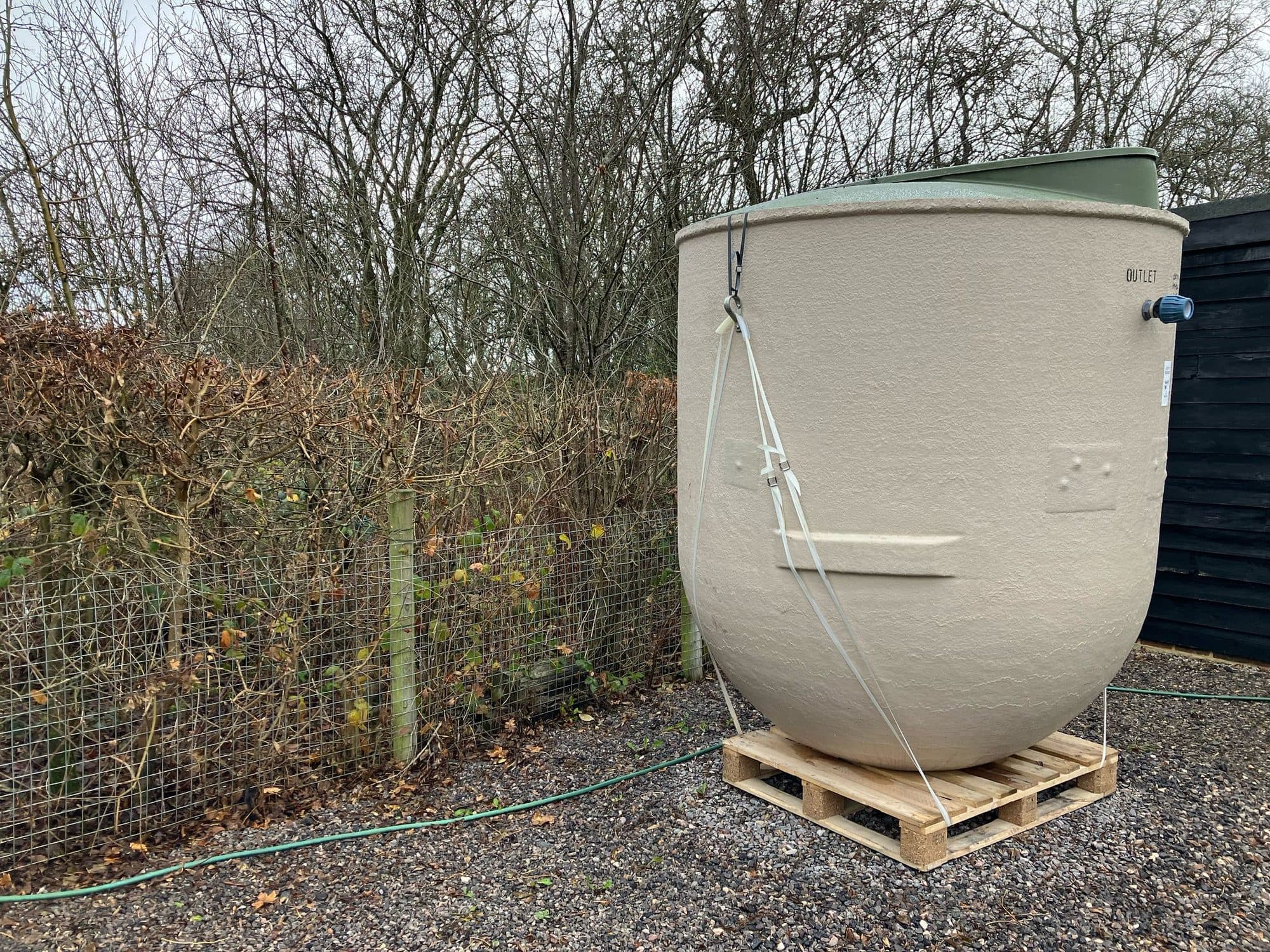
A wastewater tank is an underground container that stores or processes household sewage. The type of tank on your property determines how often it must be emptied. A cesspool stores all wastewater and needs frequent emptying. A septic tank provides basic settlement but still requires routine removal of sludge. A treatment plant provides full processing but still builds up solids that must be removed. If your system involves a cesspool, you may need professional Cesspool Emptying more often due to the way the tank collects all waste without treating it.
Why Regular Tank Emptying Is Essential
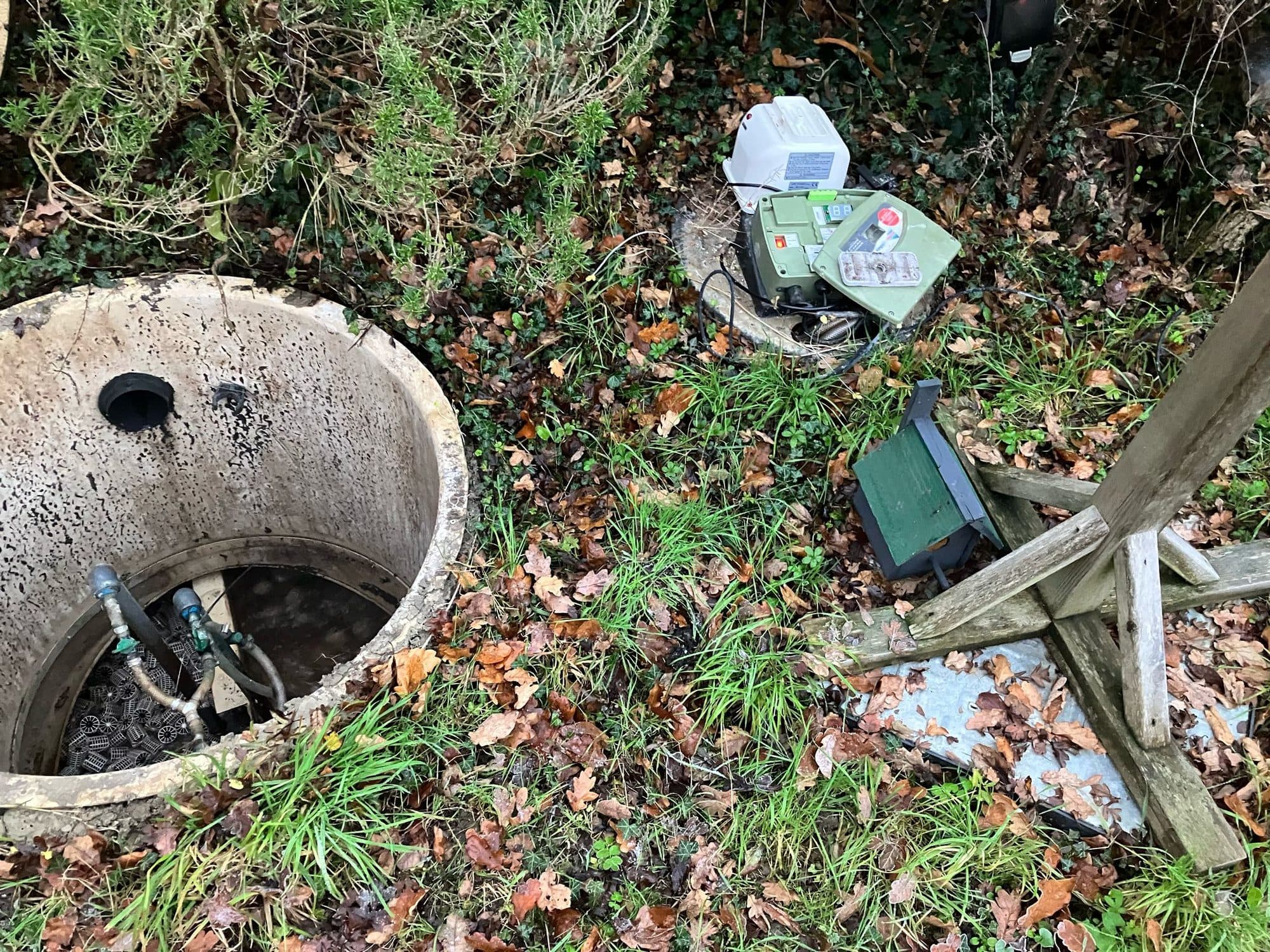
Every tank gradually fills with sludge and solids. If these are not removed, the system becomes overloaded and may fail. A full tank can cause sewage to back up into the property or overflow into surrounding ground. Regular emptying also prevents foul smells and reduces pressure on the structure of the tank. If your system includes a treatment plant, engineers can also check whether any Treatment Plant Servicing and Repairs are required during a visit.
How Often Tanks in Challock Should Be Emptied
The frequency depends on the type of tank and daily water usage. Cesspools often need emptying every few weeks because they store all wastewater. Septic tanks usually require emptying once a year, while treatment plants need periodic desludging when levels rise. Larger households, busy properties, or systems with older tanks may need attention more regularly. An engineer can measure sludge depth and provide guidance suited to your specific tank.
How Tank Emptying Works
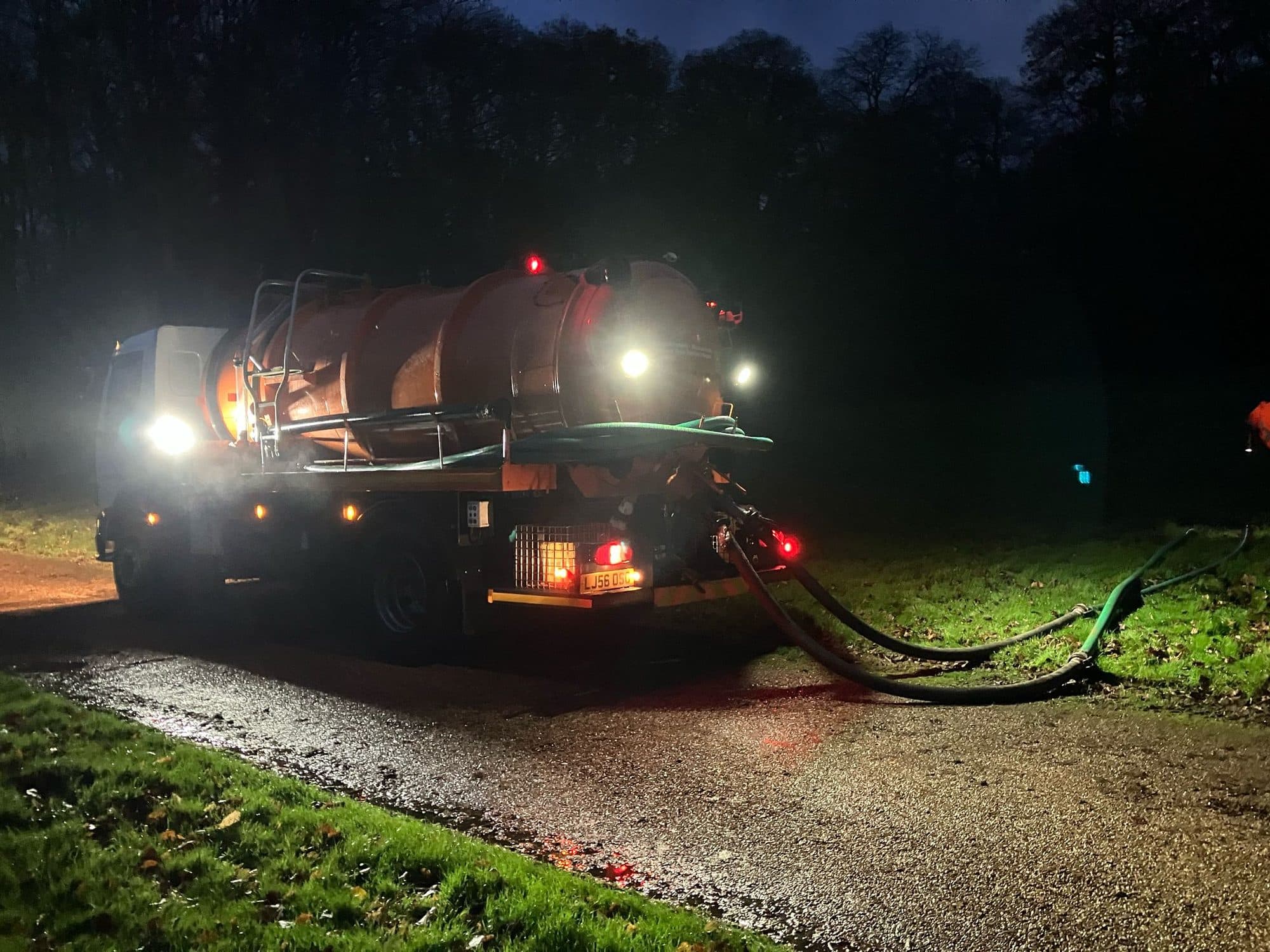
A vacuum tanker removes the waste from the tank and transports it to a permitted disposal site. The process is efficient and prevents contamination of the surrounding area. During the visit, an engineer may check internal parts, look for signs of wear, and ensure the tank is structurally sound. If the tank is reaching the end of its lifespan, some homeowners choose modern New Tank Installations to improve reliability and meet current standards.
Signs Your Tank Needs Attention
Several warning signs suggest a tank in Challock is overdue for emptying. Slow draining sinks or toilets, strong smells near the tank area, and rising water in the household pipes are early indicators that the system is struggling. If you notice wet or unusually soft ground above the tank, this may mean the waste level is too high. Noise from the household drains or gurgling sounds from pipework can also signal a problem. If issues spread to the pipework or surrounding ground, prompt attention is required to avoid problems linked to Blocked Drains and Tanks.
Regulations for Wastewater Tanks
All wastewater systems in Challock must follow national environmental rules, and the same applies right across the Downland villages we cover. The Environment Agency oversees how waste must be stored, transported, and disposed of. The General Binding Rules outline how septic tanks and treatment plants must be managed, especially when there is a discharge to the ground. Cesspools do not discharge and must be sealed and emptied regularly. Homeowners are responsible for keeping tanks in good condition and ensuring waste is removed by licensed professionals.
Preventative Maintenance
Good habits protect your tank and reduce the risk of problems. Avoid flushing wipes, fats, oils, and chemicals, as these can increase sludge or block internal parts. Fix leaking taps quickly and avoid sending large volumes of water through the system in a short period of time. Annual inspections help identify issues early and reduce the likelihood of breakdowns.
When a Tank Needs Repair or Replacement
Tanks can develop faults over time due to age, corrosion, or ground movement. If engineers notice structural damage or repeated operational issues, repair may be required. For treatment plants, worn parts such as blowers and pumps may need servicing. If a tank is no longer safe or cannot meet modern standards, replacing it with a newer system may be recommended. Properties with treatment systems that consistently fail may require an updated Treatment Plant Installation to restore reliable performance.
Cost of Tank Emptying in Challock
The cost depends on the tank type, size, and amount of waste removed. Cesspools often cost more to maintain due to their frequent servicing needs. Septic tanks and treatment plants usually require less frequent emptying, making annual costs lower. Accessibility and volume of waste also influence pricing. Establishing a regular schedule usually offers better value and ensures the system never reaches a critical level.
Conclusion
Routine tank emptying in Challock is vital for keeping private wastewater systems safe, efficient, and compliant with environmental regulations. Whether your property uses a cesspool, septic tank, or treatment plant, regular servicing prevents overflows, protects the surrounding environment, and avoids costly repairs. With consistent maintenance and professional support, your tank can continue operating reliably throughout the year.