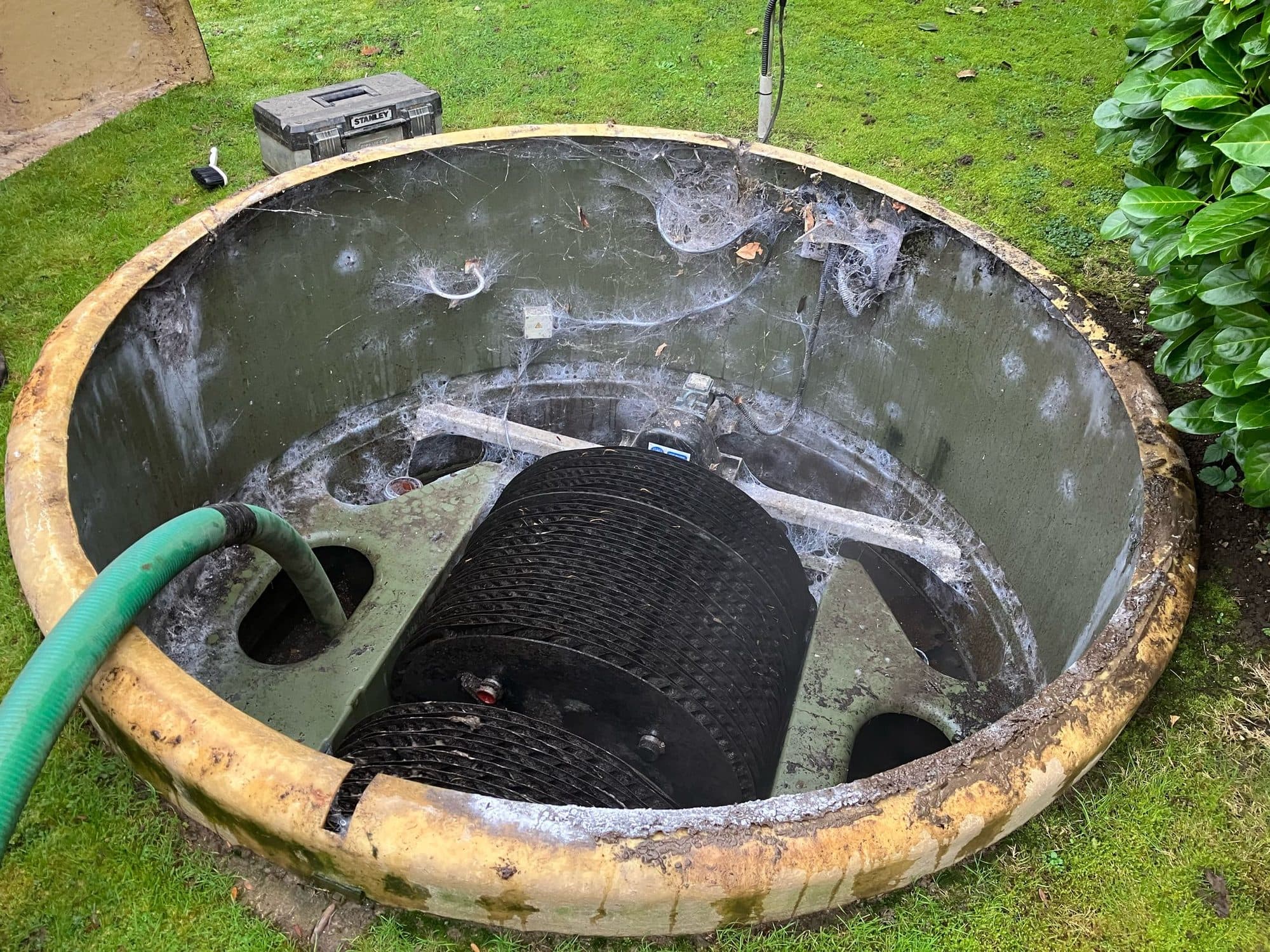
Find out about septic tank costs, including installation, maintenance, and repair expenses, plus tips to keep your system efficient.
For properties not connected to the mains drainage system, a septic tank provides a reliable and environmentally safe way to manage wastewater. They are common in rural parts of the UK where sewer connections are unavailable or too costly to install. However, before investing in one, it’s important to understand the full cost of owning and maintaining a system. This guide breaks down everything you need to know about septic tank cost, including installation, maintenance, and long-term expenses.
What Is a Septic Tank?
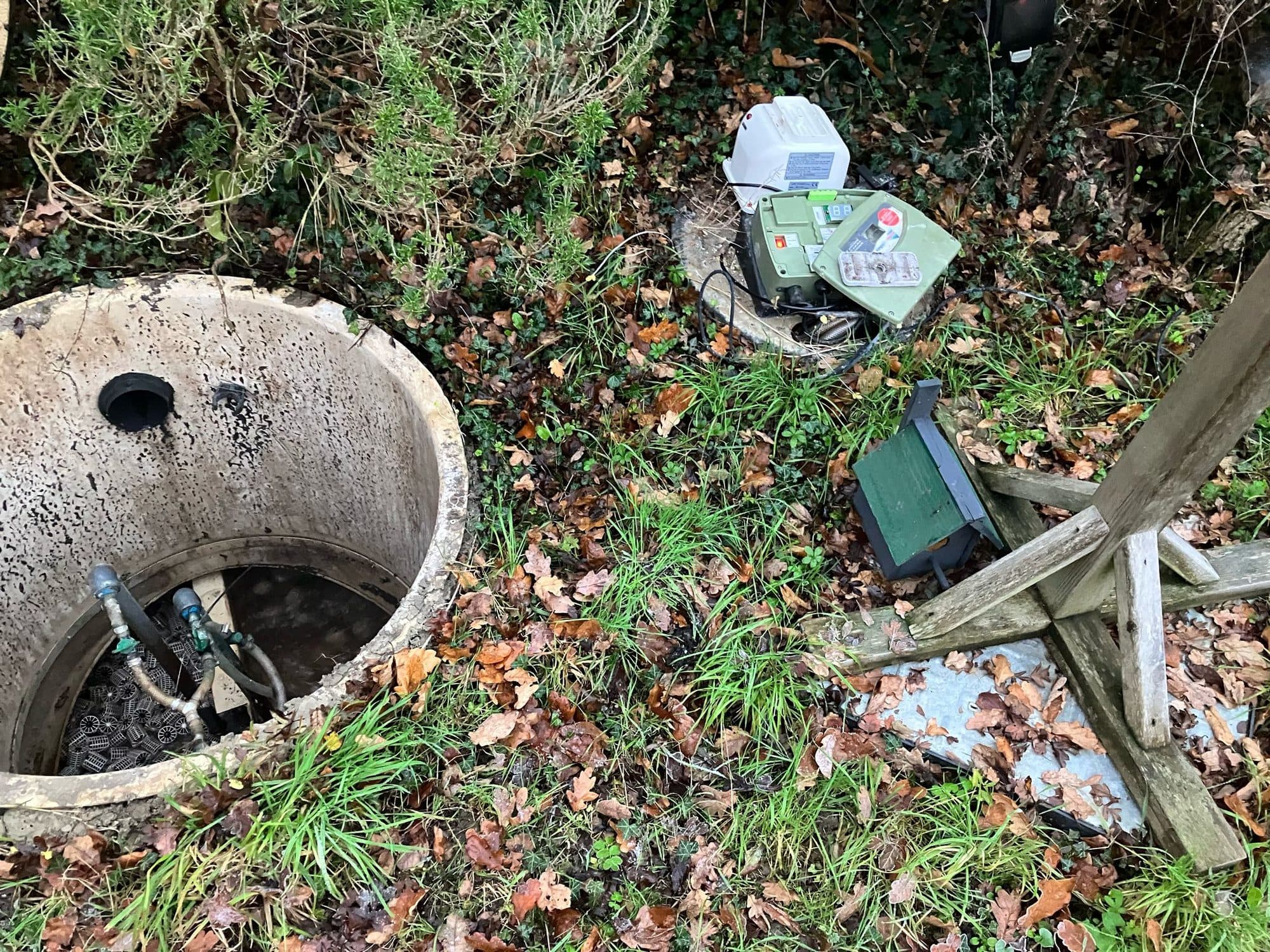
A septic tank is an underground chamber that collects and partially treats wastewater from a property. It separates solids, grease, and liquid waste through natural settling and bacterial activity. The sludge sinks to the bottom, lighter materials float to the top, and the partially treated liquid flows into a soakaway or drainage field where it is filtered naturally. Septic tanks are available in a range of sizes and materials, including concrete, fibreglass, and plastic. They are suitable for domestic properties, small businesses, and rural homes that do not have access to a public sewer connection.
How Much Does a Septic Tank Cost to Install?
The installation cost of a septic tank varies depending on its size, material, and site conditions. On average, homeowners in the UK can expect to pay between £3,000 and £7,000 for installation. Small domestic systems at the lower end of this range typically serve one household, while larger or more complex setups can exceed £10,000. Excavation costs, soil type, and the need for additional equipment such as pumps or control panels also affect pricing. For new developments or complete property renovations, experienced professionals can also carry out New Tank Installations to ensure the system is installed safely and in full compliance with environmental requirements.
Factors That Affect Septic Tank Cost
Several factors influence how much a septic tank system will cost overall.
-
Tank size: Larger households or commercial premises need bigger tanks to handle increased wastewater.
-
Material: Plastic tanks are lighter and cheaper to install, while concrete models are more durable but often more expensive.
-
Soil conditions: Poor drainage or rocky ground may require additional groundwork and drainage solutions.
-
Accessibility: Remote or hard-to-reach properties may increase transport and labour costs.
-
Installation complexity: Systems requiring pumping or advanced filtration will cost more than standard gravity-fed setups. Obtaining an on-site assessment from a qualified installer ensures the tank size and design suit your property’s needs and meet local regulations.
Ongoing Maintenance and Emptying Costs
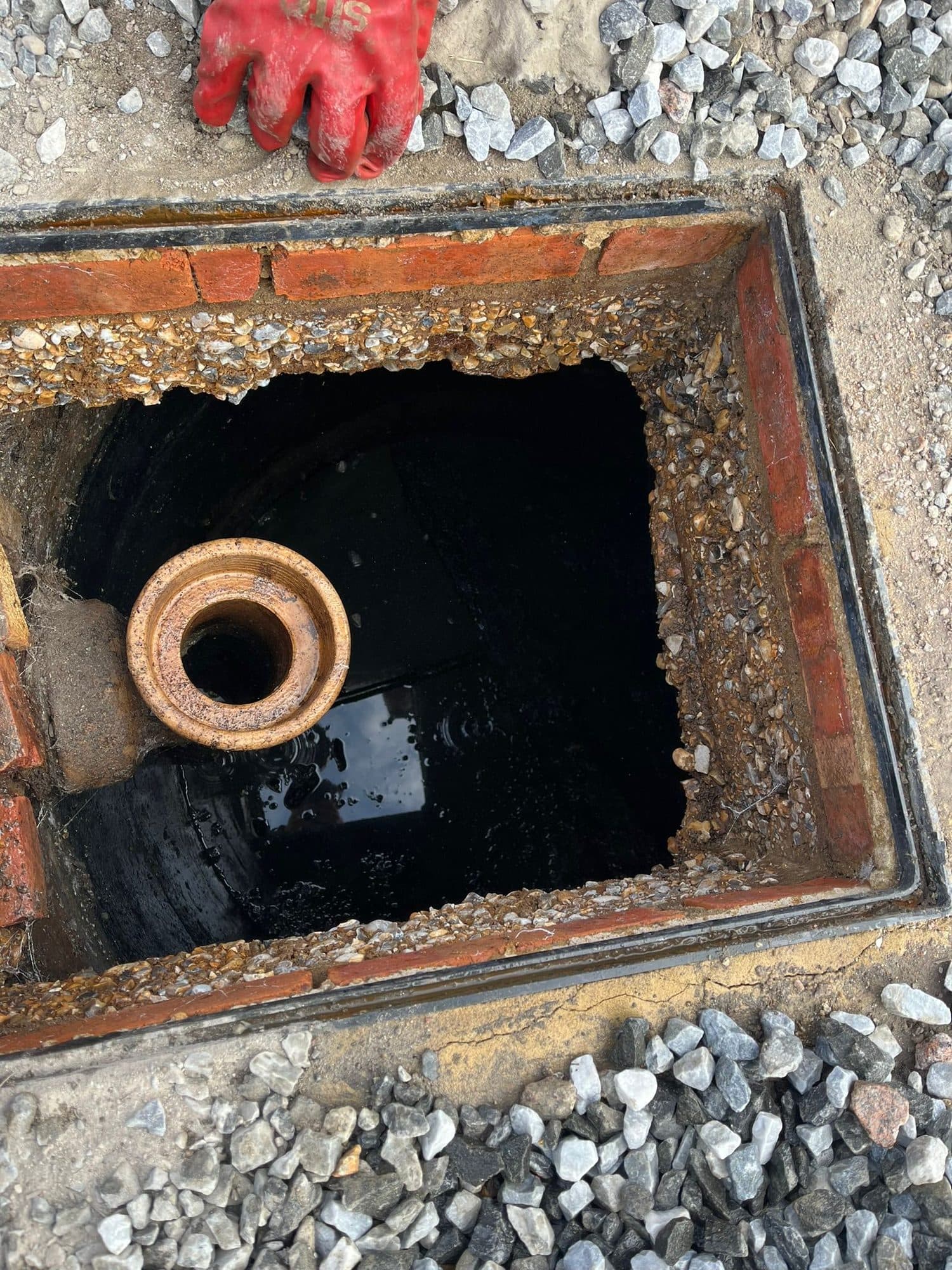
A septic tank requires regular maintenance to keep it operating efficiently. The most common ongoing expense is Septic Tank Servicing, which includes periodic inspections and desludging. Most tanks need emptying once a year, though larger systems or those with higher water usage may require more frequent attention. The average cost for emptying and servicing ranges from £150 to £300 per visit, depending on location and tank size. Regular maintenance prevents blockages, reduces odours, and extends the lifespan of the system.
Repair and Replacement Costs
Over time, septic tanks can develop cracks, leaks, or blockages that require professional repair. Small repairs, such as replacing seals or fixing damaged access covers, can cost a few hundred pounds. However, if the tank is structurally compromised, it may need to be replaced. Replacement costs are similar to installation, generally ranging between £3,000 and £7,000. If your tank consistently causes issues or fails to meet discharge regulations, it may be worth upgrading to a modern Treatment Plant Installation, which processes wastewater more efficiently and reduces environmental risk.
Legal and Environmental Compliance
All septic tanks in the UK must comply with environmental laws set out by the Environment Agency. The General Binding Rules outline specific requirements for systems discharging wastewater into the ground. Tanks that discharge into a watercourse are no longer permitted unless upgraded to a treatment plant. Non-compliance can lead to enforcement notices or fines, making regular inspections and maintenance essential. It’s also important to ensure any new or replacement system is installed by a qualified engineer with full knowledge of these regulations.
Preventative Maintenance Tips
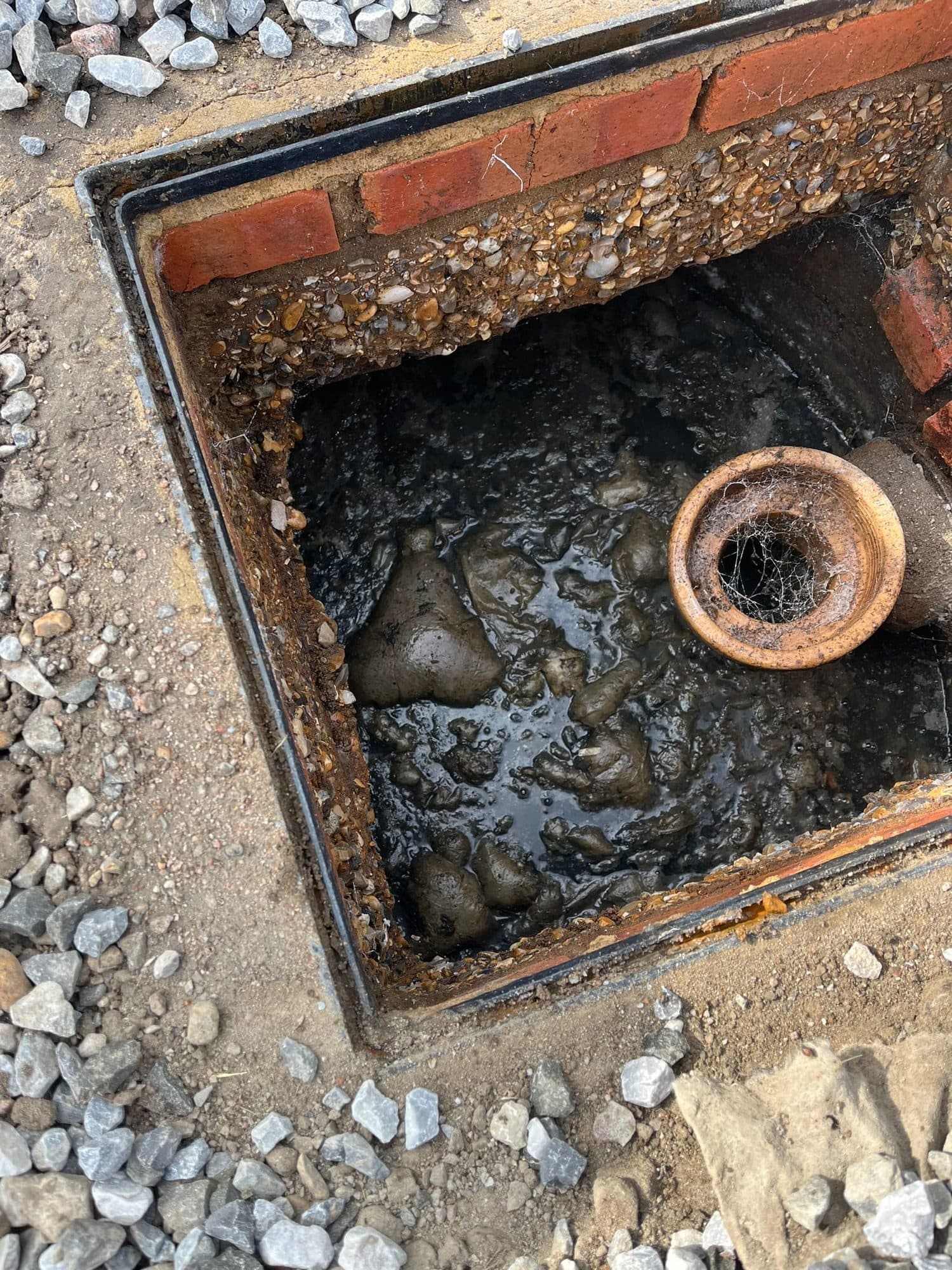
Good maintenance habits reduce costs and keep your septic system performing efficiently. Avoid flushing wipes, fats, or chemicals that can disrupt bacterial balance and cause blockages. Keep a record of servicing and emptying dates to help plan future maintenance. Regular inspections help identify Blocked Drains and Tanks early before they become serious. If you notice slow drainage, gurgling sounds, or unpleasant odours, it’s best to arrange a professional inspection immediately. Preventative care is always more affordable than emergency repair.
Upgrading to a Modern System
For properties with older septic tanks, upgrading to a modern system can be a smart investment. Newer tanks are more efficient, better sealed, and built to meet current environmental standards. In some cases, switching to a sewage treatment plant can also reduce long-term maintenance costs and improve waste processing efficiency. A professional inspection can help determine whether repair or full replacement offers better long-term value.
The Cost of Neglecting a Septic Tank
Neglecting maintenance can lead to serious problems such as overflow, groundwater contamination, or structural collapse. These issues are not only expensive to fix but may also result in legal action if they cause environmental damage. Emergency repairs or system replacement can cost several times more than routine servicing. Keeping up with maintenance ensures compliance and avoids unexpected expenses.
Conclusion
Understanding how much a septic tank costs means considering both installation and ongoing maintenance. While the upfront cost can be significant, regular servicing and responsible use make septic tanks a reliable and cost-effective solution for rural wastewater management. Investing in proper installation, professional servicing, and compliance with environmental regulations helps protect both your property and the surrounding environment. Whether you are installing a new system or maintaining an existing one, consistent care ensures your septic tank continues to work efficiently for many years.