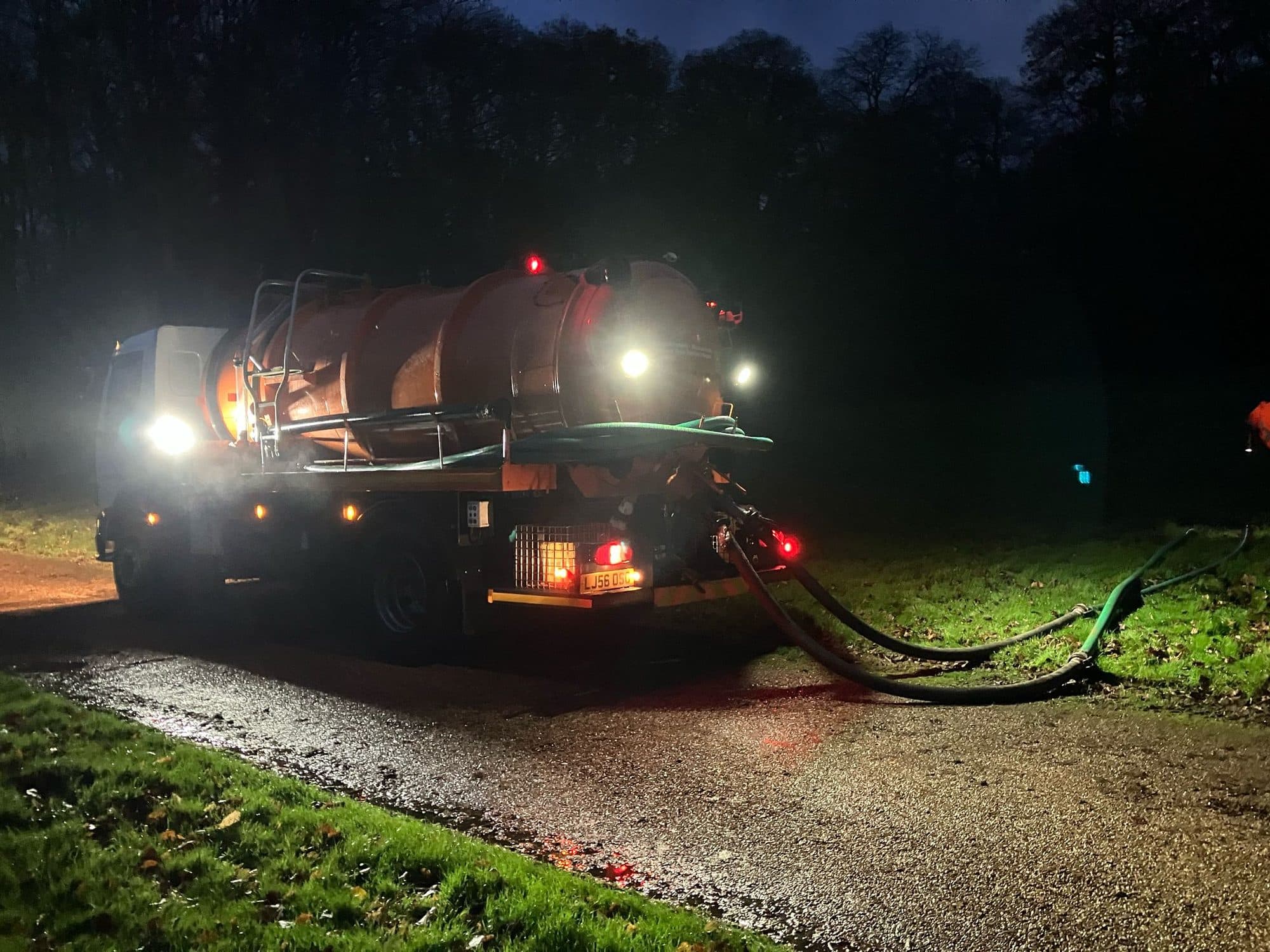
Cesspit emptying in Challock for rural homes, helping prevent overflows, odours, and costly wastewater issues.
At KP Cesspool Services, we carry outregular cesspit emptying in Challock for homes and rural properties that are not connected to the mains sewer. Cesspits are still widely used in the area, but because they store all wastewater without any treatment or discharge, they need frequent emptying to remain safe and reliable. Understanding how a cesspit works and keeping to a proper emptying schedule helps prevent overflows, unpleasant smells, and costly damage.
What a Cesspit Is and How It Works
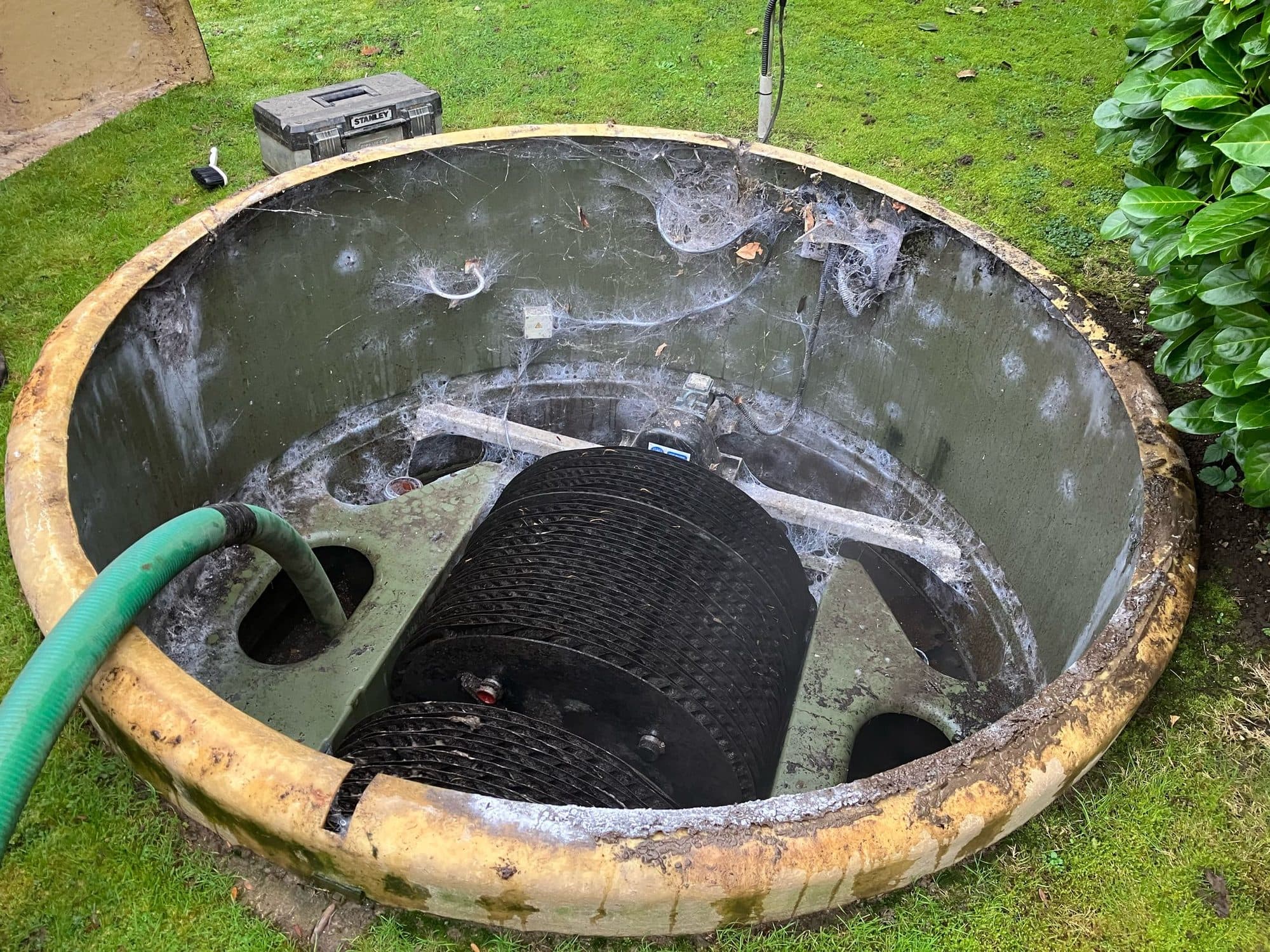
A cesspit is a sealed underground tank that collects all wastewater from a property. Every time water is used in the home, it flows straight into the tank and stays there until it is removed by a registered waste carrier. Unlike septic tanks or treatment plants, there is no breakdown or filtering process inside the tank. Because of this design, routine Cesspool Emptying is essential to keep the system functioning safely in Challock.
Why Regular Emptying Is Essential
Cesspits fill up quickly. When waste levels rise too high, the system has nowhere for wastewater to go. This can lead to slow draining sinks and toilets, strong odours around the property, and in serious cases sewage backing up indoors. Overfilling also increases pressure on the tank structure, which can cause cracks or leaks over time. Regular emptying reduces these risks and helps keep the system safe and manageable.
How Often a Cesspit Should Be Emptied
Most cesspits in Challock need emptying every four to six weeks, although this depends on tank size, household water usage, and the number of people living in the property. Homes with higher water use will see their tanks fill more quickly. We always recommend setting up a regular emptying schedule rather than waiting for warning signs, as problems can escalate rapidly once a cesspit reaches capacity.
What Happens During Cesspit Emptying
When we empty a cesspit, we use a vacuum tanker to remove all liquid and solid waste from the tank. The waste is then taken to a permitted disposal site. During the visit, we also check the condition of the tank, lids, and surrounding ground. This allows us to identify early signs of wear or damage before they become more serious. If we notice restricted flow or pressure in the system, we may also investigate Blocked Drains and Tanks that could be contributing to the issue.
Signs Your Cesspit Needs Emptying
There are several clear signs that a cesspit may be full or close to full. Slow draining sinks or toilets are often the first indication. Gurgling noises from pipework suggest air is being forced back through the system. Strong smells near drain covers or around the tank area usually mean waste levels are high. Outside, damp ground or unusually green grass above the cesspit can indicate rising wastewater. Any of these signs mean emptying should be arranged as soon as possible.
Legal and Environmental Responsibilities
Homeowners in Challock are responsible for maintaining their cesspits properly, which is why we run regular cesspit and septic tank services in Challock rather than waiting for a callout. Although cesspits do not discharge wastewater, they are still regulated to prevent pollution. The Environment Agency expects cesspits to remain sealed, watertight, and emptied often enough to avoid overflow. Waste must always be removed by a registered waste carrier and taken to a permitted disposal site. You are entitled to ask to see a carrier's registration certificate, and keeping the waste transfer note from each visit is your record that the waste left your property lawfully. The General Binding Rules cover septic tanks and treatment plants that discharge treated effluent to the ground, so they do not apply to a sealed cesspit, but causing pollution is an offence whatever type of tank you have.
Preventative Steps Between Emptying Visits
Good daily habits can slow how quickly a cesspit fills. Avoid flushing wipes, sanitary items, fats, or oils, as these increase sludge build up. Fix leaking taps promptly to prevent unnecessary water entering the tank. Spreading water use throughout the day rather than all at once also reduces strain on the system. Regular visual checks around the tank area help spot early changes in ground condition.
When Repairs or Replacement May Be Needed
Over time, cesspits can deteriorate due to age, corrosion, or ground movement. Cracks, leaks, or repeated overflows may indicate the tank is no longer reliable. In these situations, we assess whether repairs are possible or whether replacement would be the safer long term option. For properties needing an upgrade, we can advise on New Tank Installations that meet current standards and offer improved durability.
Choosing a Trusted Emptying Provider
Cesspit emptying must be carried out safely and professionally. We always encourage homeowners to check reviews on trusted platforms such as Checkatrade before choosing a provider. This helps ensure waste is handled correctly and disposed of in line with regulations.
Conclusion
Cesspit emptying in Challock is essential for keeping private wastewater systems safe, compliant, and reliable. At KP Cesspool Services, we help homeowners manage their cesspits through regular emptying, inspections, and clear advice. With the right schedule, early attention to warning signs, and responsible use, a cesspit can continue to operate smoothly without unexpected problems throughout the year.