
Find out about treatment plant servicing and repair in Winchelsea, why maintenance matters, and how to keep your system compliant.
Many homes and businesses in Winchelsea rely on private sewage systems rather than the mains network. In rural and coastal areas, treatment plants are one of the most effective ways to manage wastewater safely and sustainably. These systems work continuously and require regular servicing to stay efficient and compliant with environmental regulations. This guide explains everything you need to know about treatment plant service and repair in Winchelsea, including how these systems operate, why maintenance is essential, and when professional help is required.
What Is a Sewage Treatment Plant?
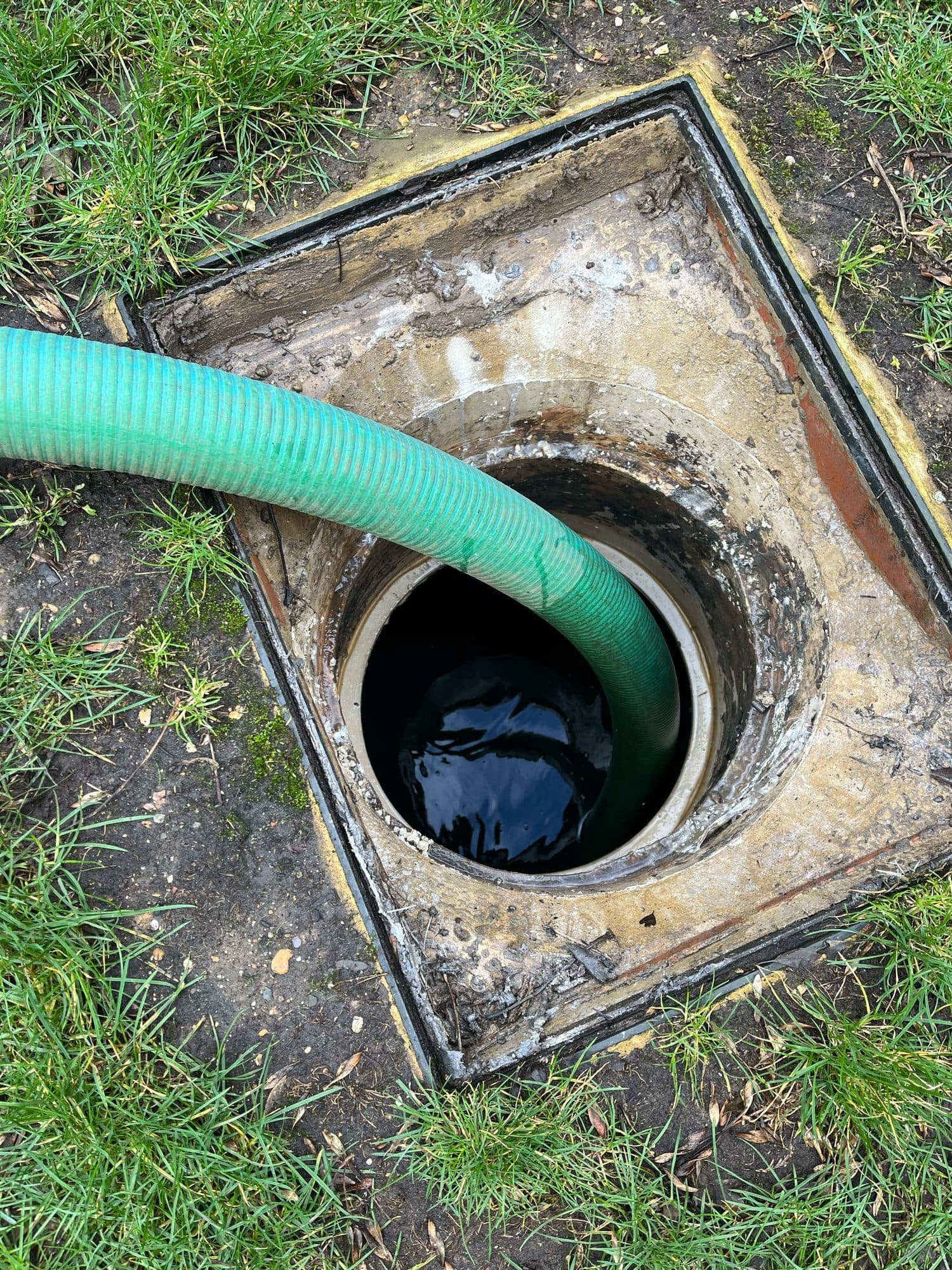
A sewage treatment plant is an advanced system designed to treat wastewater from toilets, kitchens, and bathrooms, making it safe to release back into the environment. Unlike a cesspool, which simply stores waste, a treatment plant actively processes it through biological and mechanical means. The system separates solids, encourages bacterial breakdown, and filters the liquid to remove contaminants. This treated water can then be safely discharged into a soakaway or watercourse. To keep this process working correctly, routine Treatment Plant Servicing and Repairs are essential. Without maintenance, the system can become inefficient, create odours, or even fail completely.
Why Servicing Is Important
Treatment plants play a vital role in protecting the local environment around Winchelsea, particularly given the proximity to coastal and protected areas, which shapes how we approach our septic tank and cesspool services in Winchelsea. Regular servicing helps maintain safe operation, ensures clean discharge, and extends the life of the system. A properly maintained plant operates quietly and efficiently, reducing the risk of pollution or costly repairs. Servicing includes checking electrical and mechanical components, testing aeration systems, and assessing bacterial activity within the chambers. It also ensures compliance with Environment Agency standards. A neglected system can lead to blocked pipes, overflows, or contamination, all of which can be expensive to fix and damaging to the surrounding environment.
How Often Should a Treatment Plant Be Serviced?
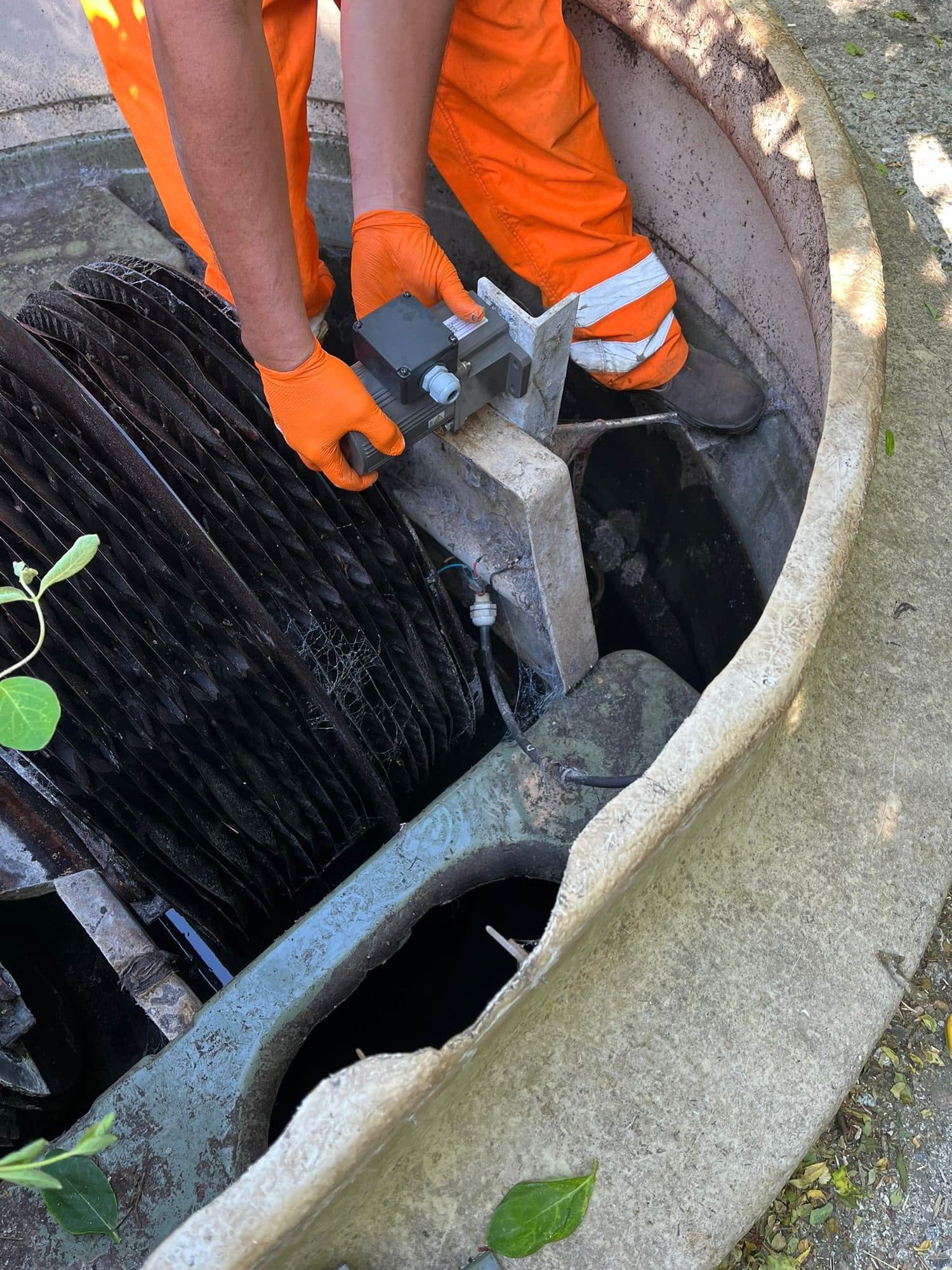
The recommended service interval for most treatment plants is once every 12 months, although some systems in high-use properties may need more frequent attention. During a typical service, engineers will check the air pump, clean diffusers, remove any sludge build-up, and test electrical controls. They will also inspect the outflow to ensure the treated water meets environmental discharge requirements. Regular maintenance keeps the system running efficiently and prevents long-term damage caused by neglect or mechanical wear.
Common Treatment Plant Issues
Even with regular care, treatment plants can experience problems over time. Common issues include pump or blower failure, electrical faults, and sludge build-up. Other signs of trouble may include bad smells, gurgling sounds from drains, or unusually wet ground near the discharge area. In some cases, harmful cleaning products can disrupt the natural bacteria inside the system, reducing its ability to process waste effectively. If these symptoms appear, it’s important to arrange a professional inspection immediately. Local engineers familiar with treatment plant service and repair in Winchelsea can diagnose and resolve faults quickly before they develop into larger issues.
Professional Treatment Plant Repairs in Winchelsea
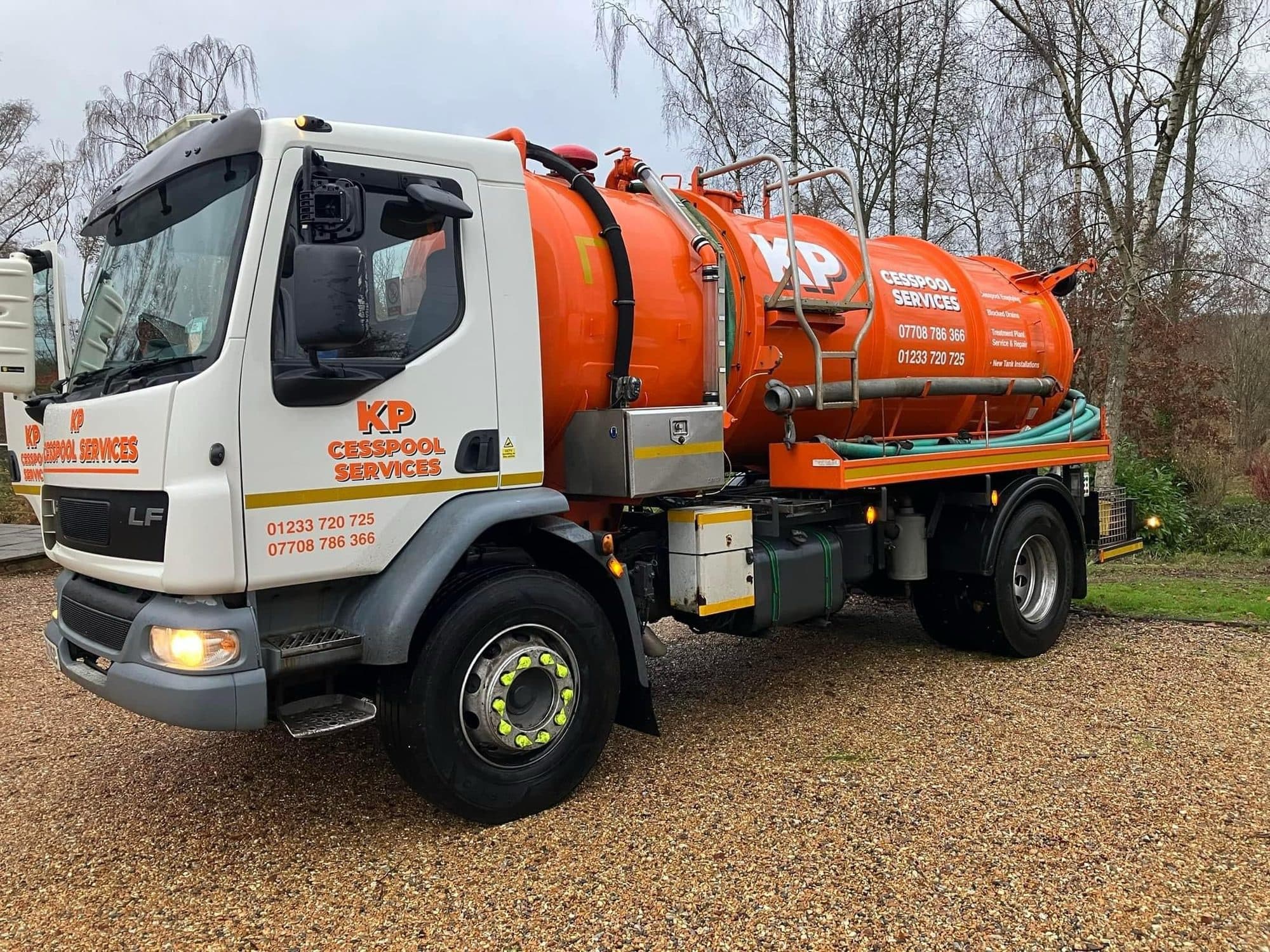
When faults occur, prompt and professional repair is essential. At KP Cesspool Services, our experienced team provides efficient and compliant repair work throughout Winchelsea and the surrounding area. We specialise in Treatment Plant Installation, ongoing servicing, and full system repairs. Our engineers carry out detailed diagnostics to identify the problem before recommending the most effective solution. In many cases, faults can be fixed on-site without major disruption. However, if the system is outdated or beyond repair, we also provide New Tank Installations and upgrades to more modern, efficient units. All repair and installation work meets the latest UK environmental and safety standards.
Legal Compliance and Environmental Responsibility
In the UK, owners of treatment plants must ensure their systems comply with the General Binding Rules, which govern the safe discharge of treated wastewater. These rules require that all systems be properly maintained to avoid pollution of groundwater or nearby streams. Non-compliance can result in fines or enforcement notices. Regular servicing helps ensure your plant operates safely and remains within legal limits. It also supports long-term environmental protection, which is especially important in areas like Winchelsea that are close to sensitive coastal ecosystems.
Preventing Future Problems
Preventative care is the best way to avoid expensive repairs. Homeowners and businesses can take a few practical steps to protect their systems. Avoid flushing items like wipes, fats, and harsh chemicals that can block or damage internal components. Arrange yearly maintenance with a qualified engineer and keep detailed records of every service. If you notice signs of slow drainage or unusual odours, address them early before they worsen. It’s also wise to keep an eye out for Blocked Drains and Tanks, as these can interfere with the performance of the treatment system. Proactive maintenance ensures reliability, saves money, and supports environmental safety.
The Cost of Servicing and Repairs
The cost of servicing or repairing a treatment plant in Winchelsea depends on its size, type, and condition. Routine servicing typically costs between £150 and £300, while more complex repairs, such as electrical work or pump replacement, may be higher. Investing in regular maintenance helps avoid emergency breakdowns and extends the lifespan of your system. In comparison, replacing a neglected or damaged system can be significantly more expensive. Keeping your treatment plant well-maintained is therefore both a practical and economical choice.
Upgrading to a Modern System
Older treatment plants can become inefficient or fail to meet current standards. If your system frequently breaks down or produces poor-quality discharge, upgrading may be the best option. Modern treatment plants are more energy-efficient, quieter, and require less maintenance. Professional assessment from a trusted provider can determine whether your existing setup can be repaired or if a new installation would offer better performance. Upgrading to a compliant system ensures long-term reliability and full environmental protection for your property.
Conclusion
Reliable Treatment Plant Service and Repair in Winchelsea is vital for keeping wastewater systems operating safely and efficiently. Regular servicing prevents costly breakdowns, ensures legal compliance, and helps protect the local environment. Whether you require annual maintenance, urgent repairs, or advice on upgrading your existing system, working with a professional team ensures your treatment plant remains in top condition. Proper care will extend the life of your system, reduce running costs, and provide peace of mind that your property is managing wastewater responsibly.