Repair or replace an older treatment plant in Broad Oak? How to judge it, what a service tells you about the plant's future, and what a new one involves.
Plenty of the treatment plants serving homes around Broad Oak are no longer new. When one starts needing attention every few months, the question changes from how to fix it to whether it is worth fixing. This guide is about making that call. It covers what wears out on an ageing plant, what a proper service tells you about its future, when a repair still makes sense, and what replacing a plant actually involves, so you can decide with the facts in front of you rather than after the next breakdown.
What ages on a treatment plant
A plant has two kinds of parts, and they age very differently.
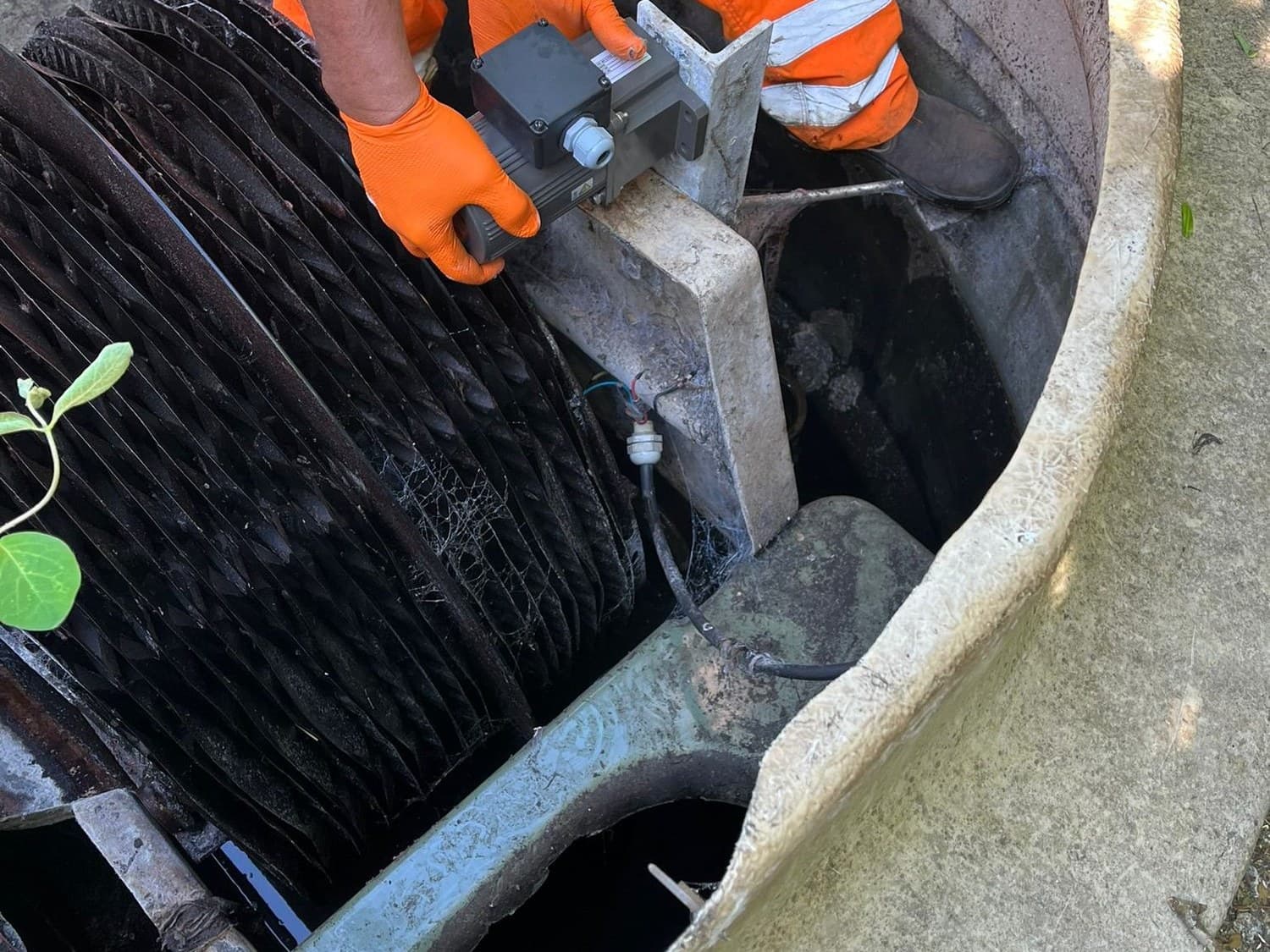
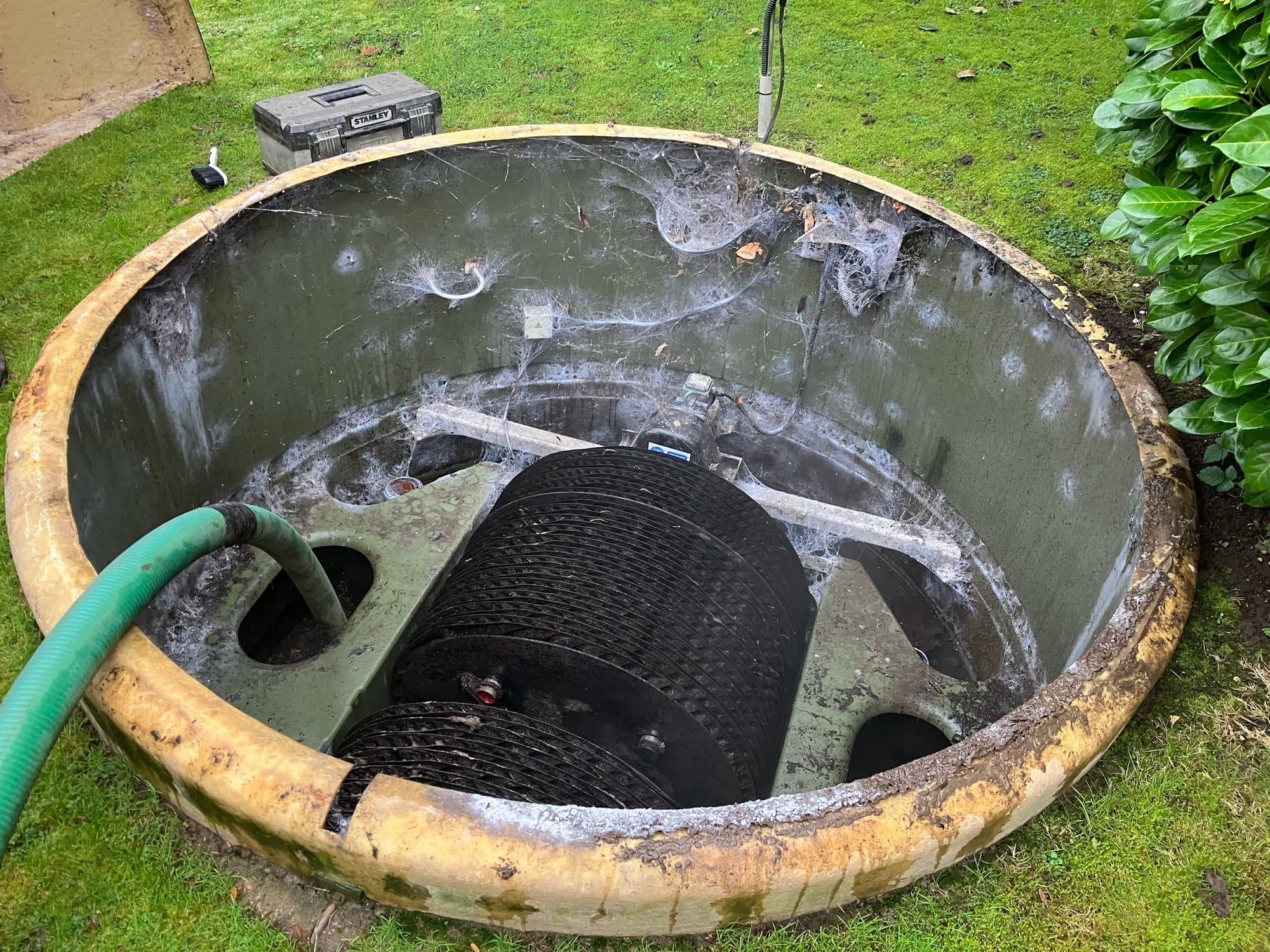
The moving parts wear out on a fairly predictable cycle. Blowers and air pumps, motors, gearboxes, bearings, float switches and the electrics are all designed to be replaced during the plant's life. Needing a new blower after several years is normal and is not a sign the plant is finished.
The tank is different. It is meant to last for decades, and when it starts to fail the plant usually goes with it. Cracks in the shell, a tank that has moved or lifted in the ground, failed internal baffles and corroded fixings are the signs that matter. A plant with a sound tank is almost always worth repairing. A plant with a failing tank rarely is.
What a service tells you
A thorough service is the best way to find out which of those you are dealing with. Besides cleaning and checking the working parts, we look at the tank itself, the internal walls and partitions, the connections in and out, and the state of the media or discs that the bacteria live on. We also look at what is leaving the plant. A clear outlet from a plant that is working hard to stay running is a very different picture from a cloudy one that suggests it has stopped treating properly.
You come away knowing whether the plant needs a part, a series of parts, or a decision. What to expect from treatment plant servicing walks through the visit.
When a repair is still the right answer
Repair when the tank is sound and the fault is one of the replaceable parts, even an expensive one. A new motor or blower on a sound tank buys years more service. Repair, too, when the plant is still the right size for the house and still discharges somewhere the rules allow.
It is worth remembering that a plant's discharge has to meet the General Binding Rules, which require it to be kept in good working order by someone competent. A plant that has been patched but no longer treats properly is not compliant just because it is running.
When replacement makes more sense
Replace when the tank itself is failing, when the plant needs major parts year after year, or when it is simply too small for the household it now serves. A plant sized for two people in a house that now sleeps six will struggle whatever you spend on it.
Replacement is also the moment to look again at where the treated water goes. A ditch that dries up in summer is not an acceptable outlet under the binding rules, and a new discharge near a protected site, or within 30 metres of a public sewer, may need a permit or a sewer connection instead. If the old plant has been discharging somewhere it should not, a replacement puts that right.
What a new plant involves
A new plant needs building regulations approval, and sometimes planning permission. It is sized on the number of people the property can sleep, it should be tested to BS EN 12566, and it needs a power supply and room for a tanker to reach it. The old tank is emptied and taken out or made safe, the new one is set on a proper base and backfilled, and the plant is commissioned before we leave. Our treatment plant installation page covers the job, and what a sewage treatment plant installation costs explains what moves the price.
Keeping a sound plant going
If the verdict is repair, the way to keep it is a regular service and desludging when the manufacturer says, along with a few habits at home. Keep wipes, cooking fat and heavy bleach out of the drains, because they upset the bacteria the plant depends on. Fix dripping taps, because clean water running through is capacity the plant has to handle for nothing. How long a treatment plant lasts explains how long each part should give you.
Treatment plants in Broad Oak
Our treatment plant work in Broad Oak covers servicing, repairs, desludging and replacement, and our treatment plant servicing and repairs page has the detail. If you are weighing up a repair against a replacement, ask us for a service first and we will tell you honestly which side of the line your plant is on.
KP Cesspool Services has over twenty years' experience with private drainage across Kent and East Sussex, and you can read our reviews on Checkatrade. Call 01233 720725, email kpcesspoolservices@hotmail.com, or contact us to book a service.
Need a hand with yours?
We cover Kent and East Sussex 24 hours a day. Ring us and a real person will pick up, whatever time it is.