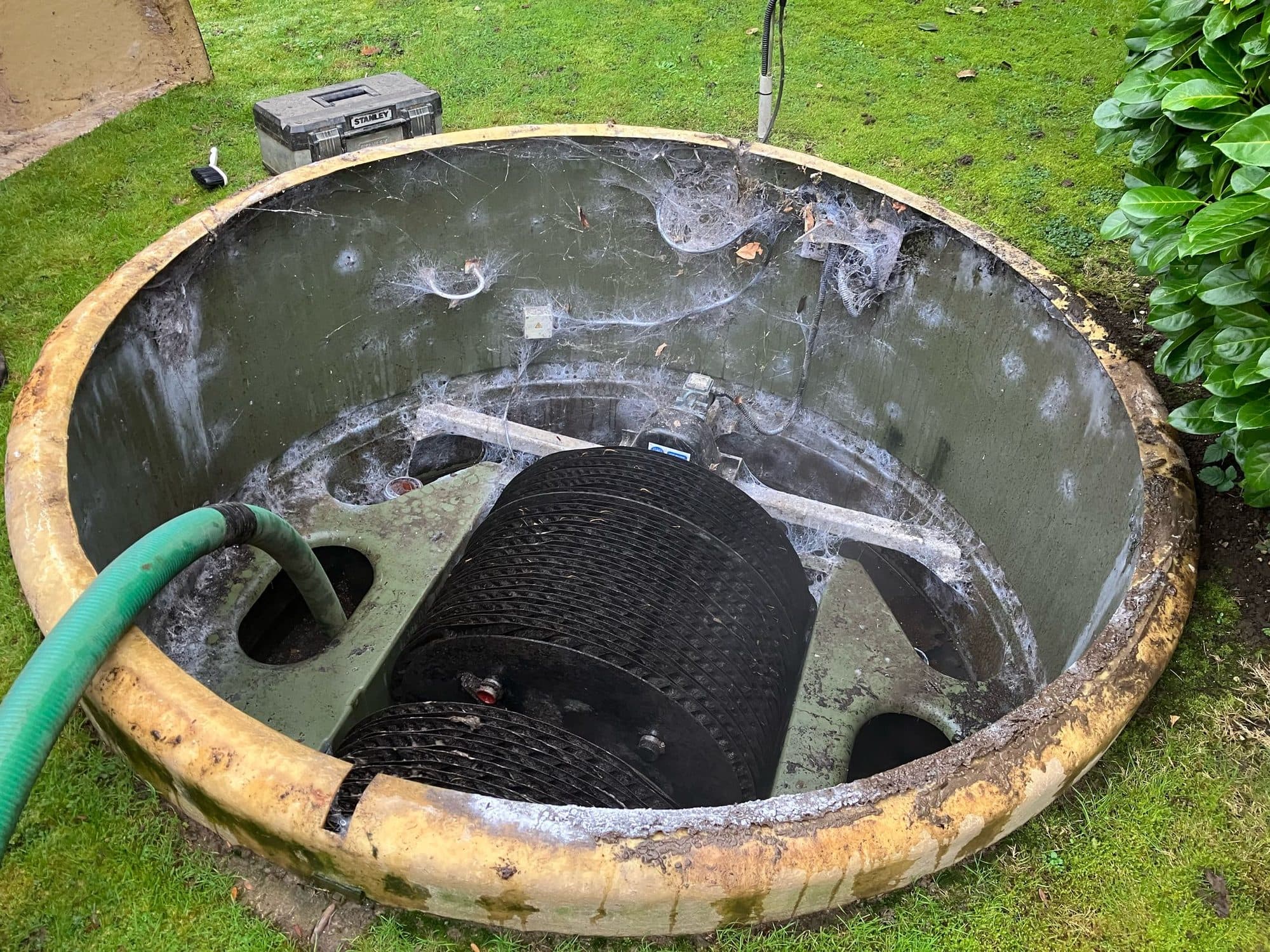
What happens when a cesspool overflows, warning signs to watch for and how regular emptying prevents drainage issues.
At KP Cesspool Services, we occasionally receive urgent calls from homeowners when a cesspool overflows. A cesspool is designed to store wastewater from a property, and because it does not treat or discharge waste, it must be emptied regularly. When a cesspool overflows, it usually means the tank has reached capacity or a drainage problem is preventing wastewater from entering the tank properly. Understanding what happens when a cesspool overflows helps homeowners recognise the warning signs early and prevent serious disruption.
Why a Cesspool Overflows
A cesspool overflow usually occurs when the tank becomes full and cannot accept any more wastewater. Because the system has no outlet pipe, once the tank reaches capacity there is nowhere for incoming wastewater to go. This can cause wastewater to back up through the drainage system inside the property.
Another possible cause is restricted pipework leading to the tank. If pipes become blocked or damaged, wastewater may struggle to reach the cesspool, causing pressure to build up in the system. In these situations, the issue may also involve Blocked Drains and Tanks that need professional attention.
Signs a Cesspool Is Close to Overflowing
Cesspools usually give several warning signs before an overflow occurs. Slow draining sinks, baths, and toilets are often the first indication that the tank is approaching capacity. Gurgling sounds in pipework can suggest wastewater is struggling to move through the system. Strong smells around drains or near the tank area may also indicate that waste levels are rising.
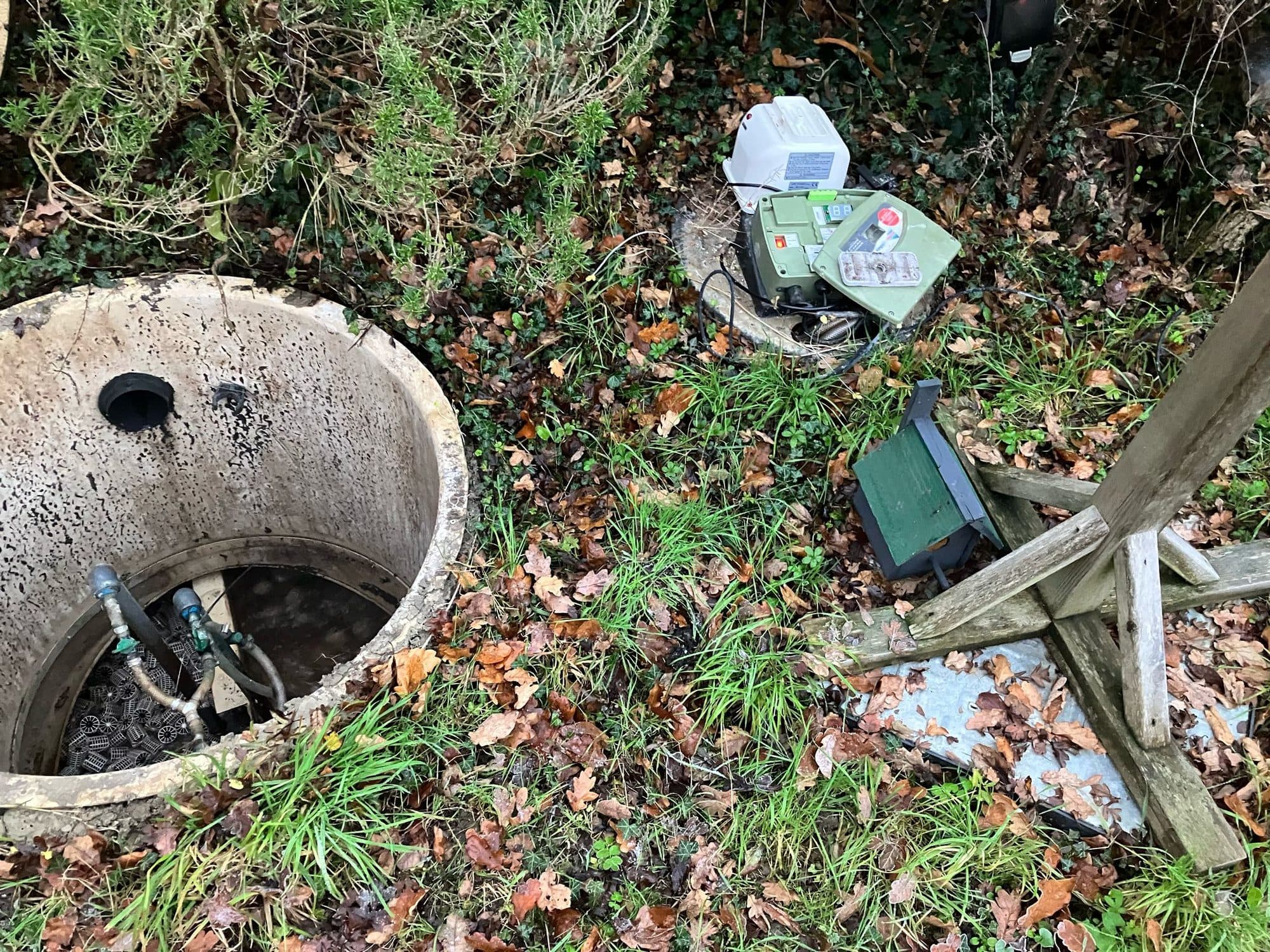
Outside, damp patches in the ground above the cesspool or unusually green grass may appear if wastewater is close to the surface. These signs should never be ignored, as they often mean the tank requires urgent emptying.
What Happens During an Overflow
When a cesspool overflows, wastewater may begin backing up through the property’s drainage system. Toilets may fail to flush properly, sinks may not drain, and wastewater may appear in the lowest drainage points of the home. In some cases, waste may also escape around the tank cover or nearby ground if pressure inside the tank becomes too high.
Overflowing wastewater presents hygiene risks and can contaminate surrounding soil. Immediate action is required to remove the waste and restore the system to normal operation.
Environmental Risks
An overflowing cesspool can cause environmental damage if wastewater reaches nearby land or watercourses. Raw sewage contains bacteria and pollutants that can harm wildlife and contaminate groundwater. The Environment Agency expects private wastewater systems to be managed responsibly to prevent pollution.
Although cesspools do not discharge wastewater under normal operation, an overflow can still lead to environmental concerns if the system is not maintained properly. The General Binding Rules cover septic tanks and treatment plants that discharge treated effluent to the ground, so they do not apply to a sealed cesspool. Causing pollution is an offence in its own right, and the Environment Agency or the local council can require a cesspool that is leaking or in poor condition to be repaired or replaced.
Preventing Cesspool Overflows
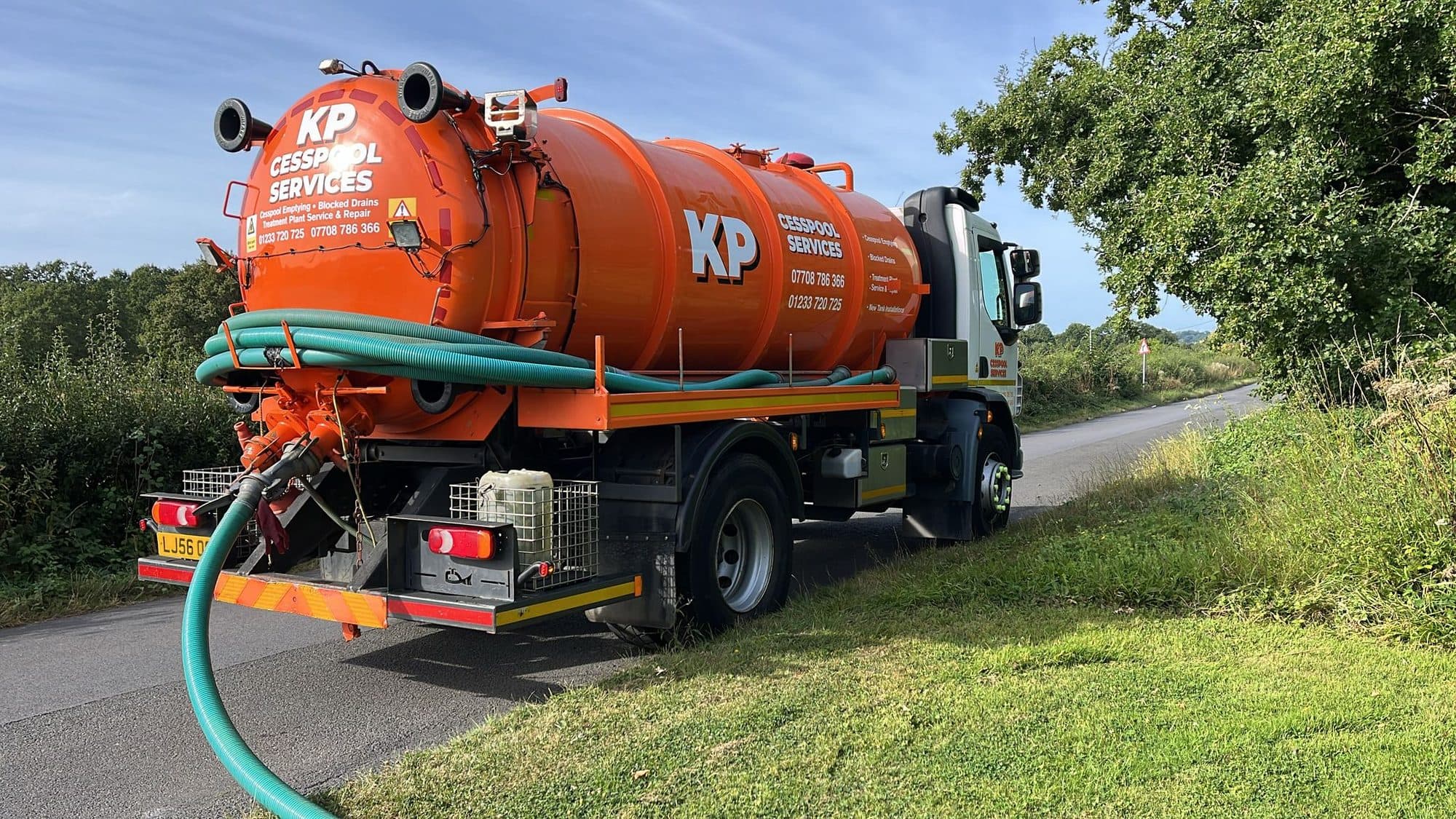
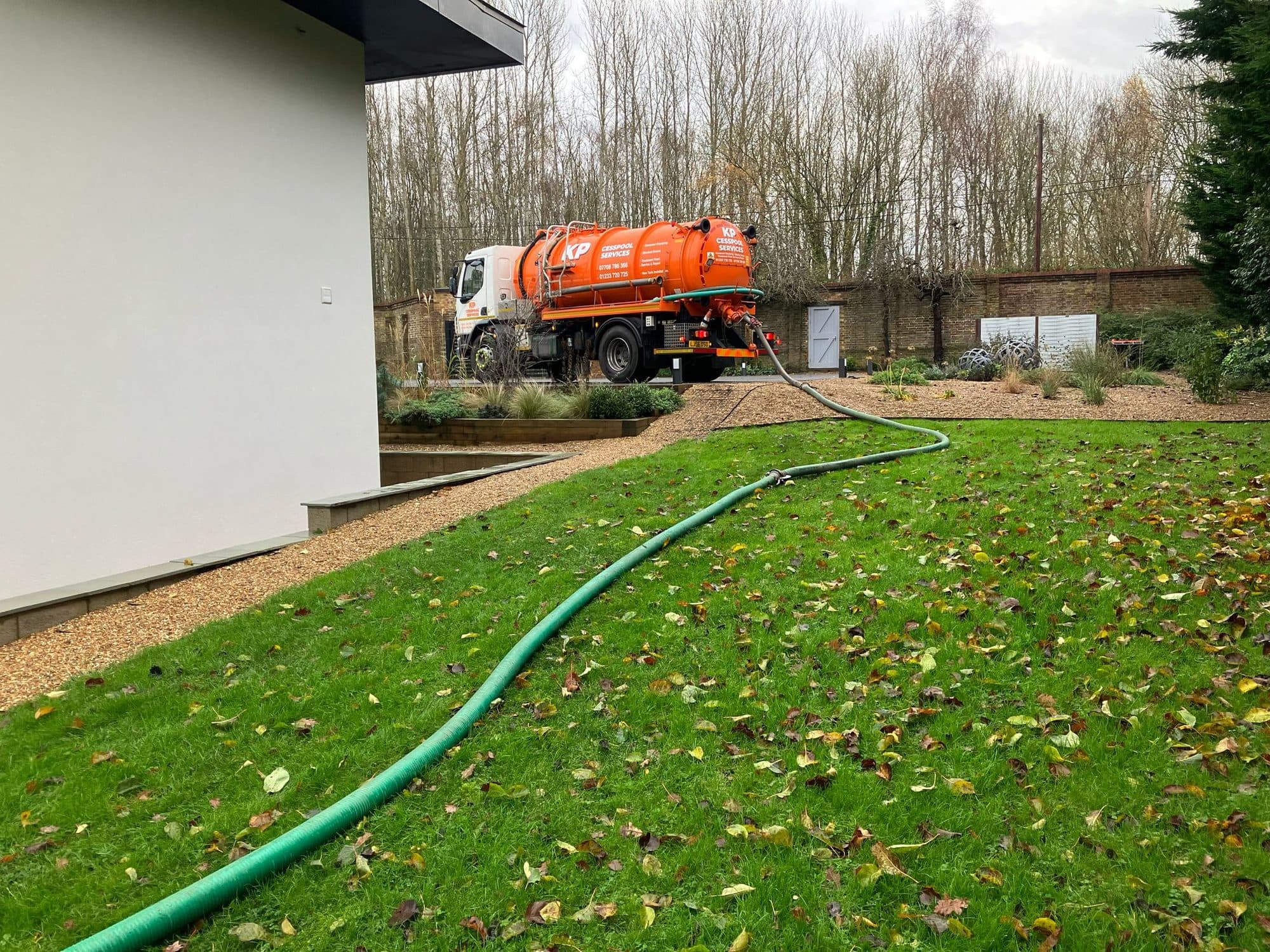
The most effective way to prevent a cesspool overflow is to keep to a regular maintenance schedule. Routine Cesspool Emptying ensures the tank never reaches capacity. Most cesspools require emptying every few weeks, although the exact frequency depends on the tank size and the number of people living in the property.
Homeowners can also reduce strain on the system by avoiding excessive water use and by not flushing unsuitable items such as wipes or sanitary products. Small changes in daily habits can significantly extend the time between emptying visits.
What to Do if Your Cesspool Overflows
If you suspect your cesspool is overflowing, it is important to reduce water use immediately to prevent further pressure on the system. Avoid using washing machines, dishwashers, or running taps until the problem has been resolved. Arranging emergency emptying will usually restore capacity and allow wastewater to flow normally again.
During the visit, the tank and surrounding drainage system should also be checked for any additional issues that may have contributed to the overflow. Identifying the underlying cause helps prevent the same situation from happening again.
Choosing a Trusted Service Provider
Handling wastewater safely requires experience and proper equipment. We always recommend checking reviews on trusted platforms such as Checkatrade before choosing a provider. Professional servicing ensures waste is removed and disposed of correctly, protecting both your property and the environment.
Conclusion
A cesspool overflow can cause disruption, unpleasant conditions, and potential environmental risks. However, most overflows are preventable with regular maintenance and early attention to warning signs. At KP Cesspool Services, we help homeowners keep their systems operating safely through routine emptying and practical advice. If you believe your cesspool may be close to overflowing or need urgent assistance, contact us and we will be happy to help.