Cesspool emptying explained, covering inspection, waste removal, safe disposal, and why regular emptying is essential.
At KP Cesspool Services, we often speak to homeowners who know their cesspool needs emptying but are unsure what actually happens during the process. Because cesspools store all wastewater without treating or discharging it, emptying is a vital part of keeping the system safe, legal, and reliable. Understanding what happens during a cesspool emptying helps remove uncertainty and shows why using a licensed and experienced provider matters.
Preparing for a Cesspool Emptying
Before we arrive, very little preparation is usually required from the homeowner. We simply need clear access to the cesspool and its inspection cover. If the cover is hidden or overgrown, exposing it beforehand helps the visit run smoothly. Once on site, we confirm the location of the tank and assess access for the vacuum tanker. Safe access is important to ensure the emptying can be completed efficiently without disturbing the surrounding area.
Opening and Inspecting the Cesspool
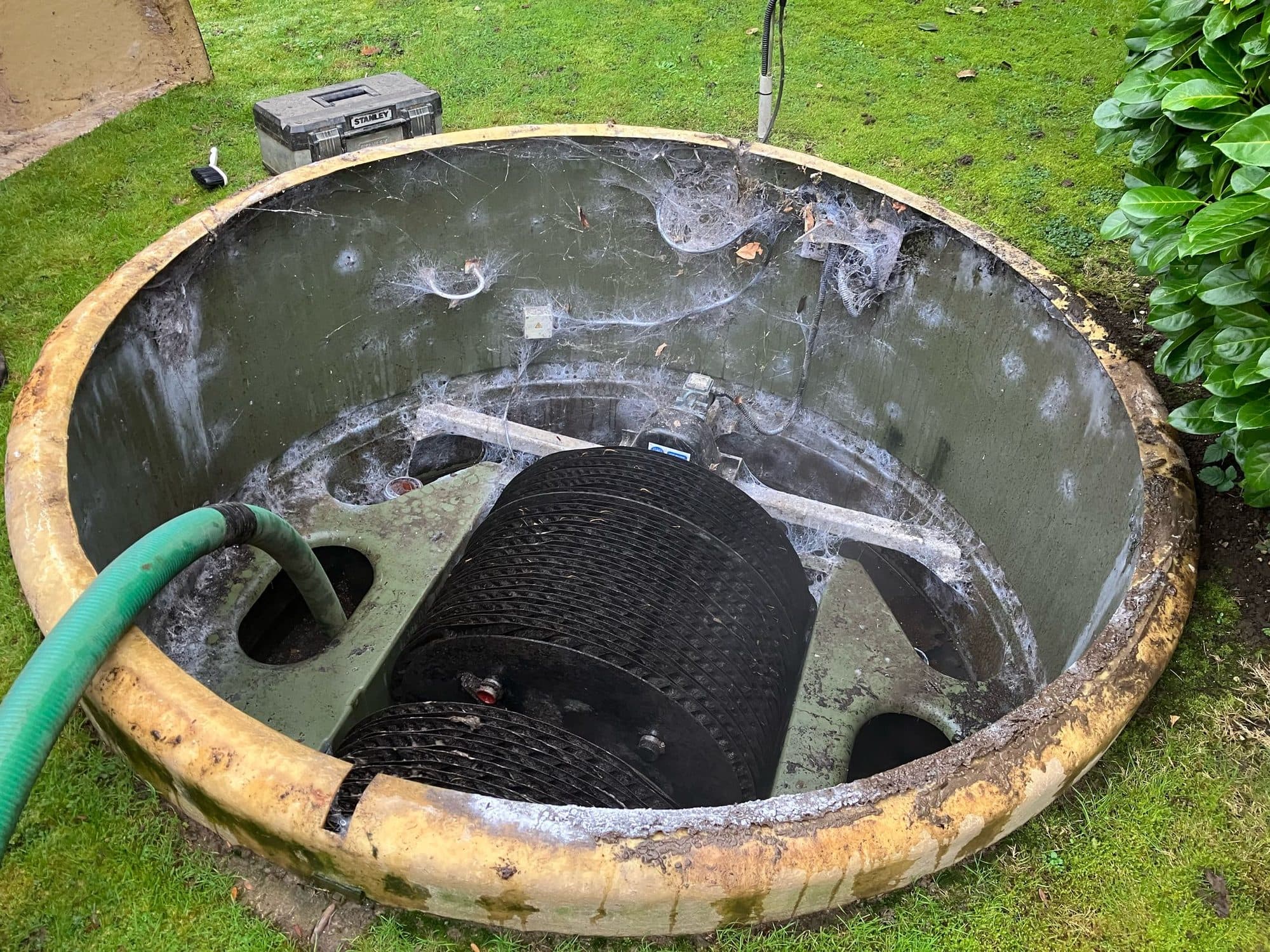
Once access is confirmed, we carefully open the cesspool cover and carry out a visual inspection. This allows us to check the current waste level and assess the general condition of the tank. We look for signs of structural damage, cracks, or issues with the cover that could affect safety or performance. This inspection helps identify early problems before they develop into more serious faults.
Removing the Waste
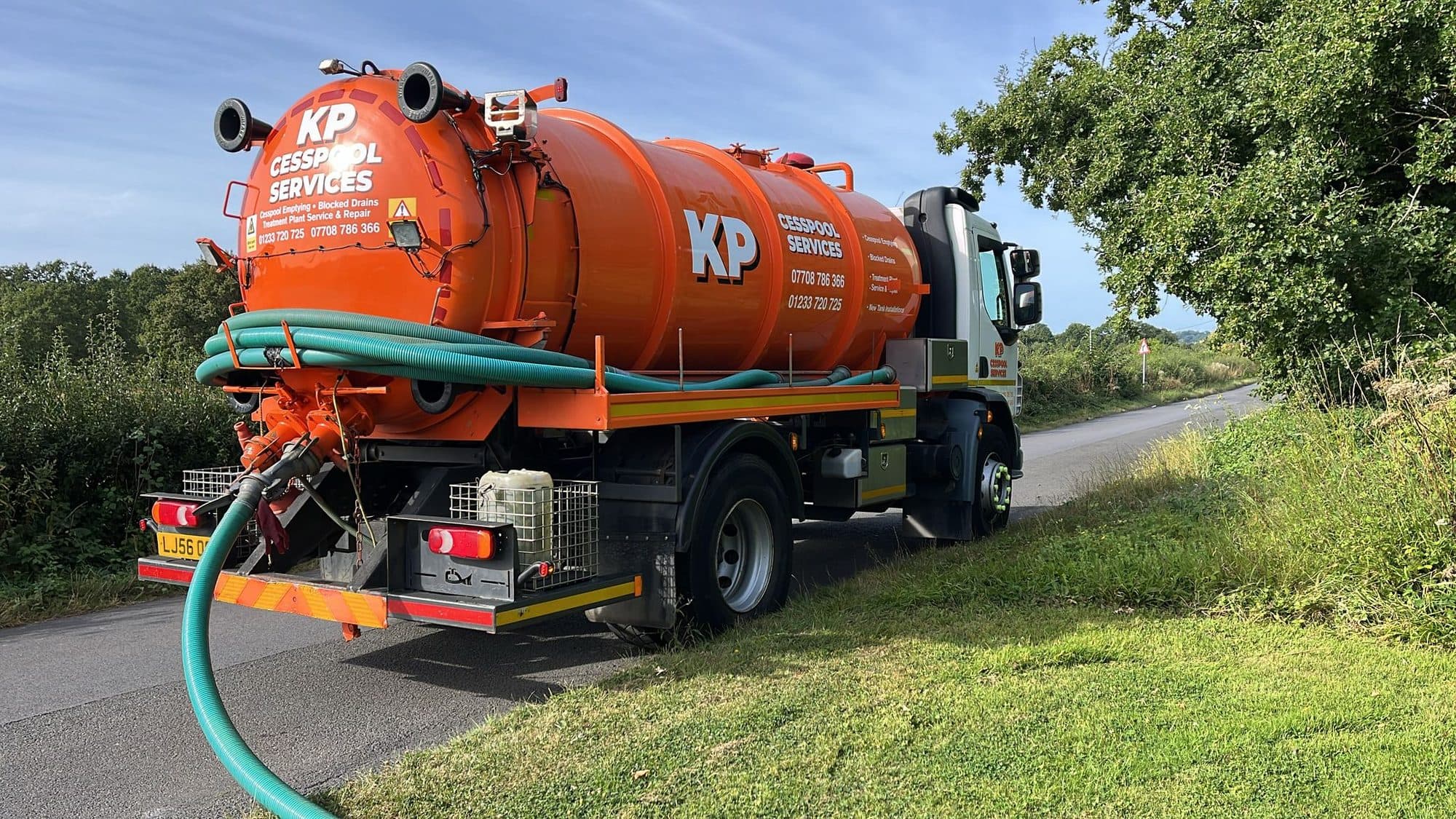
The main part of Cesspool Emptying involves using a vacuum tanker to remove all liquid and solid waste from the tank. A hose is connected to the cesspool, and powerful suction is used to extract the contents. Because cesspools are sealed systems, all waste must be removed during each visit. The process is controlled and contained to prevent spills or odours escaping.
Transporting the Waste Safely
Once the cesspool is fully emptied, the waste is sealed inside the tanker and transported to a permitted disposal site. This step is essential, as wastewater must be handled and disposed of in line with environmental regulations. Using a registered waste carrier ensures the waste is treated correctly and does not pose a risk to people or the environment.
Checking the Condition of the Tank
After emptying, we inspect the inside of the cesspool more closely. With the tank empty, it is easier to spot cracks, leaks, or signs of wear. We also check inlet pipes to ensure wastewater can flow freely into the tank. If we identify any issues, we explain what we have found and advise on whether repairs or monitoring are needed. In some cases, repeated problems may indicate the need for New Tank Installations to restore long term reliability.
Identifying Related Drainage Issues
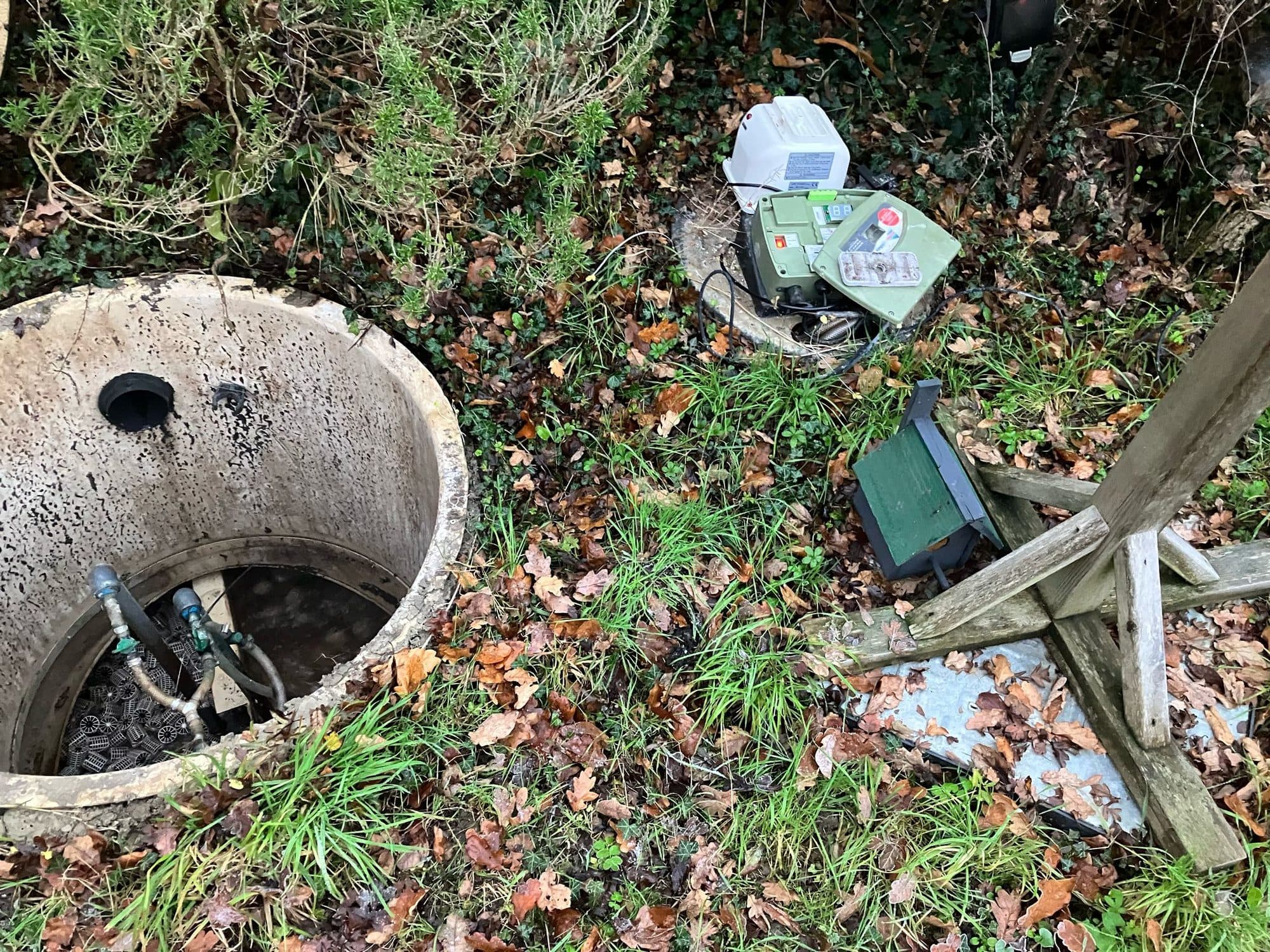
During a cesspool emptying, we may also identify issues with drainage leading into the tank. Slow flow or visible residue around the inlet pipe can indicate developing problems. In these cases, the issue may be linked to Blocked Drains and Tanks, which can worsen if left untreated. Addressing these early helps prevent wastewater backing up into the property.
Why Emptying Must Be Done Regularly
Cesspools fill quickly because they store all wastewater from the home. If emptying is delayed, waste levels can rise to the point where the system becomes unsafe. This can lead to smells, slow drainage, and even sewage backing up inside the property. Regular emptying also reduces pressure on the tank walls, lowering the risk of cracks or leaks that could cause environmental contamination.
Environmental and Legal Responsibilities
Homeowners are responsible for ensuring their cesspool does not overflow or pollute surrounding land. The Environment Agency expects cesspools to remain sealed and be emptied often enough to prevent environmental harm. The General Binding Rules are often quoted at cesspool owners, but they cover septic tanks and treatment plants that discharge treated effluent to the ground, so a sealed cesspool sits outside them. What does apply is straightforward. Keep the tank sealed and in good condition, never let it overflow, and have the waste removed by a registered waste carrier who takes it to a permitted disposal site. You can ask to see the carrier's registration certificate and should keep the waste transfer note from each visit.
Choosing a Trusted Provider
Cesspool emptying should always be carried out by experienced professionals. We encourage homeowners to check reviews on trusted platforms such as Checkatrade before choosing a provider. Proper handling of wastewater is essential for safety, compliance, and peace of mind.
Conclusion
Understanding what happens during a cesspool emptying shows why it is such an important part of managing a private wastewater system. From inspection and waste removal to safe disposal and condition checks, each step plays a role in keeping the cesspool safe and reliable. At KP Cesspool Services, we carry out professional cesspool emptying with care and attention to detail, helping homeowners protect their property and meet their responsibilities with confidence.