Learn how treatment plant emptying in Winchelsea works, why regular sludge removal matters, and the signs your system needs servicing
Many homes in Winchelsea rely on private wastewater systems, and treatment plants are one of the most common solutions. These systems process waste on site, but they still need routine emptying to stay efficient and safe. When waste levels build up, performance drops, odours begin to form, and the risk of breakdown increases. This guide explains everything you need to know about treatment plant emptying in Winchelsea, including how the systems work, why emptying is necessary, and the signs that your plant needs professional attention.
How a Treatment Plant Works
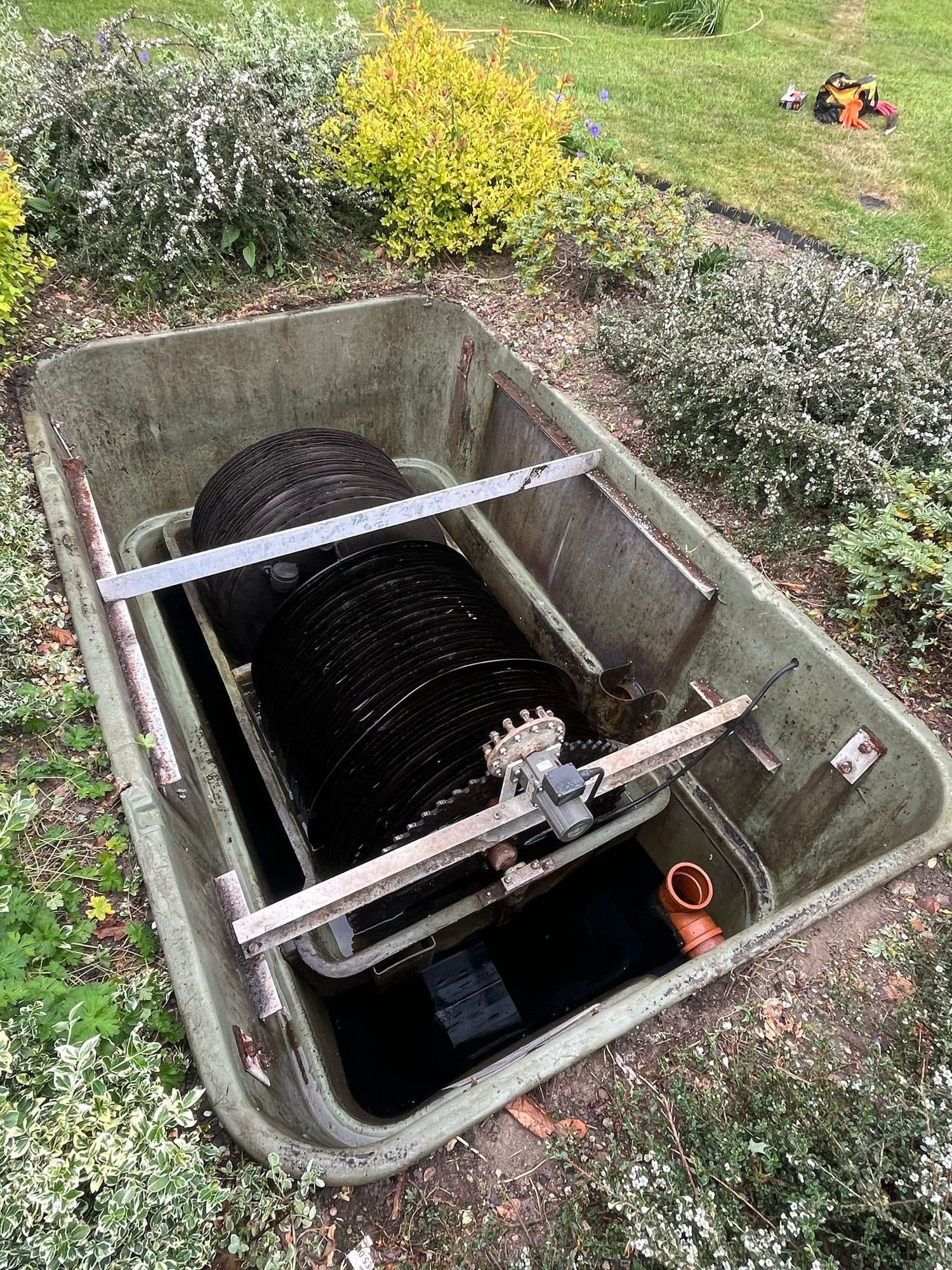
A treatment plant processes wastewater through settlement, aeration, and final clarification. During treatment, solids settle out and form sludge at the bottom of the tank. Although the system treats water before discharge, the sludge remains inside the unit. Over time this sludge builds up and must be removed through scheduled emptying. If sludge levels become too high, the system may fail, leading to odours, poor water quality, and possible environmental harm. When a treatment plant shows signs of reduced performance, engineers may also advise on Treatment Plant Servicing and Repairs to restore safe operation.
Why Emptying Is Important
Regular emptying keeps the plant working as designed. Sludge that is not removed will affect each stage of treatment, especially settlement and aeration. When the plant becomes overloaded, discharge water quality can drop below the standard required by environmental regulations. This may lead to pollution of nearby land or waterways. Professional emptying ensures the plant remains compliant with the Environment Agency rules and reduces the chance of costly breakdowns.
How Often a Treatment Plant Should Be Emptied
The frequency depends on the size of the plant, the number of people living in the property, and daily water use. Most domestic treatment plants in Winchelsea need emptying once a year, although busy households may require more frequent visits. A technician can measure sludge depth during routine checks and advise when the tank needs servicing. Leaving emptying too long increases pressure on the system, leading to operational issues and possible damage.
What Happens During a Treatment Plant Emptying
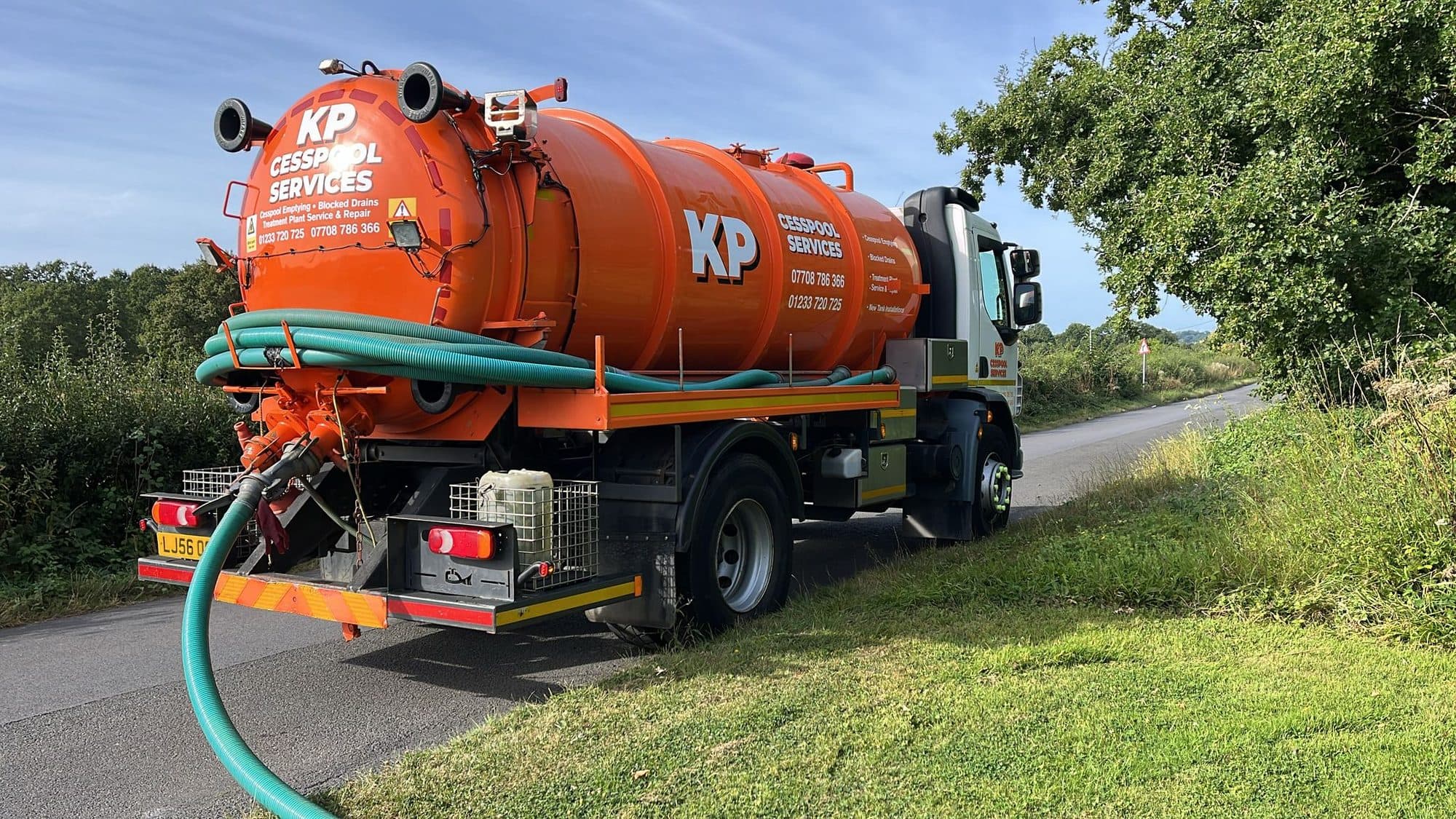
A vacuum tanker removes the sludge from the base of the plant without disturbing the working parts. The engineer will then check the system for signs of blockages, wear, and structural issues. If repairs or adjustments are needed, they can often be arranged during the same visit. If damage is found, a full service or future upgrade may be discussed. When a system reaches the end of its life, some households choose Treatment Plant Installation as a long term solution.
Signs a Treatment Plant Needs Emptying
There are several early indicators that your treatment plant in Winchelsea may be overdue for emptying. Slow flowing drains, noise from the aeration chamber, and increased smells around the tank area often suggest that sludge levels are high. Water in the final chamber may appear cloudy or contain small particles. These issues do not improve on their own and should be checked promptly to stop the plant from failing. If waste begins backing up or the ground becomes wet around the unit, emergency attention is required. If problems extend to the household pipework, prompt action can prevent further issues linked to Blocked Drains and Tanks.
Regulations for Treatment Plants
Homeowners must follow national rules for private wastewater systems to protect the environment. The General Binding Rules outline how treatment plants must be operated and maintained. Failure to follow these standards can lead to pollution or enforcement action. Regular emptying, proper servicing, and keeping records of maintenance help ensure full compliance.
Preventative Maintenance
Good care makes a noticeable difference to how a plant performs, and it is the clearest pattern in our treatment plant work in Winchelsea. Avoid putting fats, oils, chemicals, and wipes into the system, as these block aeration and increase sludge build up. Fixing dripping taps and managing water use can slow the rate at which the tank fills. An annual inspection helps identify early issues and prevents larger faults from developing.
Repairs and Upgrade Options
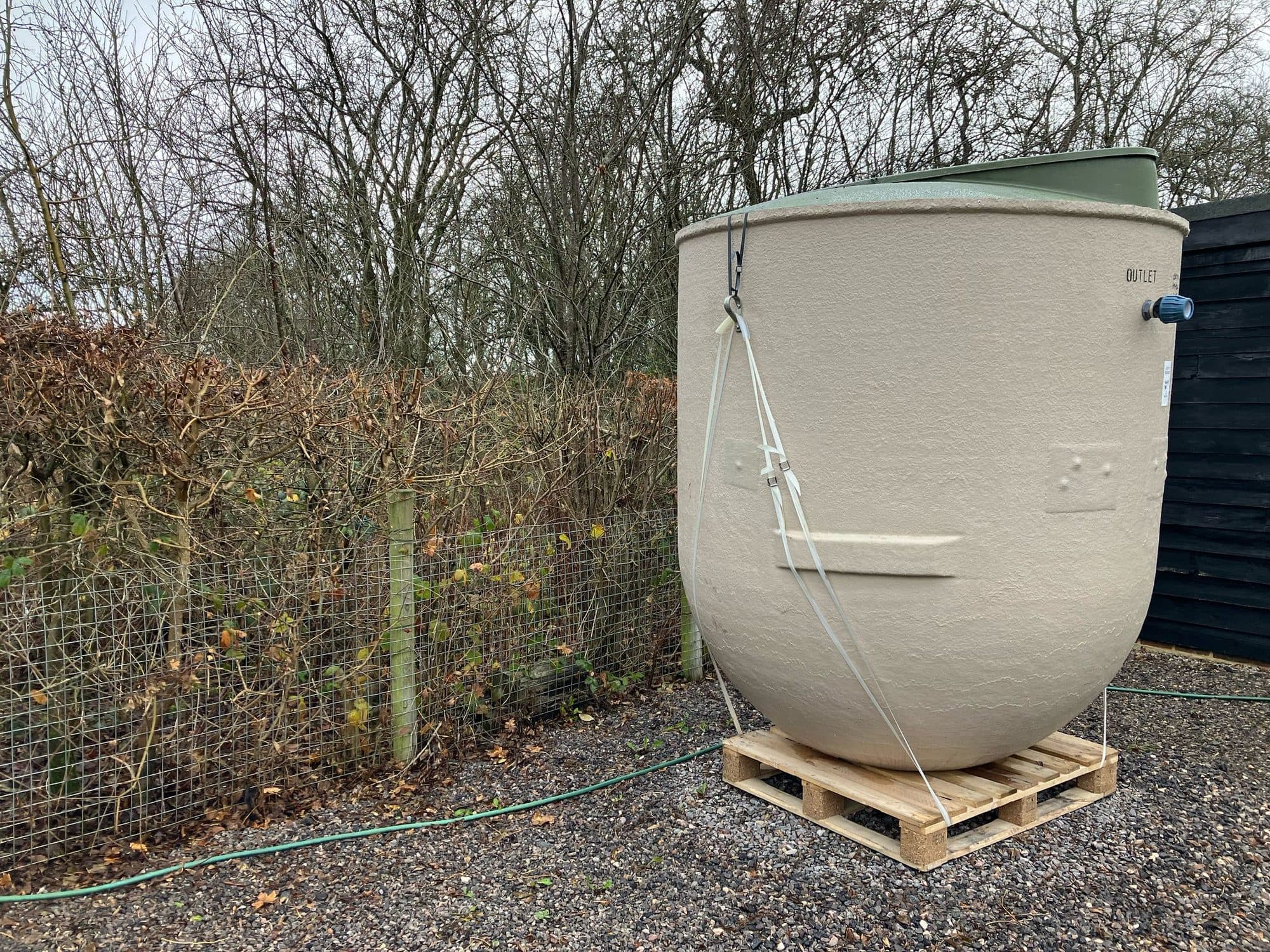
Even well maintained systems eventually show signs of ageing. If the plant becomes noisy, fails frequently, or does not treat water effectively, repairs may be needed. Engineering teams can assess internal components, aerators, and chambers to decide whether repair is possible. If the structure is damaged or performance remains poor, a replacement may be the safest long term choice. When full replacement is required, modern New Tank Installations offer improved reliability and are built to current standards.
Cost of Treatment Plant Emptying in Winchelsea
The cost varies depending on the size of the tank, the amount of sludge inside, and access to the property. Most domestic emptying services fall within a similar range, while larger or commercial plants may cost more due to the volume of waste. Establishing a routine emptying schedule usually provides better value and helps avoid emergency situations.
Conclusion
Regular treatment plant emptying in Winchelsea is essential for keeping your system safe, compliant, and fully operational throughout the year. By arranging routine emptying, monitoring early warning signs, and keeping up with maintenance, homeowners protect both their property and the surrounding environment. Working with experienced professionals ensures the system continues to run reliably and meets all regulatory standards.