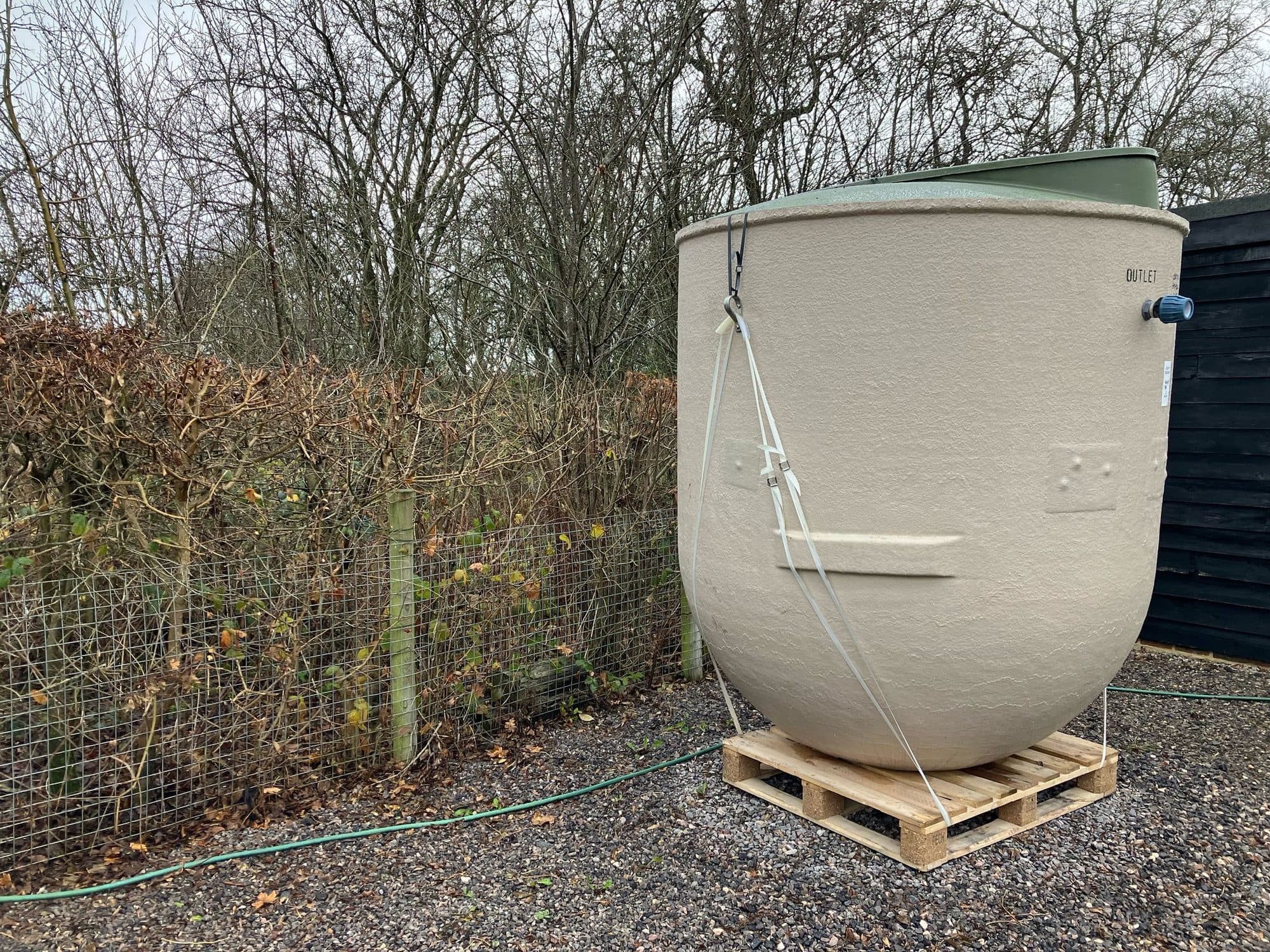
Understand the difference between a treatment plant and a septic tank, including how they work, maintenance needs, and legal rules.
At KP Cesspool Services, we are often asked to explain the difference between a treatment plant and a septic tank. Both systems are commonly used for properties that are not connected to the mains sewer, but they work in different ways and have different maintenance and compliance requirements. Understanding these differences helps homeowners choose the right system for their property and manage it correctly over the long term.
How a Septic Tank Works
A septic tank is a basic wastewater system that relies on natural settlement and bacterial action. Wastewater enters the tank and solids settle at the bottom to form sludge, while lighter materials float. Natural bacteria begin to break down some of the waste. The liquid then flows out of the tank into a drainage area, where it filters into the ground for further treatment. Although septic tanks provide some level of treatment, they do not clean wastewater to a very high standard. Sludge continues to build up inside the tank and must be removed regularly through desludging. If this maintenance is missed, solids can escape into the drainage system and cause blockages or pollution.
How a Treatment Plant Works
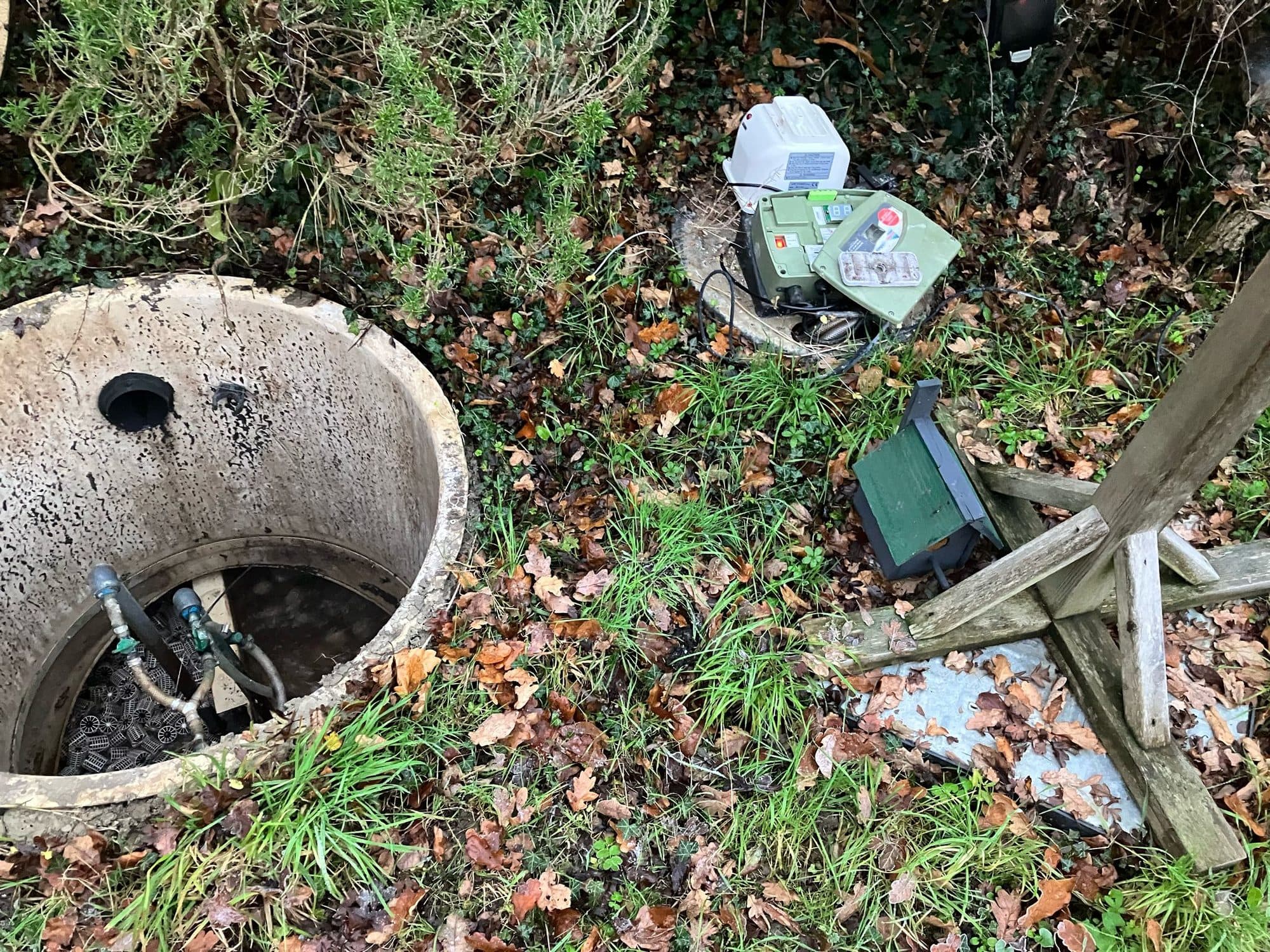
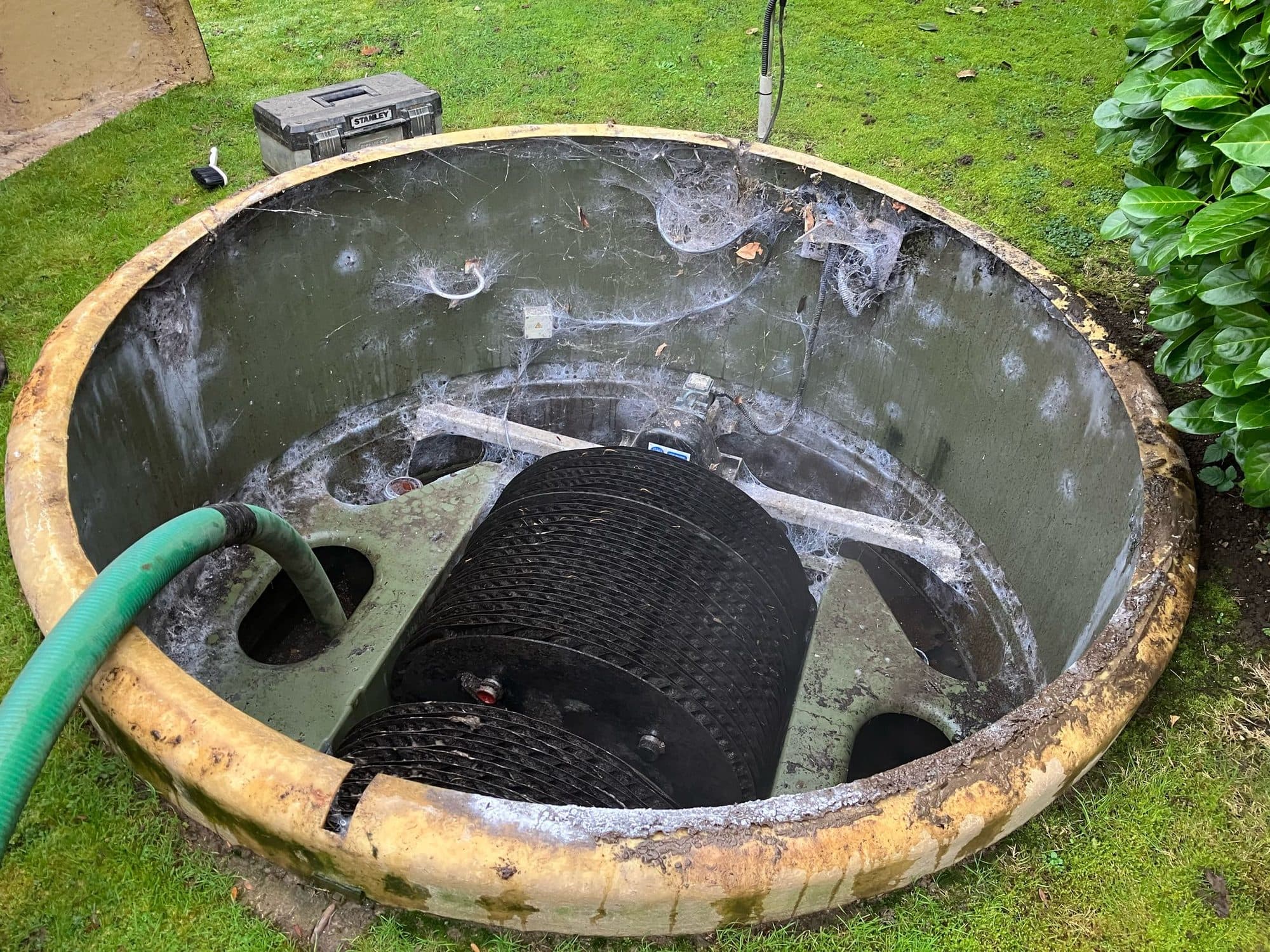
A treatment plant treats wastewater to a much higher standard than a septic tank. It uses mechanical and biological processes to break down waste more effectively. After initial settlement, air is introduced into the system to encourage bacteria that digest organic matter. This process produces much cleaner wastewater before it is discharged. Because of this higher level of treatment, treatment plants are often required in areas with stricter environmental controls. However, they still produce sludge that needs removing, and the mechanical components must be serviced to keep the system working correctly. Regular maintenance and Treatment Plant Servicing and Repairs are essential for long term reliability.
The Main Differences Between the Two Systems
The biggest difference between a treatment plant and a septic tank is the level of wastewater treatment. Septic tanks rely mainly on settlement and ground filtration, while treatment plants actively clean wastewater using aeration and bacteria. This means treatment plants produce cleaner discharge and are suitable for more sensitive environments. Another key difference is maintenance. Septic tanks have no moving parts, which makes them simpler, but they still need regular desludging. Treatment plants have mechanical components that require servicing, although they usually need emptying less frequently than cesspools. Running costs can vary depending on servicing needs and electricity use for treatment plants.
Environmental and Legal Considerations
Both systems are regulated to protect the environment. The Environment Agency oversees private wastewater systems and sets expectations for how they should be managed. Septic tanks and treatment plants must comply with the General Binding Rules, which control how wastewater is discharged into the ground or watercourses. Treatment plants are often preferred where environmental standards are higher, while septic tanks may still be acceptable in suitable locations if they are properly maintained. Homeowners are responsible for ensuring their system remains compliant and does not cause pollution.
Maintenance Requirements Compared
Septic tanks typically need desludging once a year, depending on usage. Treatment plants also need desludging, but they require additional servicing to check pumps, blowers, and other components. If maintenance is missed, both systems can fail, leading to smells, poor drainage, or environmental issues. Drainage problems linked to either system may also involve Blocked Drains and Tanks, which should be addressed promptly to prevent further damage.
Installation and Upgrade Decisions
Some homeowners choose to replace an older septic tank with a treatment plant to meet modern standards or reduce environmental impact. Others may install a treatment plant when building a new home or extending an existing one. In these cases, we assess ground conditions, access, and usage before recommending suitable Treatment Plant Installation options that meet current requirements.
Cost Differences Over Time
Septic tanks usually cost less to install and have lower ongoing servicing costs, but they may not be suitable in all locations. Treatment plants cost more to install and run due to servicing and electricity use, but they offer cleaner discharge and greater compliance flexibility. When choosing between the two, it is important to consider both upfront costs and long term maintenance.
Choosing a Reliable Provider
Whether you have a septic tank or a treatment plant, correct installation and maintenance are essential. We always recommend checking reviews on trusted platforms such as Checkatrade before choosing a provider, as wastewater systems must be handled responsibly and in line with regulations.
Conclusion
The difference between a treatment plant and a septic tank comes down to how wastewater is treated, how systems are maintained, and where they can be used. At KP Cesspool Services, we help homeowners understand their options, maintain their systems correctly, and plan upgrades when needed. If you would like advice tailored to your property or need help managing your wastewater system, contact us for clear and practical guidance.