Cesspool, septic tank or treatment plant? Learn the differences, costs and rules to choose the right system for your home.
At KP Cesspool Services, we regularly speak to homeowners who are unsure which private wastewater system is right for their property. Choosing between a cesspool, septic tank, or treatment plant is not always straightforward. Each system works differently, comes with different costs, and has different legal and maintenance requirements. Understanding how each option operates and when it is appropriate helps you make a practical, compliant decision that suits your property and long term needs.
Understanding the Three Main Options
Properties that are not connected to the mains sewer must rely on a private wastewater system. The three most common options are cesspools, septic tanks, and sewage treatment plants. While they all manage wastewater, the way they do so varies significantly, which affects how often they need servicing and where they can be used. The sharpest contrast of the three is between a cesspool and a septic tank, since one stores everything and the other treats it and lets it go.
When a Cesspool May Be Suitable
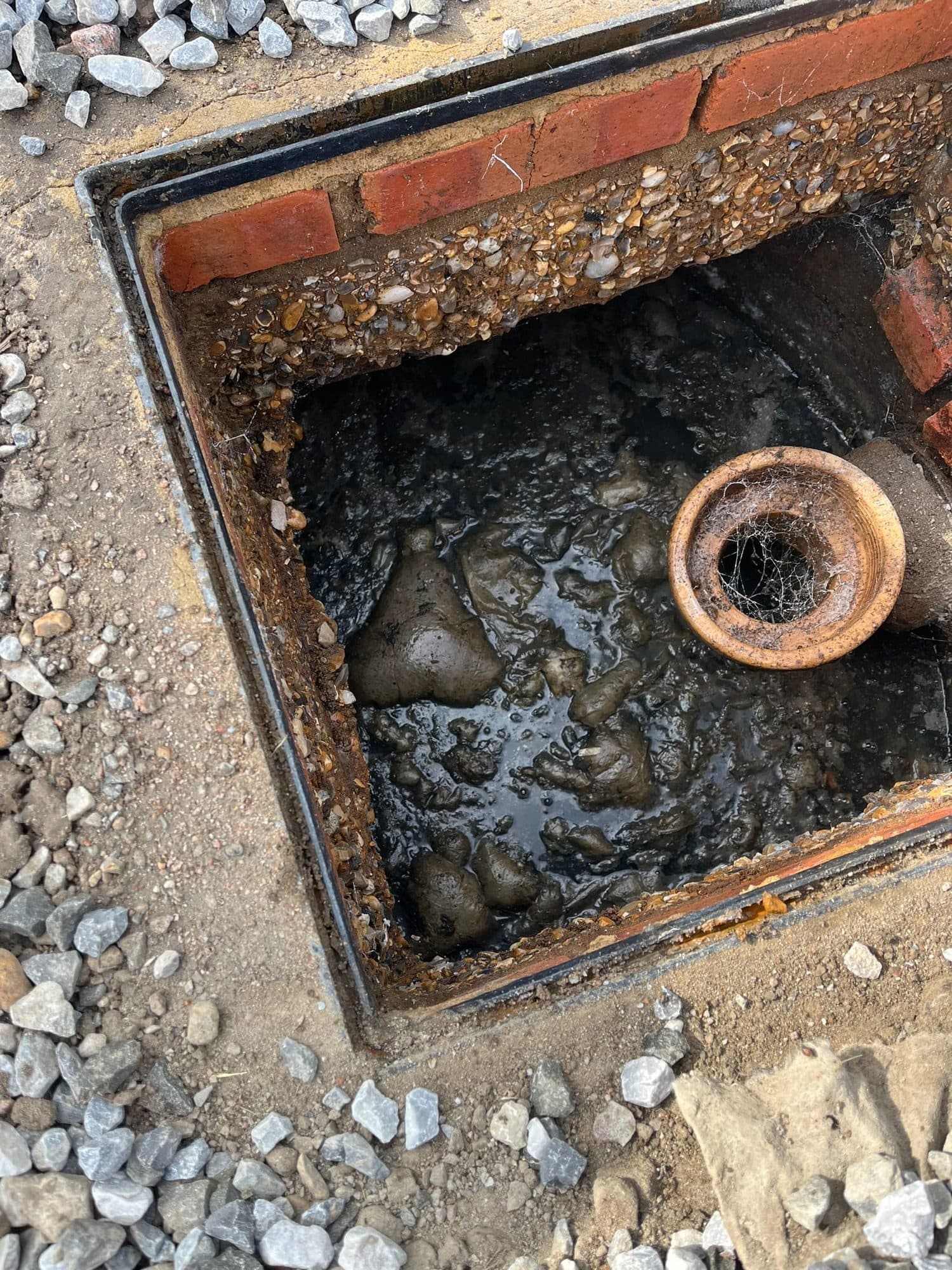
A cesspool is a sealed underground tank that stores all wastewater from the property. It does not treat or discharge any liquid. Everything that enters the system remains in the tank until it is removed. Because of this, cesspools fill quickly and require frequent Cesspool Emptying.Cesspools are sometimes used where ground conditions or regulations prevent any form of discharge. They are simple systems, but ongoing running costs are usually higher due to regular emptying. For properties with limited space or no discharge options, a cesspool may be the only viable choice, but it requires careful management.
When a Septic Tank Is Appropriate
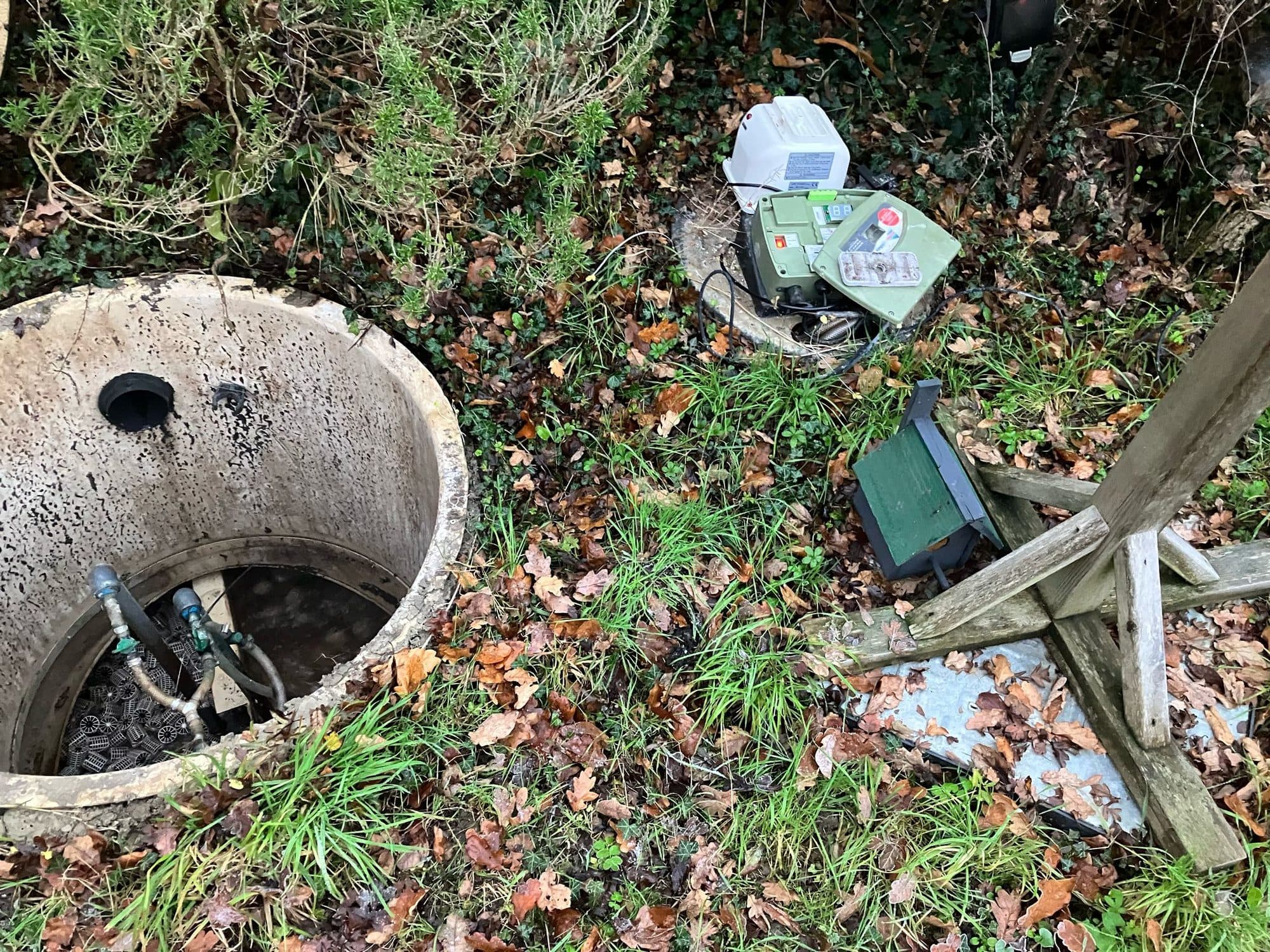
A septic tank provides a basic level of wastewater treatment. Solids settle in the tank while liquids flow out to a drainage area, where further treatment takes place in the ground. Septic tanks require less frequent emptying than cesspools, usually once a year, but they still need regular servicing to prevent sludge from escaping into the drainage system. Septic tanks can be suitable for properties with adequate land and suitable ground conditions. However, they must meet discharge standards and comply with current regulations. Older septic tanks may no longer be acceptable without upgrades, particularly if they discharge directly into watercourses.
When a Treatment Plant Is the Best Option
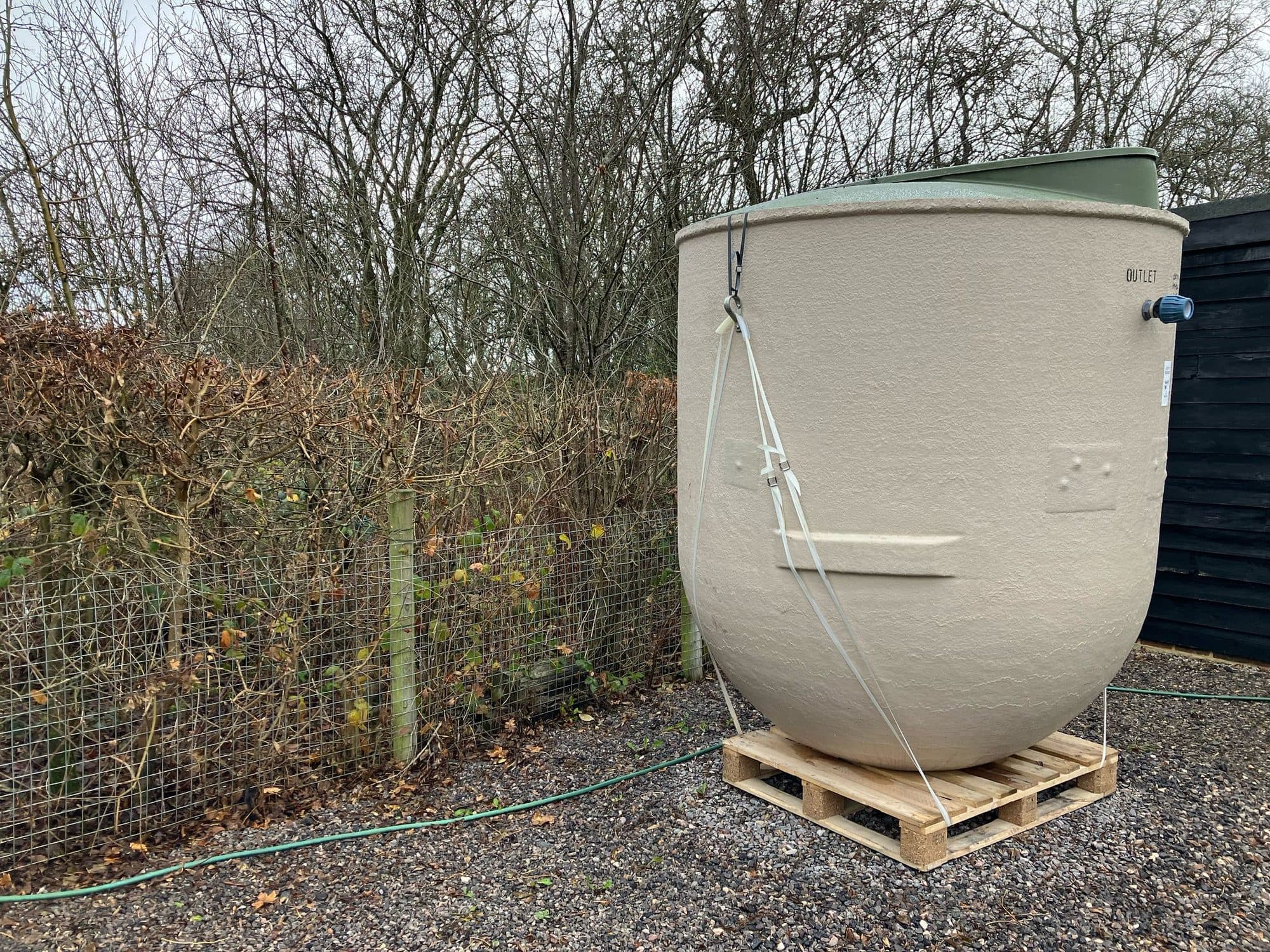
A sewage treatment plant treats wastewater to a much higher standard than a septic tank. It uses mechanical and biological processes to clean the waste before discharge. Because of this, treatment plants are often required for new builds or properties in environmentally sensitive areas. Although treatment plants cost more to install and require regular servicing, they offer greater flexibility and cleaner discharge. Ongoing maintenance, including Treatment Plant Servicing and Repairs, is essential to keep the system working correctly and compliant.
Legal and Environmental Considerations
Choosing the right system is not just about preference. The Environment Agency oversees private wastewater systems and expects them to be managed responsibly. Septic tanks and treatment plants must comply with the General Binding Rules, which set standards for discharge and environmental protection. Cesspools do not discharge wastewater, but they must remain sealed and emptied often enough to prevent overflow. Homeowners are responsible for ensuring their system does not cause pollution, regardless of which option they choose.
Maintenance and Running Costs
Running costs vary significantly between systems. Cesspools have the highest ongoing costs due to frequent emptying. Septic tanks cost less to maintain but still require annual desludging and monitoring. Treatment plants have servicing and electricity costs but usually offer better long term compliance and performance. Drainage issues linked to any system may also involve Blocked Drains and Tanks, which can add to maintenance costs if not addressed early.
Installation and Upgrade Decisions
Some homeowners choose to upgrade an existing system due to repeated problems, high running costs, or regulatory changes. In these cases, installing a new system may be the most reliable solution. We assess ground conditions, access, and usage before recommending suitable New Tank Installations that meet current standards and provide long term reliability.
Choosing the Right System for Your Property
There is no one size fits all answer. The right choice depends on space, ground conditions, environmental sensitivity, and how the property is used. What works well for one home may not be suitable for another. A proper assessment helps avoid costly mistakes and ensures the system remains compliant for years to come.
Choosing a Trusted Provider
Installing or maintaining a private wastewater system requires experience and correct licensing. We always recommend checking reviews on trusted platforms such as Checkatrade before choosing a provider, as correct installation and maintenance are essential for safety and compliance.
Conclusion
Choosing between a cesspool, septic tank, or treatment plant depends on your property, location, and long term plans. Each system has advantages and limitations, and the right choice balances compliance, cost, and practicality. At KP Cesspool Services, we help homeowners understand their options and manage their systems correctly. If you would like advice tailored to your property or need help deciding which system is right for you, contact us and we will be happy to help.