What a full tank actually does to a drainage system in East Sussex, the problems it causes and how to spot them before wastewater backs up.
At KP Cesspool Services, we see the same chain of events on East Sussex properties where a tank has been left too long, whether it is a cesspool, a septic tank or a treatment plant. It does not simply stop taking waste. It backs up, it pushes solids where they were never meant to go, and it takes the drainage field with it. This guide explains what a full tank actually does to a system, in the order it does it, and how to spot each stage before the next one starts. Our tank emptying and desludging covers the whole county.
From experience, the biggest issue we see is not faulty tanks. It is delayed emptying. When waste is left too long, it builds up, restricts flow, and starts to affect how the entire system performs.
What Tank Emptying Involves
Tank emptying is the process of removing waste and sludge from a private drainage system using specialist vacuum equipment. This applies to all types of systems, whether it is a sealed cesspool, a septic tank, or a treatment plant.
The aim is simple. Remove waste before it reaches a level that causes problems. In practice, doing this at the right time keeps the system running smoothly and avoids pressure building up in pipework.
Regular Cesspool Emptying is especially important for sealed systems, where there is no discharge at all.
How Often Tank Emptying Is Needed
The frequency of tank emptying depends on the type of system and how it is used. Across the East Sussex villages we cover, most properties fall into one of three patterns.
Cesspools usually need emptying every three to six weeks because they store all wastewater. Septic tanks typically require emptying once a year, although heavy use can increase this. Treatment plants also need annual emptying, combined with servicing.
A common mistake we see is homeowners waiting until there is a problem before arranging emptying. By that stage, the tank is already full and the system is under strain. A planned schedule is always more effective and far less disruptive.
Signs Your Tank Needs Emptying
There are clear signs that a tank is approaching capacity. Slow draining sinks and toilets are often the first warning. Gurgling sounds in pipework can follow, along with unpleasant smells inside or outside the property.
As levels increase, you may notice damp patches above the tank or wastewater pooling near access covers. What actually tends to happen is that these signs appear gradually, and they are often ignored until the situation becomes urgent. Acting early makes a significant difference.
Common Problems Linked to Full Tanks
When a tank is not emptied on time, it affects the entire drainage system. Waste has nowhere to go, which leads to pressure building in pipes. This can result in wastewater backing up into the property or escaping around the tank area.
We also regularly see full tanks contributing to Blocked Drains and Tanks. When waste levels are high, flow slows down, allowing debris to settle and block pipework more easily.
What Happens During a Visit
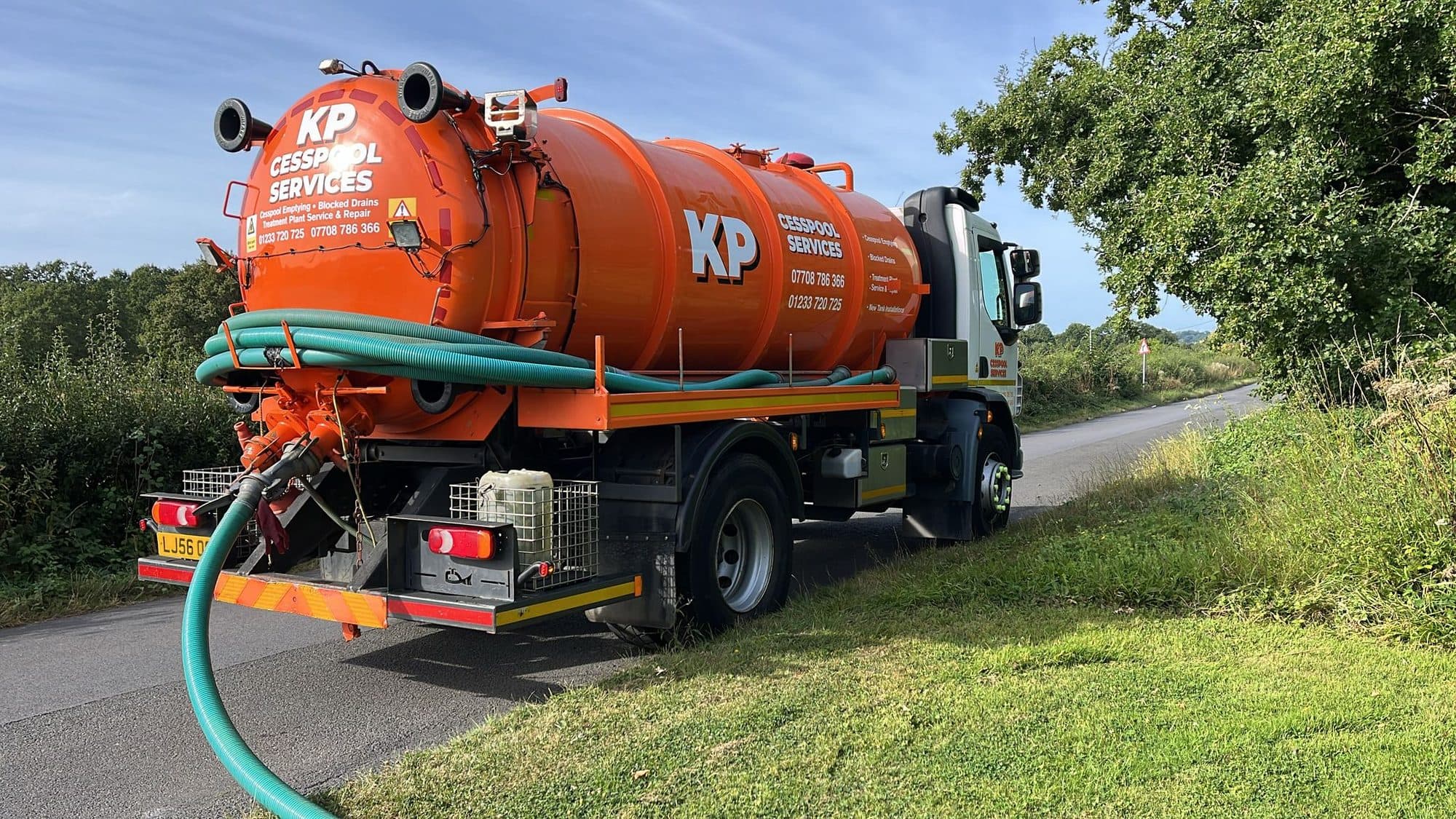
When we carry out tank emptying in East Sussex, we remove all waste from the system using a vacuum tanker. The process is efficient but needs to be done properly. Partial emptying is a common issue we see from poor servicing, and it usually leads to the problem returning quickly.
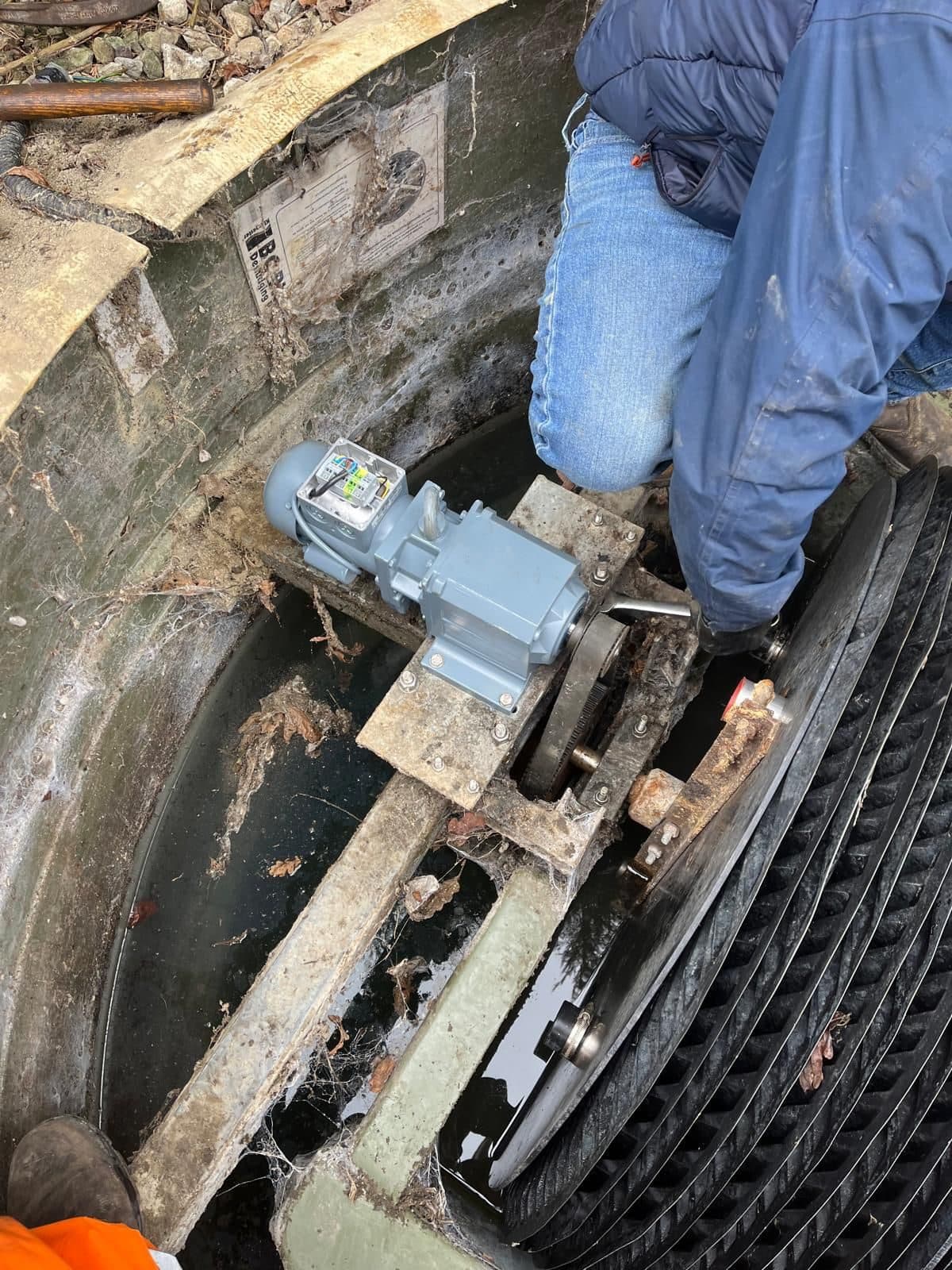
While on site, we also assess the condition of the tank and surrounding drainage. In practice, this is where we often identify early signs of damage or restricted flow that may not yet be obvious to the homeowner.
Environmental Considerations
Proper tank emptying is essential for protecting the environment. If a system is allowed to overflow or leak, it can contaminate soil and potentially affect local water sources.
The Environment Agency expects private drainage systems to be maintained in a way that prevents pollution. This applies to all types of tanks, not just those that discharge treated water.
Guidance set out in the General Binding Rules reinforces the need for regular maintenance and responsible wastewater management across the UK.
Reducing Pressure on Your System
There are simple ways to reduce how quickly your tank fills. Managing water usage is one of the most effective. Spreading out washing loads, fixing leaks, and being mindful of long showers all help reduce strain on the system.
Avoiding flushing unsuitable items is equally important. Wipes, sanitary products, and fats are a major cause of build up and restricted flow. In our experience, usage habits often have just as much impact as tank size.
When a Tank May Need Replacing
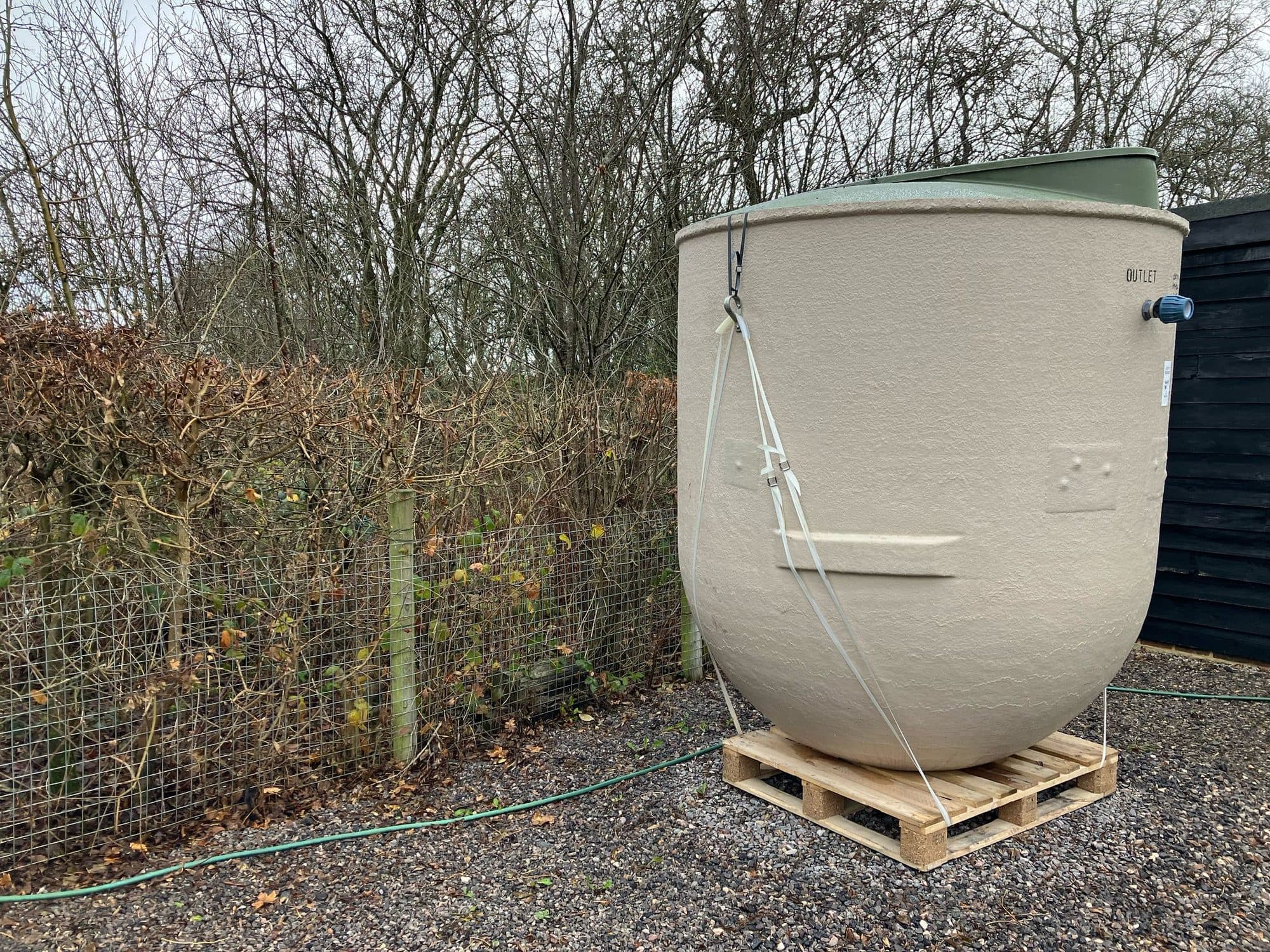
In some cases, repeated issues with tank performance can point to a system that is no longer suitable for the property. This may be due to increased water usage, ageing infrastructure, or incorrect sizing.
Where this happens, modern New Tank Installations can provide a more reliable and efficient long term solution.
Choosing a Reliable Service Provider
Tank emptying should always be carried out by a licensed and experienced provider. We recommend checking reviews on trusted platforms such as Checkatrade before making a decision. This helps ensure the work is carried out safely and in line with regulations.
Conclusion
Tank emptying in East Sussex is a key part of maintaining a reliable private drainage system. Most issues we deal with come down to delayed emptying or avoidable build up. With the right schedule and good usage habits, these problems can be prevented. At KP Cesspool Services, we provide practical advice and dependable service based on real experience. If your tank is due for emptying or you want to put a proper schedule in place, contact us and we will be happy to help.