Find out about cesspool costs, including installation, emptying, and maintenance expenses, and how to manage them efficiently.
For properties not connected to the mains sewer network, a cesspool is one of the simplest ways to store and manage wastewater. While many rural homes and businesses rely on septic tanks or treatment plants, cesspools remain a practical solution in certain situations. However, before installing one, it’s important to understand the full range of costs involved, from installation and maintenance to regular emptying. This guide explains everything you need to know about cesspool cost, including what affects the price and how to manage ongoing expenses efficiently.
What Is a Cesspool?
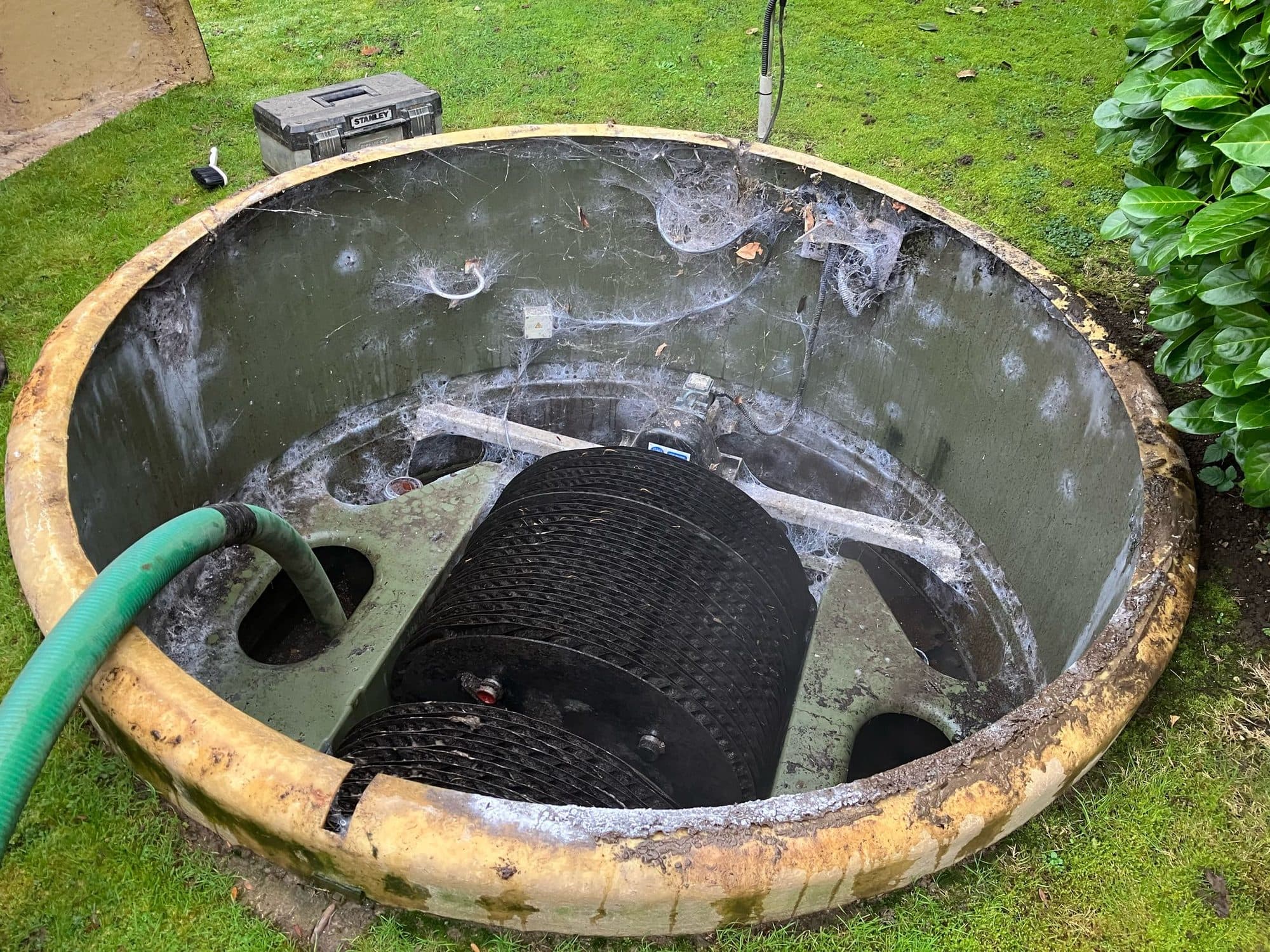
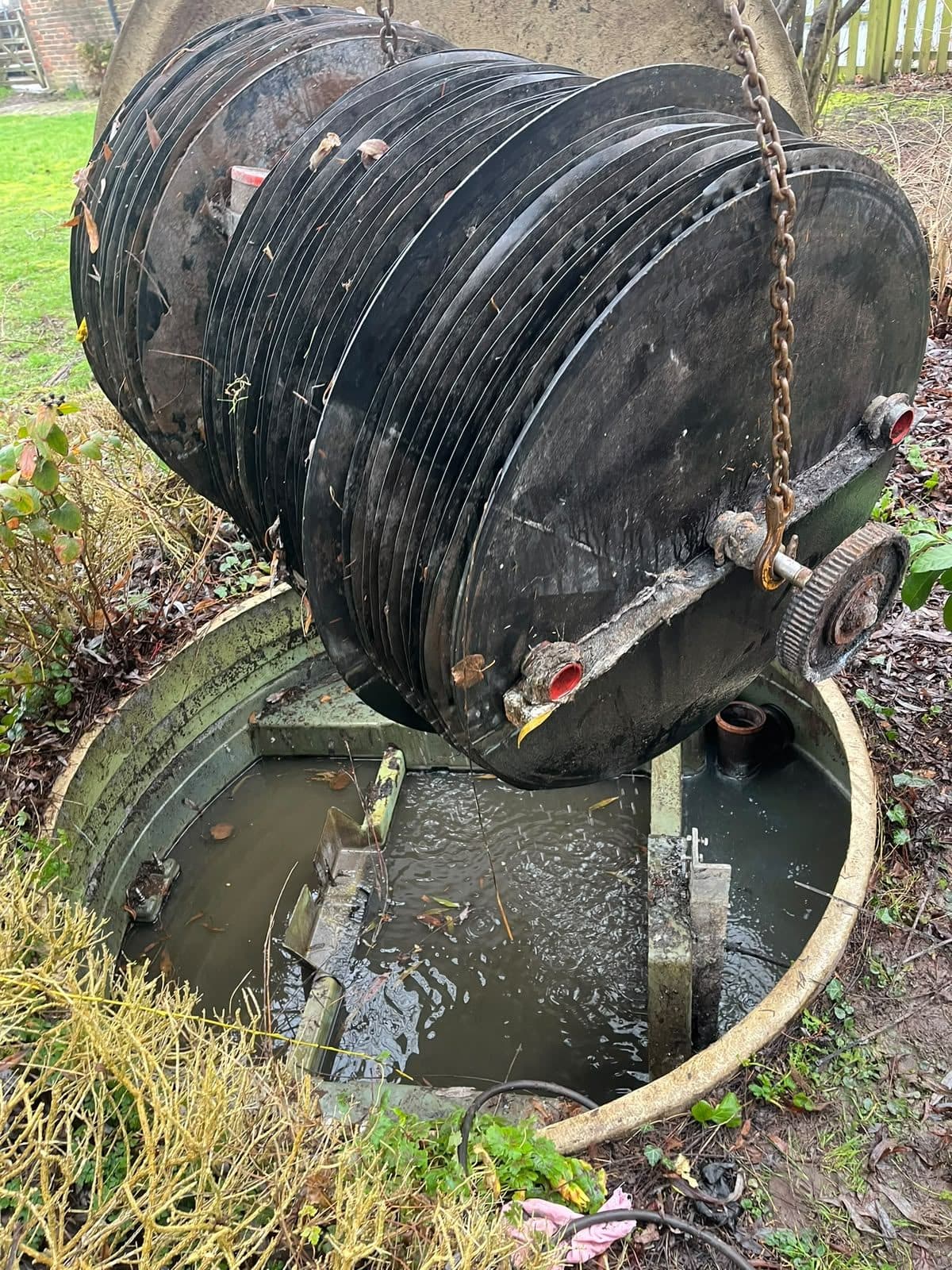
A cesspool (also called a cesspit) is a sealed underground tank that collects wastewater and sewage from a property. Unlike a septic tank or treatment plant, a cesspool does not treat or discharge any of the waste it stores, which is where the cost gap between the two opens up over a few years. Instead, the waste is held securely until it is removed by a licensed waste disposal service. Cesspools are usually made from fibreglass, concrete, or plastic and are fitted with a cover and high-level alarm to prevent overflows. Because the tank fills up over time, regular Cesspool Emptying is essential to keep it functioning safely and within environmental regulations.
How Much Does a Cesspool Cost to Install?
The cost of installing a cesspool in the UK can vary depending on the size, material, and site conditions. On average, installation costs range between £2,500 and £6,000 for a standard domestic property. Factors such as excavation depth, ground type, and accessibility can all influence the final price. For example, rocky or uneven terrain may require additional groundwork, increasing labour and machinery costs. A larger capacity tank suitable for commercial or multi-household use may cost upwards of £10,000. Installation must be carried out by experienced professionals to ensure the tank is watertight and compliant with Environment Agency regulations.
What Factors Affect the Cost?
Several key factors determine how much a cesspool will cost overall:
-
Tank size: The larger the tank, the higher the initial cost but the less frequent the need for emptying.
-
Material: Concrete tanks tend to be more durable but are heavier and more expensive to install than plastic or fibreglass alternatives.
-
Location: Rural or hard-to-reach properties may require additional groundwork or transport costs.
-
Installation complexity: Factors like drainage layout, depth of excavation, and safety measures can affect labour costs.
-
Compliance and testing: Systems must meet environmental standards and may require additional checks or certification after installation.
Each property is different, so obtaining a professional assessment before installation ensures you receive the right capacity and type of tank for your needs.
Ongoing Maintenance and Emptying Costs
Because a cesspool does not treat waste, it must be emptied regularly by a registered waste carrier. The frequency of emptying depends on tank size and the amount of wastewater produced. For a typical household, this may range from every four to eight weeks. The average Cesspool Emptying cost is between £100 and £250 per visit, depending on the volume of waste removed and location of the property. Commercial properties with higher water usage will likely pay more due to larger tanks and more frequent collections.
Failing to empty a cesspool on time can lead to overflow, unpleasant odours, or even environmental contamination. It is therefore essential to keep a strict emptying schedule and maintain accurate records to comply with environmental requirements.
Repair and Replacement Costs
Over time, cesspools can suffer from wear, leaks, or structural issues. Repairs might include fixing cracks, resealing joints, or replacing damaged access covers. Minor repairs may cost a few hundred pounds, while major issues requiring excavation or liner replacement could reach several thousand. If your tank is old or beyond repair, you may need to consider New Tank Installations to ensure ongoing safety and compliance.
Running Costs and Budgeting Tips
In addition to regular emptying, property owners should budget for annual inspections to check for leaks, corrosion, or ground movement around the tank. Routine maintenance helps prevent costly problems later. Fitting a high-level alarm system can also save money by reducing the risk of overflows or emergency callouts. Scheduling collections with local providers or agreeing on regular service plans can often lower ongoing costs.
Legal and Environmental Compliance
Cesspool owners must ensure their systems meet environmental protection standards. All cesspools must be completely sealed and maintained to prevent leaks or pollution. The General Binding Rules apply to systems that discharge treated effluent to the ground, such as septic tanks or treatment plants, and not to a sealed cesspool, but cesspools are still regulated under broader environmental legislation. The Environment Agency may request evidence of regular emptying or maintenance if pollution is suspected. Non-compliance can result in fines or enforcement notices, so it’s essential to use registered waste carriers and keep detailed records.
When to Consider an Alternative System
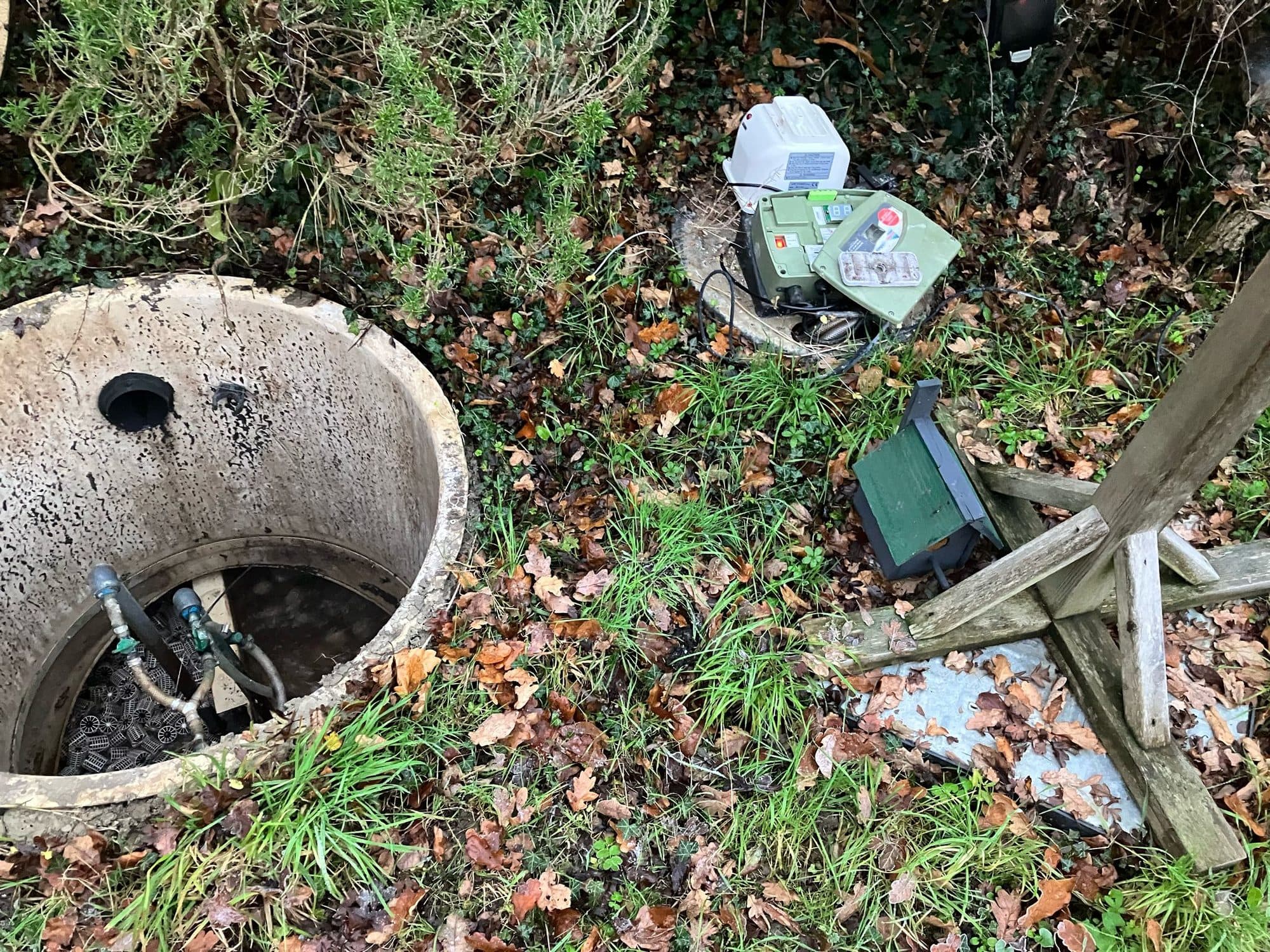
Although cesspools remain suitable for certain sites, modern systems like septic tanks and treatment plants offer greater efficiency and lower long-term costs. A Treatment Plant Installation processes wastewater on-site, reducing the frequency of emptying and helping meet environmental standards. These systems can be more cost-effective over time despite higher upfront costs. Homeowners considering a switch should seek professional advice to determine which option best suits their property layout and local ground conditions.
Conclusion
Understanding how much a cesspool costs involves more than just the initial installation price. Regular emptying, inspections, and potential repairs all contribute to the overall expense. While cesspools can be an effective solution for properties without sewer access, they require consistent maintenance and professional management to stay compliant and safe. Budgeting for installation and ongoing servicing ensures smooth operation and prevents unexpected costs. For those exploring longer-term options, upgrading to a septic tank or treatment plant can offer improved efficiency and lower maintenance expenses in the years ahead.