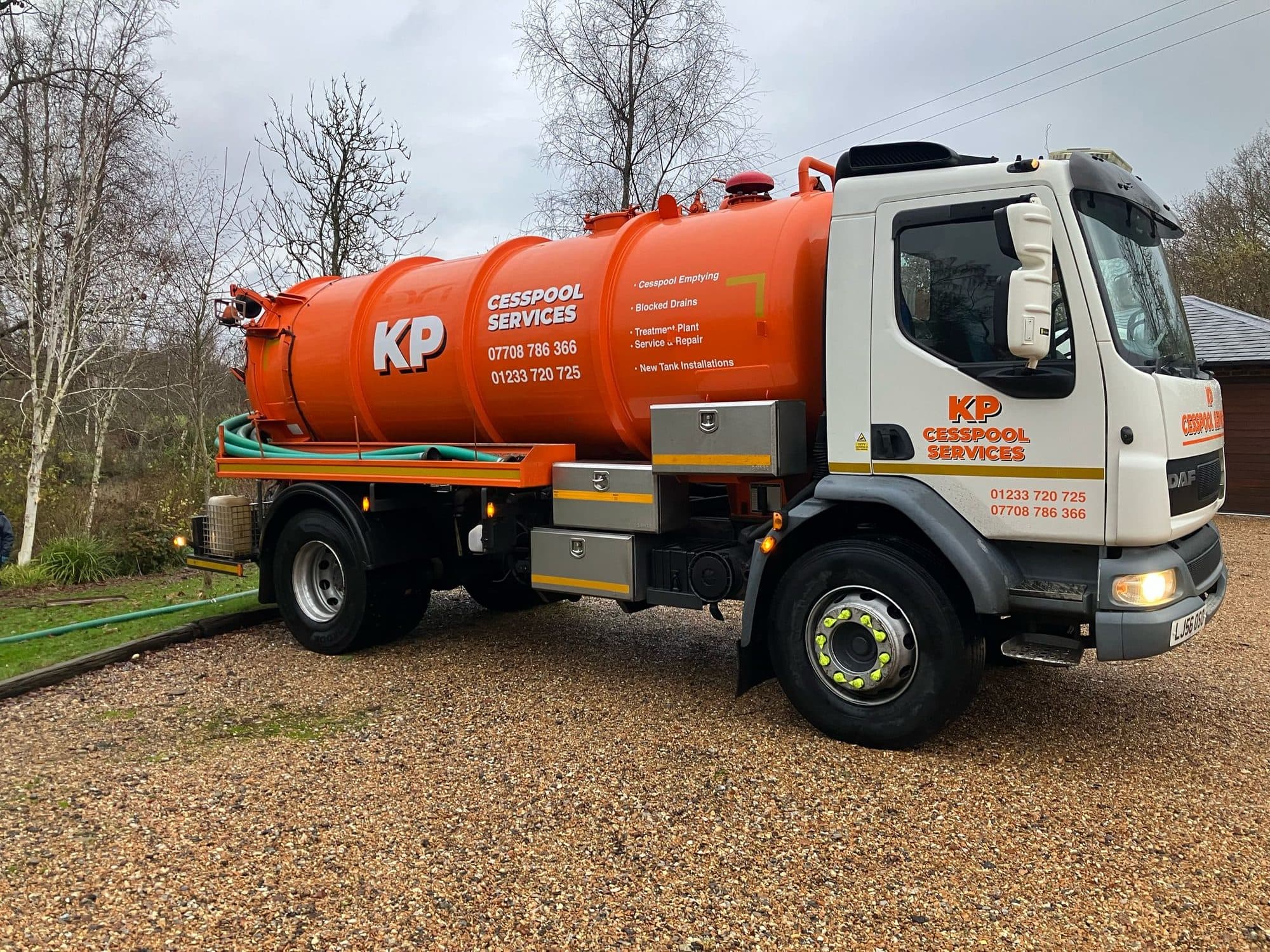
Learn the most common cesspool problems, including fast filling, smells, blockages, and how regular maintenance can prevent issues.
At KP Cesspool Services, we regularly help homeowners who experience problems with their cesspools. Cesspools are simple systems, but because they store all wastewater without any treatment or discharge, they are prone to certain issues if not managed correctly. Understanding the most common problems with cesspools helps prevent emergencies, protects the surrounding environment, and reduces long term costs. We explain the issues we see most often and how they can be avoided.
Cesspools Filling Up Too Quickly
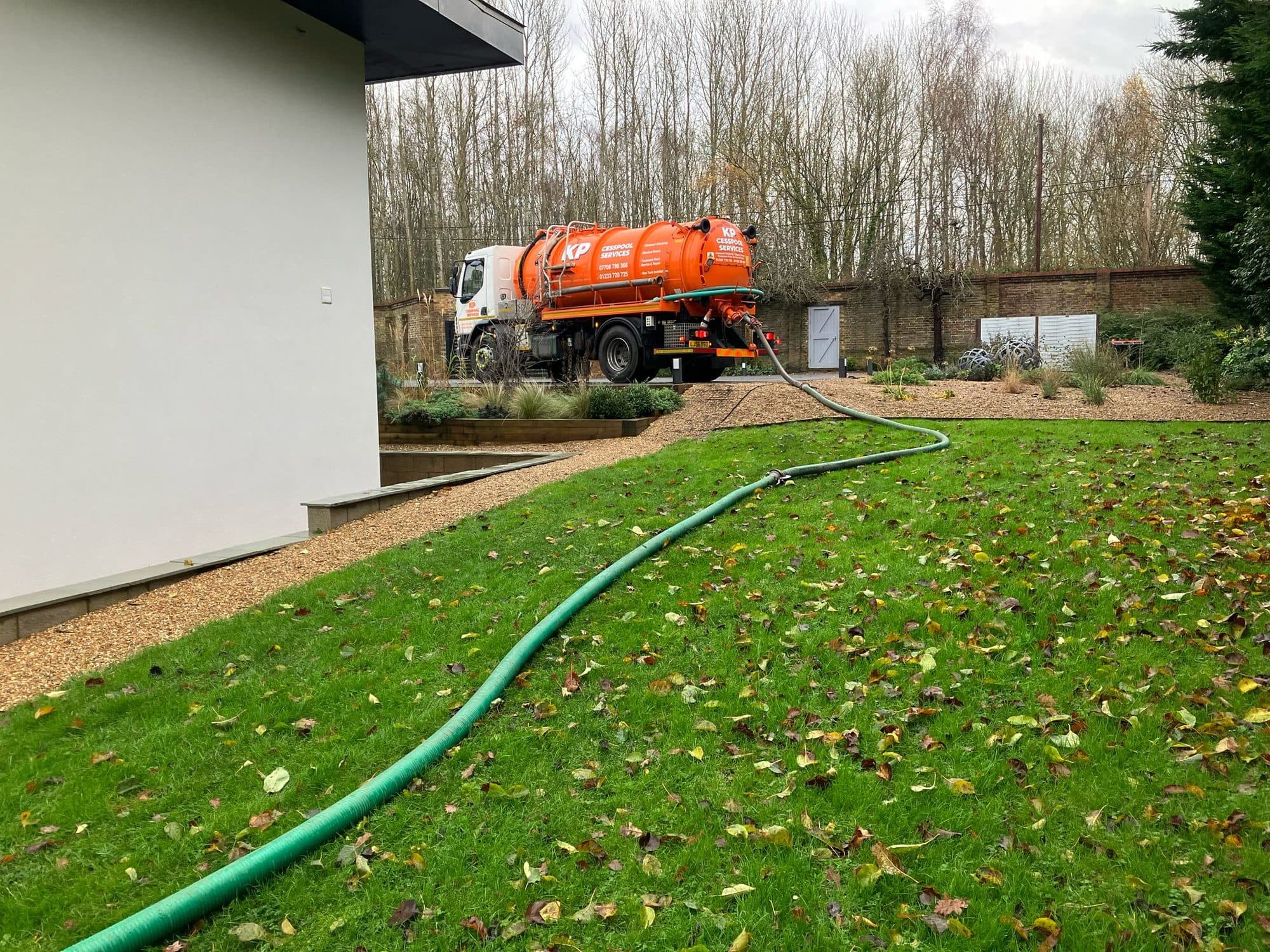
One of the most common problems with cesspools is how quickly they fill. Every drop of wastewater from the property flows into the tank and stays there until it is removed. Larger households, heavy water use, or leaking taps can cause a cesspool to reach capacity far sooner than expected. When emptying is delayed, the system has no spare capacity, which increases the risk of backflow and overflow. Regular Cesspool Emptying is the only way to manage this and prevent disruption.
Slow Draining and Internal Backflow
As a cesspool fills, wastewater struggles to flow into the tank. This often leads to slow draining sinks, baths, and showers. Toilets may flush poorly or need repeated flushing. If the problem is left unresolved, wastewater can back up into the property. This is not only unpleasant but can cause damage to fixtures and create hygiene risks. Early attention prevents these problems from escalating.
Unpleasant Smells Around the Property
Strong smells are another common sign of cesspool trouble. Odours may appear near drain covers, around the tank area, or inside the home. As waste levels rise, gases have less space to disperse safely and can escape through access points or pipework. Persistent smells usually indicate that the cesspool is close to full or that waste is not flowing correctly into the tank.
Blocked Pipework and Restricted Flow
Cesspools can also be affected by drainage blockages. When the tank is near capacity, any restriction in the inlet pipe can quickly lead to problems. Items such as wipes, fats, and oils contribute to blockages, especially when combined with rising waste levels. In these cases, the issue may also involve Blocked Drains and Tanks, which need prompt attention to restore proper flow and prevent internal flooding.
Structural Damage to the Tank
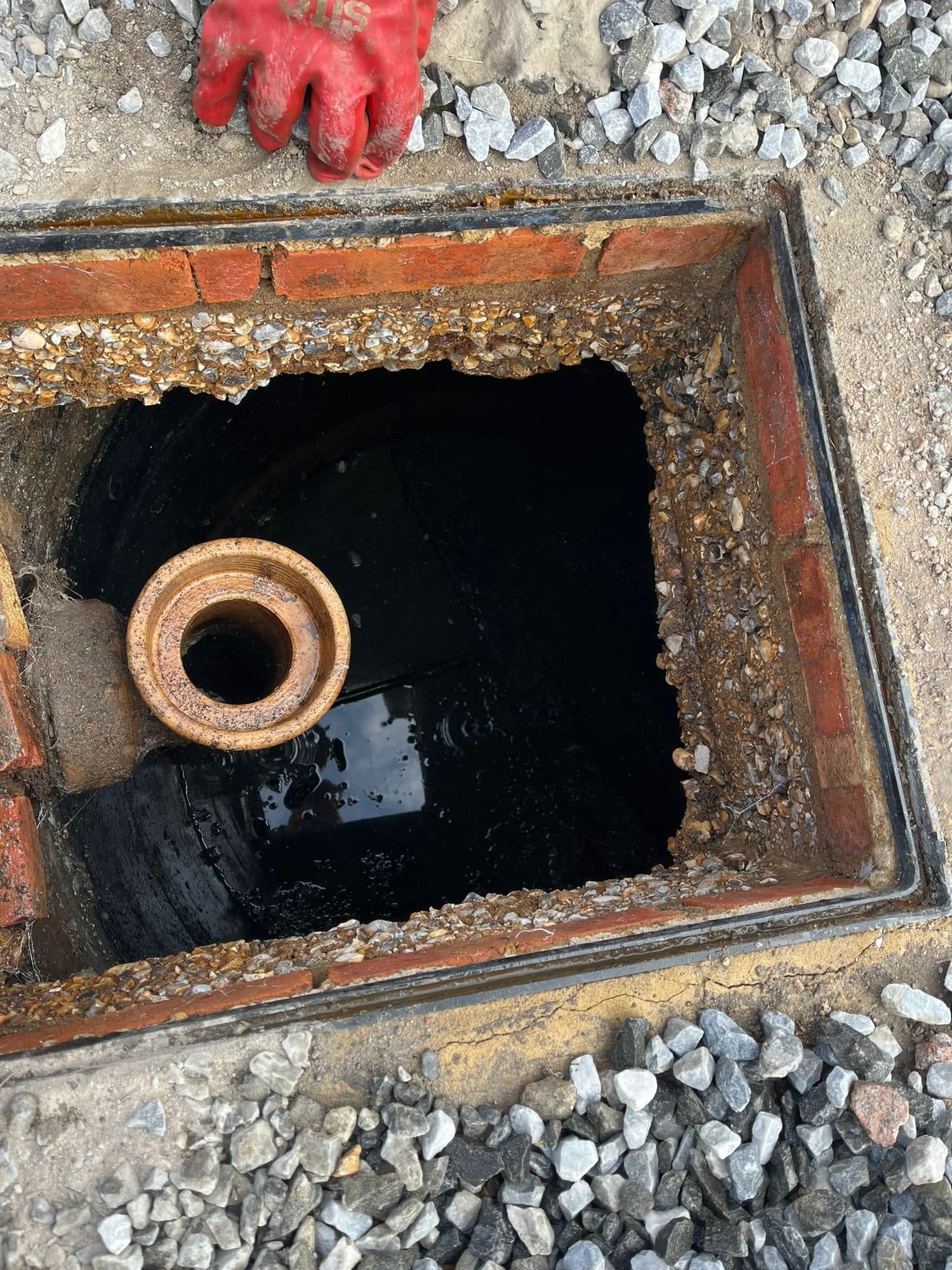
Over time, cesspools can suffer structural problems. Pressure from repeated overfilling, ground movement, or age can cause cracks or leaks in the tank. Damaged lids or covers also pose safety risks. Structural faults are often discovered during emptying visits when the tank is fully visible. If damage is left untreated, it can lead to environmental contamination and costly repairs.
Ground Saturation and Surface Changes
Another common issue is damp ground or unusually green grass above or near the cesspool. This can happen when waste levels are consistently high or when the tank structure begins to fail. Changes in ground condition should always be investigated quickly, as they may indicate leakage or pressure issues that could worsen over time.
Environmental and Legal Risks
Cesspools are regulated to protect the environment. Homeowners are responsible for ensuring their system does not overflow or cause pollution. The Environment Agency expects cesspools to remain sealed and emptied regularly by registered waste carriers. Poor management can lead to environmental harm and potential enforcement action. The expectations around responsible wastewater management are also supported by guidance such as the General Binding Rules.
When Repairs or Replacement Are Needed
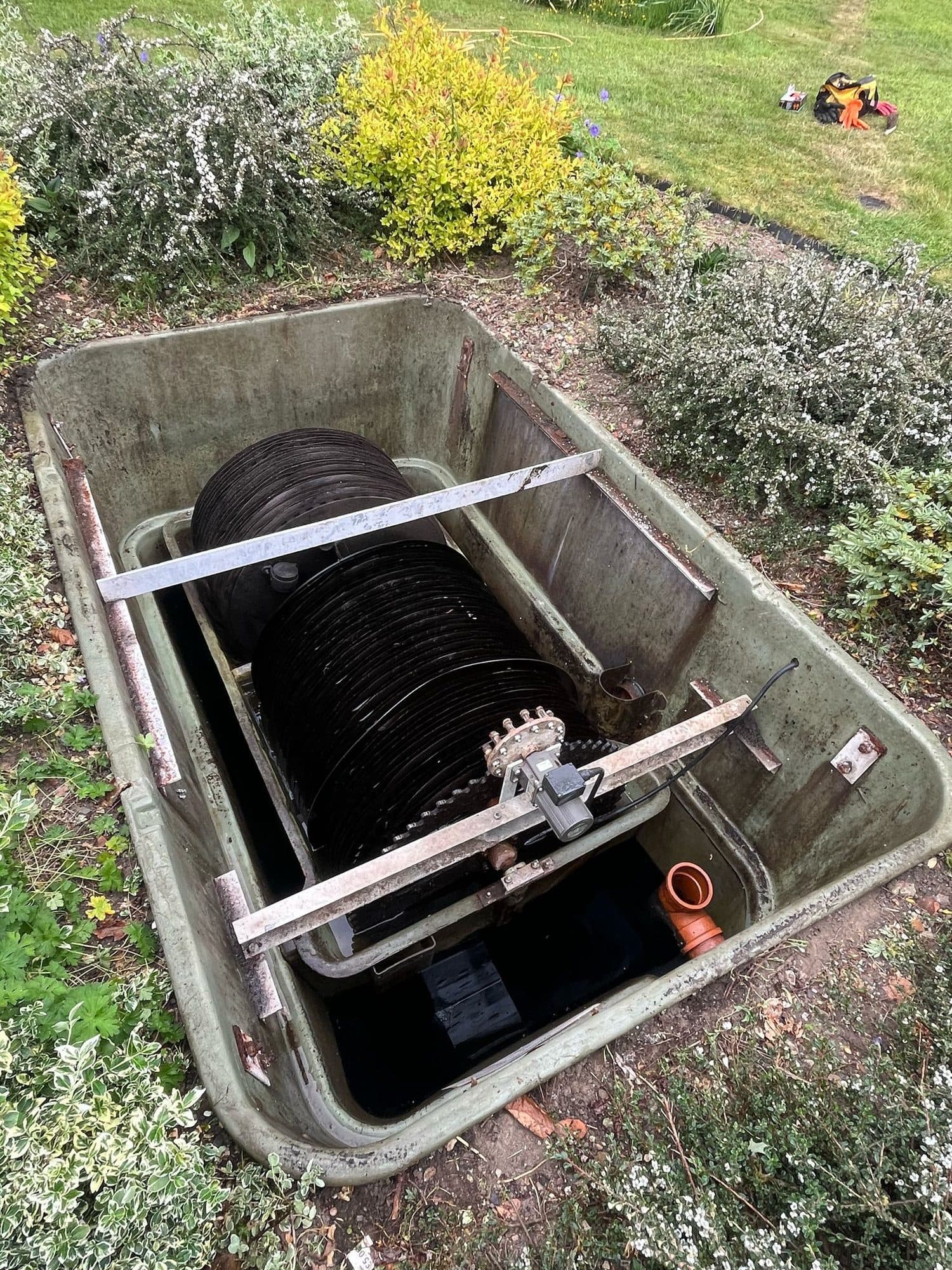
Some cesspool problems can be repaired, such as damaged covers or minor structural issues. However, older tanks that repeatedly fail or leak may need replacing to remain safe and compliant. In these situations, we assess the condition of the system and advise whether repairs are suitable or whether upgrading through New Tank Installations would provide better long term reliability.
Preventing Common Cesspool Problems
Many cesspool issues are avoidable with good management. Keeping to a regular emptying schedule, fixing leaks promptly, and avoiding flushing wipes, fats, and chemicals all help reduce strain on the system. Monitoring early warning signs such as slow drainage or smells allows problems to be addressed before they become serious.
Choosing a Trusted Provider
Because cesspools require careful handling, emptying and inspections should always be carried out by experienced professionals. We recommend checking reviews on trusted platforms such as Checkatrade before choosing a provider, as correct waste handling is essential for safety and compliance.
Conclusion
Cesspools are simple systems, but they require careful management to avoid problems. Fast filling, smells, blockages, and structural damage are all common issues when maintenance is delayed. At KP Cesspool Services, we help homeowners identify and resolve cesspool problems through regular emptying, inspections, and clear advice. With responsible use and routine care, many of the most common cesspool problems can be prevented before they cause disruption.