Learn the warning signs your cesspool is full, from slow drainage and smells to gurgling pipes, and why early emptying matters.
At KP Cesspool Services, we are often called out to properties where the cesspool has quietly reached capacity before the homeowner realises. Because a cesspool does not treat or discharge wastewater, it fills up steadily and relies entirely on regular emptying. Knowing the early warning signs that a cesspool is full helps prevent overflows, damage, and unnecessary emergency callouts. We explain the most common signs to look out for and why acting quickly makes such a difference.
How a Cesspool Fills Up
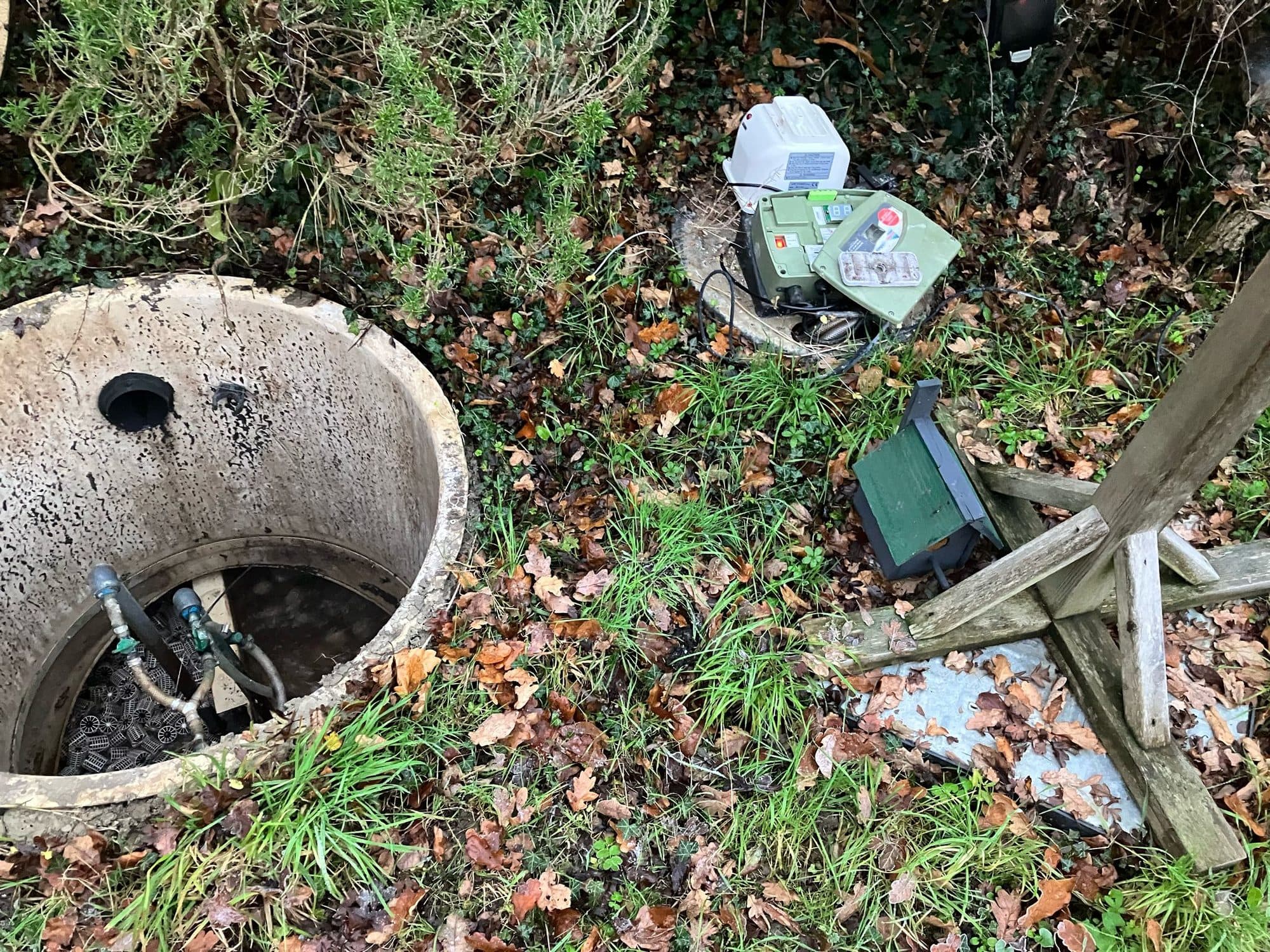
A cesspool is a sealed underground tank that stores all wastewater from the property. Every time water is used in the home, it flows directly into the tank and stays there until it is removed. There is no outlet pipe and no treatment process. Because of this, cesspools fill much faster thanseptic tanks or treatment plants. Regular Cesspool Emptying is the only way to keep the system working safely.
Slow Draining Sinks and Toilets
One of the earliest signs that a cesspool is full is slow drainage inside the property. Sinks, baths, and showers may take longer than usual to empty. Toilets may flush poorly or need to be flushed more than once. This happens because the tank no longer has enough capacity to accept incoming wastewater, causing resistance in the pipework.
Gurgling Noises in Pipework
Gurgling sounds from sinks, toilets, or external drains are another common warning sign. These noises are caused by trapped air in the system when wastewater struggles to flow freely. As the cesspool reaches capacity, pressure builds and air is forced back through the pipes, creating noticeable sounds.
Unpleasant Smells Around the Property
Bad smells are often a clear indication that a cesspool is full or close to full. Odours may appear around drain covers, near the tank location, or even inside the home. When waste levels rise too high, gases have less space to disperse safely and can escape through access points or pipework. Persistent smells should never be ignored, as they often indicate that emptying is overdue.
Damp or Unusually Green Ground
Another sign that a cesspool is full is damp ground or unusually green grass above or near the tank. As waste levels rise, moisture can move closer to the surface. In severe cases, this may indicate early leakage or pressure on the tank structure. Any change in ground condition around a cesspool should be checked promptly to avoid environmental contamination.
Wastewater Backing Up
When a cesspool is completely full, wastewater may begin backing up into the property. This can affect toilets, sinks, and even appliances such as washing machines. This is a serious sign that immediate emptying is required. Allowing the situation to continue increases the risk of internal damage and hygiene issues.
Problems Linked to Blocked Pipework
In some cases, a full cesspool can cause or worsen drainage blockages. Rising waste levels reduce available flow space, making pipework more prone to obstruction. If drainage problems appear suddenly alongside other warning signs, the issue may also involve Blocked Drains and Tanks, which we regularly resolve during emptying visits.
Why Acting Quickly Is Important
Ignoring the signs that a cesspool is full can lead to serious consequences. Overflow can contaminate surrounding land, cause strong odours, and damage the tank structure. Homeowners are responsible for ensuring their cesspool remains safe and does not cause pollution, which falls under the oversight of the Environment Agency. Keeping the tank sealed, never letting it overflow, and having it emptied by a registered waste carrier are what the law actually asks of you, and meeting them reduces the risk of enforcement action. The General Binding Rules apply to septic tanks and treatment plants that discharge to ground, not to a sealed cesspool.
How Often to Check Your Cesspool
Most cesspools need emptying every four to six weeks, but this can vary depending on tank size and water usage. Even with a regular schedule, changes in household use or leaks can cause the tank to fill faster than expected. We always recommend staying alert to early warning signs rather than relying on dates alone.
Choosing a Trusted Emptying Provider
Cesspool emptying must be carried out safely and responsibly by a registered waste carrier. We encourage homeowners to check reviews on trusted platforms such as Checkatrade before choosing a provider, as proper handling of waste is essential for both safety and compliance.
Conclusion
Knowing the signs that your cesspool is full helps prevent overflows, damage, and costly emergency callouts. Slow drainage, gurgling noises, smells, and damp ground are all clear warnings that should not be ignored. At KP Cesspool Services, we help homeowners manage their cesspools through regular emptying, inspections, and clear advice. Acting early keeps your system safe, compliant, and reliable all year round.