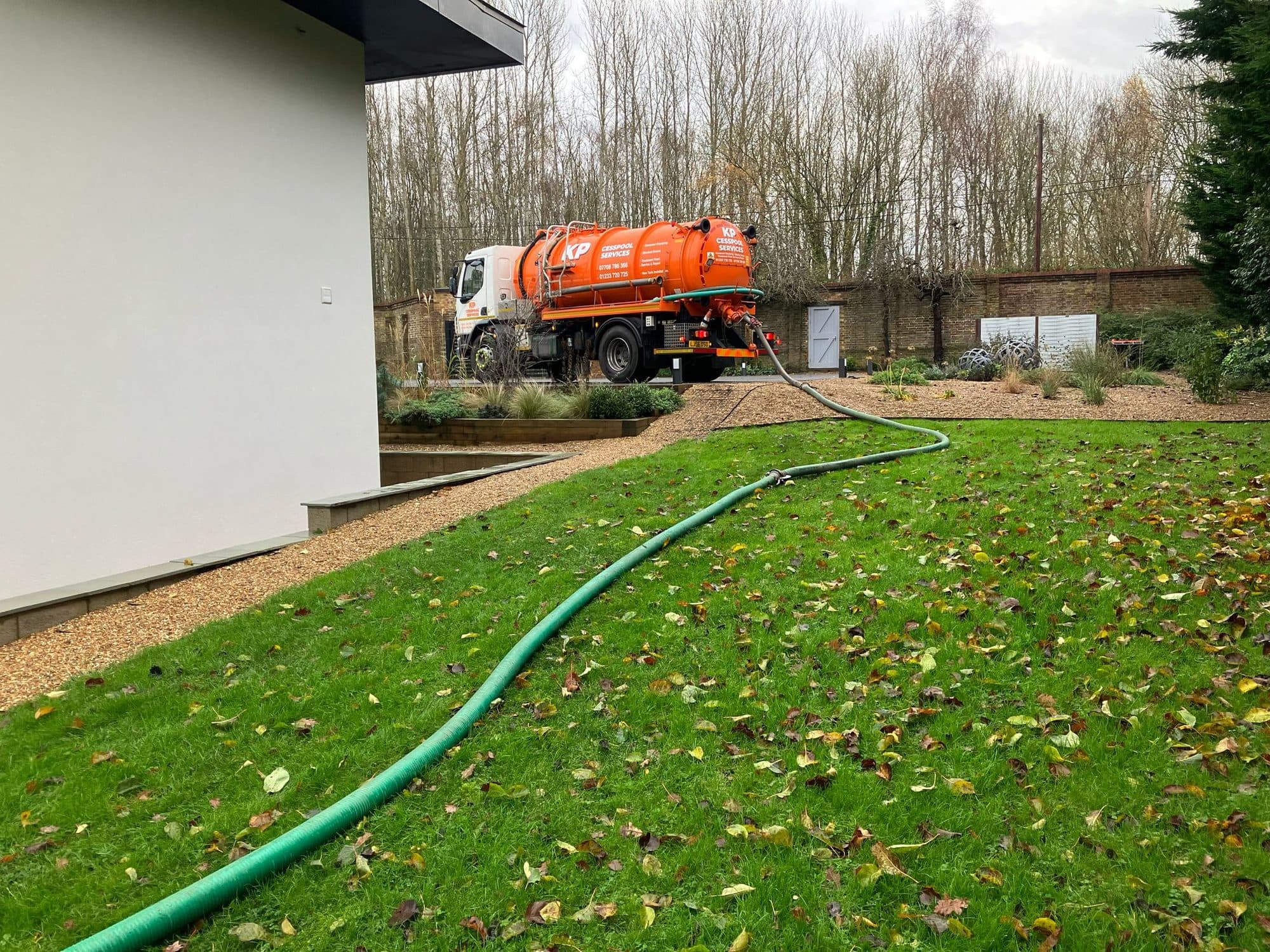
What size cesspool do you need? Learn how occupancy, water use and costs affect the right tank size for your home.
At KP Cesspool Services, one of the most common questions we are asked is what size cesspool is needed for a property. Choosing the correct size is essential. A cesspool that is too small will fill very quickly and become expensive to run, while an oversized tank can add unnecessary installation cost. Understanding how cesspool sizing works helps homeowners plan properly, stay compliant, and avoid ongoing problems.
How a Cesspool Works
A cesspool is a sealed underground tank that stores all wastewater from a property. Unlike septic tanks or treatment plants, there is no treatment or discharge. Everything that enters the system stays there until it is removed. Because of this, the size of the cesspool directly affects how often Cesspool Emptying is required and how manageable the system is day to day.
Number of People in the Property
The most important factor when deciding what size cesspool you need is the number of people using the property. Each person contributes wastewater every day through toilets, showers, baths, washing machines, and sinks. A household with more occupants will fill a cesspool far faster than a smaller household. As a general guide, cesspools are often sized based on expected daily water usage per person rather than just the number of bedrooms.
Water Usage Habits
Water usage plays a major role in cesspool sizing. Properties with power showers, multiple bathrooms, or frequent washing machine use will generate more wastewater. Even small habits such as long showers or regular dishwasher use can significantly increase how quickly a cesspool fills. If water use is high, a larger cesspool is usually required to avoid constant emptying.
Tank Capacity and Emptying Frequency
Cesspools are typically sized to allow a reasonable period between emptying visits. If a tank is too small, it may need emptying every couple of weeks, which quickly becomes costly and inconvenient. A larger tank provides more storage capacity, allowing for a more manageable emptying schedule. When advising on size, we always consider how often the homeowner wants or expects the tank to be emptied.
Property Type and Usage
How a property is used also affects the size of cesspool required. A permanent family home will usually need a larger tank than a holiday let or a property used occasionally. Homes with visitors or short term guests may see sudden increases in wastewater, which needs to be factored into the design. Planning for peak usage rather than average usage helps prevent problems later on.
Space and Ground Conditions
Available space is another key consideration. A cesspool must be installed safely, with suitable access for emptying vehicles. Ground conditions also affect what size and type of tank can be installed. Before recommending a size, we assess the site to ensure the tank can be installed correctly and accessed easily for servicing.
Regulations and Compliance
Cesspools are regulated to prevent pollution. The Environment Agency expects cesspools to be appropriately sized, watertight, and emptied frequently enough to avoid overflow. While cesspools do not discharge wastewater, responsible management is still required. Guidance such as the General Binding Rules supports the wider expectation that private wastewater systems are installed and managed correctly.
Considering Long Term Costs
While a larger cesspool costs more to install, it often reduces long term running costs by extending the time between emptying visits. A smaller tank may seem cheaper initially but can result in much higher costs over time due to frequent servicing. When deciding what size cesspool you need, it is important to think beyond installation and consider ongoing maintenance expenses.
When an Upgrade Might Be Better
In some cases, homeowners question whether installing a cesspool is the right choice at all. If a property has high water usage or long term occupancy, alternative systems such as septic tanks or treatment plants may be more cost effective. We always discuss these options openly to ensure the chosen solution suits the property and avoids unnecessary expense.
Choosing the Right Installer
Correct sizing and installation are critical. A poorly sized cesspool can cause constant issues regardless of how well it is maintained. We always advise homeowners to check reviews on trusted platforms such as Checkatrade before choosing an installer, as experience and proper assessment make a significant difference.
Conclusion
The right cesspool size depends on the number of occupants, water usage, property type, and long term expectations. Choosing correctly helps reduce emptying frequency, control costs, and keep the system compliant. At KP Cesspool Services, we assess each property individually to recommend the most suitable solution. If you would like advice on what size cesspool you need or want to discuss your options, contact us and we will be happy to help.