Learn how a sewage treatment plant works, from wastewater treatment stages to discharge, maintenance, and compliance.
At KP Cesspool Services, we regularly help homeowners understand how their sewage treatment plant operates and why correct maintenance matters. A sewage treatment plant is designed to treat wastewater on site to a high standard before it is released into the environment. Knowing how a sewage treatment plant works makes it easier to spot early issues, maintain compliance, and keep the system running efficiently.
What a Sewage Treatment Plant Is
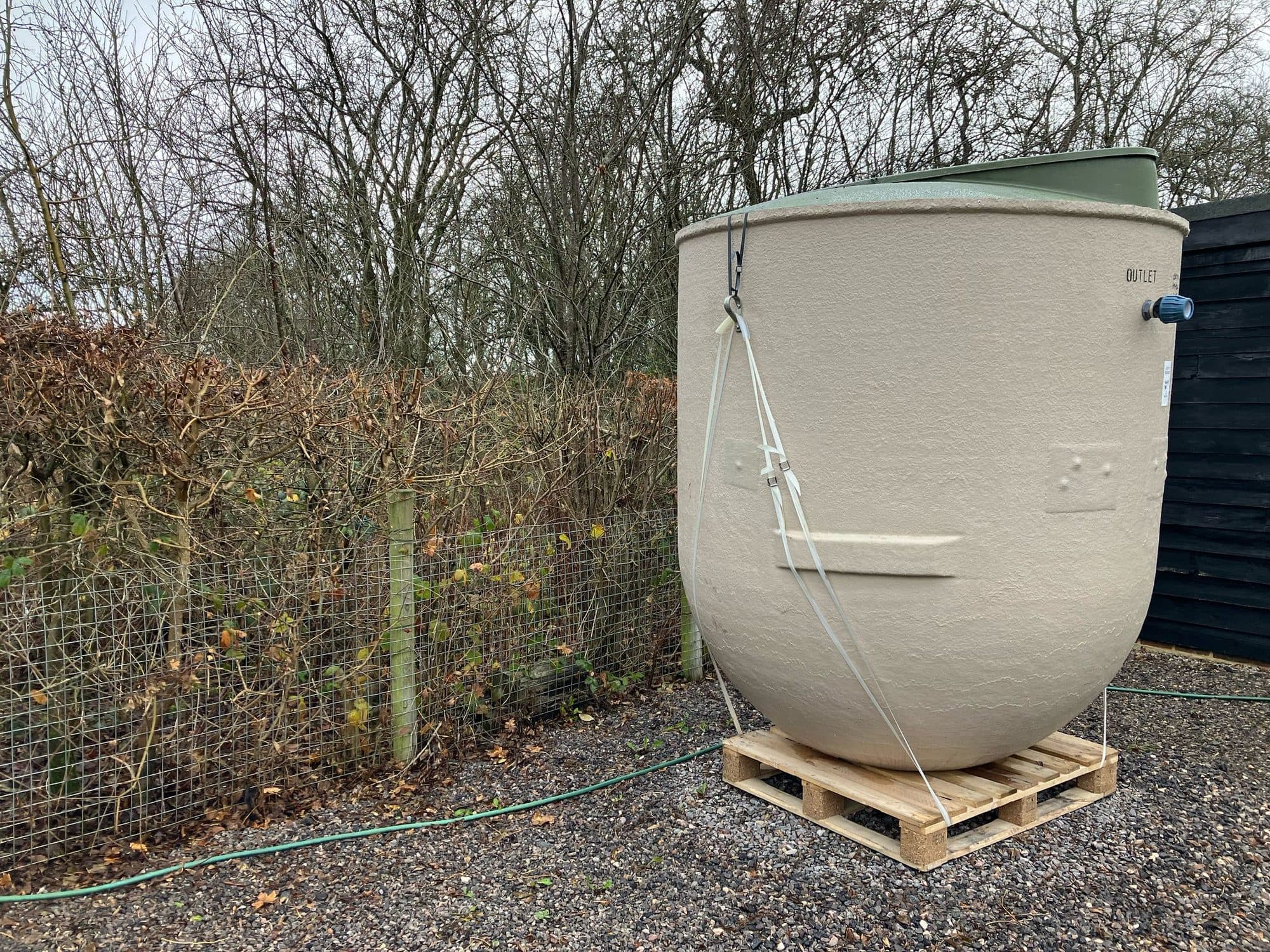
A sewage treatment plant is a private wastewater system used by properties that are not connected to the mains sewer. Unlike cesspools, which only store waste, or septic tanks, which offer limited treatment, a sewage treatment plant actively cleans wastewater using biological and mechanical processes. The aim is to produce clean effluent that can be safely discharged without harming the surrounding environment.
Stage One: Wastewater Enters the System
Wastewater from the property flows into the treatment plant through the inlet pipe. This includes water from toilets, sinks, baths, and appliances. The first chamber is designed to slow the flow and allow heavier solids to settle at the bottom. These solids form sludge, which builds up gradually and must be removed periodically.
Stage Two: Biological Treatment
After initial settlement, the wastewater moves into an aeration chamber. This is where the main treatment process takes place. Air is introduced into the chamber, encouraging the growth of beneficial bacteria. These bacteria break down organic waste more effectively than in a septic tank. This biological process is what allows a sewage treatment plant to clean wastewater to a much higher standard.
Stage Three: Final Settlement
Once the bacteria have done their work, the treated water flows into a final settlement chamber. Here, any remaining fine particles settle out before the water is released. This stage ensures that the effluent leaving the system is as clean as possible. The quality of this discharge is why sewage treatment plants are often required in environmentally sensitive areas.
Discharge and Environmental Compliance
The treated water is discharged into the ground or a watercourse, depending on the system design and site conditions. This discharge must meet standards set by the Environment Agency. Treatment plants and septic systems must also comply with the General Binding Rules, which exist to protect land and waterways from pollution.
Sludge Build Up and Emptying
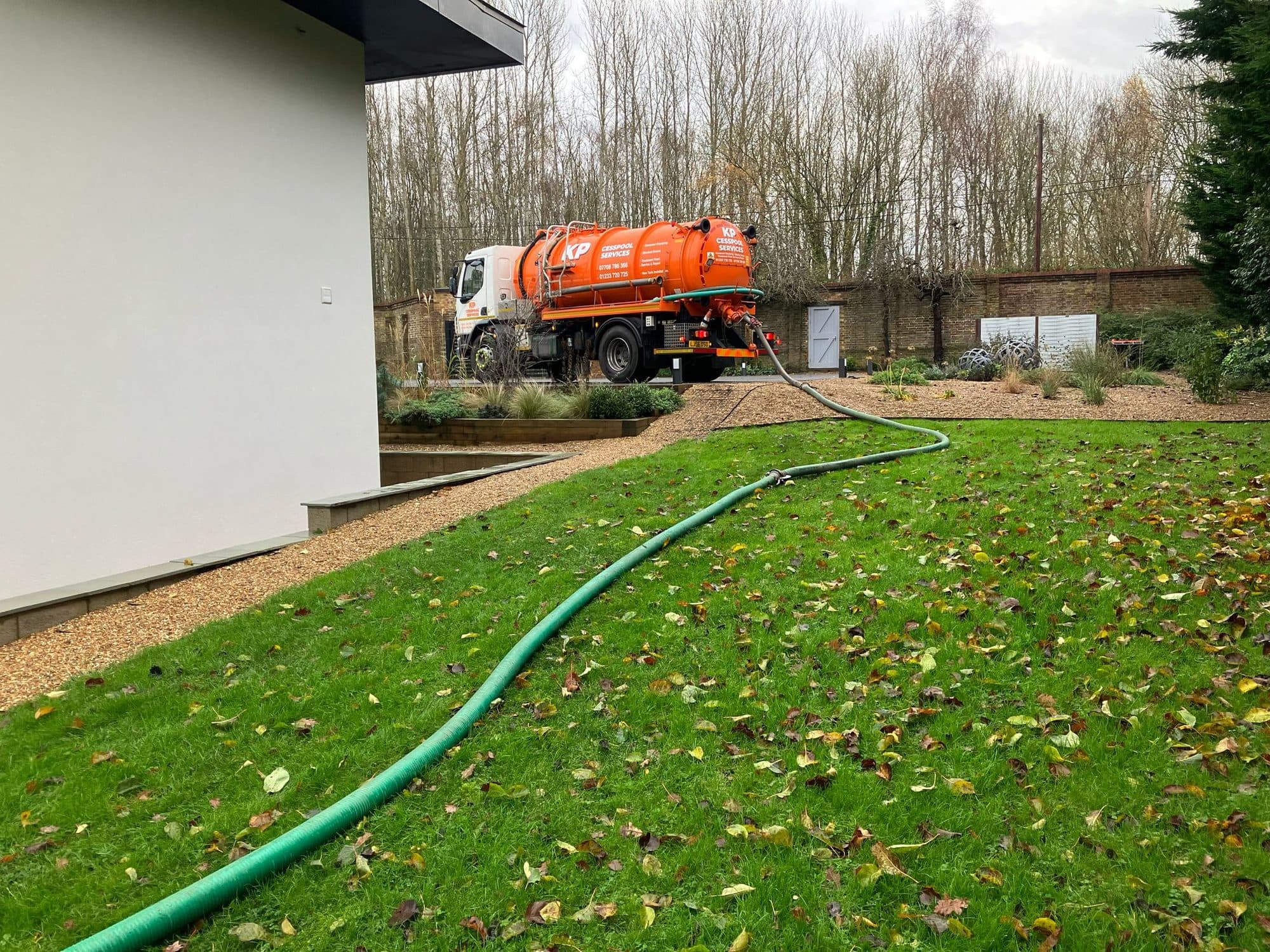
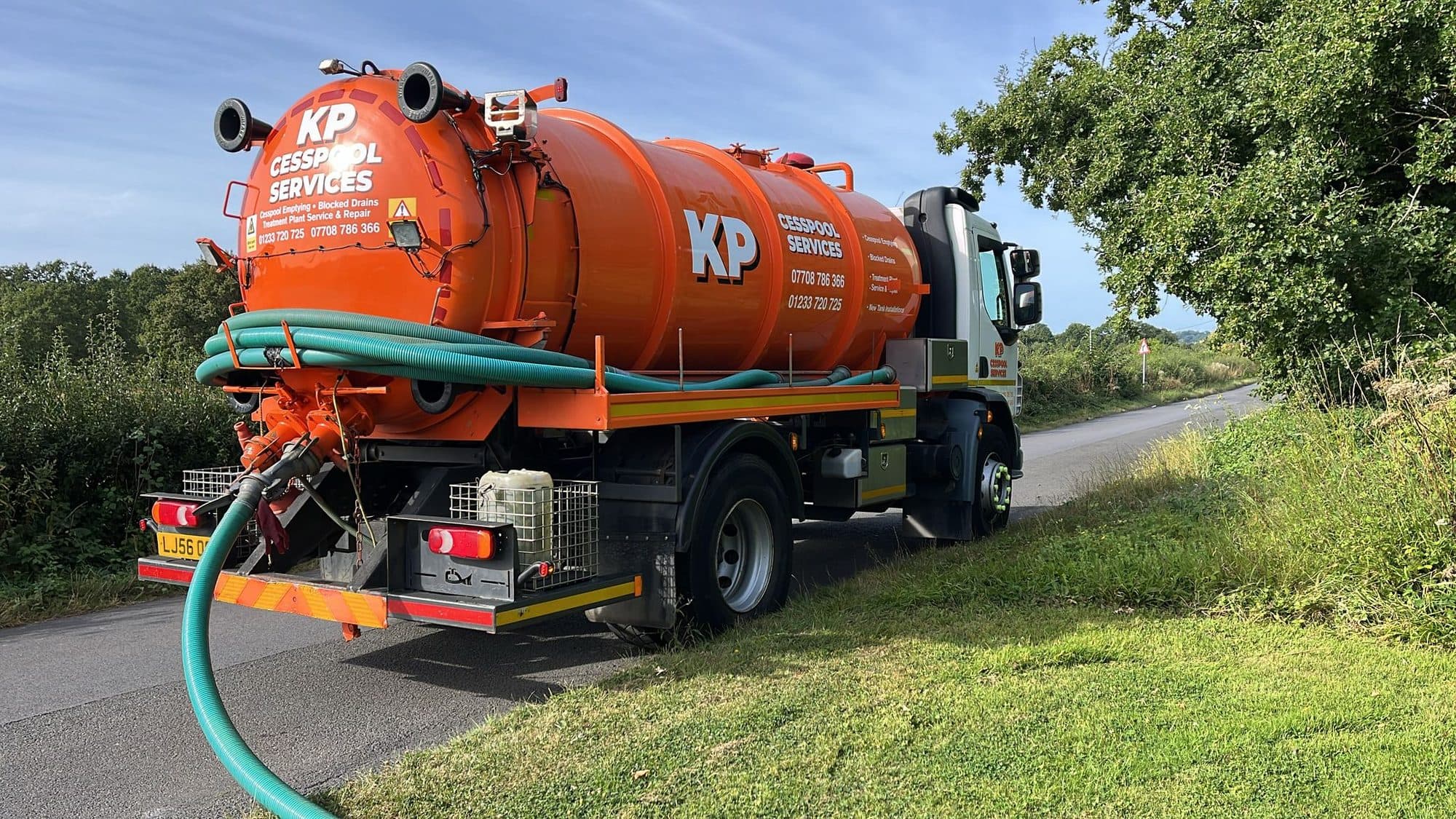
Although sewage treatment plants treat wastewater effectively, sludge still accumulates in the primary chamber. This sludge must be removed through routine desludging. If sludge levels rise too high, they can interfere with treatment and reduce discharge quality. Regular emptying helps the system work as intended and prevents avoidable faults.
Mechanical Components and Servicing
Most sewage treatment plants rely on mechanical parts such as blowers or pumps to introduce air into the system. These components must work continuously to support the treatment process. Over time, parts can wear or fail. Regular inspections and Treatment Plant Servicing and Repairs ensure the plant continues to operate efficiently and safely.
Common Problems When Maintenance Is Missed
If a sewage treatment plant is not maintained properly, problems can develop. Poor treatment performance may lead to smells, slow drainage, or visible issues at the discharge point. In some cases, sludge or debris can affect pipework and cause Blocked Drains and Tanks, which should be addressed quickly to avoid system failure.
How Often a Sewage Treatment Plant Needs Attention
Most sewage treatment plants require desludging once a year, although this can vary depending on usage and tank size. Servicing schedules should also include checks on mechanical parts to ensure airflow and treatment levels remain correct. We always recommend setting up a routine maintenance plan rather than waiting for problems to appear.
Choosing a Reliable Service Provider
Because sewage treatment plants are regulated systems, correct maintenance is essential. We encourage homeowners to check reviews on trusted platforms such as Checkatrade when choosing a provider. Experienced handling helps protect both the property and the environment.
Conclusion
Understanding how a sewage treatment plant works makes it easier to maintain it properly and avoid costly problems. From settlement and biological treatment to discharge and servicing, each stage plays an important role. At KP Cesspool Services, we support homeowners with expert advice, servicing, and long term maintenance. If you would like help with your sewage treatment plant or need tailored guidance, contact us and we will be happy to assist.