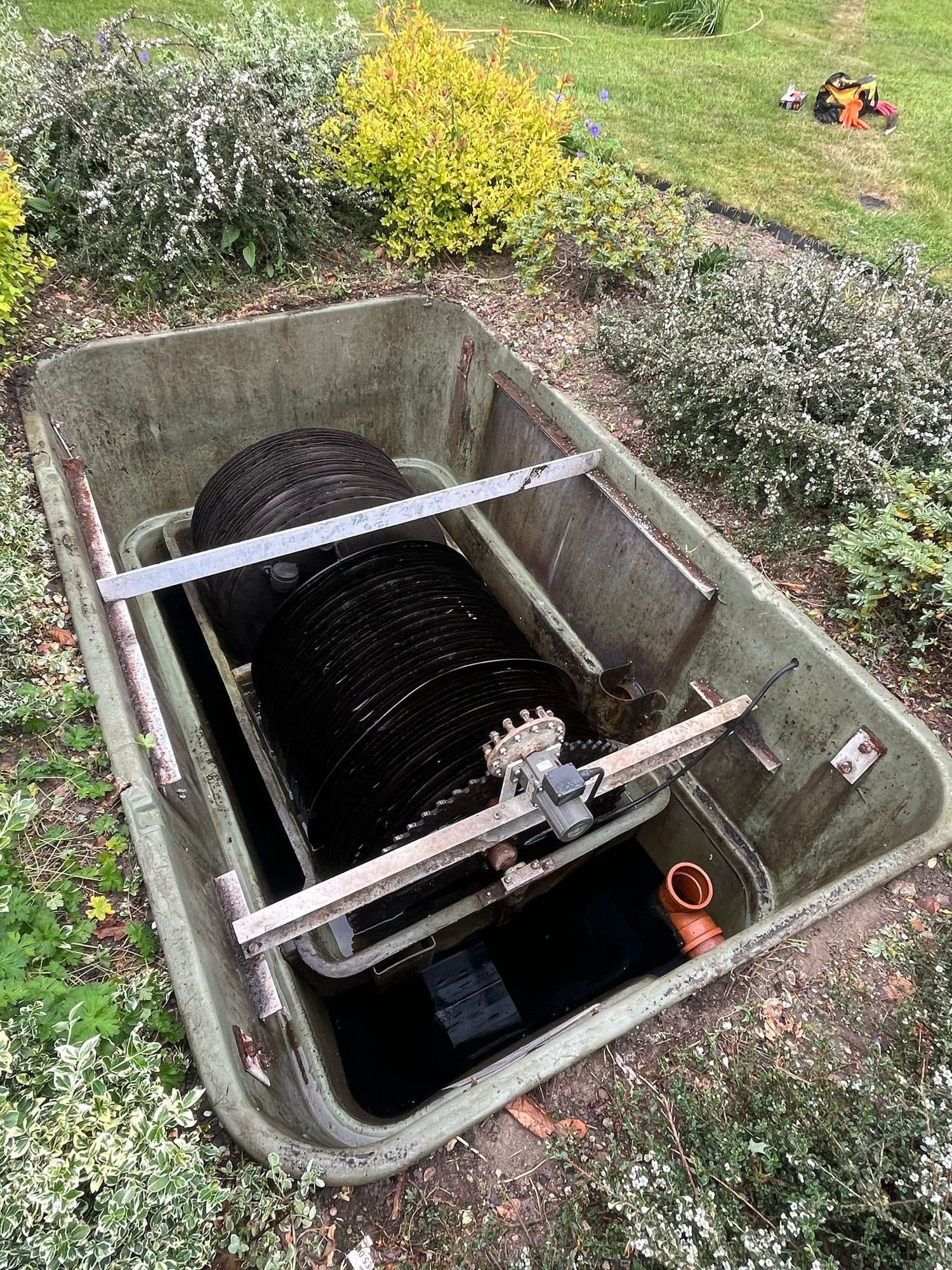
General Binding Rules explained for homeowners, what they are, who they apply to, and how to stay compliant with private drainage systems.
At KP Cesspool Services, we are often asked about the General Binding Rules and what they mean for homeowners with private drainage systems. The rules apply to septic tanks, sewage treatment plants, and other small sewage discharges, and they exist to protect the environment from pollution. Understanding the General Binding Rules is essential for anyone responsible for a private wastewater system, as failure to comply can lead to enforcement action and costly changes.
What the General Binding Rules Are
The General Binding Rules are a set of legal requirements that govern how small sewage discharges must be managed in England. They apply to septic tanks and sewage treatment plants that discharge wastewater into the ground or a surface watercourse. The rules are designed to reduce pollution and ensure wastewater systems operate safely and responsibly without needing an environmental permit in most cases.
Who the Rules Apply To
The General Binding Rules apply to homeowners, landlords, and businesses that own or are responsible for a private wastewater system with a discharge. This includes septic tanks and sewage treatment plants serving single properties or small groups of properties. Cesspools discharge nothing at all, so these rules do not apply to them. Owners still have to keep the tank sealed and watertight, never let it overflow, and have the contents removed by a registered waste carrier, and the duty not to cause pollution applies whatever the system.
Why the Rules Were Introduced
The rules were introduced to address environmental damage caused by poorly maintained or outdated private drainage systems. Discharges that are not treated properly can pollute rivers, streams, and groundwater. By setting clear standards, the rules ensure that wastewater systems are installed, maintained, and operated in a way that protects public health and the environment.
Key Requirements of the General Binding Rules
Under the rules, wastewater systems must be correctly installed, appropriately sized, and properly maintained. Septic tanks and treatment plants must treat sewage to an acceptable standard before discharge. The discharge point must not cause pollution, and systems must not release sewage directly into surface water unless they meet specific requirements. Regular servicing and desludging are essential parts of compliance.
Maintenance and Servicing Expectations
Ongoing maintenance is a central part of the General Binding Rules. Sludge must be removed regularly so it does not escape into the drainage system or discharge point. For treatment plants, mechanical components must be kept in good working order. Missed maintenance is one of the most common reasons systems fall out of compliance. Where wastewater is stored rather than discharged, regular Cesspool Emptying is still essential to prevent overflow and pollution.
Discharge Locations and Restrictions
The rules place limits on where wastewater can be discharged. Septic tanks and treatment plants must not discharge sewage that causes visible pollution or harm to the surrounding area. Some older systems that discharge directly to surface water may no longer be acceptable and may need to be upgraded or replaced. Assessing the discharge location is a key part of determining whether a system complies with the rules.
The Role of the Environment Agency
The Environment Agency is responsible for overseeing compliance with the General Binding Rules. While many systems do not require a permit, the Environment Agency can take action if a system causes pollution or does not meet the required standards. This can include requiring repairs, upgrades, or changes to how the system is operated.
What Happens If You Do Not Comply
If a private wastewater system does not comply with the General Binding Rules, the owner may be required to take corrective action. This can involve repairs, changes to the discharge arrangement, or full replacement of the system. Non compliance can also cause issues during property sales, as buyers and solicitors often request confirmation that drainage systems meet current standards.
How to Stay Compliant
Staying compliant starts with understanding your system and keeping it properly maintained. Regular servicing, timely emptying, and early investigation of any problems all help reduce risk. If drainage issues develop, they may also involve Blocked Drains and Tanks, which should be resolved quickly to prevent pollution. Keeping records of maintenance and emptying visits also helps demonstrate responsible management.
Choosing a Trusted Provider
Correct maintenance and advice are essential when dealing with regulatory requirements. We always recommend checking reviews on trusted platforms such as Checkatrade before choosing a provider, as experience and correct handling are vital for compliance and environmental protection.
Conclusion
The General Binding Rules set clear expectations for how private wastewater systems must be managed to protect the environment. Understanding these rules helps homeowners avoid enforcement issues and ensures systems operate safely and responsibly. At KP Cesspool Services, we support customers with clear advice, maintenance, and compliance focused services. If you would like help understanding how the General Binding Rules apply to your system or need guidance on staying compliant, contact us and we will be happy to help.