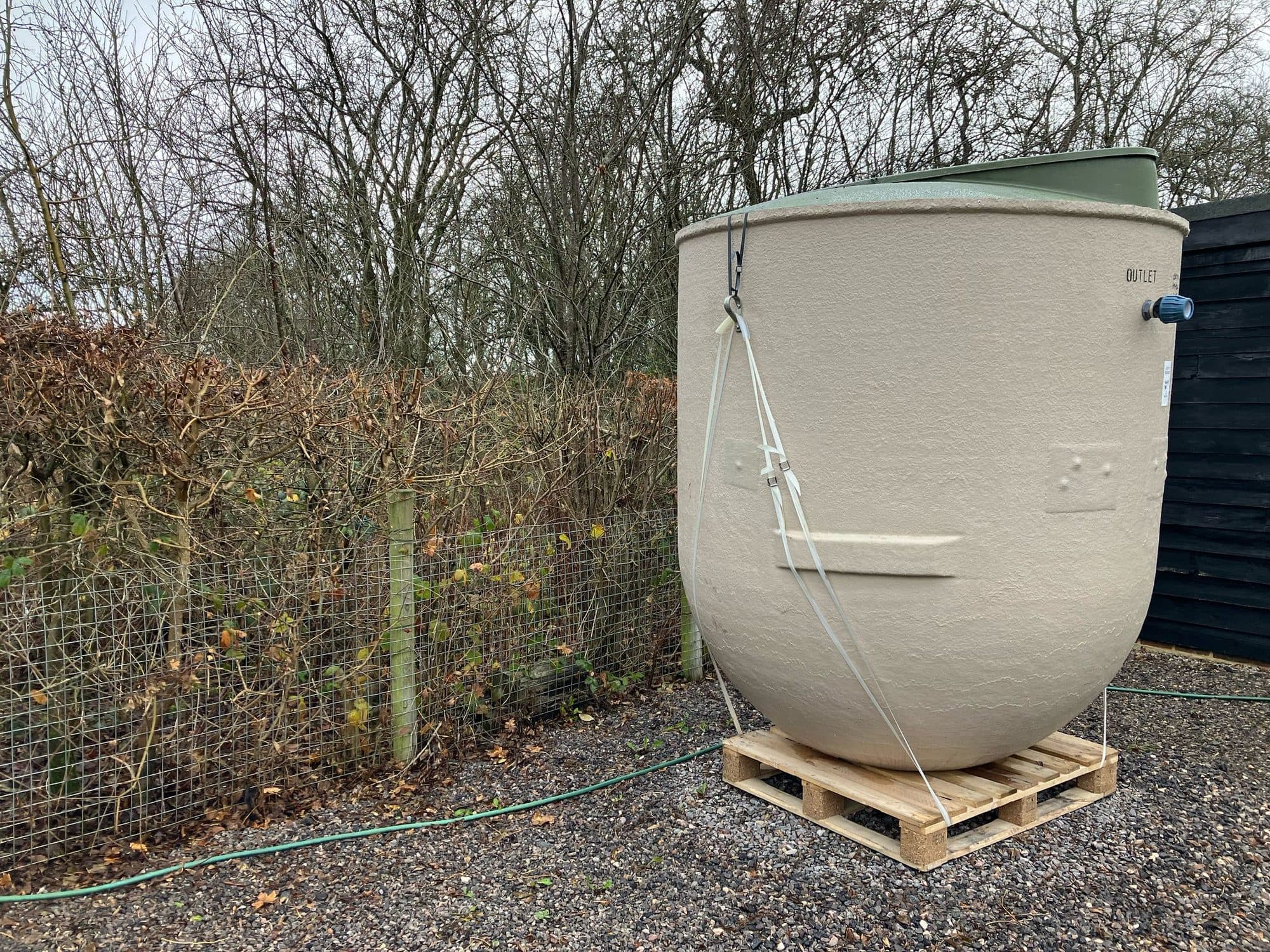
How long does a treatment plant last? Learn typical lifespan, what affects it and when replacement becomes the better option
At KP Cesspool Services, one of the most common questions we get asked is how long a treatment plant actually lasts. The short answer is that most sewage treatment plants last between 15 and 25 years. However, in practice, the lifespan depends far more on how the system is used and maintained than the model itself.
We regularly see well maintained systems still performing properly after 20 years, while others begin to fail much earlier. The difference almost always comes down to servicing, usage, and how quickly small issues are dealt with.
What Affects the Lifespan of a Treatment Plant
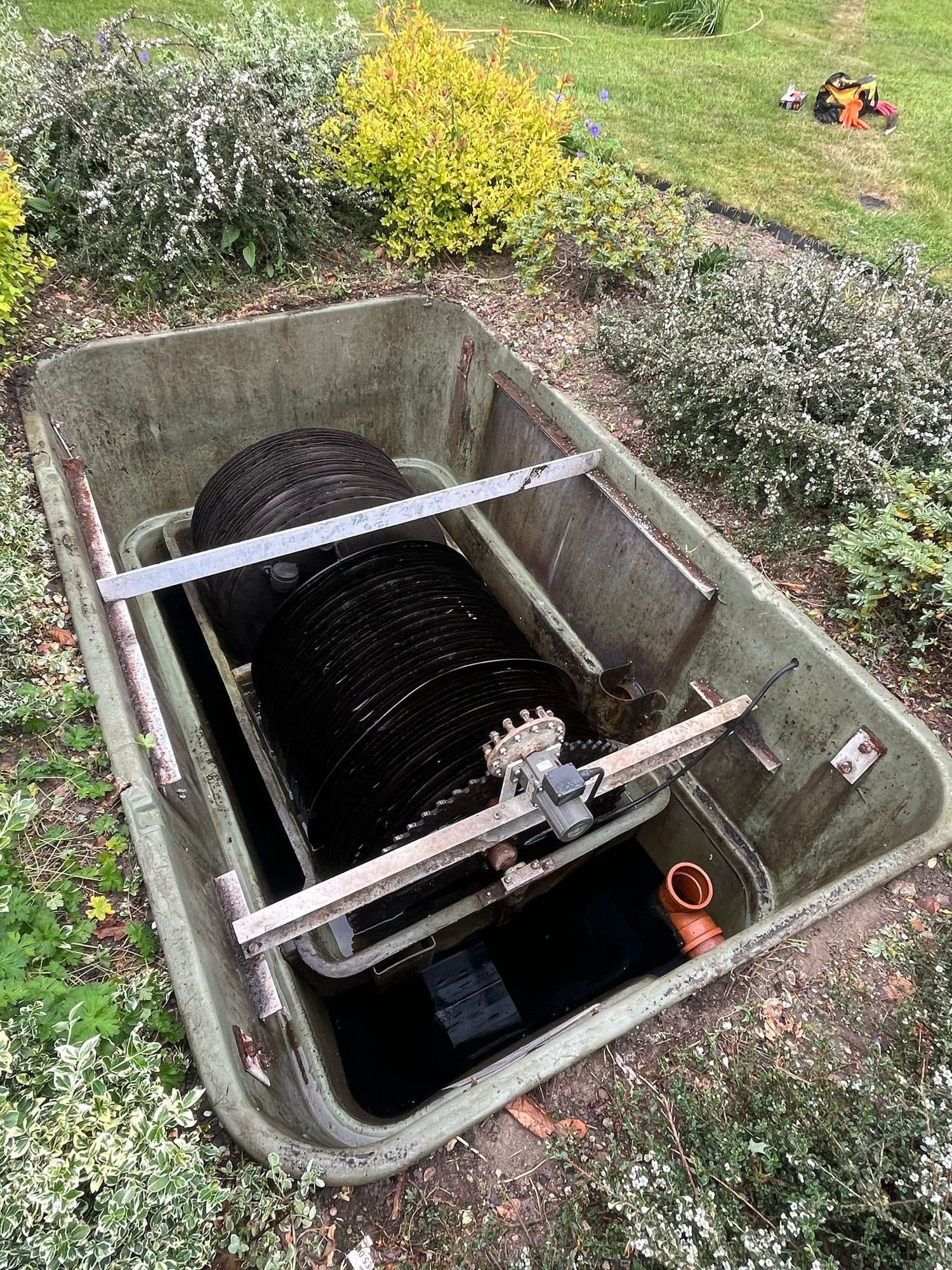
A treatment plant is not just a tank. It is a system made up of chambers, mechanical parts, and biological processes. Each part plays a role in how long the system lasts.
The most important factors include how often the system is emptied, whether it is serviced regularly, and how it is used on a day to day basis. In our experience, systems that are maintained properly tend to last significantly longer than those that are only looked at when something goes wrong.
The Role of Regular Emptying
One of the key factors in extending the life of a treatment plant is keeping sludge levels under control. Over time, sludge builds up in the primary chamber and needs to be removed.
Regular Treatment Plant Servicing and Repairs and emptying ensure the system continues to operate efficiently. When sludge is left to build up, it begins to affect flow and treatment quality, which puts additional strain on the system.
What actually tends to happen is that neglected systems do not fail all at once. They gradually lose efficiency until problems become noticeable. By that stage, parts of the system may already be worn.
Mechanical Components and Wear
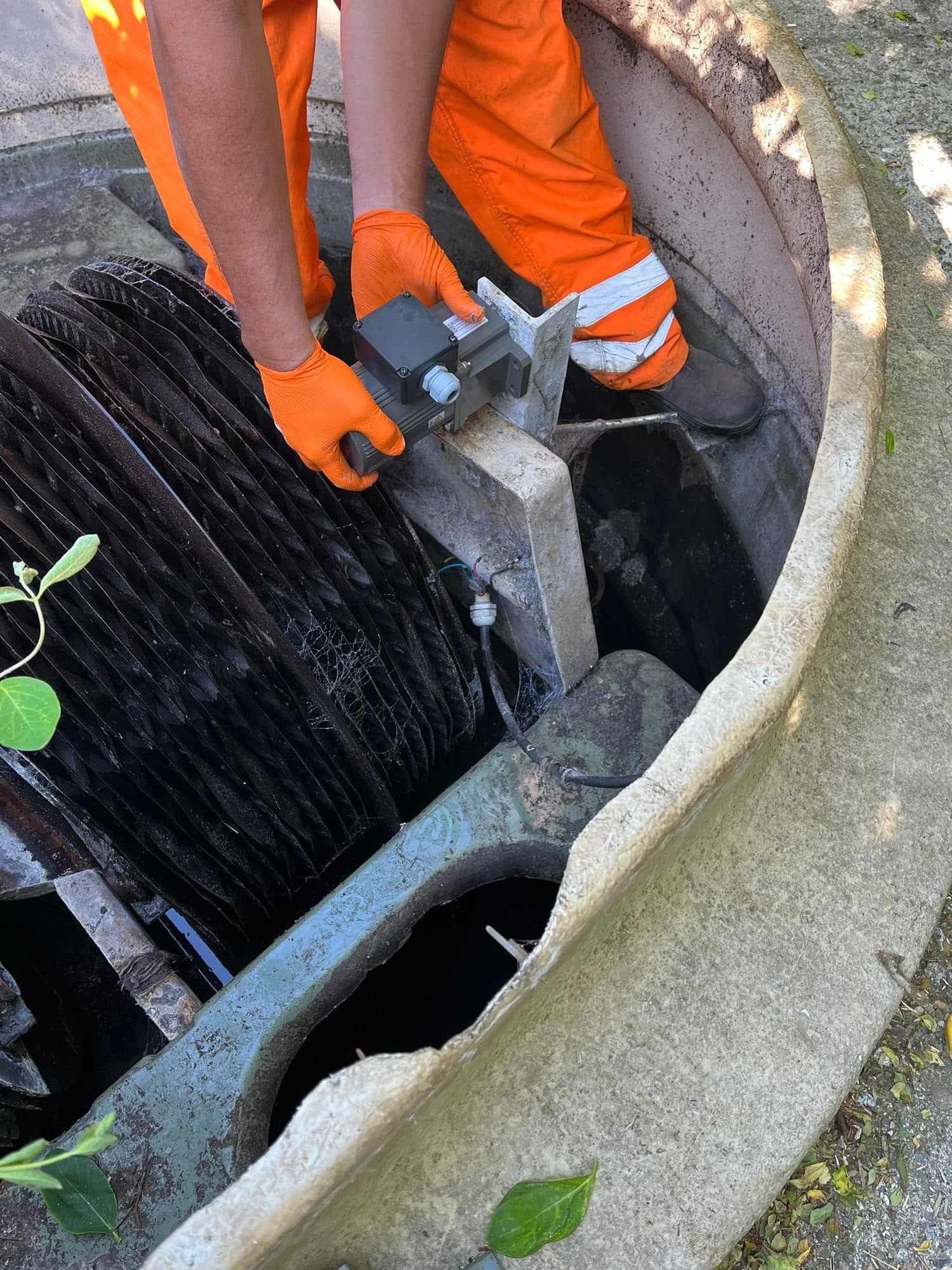
Unlike cesspools or basic septic tanks, treatment plants rely on mechanical components such as blowers or pumps. These parts do not last as long as the tank itself.
In practice, we often see mechanical components needing attention every 5 to 10 years, depending on usage. These parts can usually be repaired or replaced without needing to replace the entire system. Keeping these components in good working order plays a big role in extending the overall lifespan of the plant.
Impact of Daily Usage
How a system is used has a direct impact on how long it lasts. High water usage, frequent overloading, or flushing unsuitable items can all reduce the lifespan of a treatment plant.
We regularly see issues caused by wipes, sanitary products, and fats entering the system. These materials interfere with the treatment process and can lead to Blocked Drains and Tanks, which then affects the entire system.
Balanced usage and good habits make a noticeable difference over time.
Signs a Treatment Plant Is Reaching the End of Its Life
There are usually clear signs when a treatment plant is nearing the end of its lifespan. Persistent smells, poor drainage, and reduced treatment performance are some of the most common indicators.
Another sign is repeated mechanical failure. If components are breaking down more frequently, it often suggests the system is under strain or ageing.
In our experience, when a system starts to require regular repairs, it is usually more cost effective to consider replacement rather than continuing to fix individual issues.
Environmental and Legal Considerations
Treatment plants must meet certain environmental standards. The Environment Agency expects systems to operate correctly and not cause pollution.
If an older system is no longer treating wastewater effectively, it may not meet current requirements. The General Binding Rules outline what is expected from private wastewater systems in terms of treatment and discharge.
This means that even if a system is still functioning, it may need upgrading if it no longer complies with current standards.
Can a Treatment Plant Last Longer Than 25 Years
In some cases, yes. We have seen treatment plants last longer than 25 years when they have been properly maintained and used carefully. However, this is not something to rely on.
What actually tends to happen is that while the tank itself may still be structurally sound, the internal components and overall efficiency begin to decline. At that point, the system may still work, but not to the standard expected today.
When Replacement Becomes the Better Option
There comes a point where replacing a treatment plant is more practical than continuing repairs. This is usually when the system is no longer reliable, fails to meet environmental standards, or requires ongoing work to keep it running.
Modern New Tank Installations offer improved efficiency and are designed to meet current regulations. They also tend to require less maintenance when used correctly.
Choosing the Right Support
Keeping a treatment plant running for as long as possible depends on consistent maintenance and professional advice. We always recommend checking reviews on trusted platforms such as Checkatrade before choosing a provider.
Working with an experienced company ensures the system is serviced properly and any issues are identified early.
Conclusion
So, how long does a treatment plant last? In most cases, between 15 and 25 years, but the real answer depends on how well it is maintained and used. From our experience, the systems that last the longest are the ones that are serviced regularly and not pushed beyond their limits. At KP Cesspool Services, we help homeowners get the most out of their systems with practical advice and reliable support. If you want to extend the life of your treatment plant or check how it is performing, contact us and we will be happy to help.