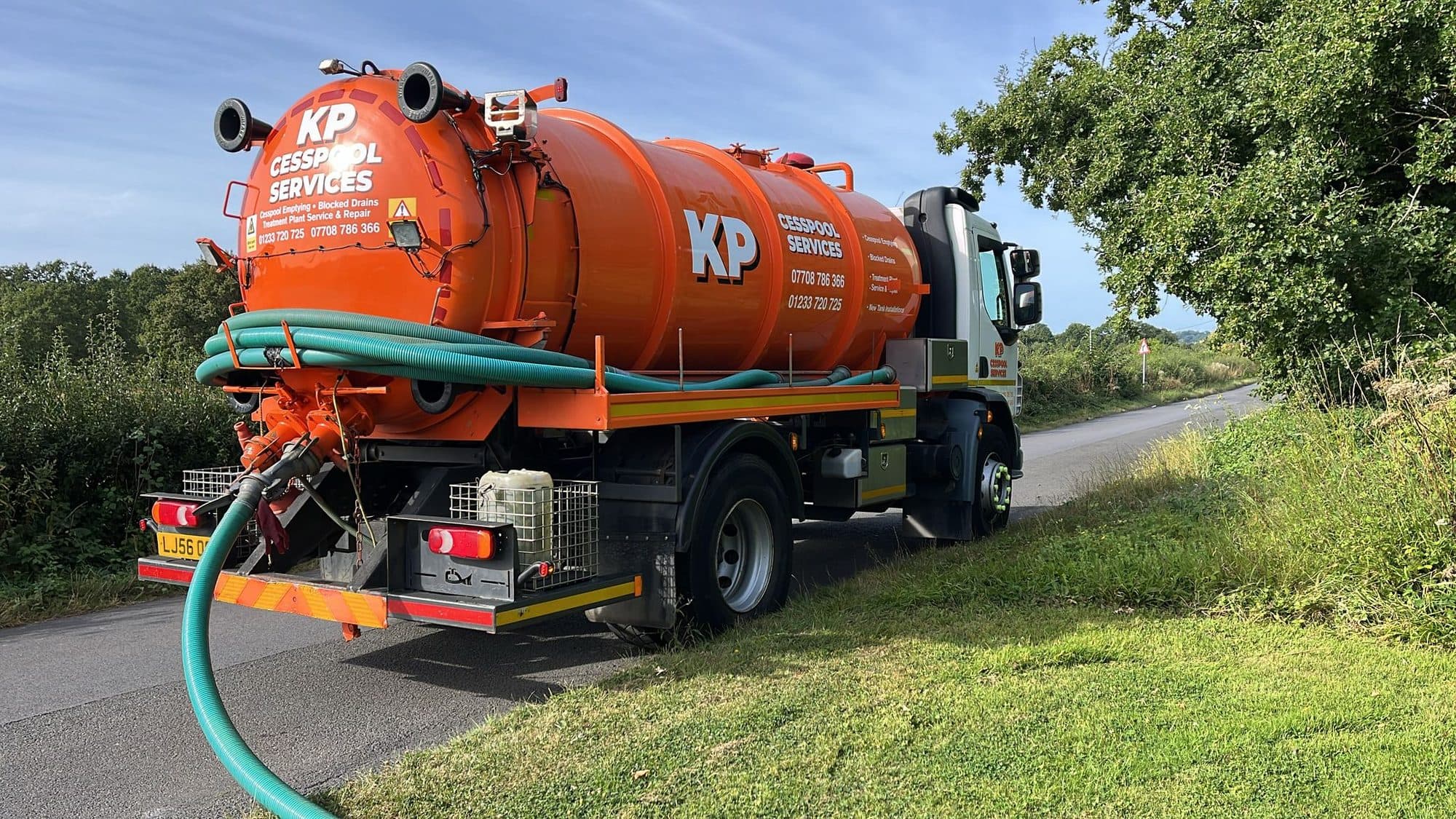
Treatment plant emptying in East Sussex explained. Learn why it’s essential, how often it’s needed and how to keep your system working properly.
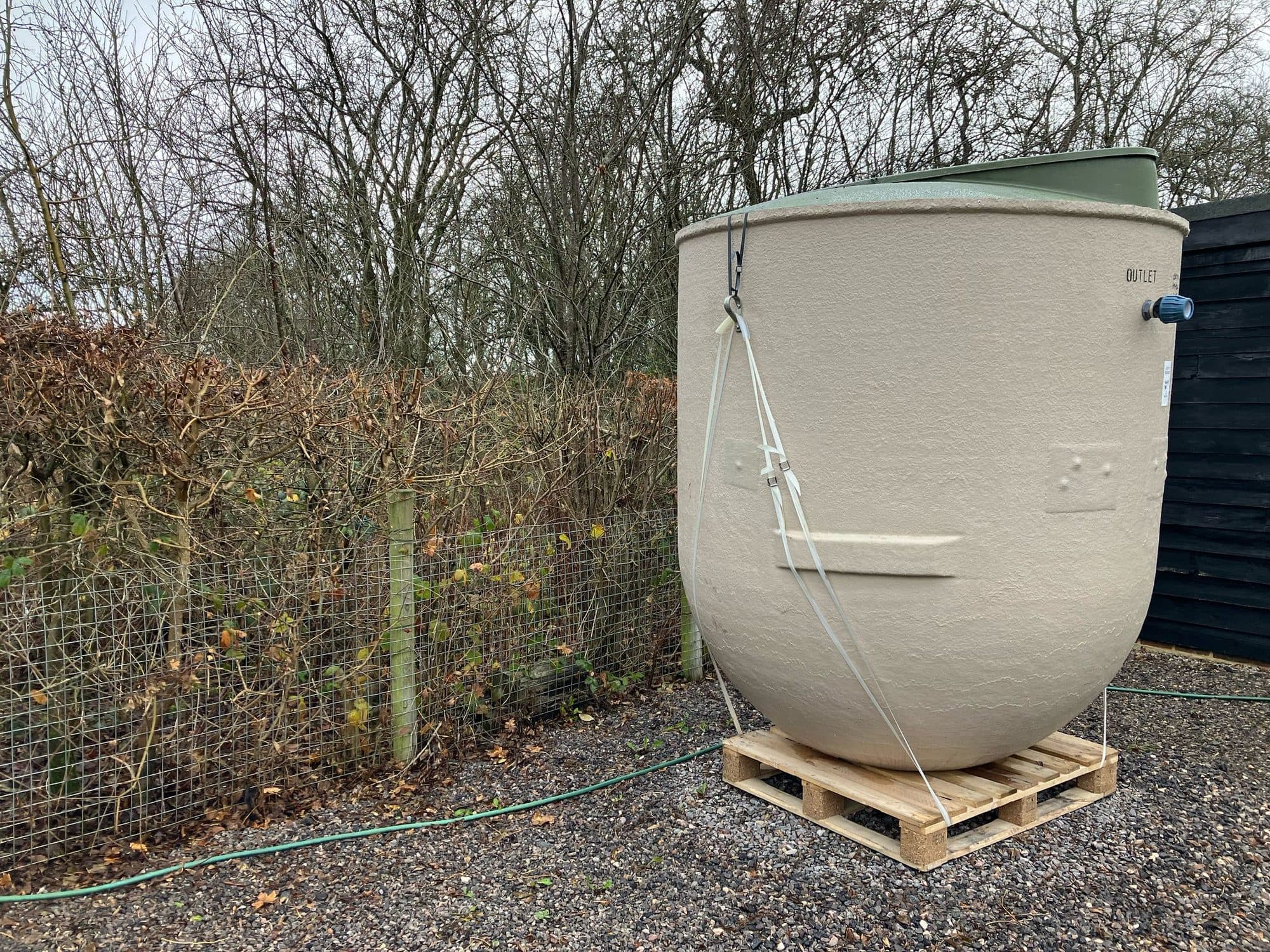
At KP Cesspool Services, we carry out treatment plant emptying across East Sussex for homes and properties that rely on private wastewater systems. Sewage treatment plants are designed to treat waste before safely discharging it, but they still require regular emptying to keep them working properly.
From experience, many people assume that because a treatment plant processes waste, it does not need emptying as often. In reality, what we see is that missed emptying is one of the most common reasons treatment plants begin to underperform.
Why Treatment Plant Emptying Is Essential
Even though a treatment plant treats wastewater, it still produces sludge. This sludge settles in the primary chamber and builds up over time. If it is not removed, it starts to interfere with the treatment process.
As sludge levels rise, the system becomes less effective. Wastewater may not be treated properly, and the quality of discharge can drop. In more advanced cases, the system can begin to show signs of failure, including smells and poor drainage.
Regular Treatment Plant Servicing and Repairs alongside emptying helps keep the system running as it should.
How Often Treatment Plants Need Emptying
Most treatment plants in East Sussex require emptying once a year, which we fit around the rest of our septic tank and cesspool services in East Sussex. However, this can vary depending on usage. Larger households or properties with higher water demand may need more frequent attention.
A common mistake we see is waiting until there is a problem before arranging emptying. By the time symptoms appear, the sludge level is already too high, and the system is under pressure. A regular schedule avoids this entirely.
Signs Your Treatment Plant Needs Emptying
There are several clear signs that a treatment plant may need emptying. Slow draining sinks and toilets are often the first indicator. You may also notice gurgling sounds in the pipework or unpleasant smells around the tank or discharge point.
What actually tends to happen is that these signs build up gradually. Many homeowners adjust to them without realising the system is not performing properly. Acting early prevents more serious issues.
What Happens During Treatment Plant Emptying
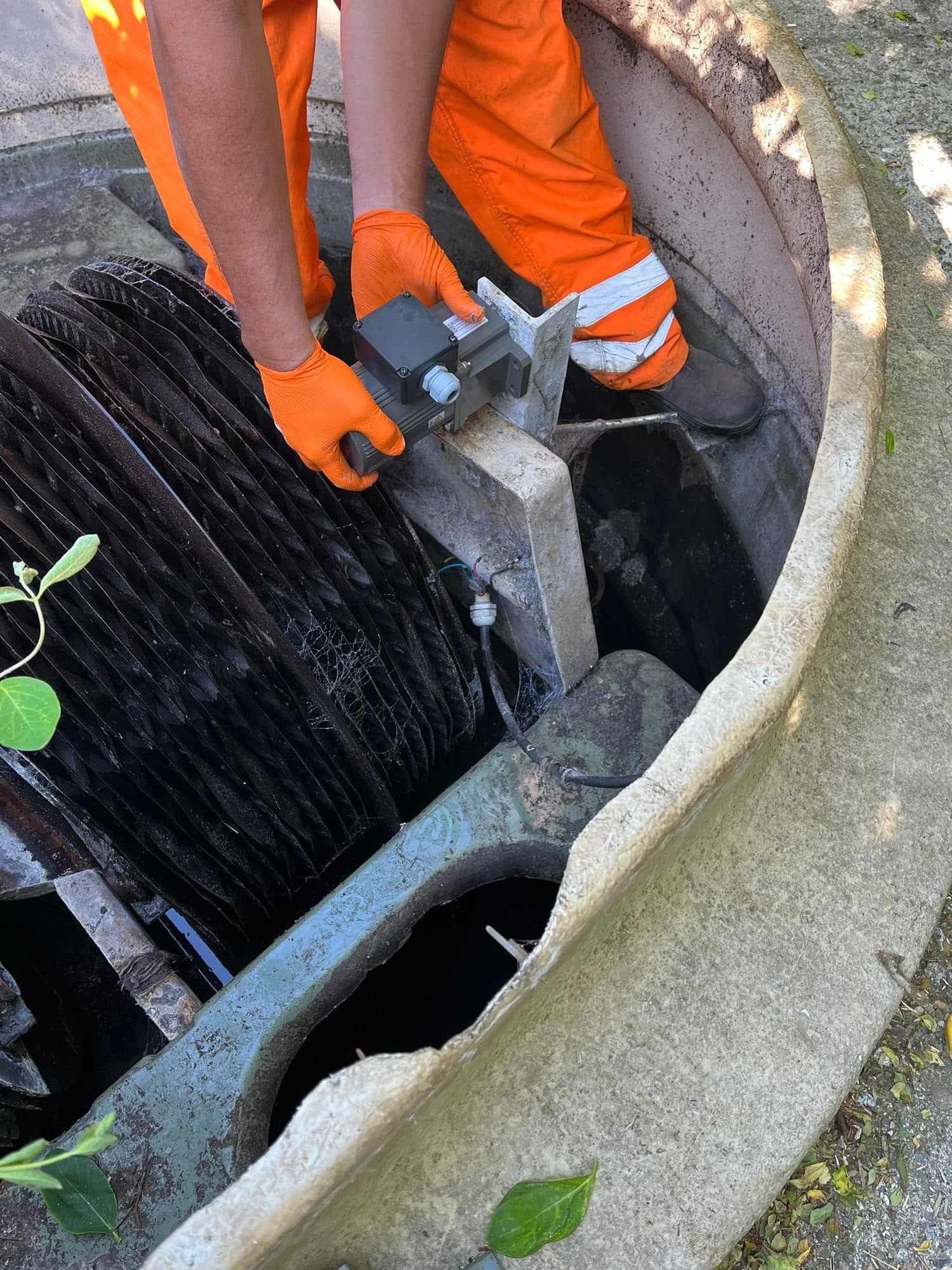
When we carry out treatment plant emptying in East Sussex, we remove sludge from the primary chamber using a vacuum tanker. This restores the system’s capacity and allows the treatment process to work efficiently again.
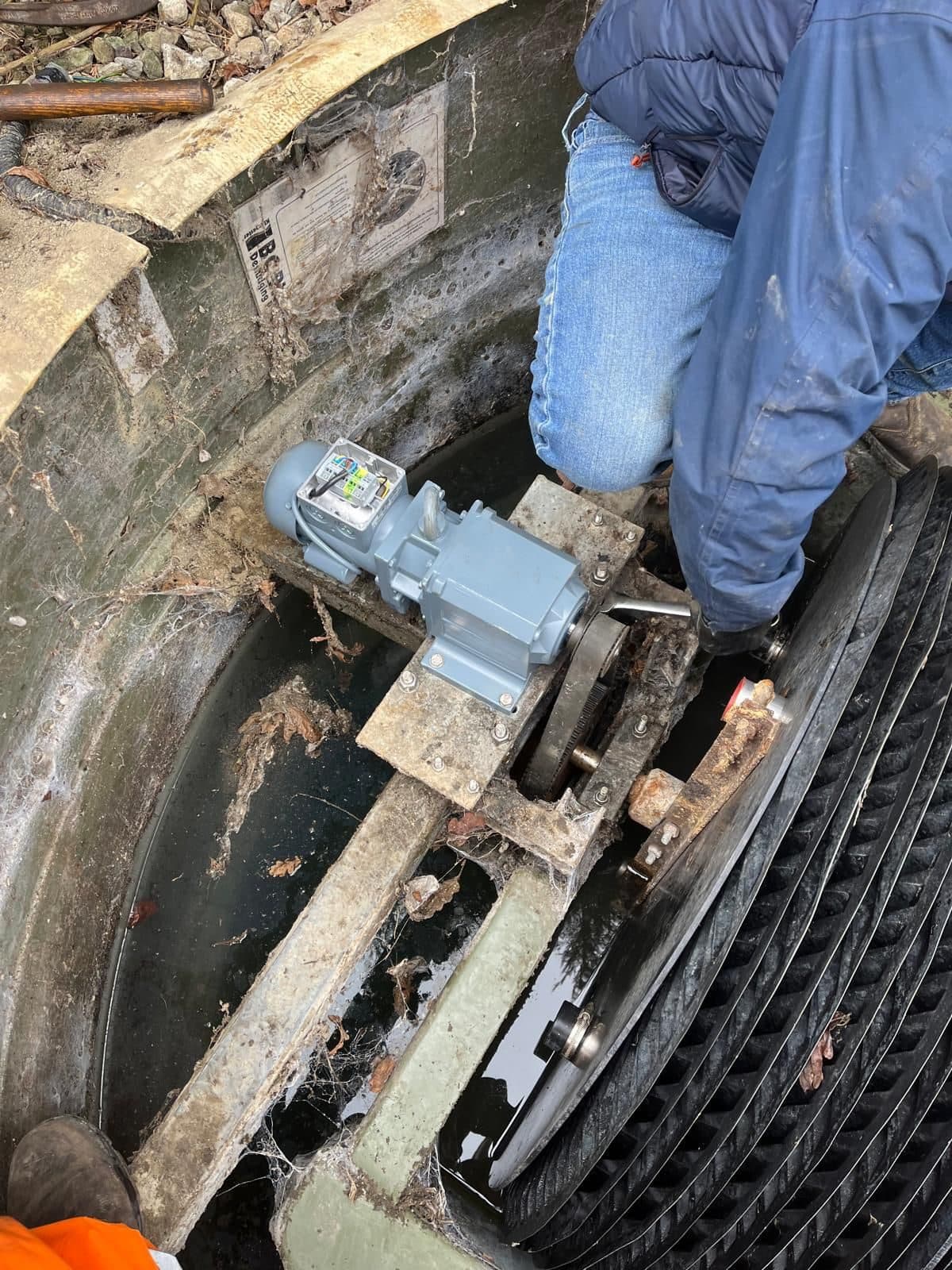
While on site, we also check the general condition of the plant. In practice, this is where we often identify early faults such as reduced airflow or uneven flow through the system. Catching these early can prevent the need for more extensive repairs later.
Common Issues Linked to Poor Maintenance
When treatment plants are not emptied regularly, a number of issues can develop. Sludge can move into other chambers, disrupting the treatment process. Mechanical components may have to work harder, increasing wear over time.
We also frequently see poor flow linked to Blocked Drains and Tanks, which can affect how wastewater enters and leaves the system. These problems often occur alongside high sludge levels.
Environmental Responsibilities
Treatment plants must operate in a way that protects the environment. The Environment Agency expects systems to be maintained properly and not cause pollution.
If a treatment plant is not emptied and maintained, untreated or poorly treated water may be discharged, which can lead to environmental damage. Systems must also comply with the General Binding Rules, which set standards for wastewater treatment and discharge.
Reducing the Risk of Problems
There are simple steps that help keep a treatment plant working efficiently between emptying visits. Avoid flushing items that do not break down easily, such as wipes or sanitary products. Do not pour fats or oils down sinks, as these can interfere with the treatment process.
Spreading water use throughout the day also helps prevent overloading the system. In our experience, consistent usage habits play a big role in how well a treatment plant performs over time.
When a System May Need Upgrading
In some cases, older treatment plants or systems that have not been maintained properly may struggle to meet current standards. Repeated issues or poor treatment performance can indicate that the system is no longer suitable.
Where this happens, modern New Tank Installations can provide a more reliable and compliant solution.
Choosing a Reliable Service Provider
Treatment plant emptying should always be carried out by experienced professionals using the correct equipment. We recommend checking reviews on trusted platforms such as Checkatrade before choosing a provider. This ensures waste is handled safely and the system is properly maintained.
Conclusion
Treatment plant emptying in East Sussex is essential for keeping your system efficient, compliant, and reliable. Most of the issues we deal with come from missed maintenance or delayed emptying. With the right schedule and proper care, these problems can be avoided. At KP Cesspool Services, we provide practical advice and dependable service based on real experience. If your treatment plant is due for emptying or you want to ensure everything is working as it should, contact us and we will be happy to help.