The five signs your septic system needs upgrading, including legal duties, drainage field failure, ageing tanks and choosing the right replacement.
There are five situations that mean it is time to upgrade your septic system, and the first one is not optional. If your septic tank discharges directly to a stream, river or ditch, you have been required to replace or upgrade it since 1 January 2020, and selling the property brings that obligation forward to the point of sale. The other four are a failed drainage field, a tank that has reached the end of its structural life, a household that has outgrown the system it was sized for, and a system that now needs a repair every year to keep it limping along. If any of these apply, the question is not whether to act but how soon.
The reason the watercourse rule matters most is that it is a legal duty rather than a judgement call, and a great many owners do not know it applies to them. Under the General Binding Rules, a septic tank is only allowed to discharge to ground through a proper drainage field. Discharging the effluent from a septic tank straight to surface water has not been permitted for years, and where a tank still does, the Environment Agency expects it to be put right. Selling triggers it immediately, because the rules place a duty on the seller to tell the buyer in writing what the system is, and a tank discharging to a watercourse becomes a point of negotiation that can hold up a sale or come off the price. From working with clients across Kent and East Sussex, this is the single most common reason a system that was quietly tolerated for years suddenly has to be dealt with, and it almost always surfaces during a conveyancing search rather than before it.
Working out what you actually have
Before any of the triggers make sense, you need to know which of three systems you own, because the rules and the upgrade paths are different for each.
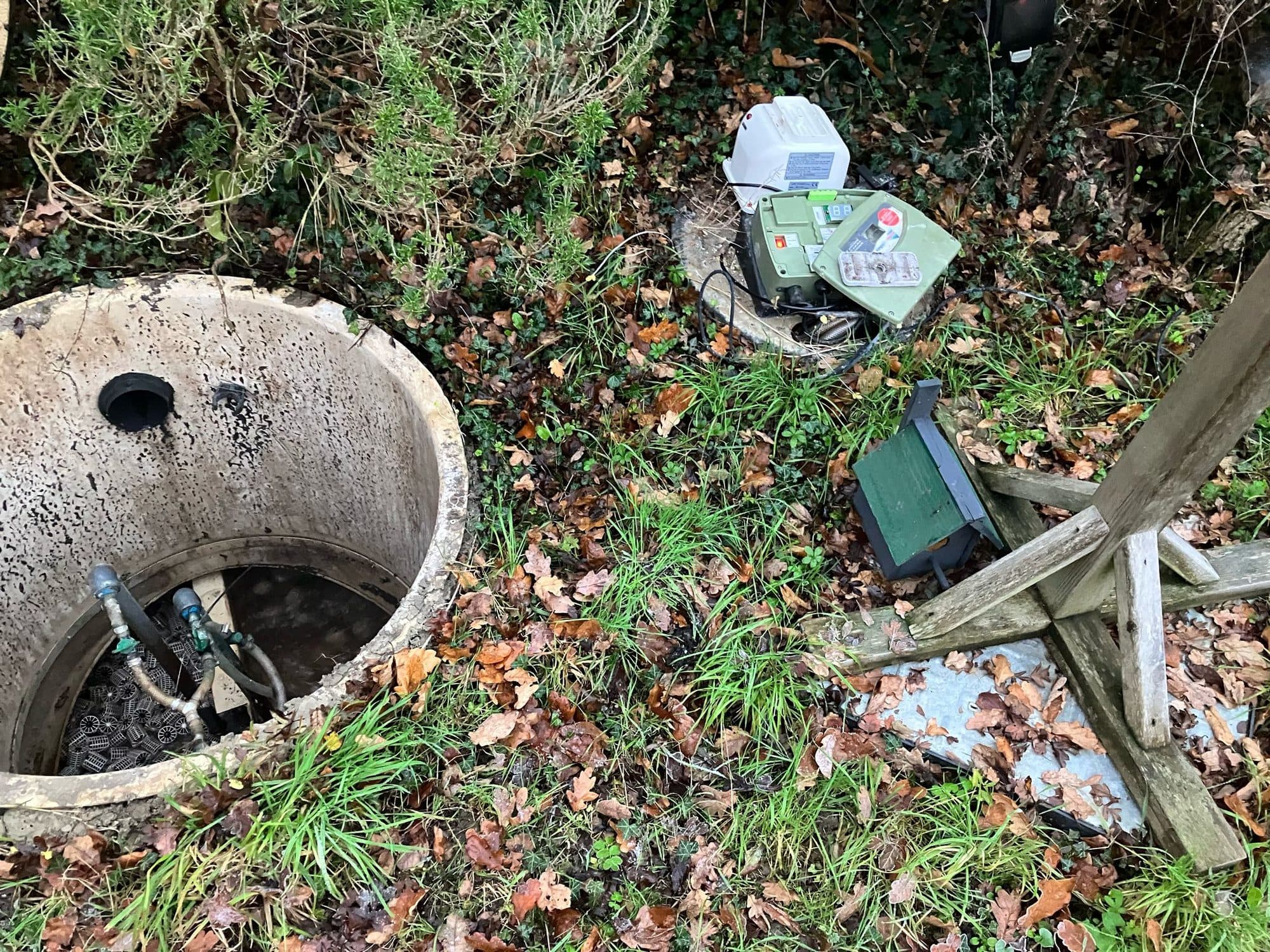
A septic tank gives primary treatment only. Solids settle, and the liquid above flows out to a drainage field where the soil finishes the job. A sewage treatment plant does more, using powered components to treat the effluent to a standard clean enough that, with the right permissions, it can discharge to a watercourse. A cesspool treats nothing at all. It is a sealed holding tank that stores everything until it is emptied. If you are not certain which you have, the giveaway is usually whether there is anything electrical running and where the outflow goes, though the reliable way to be sure is to have someone who works on them look.
This matters for upgrading because a septic tank that fails its drainage field and a treatment plant that fails its blower are two entirely different problems with two entirely different fixes.
Trigger one, the drainage field has failed
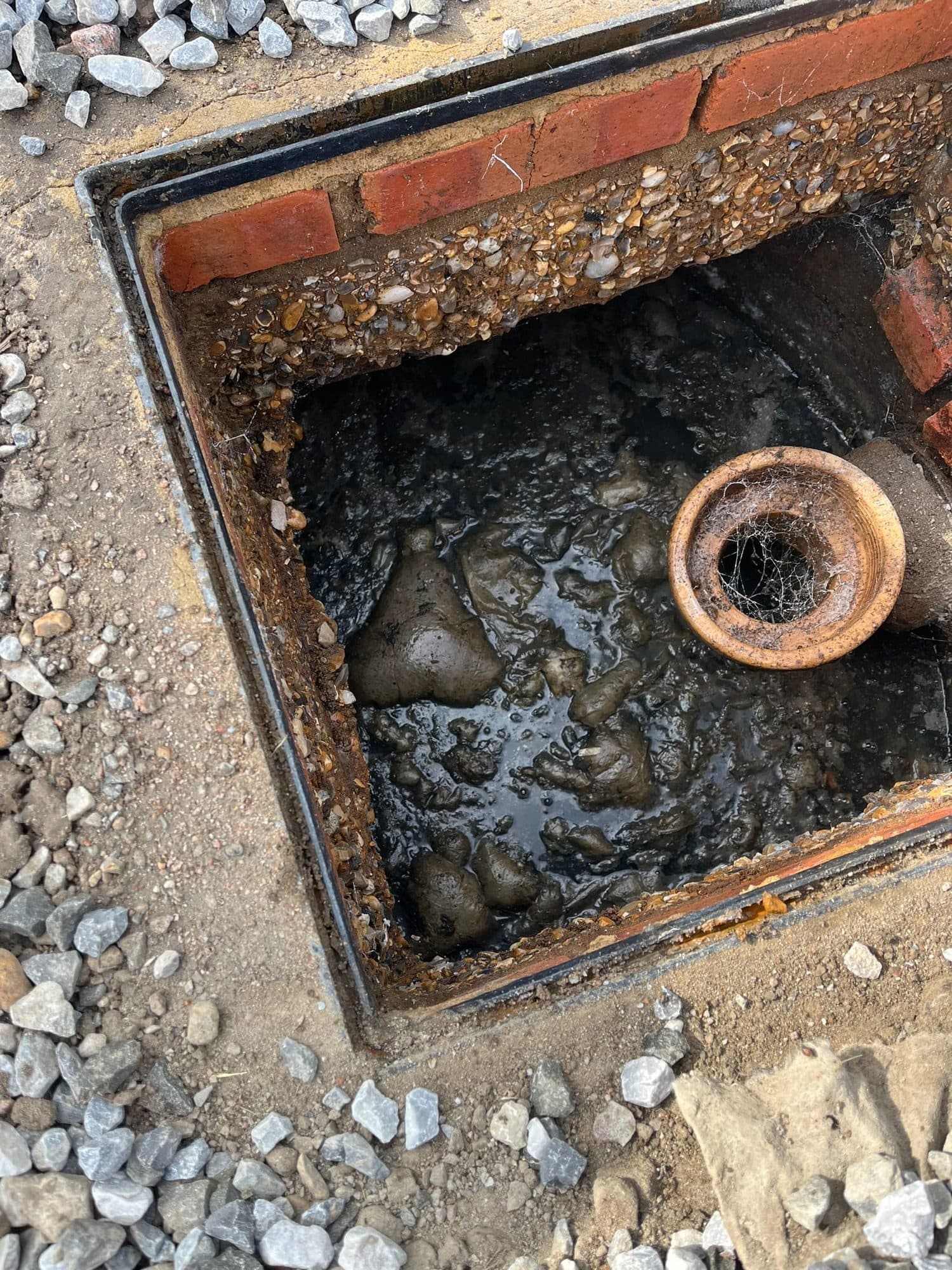
A septic tank is only ever as good as the ground it drains into, and the drainage field is the part that fails most often and most expensively. When it stops accepting effluent, the signs are specific. The ground over the field goes soggy and unusually lush, there may be a smell outdoors, and drains back up indoors even though the tank itself is not full. On much of the low-lying ground across our patch, a field that was marginal when it was laid eventually clogs, because the soil never had the percolation or the depth above the water table to cope in the first place.
The standards behind this are worth knowing. A drainage field built to BS 6297 needs at least a metre of unsaturated soil beneath the pipework even at the winter high point of the water table, and soil that percolates within a workable band. Where the water table is high and the soil is heavy clay, those conditions are hard to meet, which is why drainage field failure is one of the most common routes to septic tank failure in this region. A blocked field cannot always be rescued in place, and where it cannot, upgrading the whole system is often more sensible than laying a fresh field into ground that will defeat it again.
In our experience, a full sewage treatment plant works better than a replacement septic tank and soakaway on the heavy Wealden clay we deal with, because the plant produces effluent clean enough to discharge to a watercourse where one is available. That removes the dependence on a drainage field that the ground was never suited to in the first place, rather than rebuilding the exact weakness that failed.
Trigger two, the system has reached the end of its life
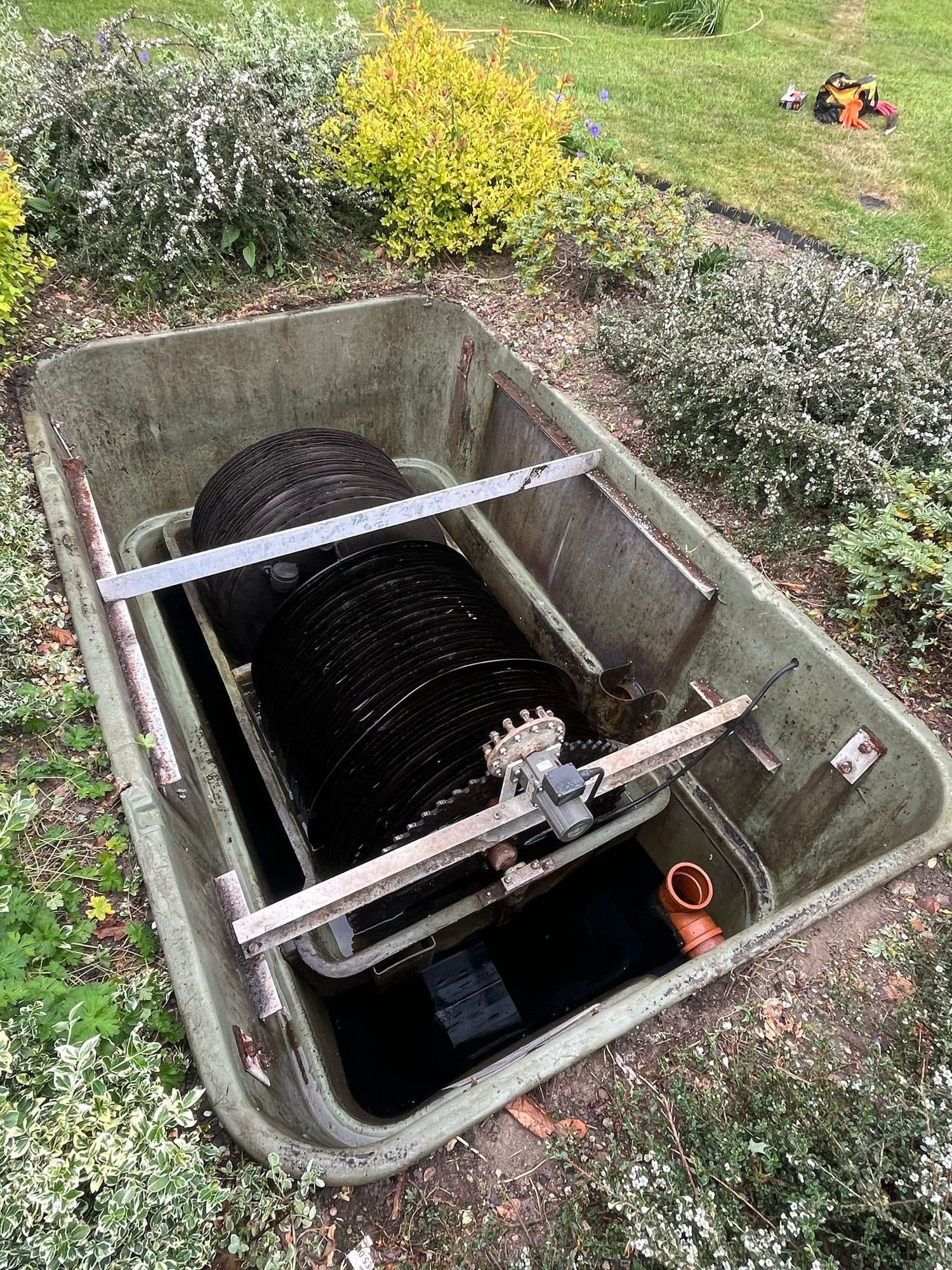
Everything underground has a working life. Older brick and concrete septic tanks eventually lose their integrity, the walls weaken, and a tank that is cracked or leaking is both a pollution risk and a structural one. A modern sewage treatment plant typically lasts somewhere in the region of 15 to 25 years, though how long it actually reaches depends far more on how it has been used and serviced than on the badge on it.
The tell that end of life has arrived is the pattern of the repairs rather than any single fault. One breakdown is a repair. A system that needs attention every year, where each fix buys a little less time than the last, is telling you it is being kept alive rather than genuinely working. At that point, continued treatment plant servicing and repairs is money spent postponing a replacement that is coming regardless, and the sums often favour upgrading sooner.
Trigger three, the household has outgrown the system
A system sized for the property as it was is not necessarily sized for the property as it is. The General Binding Rules are explicit that the system must be big enough for the maximum load it has to handle, and that if the amount of sewage increases, for instance because you extend the house or connect another property, you must check it is still large enough. A tank sized for a two-bedroom cottage that is now a five-bedroom home is overloaded, and an overloaded septic tank never gives solids time to settle, so they carry straight through to the drainage field and shorten its life.
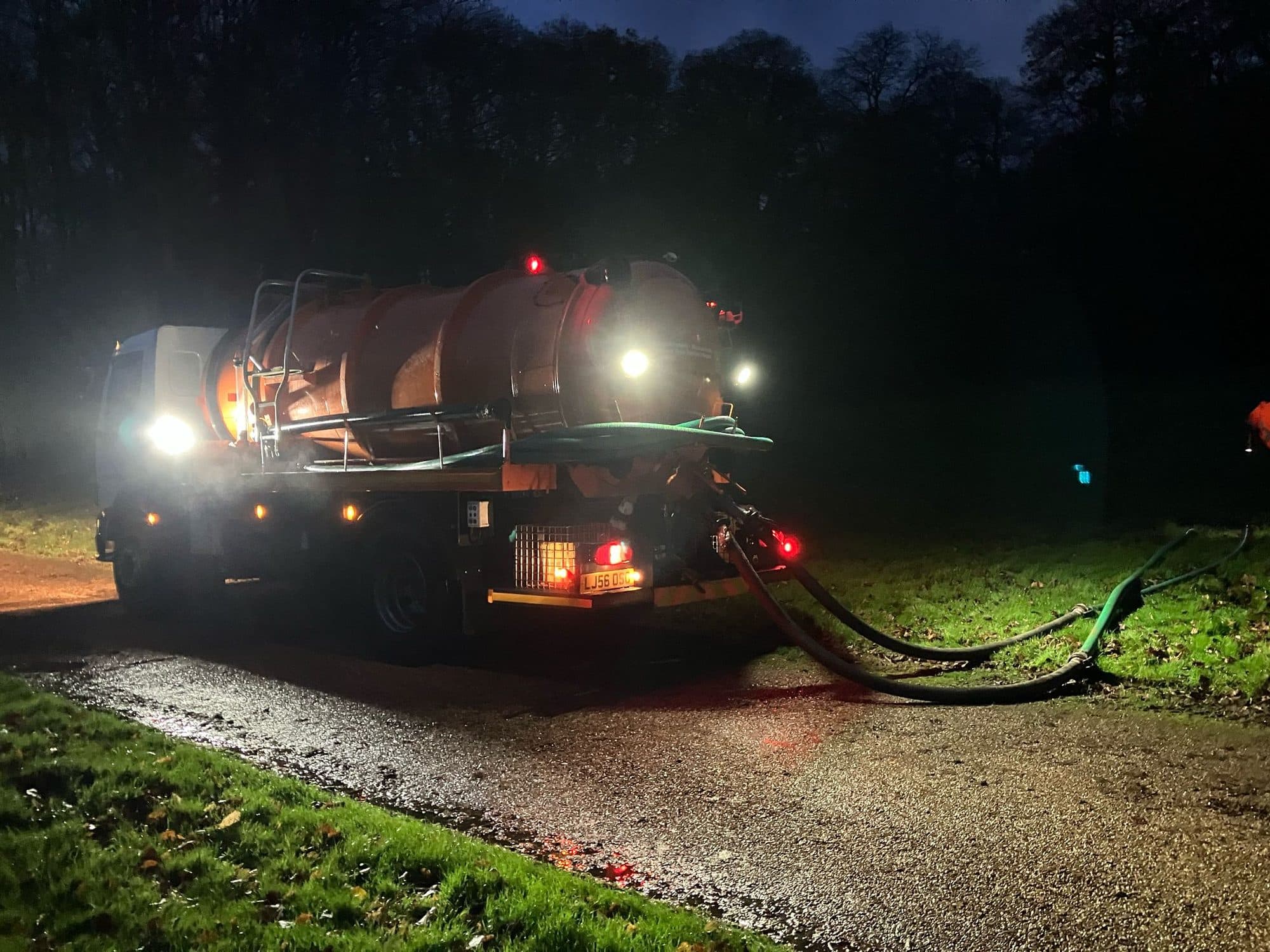
The signs are a fill rate that has climbed noticeably, more frequent septic tank emptying than the system used to need, and drains that struggle at times of heavy use. If you have extended or are planning to, it is worth checking the capacity before the system forces the issue, because designing the upgrade around a known load is far cheaper than reacting to a failure.
Trigger four, you are buying or selling
The point of sale is where more upgrades are triggered than at any other moment, and it is worth planning around rather than being caught by. If you are selling, the written disclosure duty means the state of your system is going to come out, and a non-compliant tank is better addressed on your terms than discovered by a buyer's solicitor. If you are buying a rural property, the drainage system deserves the same scrutiny as the roof. Find out what it is, where it discharges, and what condition it is in before you exchange, because the cost of an upgrade can run well into five figures and is far better negotiated before contracts than discovered after.
Choosing the right upgrade
Where you land depends on the site. Connecting to a mains sewer is the simplest answer where one is close enough, though across most rural parts of Kent and East Sussex it is not an option. Otherwise the practical choice is usually a modern sewage treatment plant, and where the site allows a compliant drainage field, a new septic tank remains a valid and often cheaper route.
This is where the ground does the deciding. On sites with a watercourse to hand and difficult soil, a treatment plant installation is frequently the sound long-term answer. On sites with genuinely suitable ground, a properly designed septic tank system can be entirely appropriate. We have a particular specialism in Klargester systems, which are among the most widely installed treatment plants in the country, and a well-chosen unit that suits both the household and the site tends to give far less trouble than a system picked on price alone. Whichever route fits, the quality of the new tank installation matters more than the make, and any new system needs planning permission and building regulations approval, with the unit meeting BS EN 12566.
Getting advice on upgrading your septic system
Over more than 20 years across Kent and East Sussex, the upgrades that go smoothest are the ones planned before a system fails outright, and the ones that cause the most stress are the ones forced by a sale or a pollution notice. If any of the five triggers rings true, whether a discharge to a watercourse, a soggy drainage field, an ageing tank, a grown household or an imminent sale, it is worth getting the system looked at while you still have the time to choose. KP Cesspool Services surveys, supplies and installs septic tanks and sewage treatment plants for domestic and commercial properties across both counties, and our reviews and credentials are listed on Checkatrade. To arrange a site assessment or talk through your options, call 01233 720725 or email kpcesspoolservices@hotmail.com.