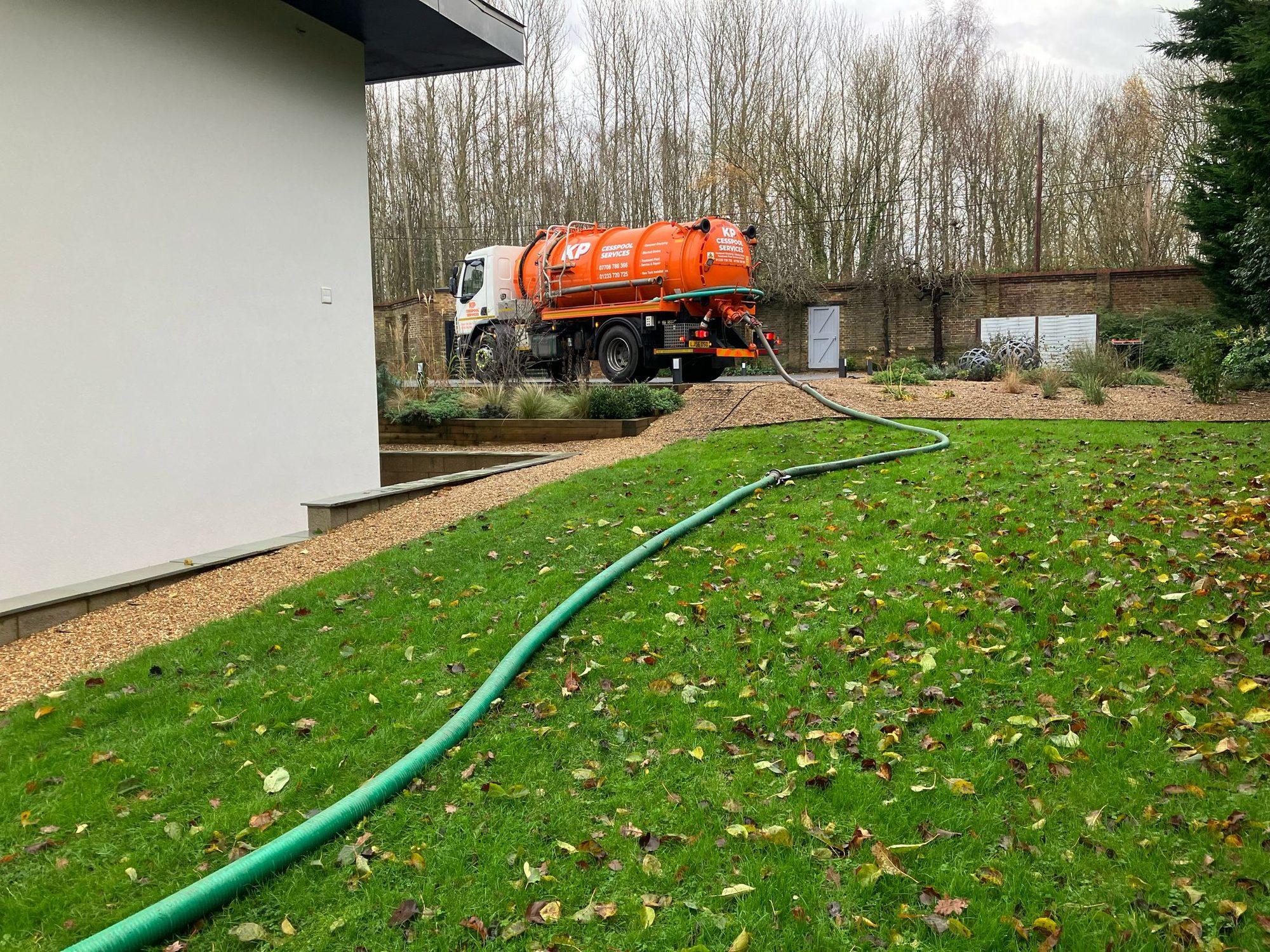
Treatment plants that discharge to a Romney Marsh dyke, what the rules expect of the outlet, who else has a say, and how servicing keeps the discharge clean.
Romney Marsh is drained by a dense network of dykes, and a great many sewage treatment plants around New Romney send their treated water into one of them. That is exactly what a plant is for, because what it discharges is clean enough for a watercourse in a way a septic tank's outlet is not. It also means the dyke at the bottom of your garden is the place anyone checking your system will look first. This guide covers what the rules expect of a plant discharging on the Marsh, who else has a say over the dykes, and how servicing keeps the outlet as clean as it should be.
Why plants and dykes go together here
The Marsh is flat, low lying and wet. The water table sits close to the surface for much of the year, so a septic tank's drainage field rarely has the dry soil it needs beneath it. A treatment plant gets round that by treating the waste properly and discharging to water rather than relying on the ground. The dykes are the obvious place for that water to go, and on a lot of properties they are the only one.
What the rules expect of the outlet
Under the General Binding Rules, a treatment plant may discharge up to 5 cubic metres a day to surface water without a permit, provided the conditions are met. Three of them matter most here.
The watercourse has to contain flowing water throughout the year. A field ditch that dries out every summer does not qualify, however wet it looks in February.
The plant has to be maintained and working. A plant that has stopped treating is still discharging, and what it discharges is no longer what the rules allowed.
And location matters. The coast here sits within the Dungeness, Romney Marsh and Rye Bay designations, and a new discharge to surface water cannot use the binding rules within 500 metres of them. A plant installed since 2015 close to the coast may therefore be operating under an environmental permit rather than the binding rules, and a replacement in that zone will need one.
The drainage board has a say too
Many of the larger dykes are looked after by the Romney Marshes Area Internal Drainage Board. Its consent is needed for works in a watercourse it maintains, or within 8 metres of one, and that consent is separate from anything the Environment Agency requires. In practice, a new outfall pipe into one of the Board's dykes, or a replacement plant with a new outlet, is a conversation with the Board as well as with building control. We will tell you early if your site is likely to need it.
How servicing keeps the discharge clean
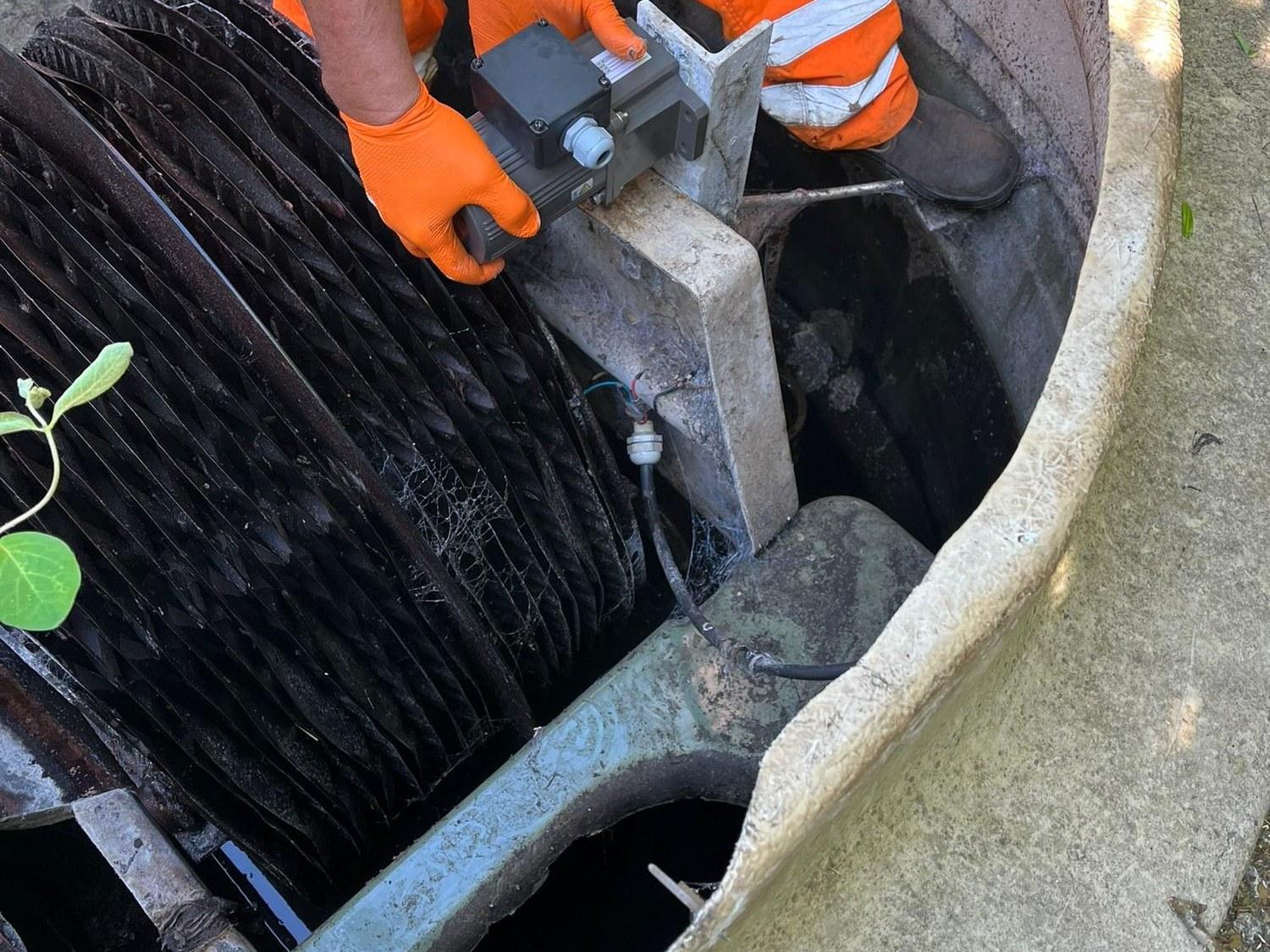
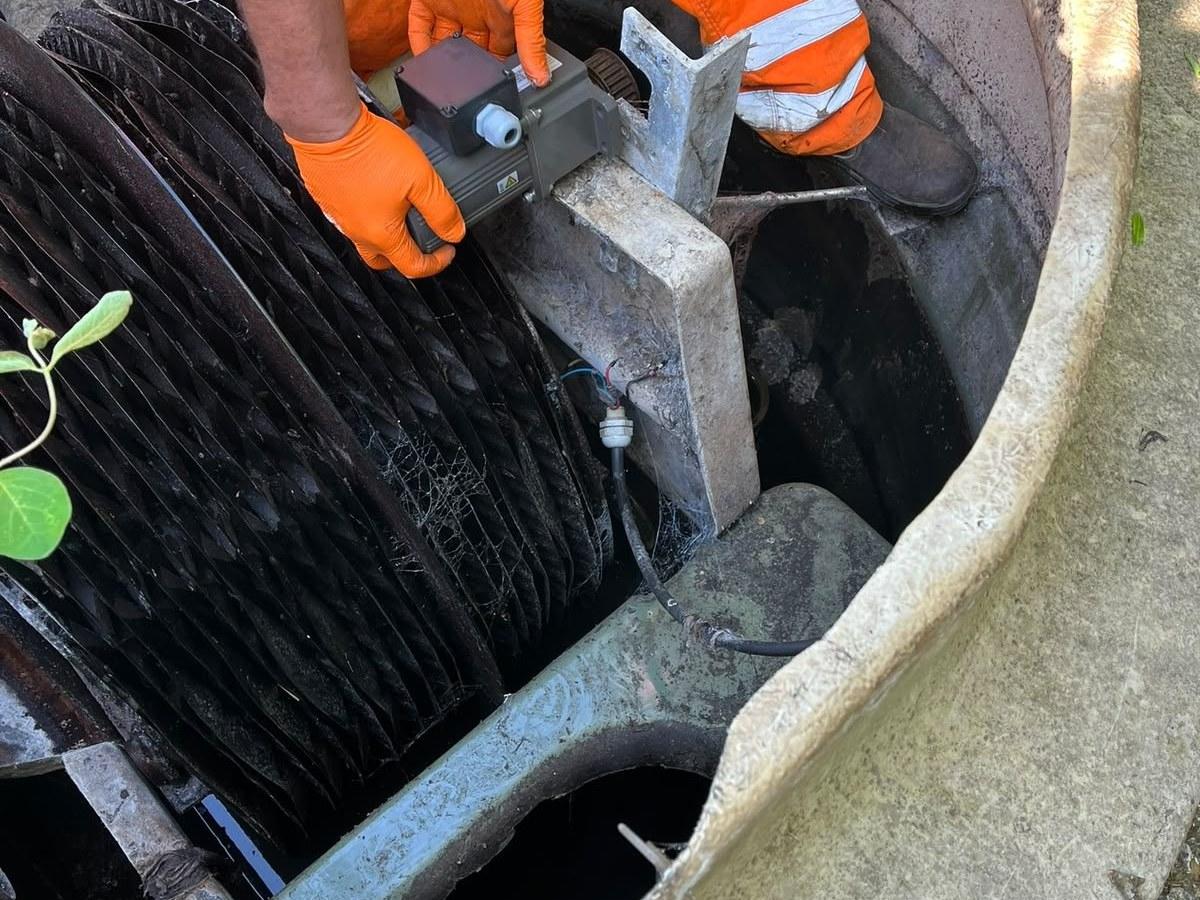
The quality of what reaches the dyke depends almost entirely on the plant being in good order. On a service we check and clean the air supply or the disc drive, inspect the bearings and motor, look at the sludge in the first chamber and the condition of the final settlement chamber, and look at the outlet itself. A clear, odourless discharge is a plant that is working. A grey or cloudy one, or a smell at the outfall, means something upstream has stopped doing its job.
We also check the outfall pipe, because on the Marsh a dyke that silts up or a pipe that settles in soft ground can leave the outlet submerged or blocked, and a plant that cannot discharge backs up.
Desludging on wet ground
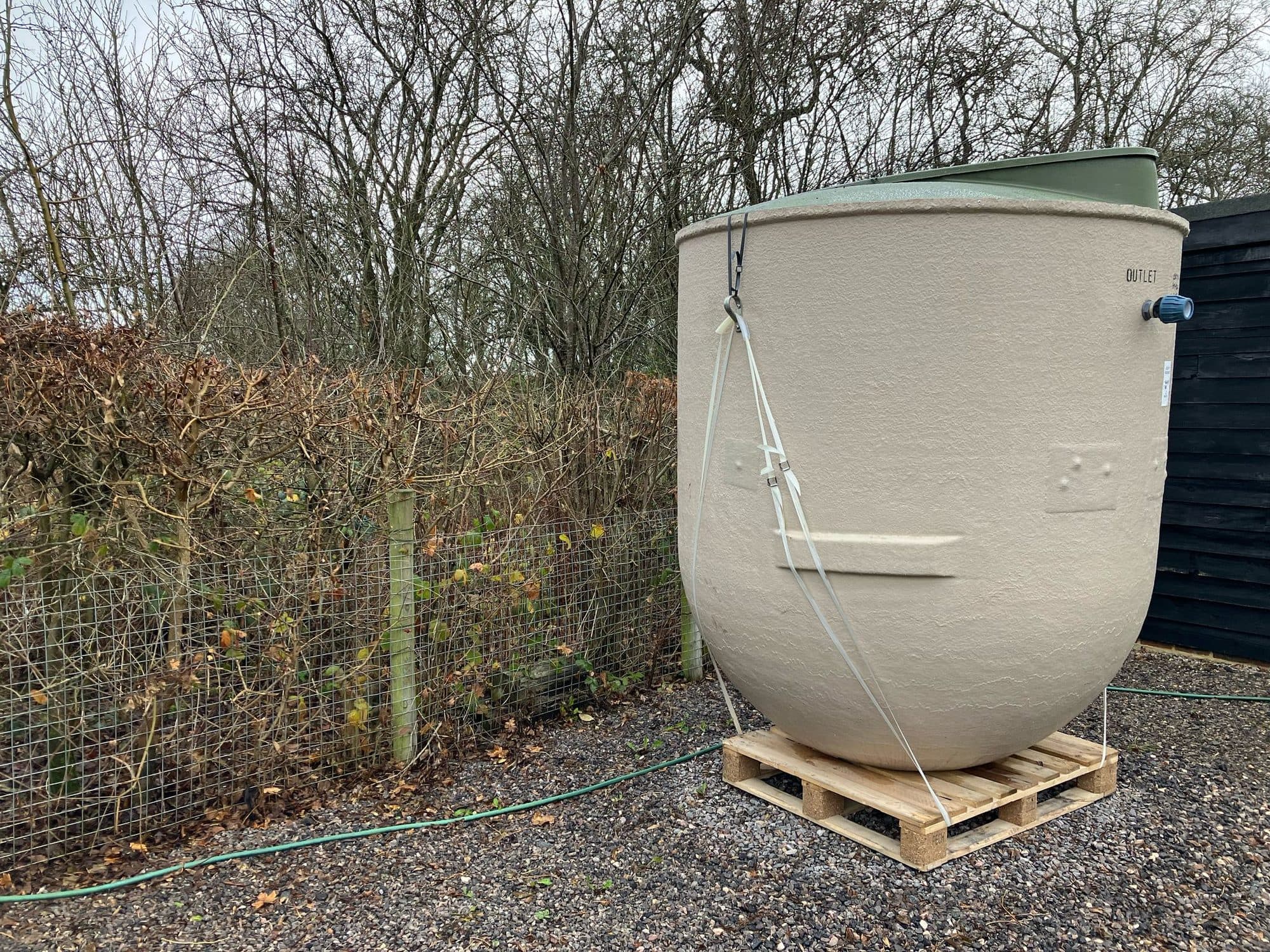
The sludge that collects in the first chamber has to be removed before it reaches capacity, at least once a year or as the manufacturer advises. On the Marsh that job needs care, because a lightweight tank emptied while the ground around it is waterlogged can be pushed upwards by the water. The tank should be refilled with water straight afterwards, and we plan the visit with the ground in mind. Our guide to servicing tanks in New Romney and on Romney Marsh covers the Klargester units common here and their desludging intervals.
Common faults on the Marsh
Groundwater getting into an older plant's chambers, damp in the electrics, a blower worn out by years of running and a blocked or drowned outfall are the usual culprits on the Marsh. An alarm, a smell or a change in the outlet are all reasons to call before it becomes a failure. Treatment plant faults and what they cost in Kent goes through the common repairs.
Servicing around New Romney
Our treatment plant work on Romney Marsh covers servicing, repairs and desludging from the town out across the Marsh, and our treatment plant servicing and repairs page has the detail. If your plant is due, or the outlet has changed, we can look at both the plant and the dyke end in one visit.
KP Cesspool Services has over twenty years of servicing plants on Romney Marsh behind it, and our reviews are on Checkatrade. Call 01233 720725, email kpcesspoolservices@hotmail.com, or contact us to book.
Need a hand with yours?
We cover Kent and East Sussex 24 hours a day. Ring us and a real person will pick up, whatever time it is.