
Sewage Treatment Plant Installation in Kent and East Sussex
Modern treatment plants certified to BS EN 12566, supplied and fitted to meet the General Binding Rules. Ideal for rural homes, farms and premises coming off an old system.
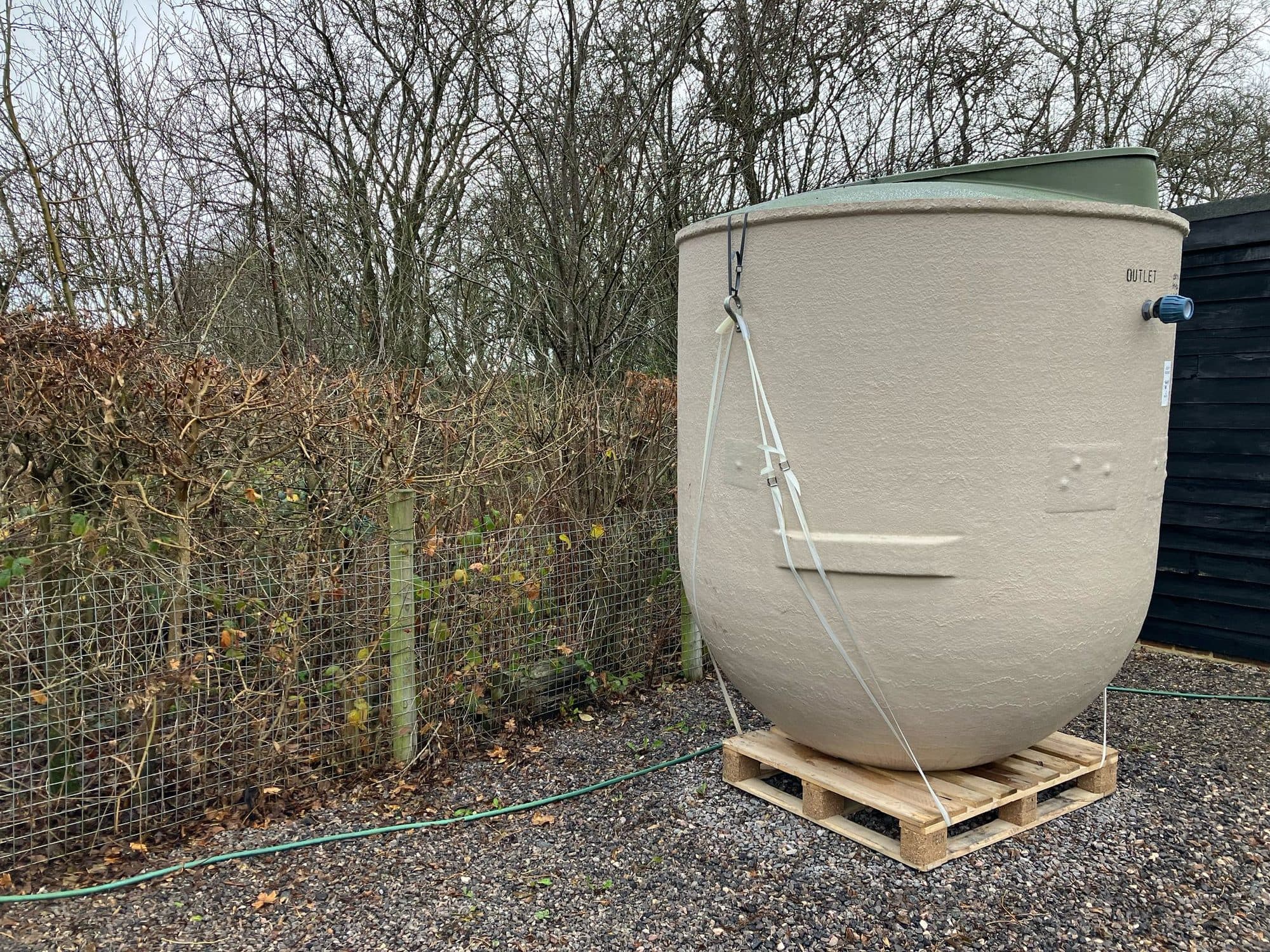
When a treatment plant is the right answer
A treatment plant is usually the answer when a septic tank has failed its drainage field, when the General Binding Rules mean an old system can no longer discharge the way it does, or when you are building somewhere with no mains connection. Do I need a sewage treatment plant is a good place to start if you are not sure.
Unlike a septic tank, a plant treats the waste properly. Air is pumped in, or turning discs carry the waste through it, so bacteria break it down, and what leaves is clean enough to discharge to a stream or ditch that flows all year. That is what makes it acceptable where a septic tank is not. How a sewage treatment plant works explains each stage.
First, where will the treated water go
Everything else depends on this. A plant can discharge to a stream or ditch that flows all year, up to 5 cubic metres a day under the General Binding Rules, or to ground through a drainage field, up to 2 cubic metres a day. A ditch that dries up in summer does not count.
If a public sewer is within 30 metres of the property, the rules expect you to connect to it instead. And near a protected site, such as a Site of Special Scientific Interest, a discharge to water cannot use the rules within 500 metres, or 50 metres for a discharge to ground. Since October 2023 a new discharge also needs a permit if it is within 50 metres of another system discharging under the rules, such as a neighbour's tank, and a drainage field needs one within 50 metres of a spring, well or borehole that supplies drinking water. A site that cannot meet the rules needs an environmental permit from the Environment Agency. We check all of this before anyone orders a unit.
Picking the right unit
Size is set by how many people the property can sleep, not how many live there now. Get that wrong and the plant either struggles or never develops a healthy bacterial population. We size it properly, and we tell you honestly if a simpler repair would do instead of a full new system.
A new plant should be tested to BS EN 12566, and Approved Document H expects one that needs power to keep working for up to six hours without it, or to have a backup supply. We have a particular specialism in Klargester systems, which are among the most widely installed treatment plants in the country, and Klargester septic tank installs in Kent covers those in more detail.
Permissions
A new treatment plant needs building regulations approval, and you may need planning permission too, which your council will confirm. If the discharge cannot meet the General Binding Rules, an environmental permit comes first. We will tell you which of these apply to your site before work starts.
Groundworks and commissioning
We handle the excavation, the base, the backfill, the pipework and the electrical connection for the blower, then commission the unit and show you how it runs. You get the paperwork you need for building control and for a future sale.
What it costs
The price depends on the size of the plant, the ground, the access for the digger and how far the outlet has to run. What a sewage treatment plant installation costs explains what moves the figure, and we price your site properly after a visit rather than guessing over the phone.
Looking after it afterwards
A plant is machinery and it needs a service every six to twelve months to keep treating properly. Our treatment plant servicing and repairs cover that, and how long a treatment plant lasts explains what wears first.
What you get
- Expert advice on the right system
- Groundworks and full installation
- Domestic and commercial installations
Covering both counties
We carry out treatment plant installation right across Kent and East Sussex.
What Makes a Treatment Plant Eco-Friendly
What actually makes a sewage treatment plant eco-friendly, from tested treatment and power use to sizing, servicing and where the water ends up.
Sewage Treatment Plant Installation Cost Explained
What actually moves the price of a sewage treatment plant installation, from ground conditions and access to power, commissioning and the discharge route.
Can a Septic Tank Discharge to a Ditch
A septic tank must not discharge to a ditch, stream or watercourse. What the rule says, how to find out where yours goes, and the three ways to put it right.
How Long Does a Treatment Plant Last
How long a sewage treatment plant lasts, what shortens its life, the signs it is near the end and when replacing it makes more sense than repairing.
Need help with treatment plant installation?
Ring us for a price, or drop us a message and we will get straight back to you. We are on call 24 hours a day, every day of the year.