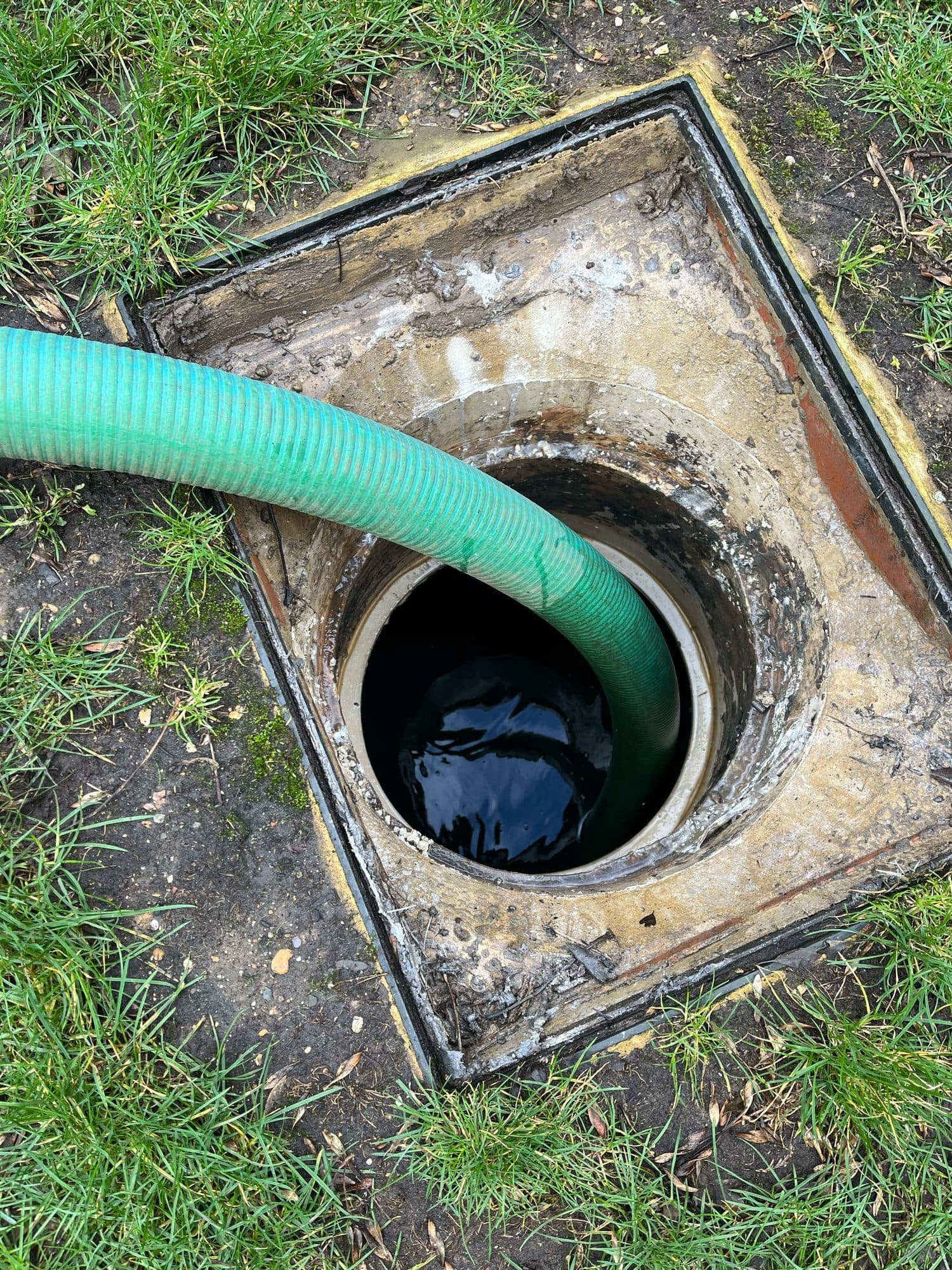
Cesspit emptying in Winchelsea explained, including how a sealed cesspit works, how often it needs emptying and the signs yours needs attention.
At KP Cesspool Services, we support many homes in Winchelsea that rely on cesspits because they are not connected to the mains sewer system. A cesspit is a sealed tank that stores all wastewater from the property. Since it does not treat, filter, or discharge any water, regular emptying is essential to prevent overflow, damage, and environmental risk. This explains how cesspits work, why frequent emptying is necessary, and the signs that your cesspit in Winchelsea may need immediate attention.
What a Cesspit Is and How It Works
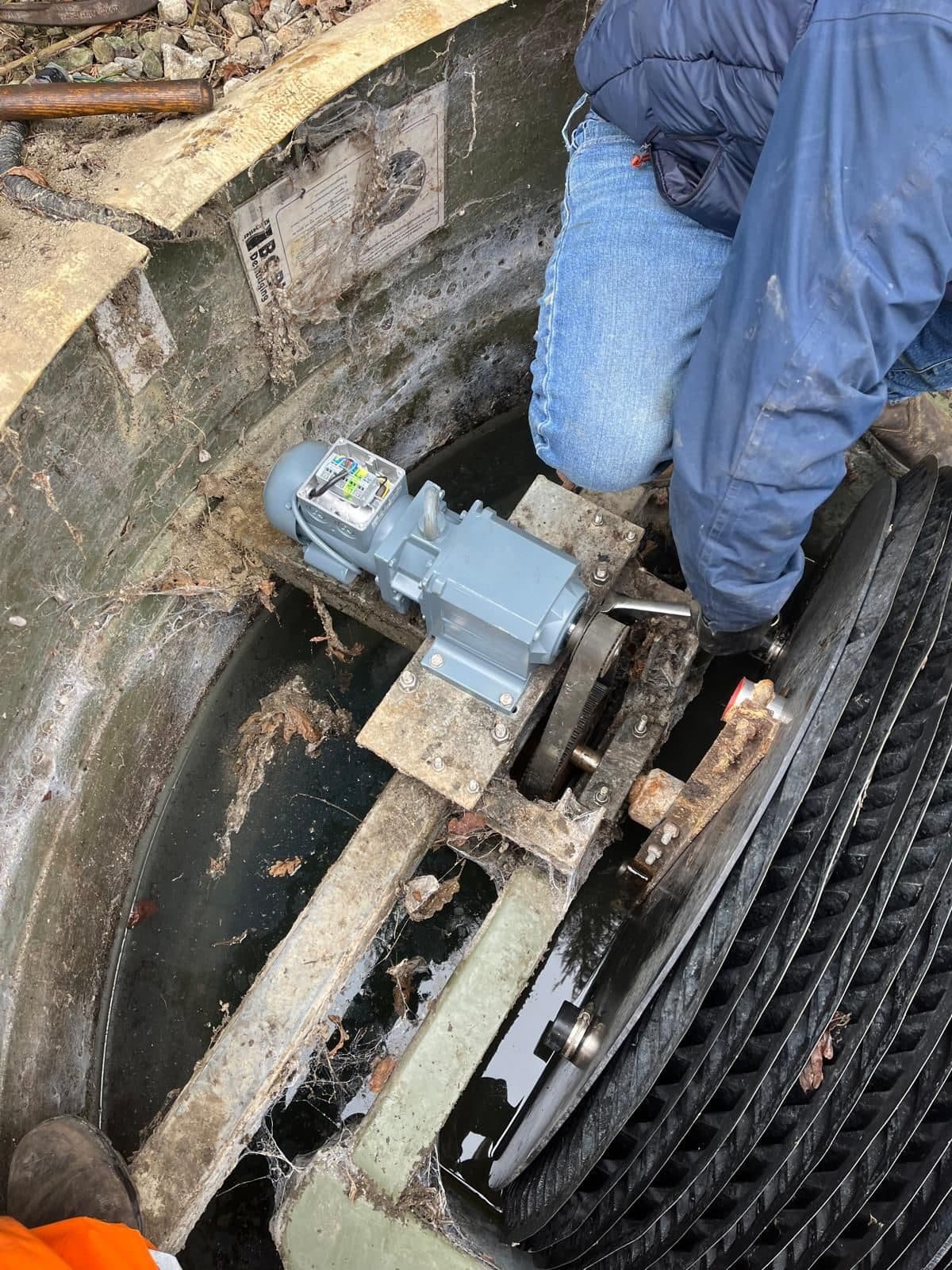
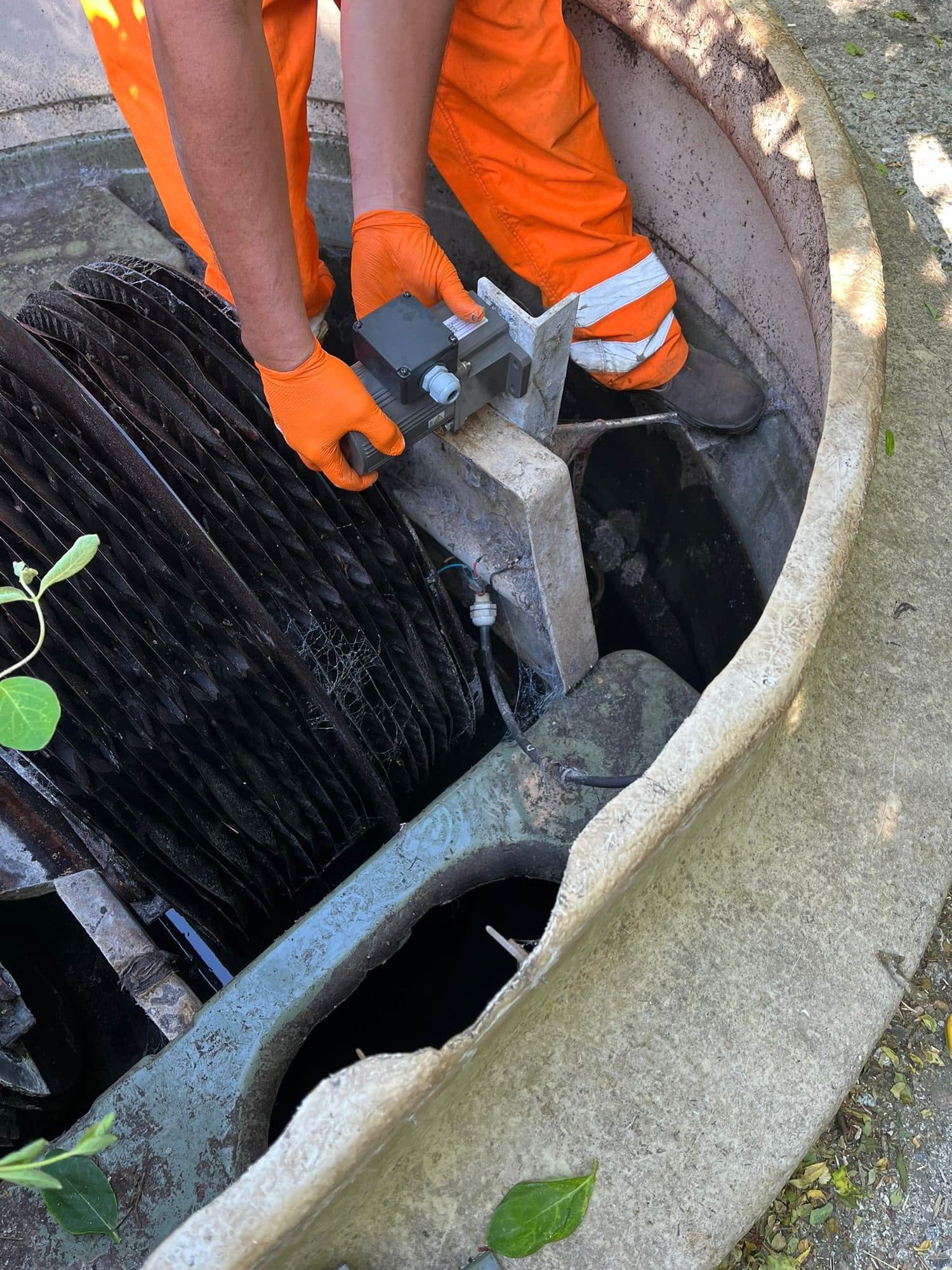
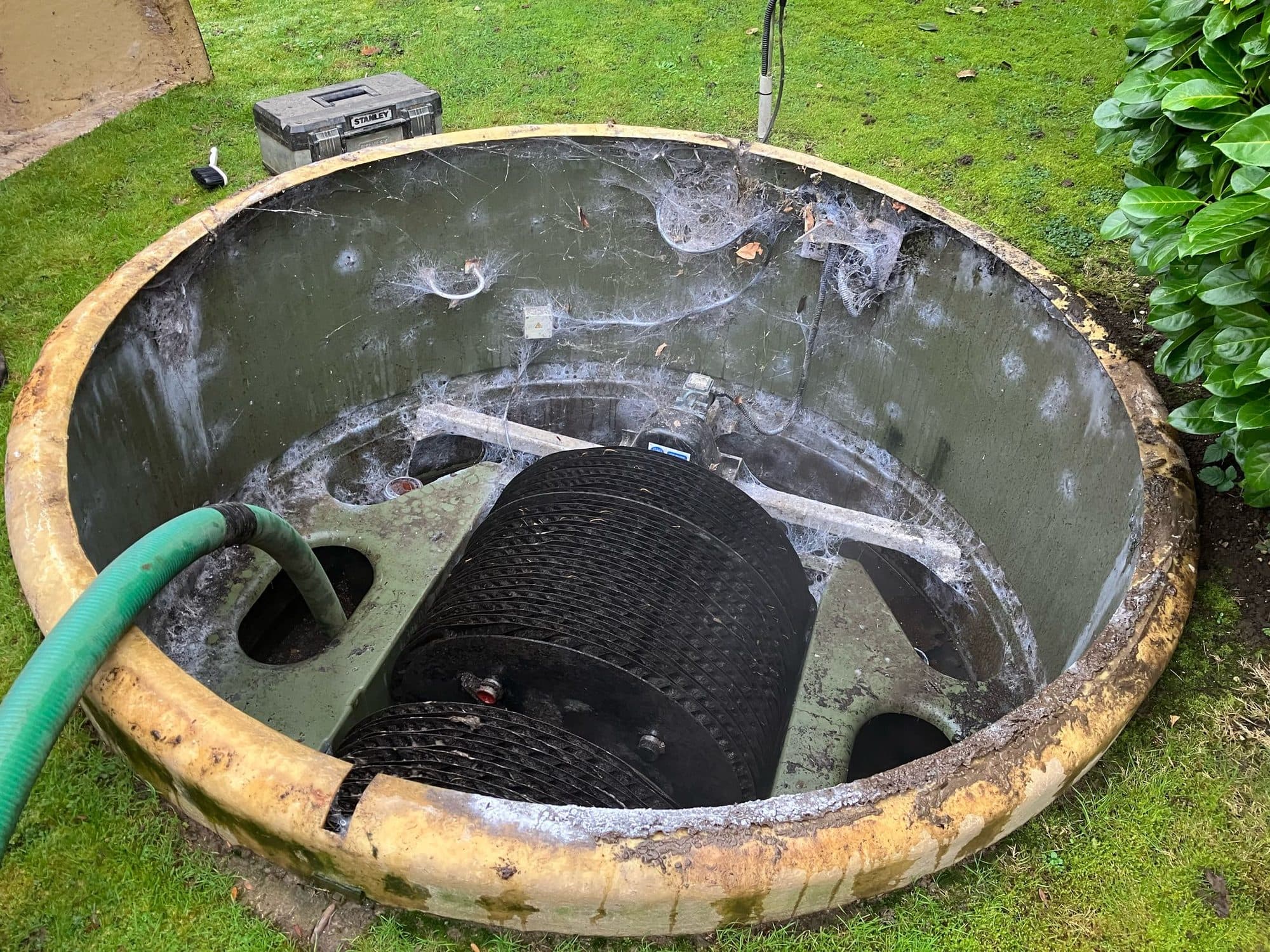
A cesspit is a fully sealed underground tank. Unlike septic tanks or treatment plants, it has no outlet pipe and no treatment process. Every litre of water used in your home flows directly into the cesspit, where it stays until it is professionally emptied. Because there is no processing inside the tank, routine Cesspool Emptying is the only way to keep the system functioning properly. Cesspits are common in rural areas such as Winchelsea, where ground conditions or drainage restrictions make other systems unsuitable, and they are a regular part of our cesspit and cesspool services in Winchelsea.
Why Regular Emptying Is Essential
Cesspits fill up quickly. When waste levels rise too close to the top, the risk of overflow increases. Overflow can cause strong smells, contamination of surrounding ground, and wastewater backing up into the home. A full cesspit can also place pressure on the tank walls, leading to structural issues. Regular emptying prevents all of these problems and ensures the system remains safe and reliable. As a professional emptying provider, we always encourage customers to check trusted review sites such as Checkatrade when choosing a specialist, as proper handling of waste is essential.
How Often a Cesspit Should Be Emptied
Most cesspits in Winchelsea need emptying every four to six weeks, although some require more frequent servicing depending on tank size and water usage. Larger households or properties with high daily water use will see their tanks fill faster. We recommend establishing a regular emptying schedule so the tank never reaches a critical level. Waiting until it is full can cause damage, unpleasant smells, and possible overflow.
The Emptying Process
Cesspit emptying must be completed by a registered waste carrier. We use a vacuum tanker to remove all liquid and solid waste from the tank. Once the tank is empty, the waste is transported to a permitted disposal site. During the visit, we check the structural condition of the tank, as well as the access covers and surrounding ground. Identifying small issues early helps prevent more serious faults in the future.
Signs Your Cesspit Needs Attention
There are several early warning signs that your cesspit may be nearing capacity. Slow draining sinks, rising water in toilets, or gurgling pipework often indicate the tank is struggling to cope with incoming waste. Smells around external drains or the area above the tank usually suggest rising levels. If the ground above the cesspit becomes damp or unusually green, waste may be close to the surface. Any of these signs mean the tank should be emptied as soon as possible to avoid contamination or structural issues. When the problem affects drainage flow, it may also relate to Blocked Drains and Tanks, which can worsen quickly if not addressed.
Legal Responsibilities
Even though cesspits do not discharge wastewater, they are still regulated to protect the environment. The Environment Agency expects a cesspit to be kept sealed and watertight and emptied often enough that it never overflows, and homeowners must also make sure the tank is structurally sound and safe to access. The General Binding Rules cover septic tanks and treatment plants that discharge treated effluent to the ground, so they do not apply to a sealed cesspit, which discharges nothing at all. What does apply is the duty not to cause pollution, and the requirement that waste is removed by a registered waste carrier and taken to a permitted disposal site. You are entitled to ask to see the carrier's registration certificate, and the waste transfer note records who took your waste and where it was bound, so it is worth keeping.
Preventative Maintenance
While frequent emptying is unavoidable with cesspits, good daily habits help prevent issues. Avoid flushing wipes, sanitary items, and household chemicals, as these increase sludge build up. Fix leaking taps promptly to stop unnecessary water from entering the tank. Spreading out high water use activities, such as washing machine cycles, can help reduce sudden spikes in tank levels. Regular inspections also help identify early signs of wear or ground movement around the tank.
When Repairs or Replacement Are Needed
Cesspits can deteriorate over time. Cracks, leaks, and structural damage must be repaired quickly to avoid pollution. If the tank is old or repeatedly failing, replacement may be the safest long term solution. Modern New Tank Installations offer improved durability, better materials, and compliance with current standards. We can assess whether repair or replacement is the most suitable option based on the condition of your system.
Cost of Cesspit Emptying in Winchelsea
The cost varies depending on tank size, waste volume, and access for the tanker. Domestic emptying typically falls within a similar range across the area, while larger or remote properties may require additional time or equipment. Setting up a regular schedule usually offers better value and prevents the need for emergency callouts.
Conclusion
Reliable cesspit emptying in Winchelsea is essential for keeping your wastewater system safe, clean, and compliant. At KP Cesspool Services, we provide professional emptying, inspections, and guidance to help you avoid overflows and costly damage. With routine maintenance, early attention to warning signs, and responsible wastewater management, your cesspit can continue to operate smoothly throughout the year.