The signs a cesspit is getting full in East Sussex, from slow drains to smells, and why acting on them early costs far less than an overflow.
At KP Cesspool Services, almost every emergency callout we attend in East Sussex was preceded by a week or two of small warnings that nobody read as warnings. A cesspit gives plenty of notice before it overflows, if you know what to look for. This guide runs through the signs in the order they usually appear, from a slow sink through to wet ground over the tank, and explains why acting on the early ones costs a fraction of what the late ones do. Our emergency and scheduled tank emptying covers East Sussex day and night.
Why Cesspit Emptying Is So Important
A cesspit is a sealed tank that collects all wastewater from the property. Every time water is used, it flows directly into the tank. Because nothing leaves the system, the tank will always fill up.
In practice, what we see is that most cesspit issues are not caused by faults in the tank itself. They are caused by missed or delayed emptying. Once the tank reaches capacity, the system cannot accept any more wastewater, and this is when problems begin.
Regular Cesspool Emptying keeps the system under control and prevents these avoidable issues.
How Often a Cesspit Needs Emptying
Most cesspits in East Sussex need emptying every three to six weeks, which is the pattern across nearly all our cesspit and cesspool work in East Sussex. However, this depends on several factors, including the size of the tank, the number of people in the property, and how much water is used daily.
A common mistake we see is homeowners trying to extend the time between emptying visits to save money. In reality, this often leads to emergency call outs, which are more disruptive and usually more expensive. A regular schedule is always the better option.
Signs Your Cesspit Is Getting Full
Cesspits usually give clear warning signs before they overflow. Slow draining sinks and toilets are often the first indicator. Gurgling noises in pipework can follow, along with unpleasant smells near drains or outside around the tank area.
As the tank fills further, you may notice damp ground above the cesspit or waste sitting near access covers. At this stage, the system is already under pressure and should be emptied as soon as possible.
What Happens During Cesspit Emptying
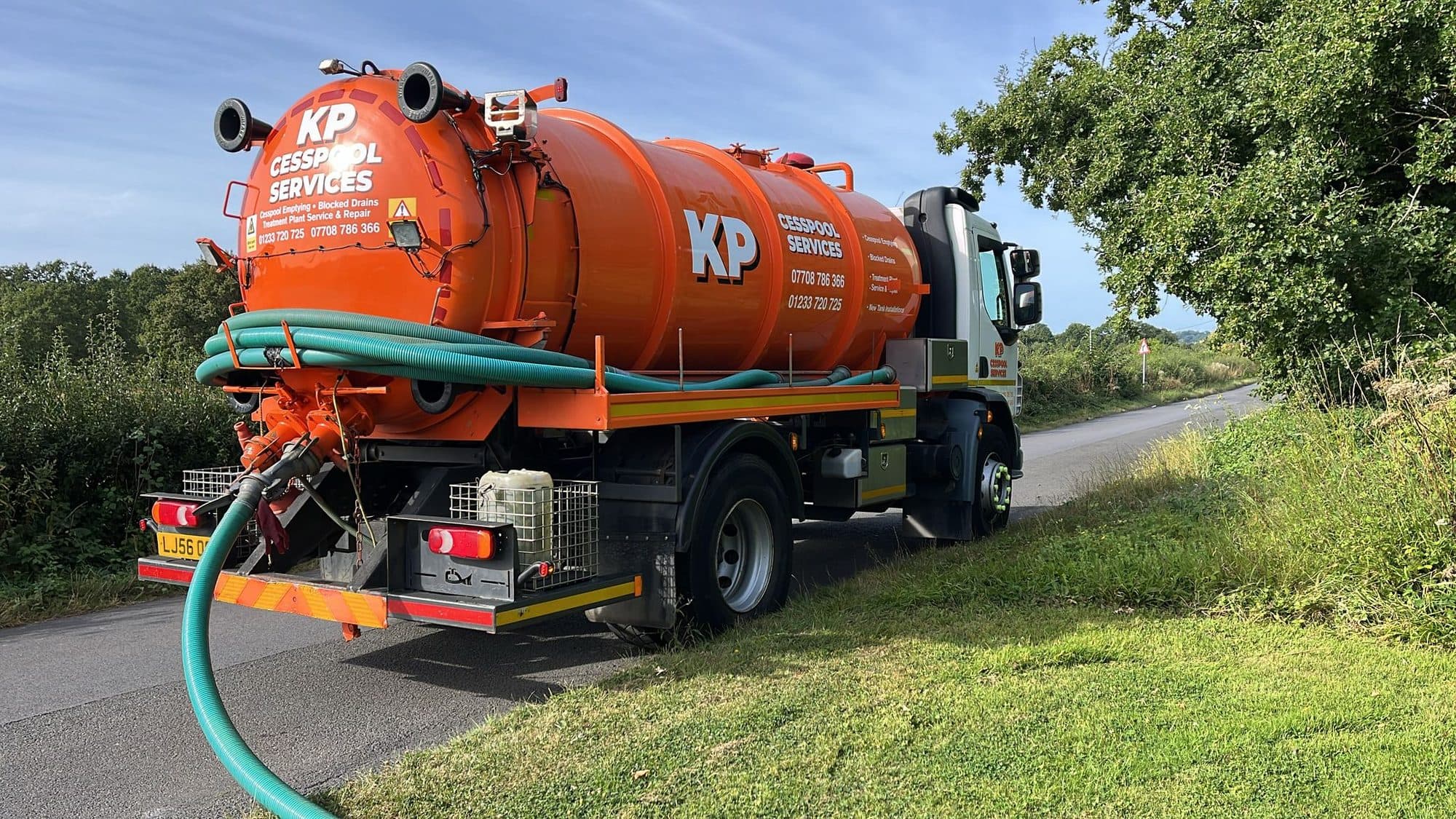
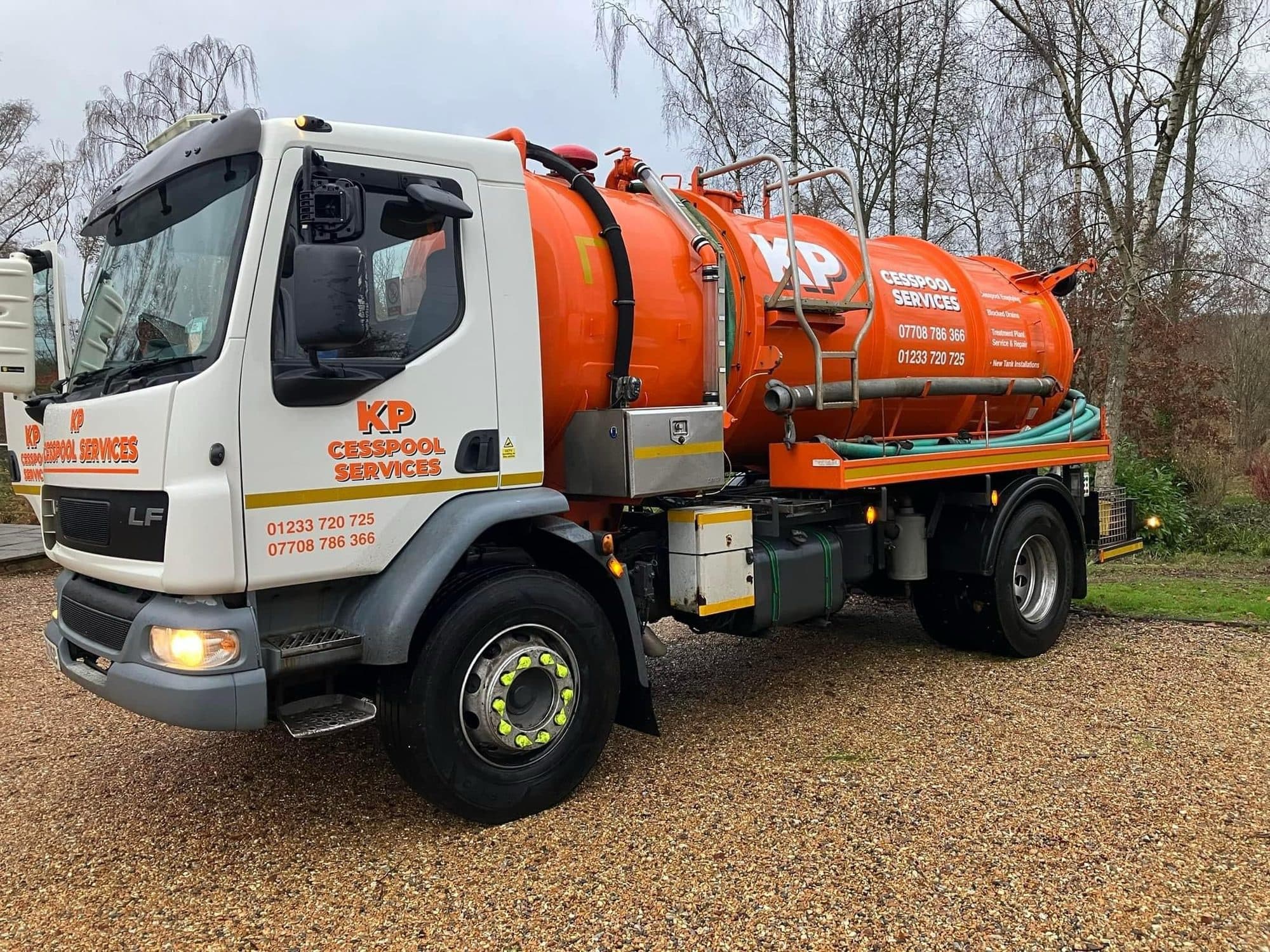
When we carry out cesspit emptying in East Sussex, we use a vacuum tanker to remove all waste from the tank. The process is straightforward but must be done thoroughly. Partial emptying does not solve the problem and often leads to issues returning quickly.
While we are on site, we also check the condition of the tank and surrounding area. In practice, this is where we often spot early signs of wear, pressure issues, or developing drainage problems. Identifying these early helps prevent more serious faults later.
Blockages and Flow Issues
Not all drainage problems are caused by a full cesspit. In some cases, restricted pipework can create similar symptoms. We regularly find that issues are linked to Blocked Drains and Tanks, especially where unsuitable items have entered the system.
Wipes, sanitary products, and fats are the most common causes. Over time, these materials restrict flow and increase the likelihood of both blockages and overflows.
Environmental Responsibility
Cesspits must be managed carefully to avoid environmental damage. If a cesspit overflows or leaks, it can contaminate surrounding land and potentially affect groundwater.
The Environment Agency expects homeowners to maintain their systems properly and prevent pollution. The General Binding Rules cover septic tanks and treatment plants that discharge treated effluent to a drainage field, so they do not apply to a sealed cesspit, which discharges nothing at all. What a cesspit owner has to do is keep the tank sealed and watertight, never let it overflow, and have the waste removed by a registered waste carrier and taken to a permitted disposal site. You are entitled to ask to see the waste carrier certificate, and it is worth keeping the waste transfer note.
Reducing How Quickly Your Cesspit Fills
There are simple ways to slow how quickly a cesspit fills. Reducing water usage is one of the most effective. Fixing leaks, spacing out washing machine use, and avoiding long showers can all make a difference.
It is also important to avoid flushing anything other than toilet paper. In practice, we often see systems that fill faster than expected due to poor usage habits rather than tank size alone.
When a Cesspit May Need Replacing
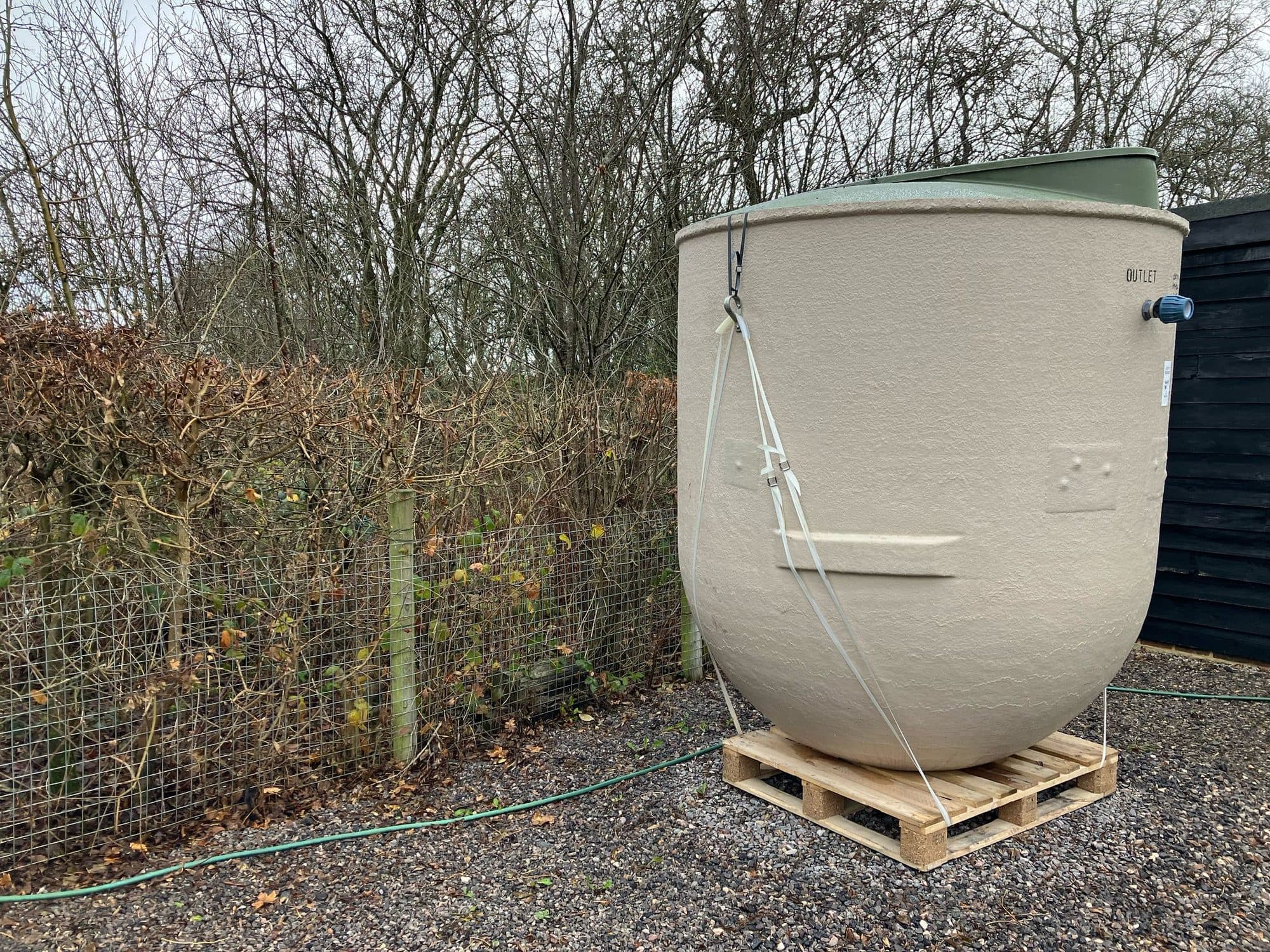
In some cases, a cesspit becomes expensive to maintain due to frequent emptying or increased water usage. If this happens, it may be worth exploring alternative systems such as septic tanks or treatment plants, depending on the property and ground conditions.
Where replacement is appropriate, modern New Tank Installations can offer a more efficient long term solution.
Choosing a Reliable Cesspit Service
Cesspit emptying should always be carried out by a licensed and experienced provider. We always recommend checking reviews on trusted platforms such as Checkatrade before choosing a company. This helps ensure waste is handled safely and disposed of in line with regulations.
Conclusion
Cesspit emptying in East Sussex is essential for keeping your drainage system safe, compliant, and reliable. Most of the problems we attend are preventable with regular emptying and good usage habits. At KP Cesspool Services, we provide straightforward advice and dependable service based on real experience. If your cesspit is due for emptying or you want to set up a regular schedule, contact us and we will be happy to help.