Treatment plant servicing explained with inspections sludge checks repairs and compliance to keep systems running properly
At KP Cesspool Services, we often speak to homeowners who are unsure what actually happens during treatment plant servicing. A sewage treatment plant is a more advanced system than a septic tank or cesspit, and it relies on mechanical and biological processes to treat wastewater effectively. Because of this, regular servicing is essential to keep the system compliant, efficient, and reliable. Understanding what to expect from treatment plant servicing helps you stay ahead of problems and protect your property.
Why Treatment Plant Servicing Is Important
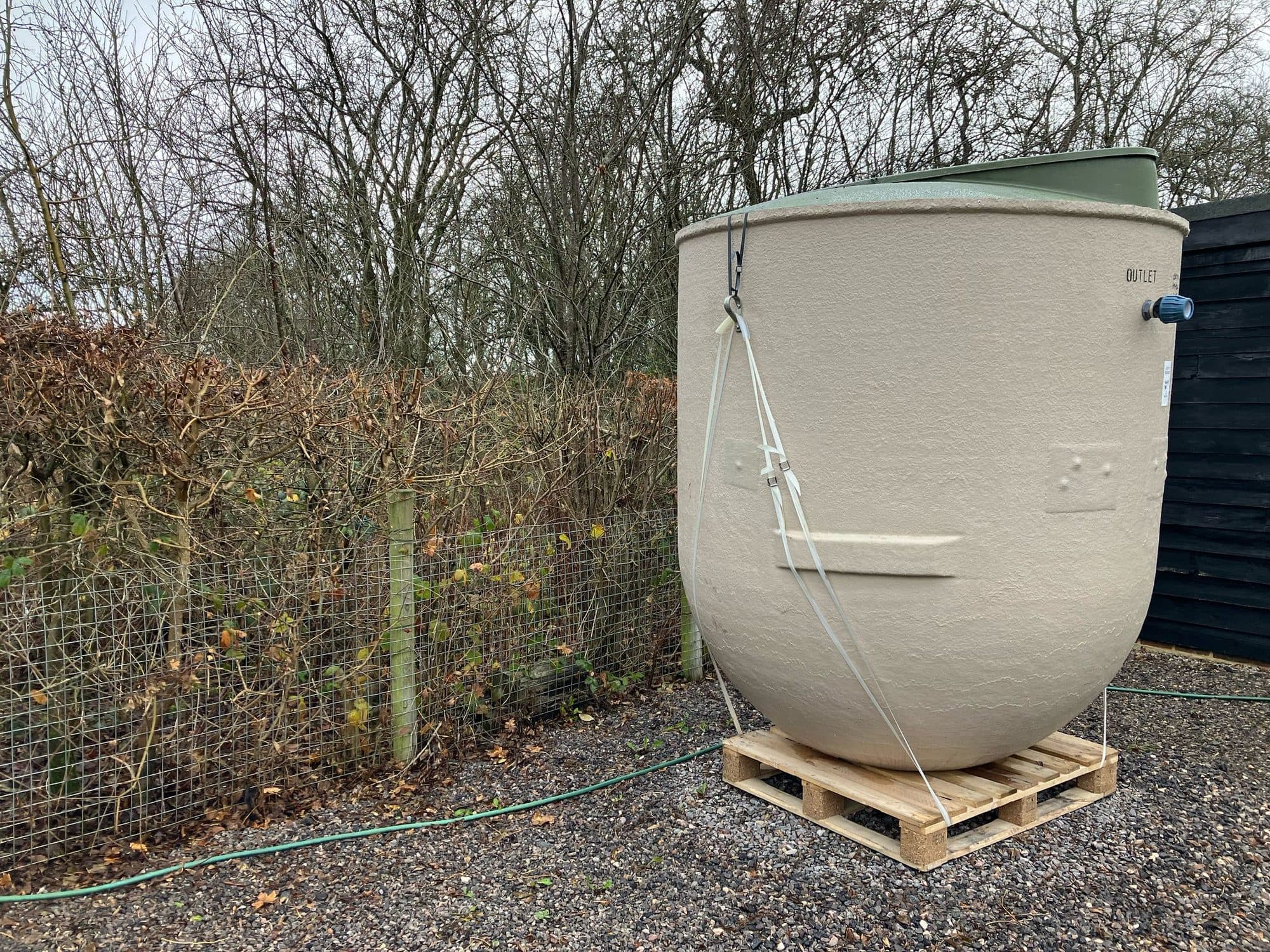
A sewage treatment plant treats wastewater before it is discharged into the ground or a watercourse. Over time, sludge builds up in the primary chamber, and mechanical components such as blowers or pumps experience wear. Without servicing, treatment performance can decline. This can lead to poor quality discharge, unpleasant smells, slow drainage, or even system failure. Regular treatment plant servicing keeps the system working as designed and reduces the risk of unexpected breakdowns.
Initial Inspection and Safety Checks
When we carry out treatment plant servicing, the first step is a full visual inspection. We check the access covers, surrounding ground condition, and general state of the system. We also ensure the plant is operating safely and that electrical components are functioning correctly. Any visible signs of damage or unusual noise are noted immediately.
Checking Sludge Levels
One of the most important parts of treatment plant servicing is measuring sludge levels. Even though the plant treats wastewater efficiently, sludge still accumulates in the primary chamber. If sludge levels rise too high, they can interfere with the treatment process and reduce discharge quality. When necessary, we arrange desludging to restore correct operation.
Inspecting Mechanical Components
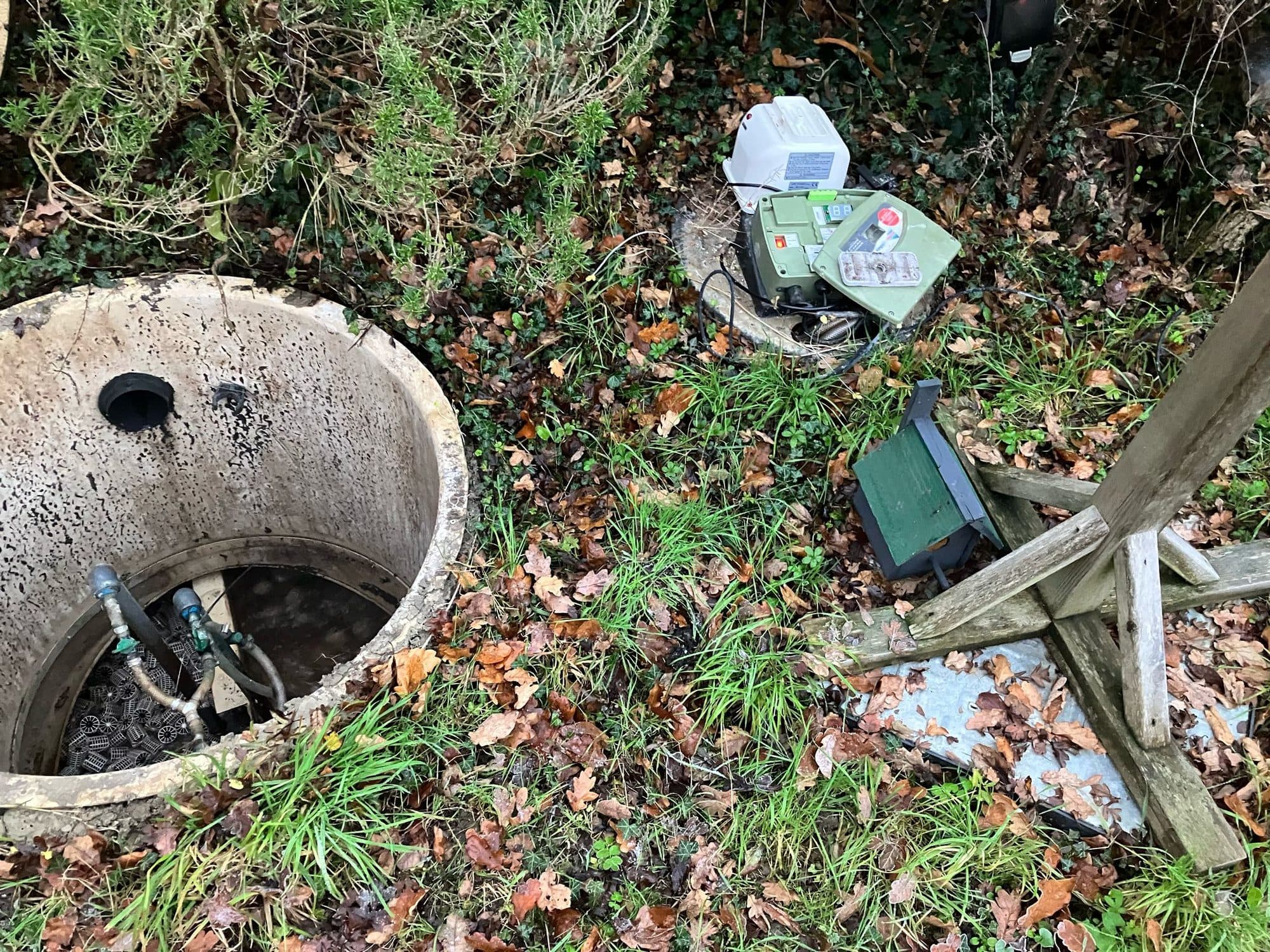
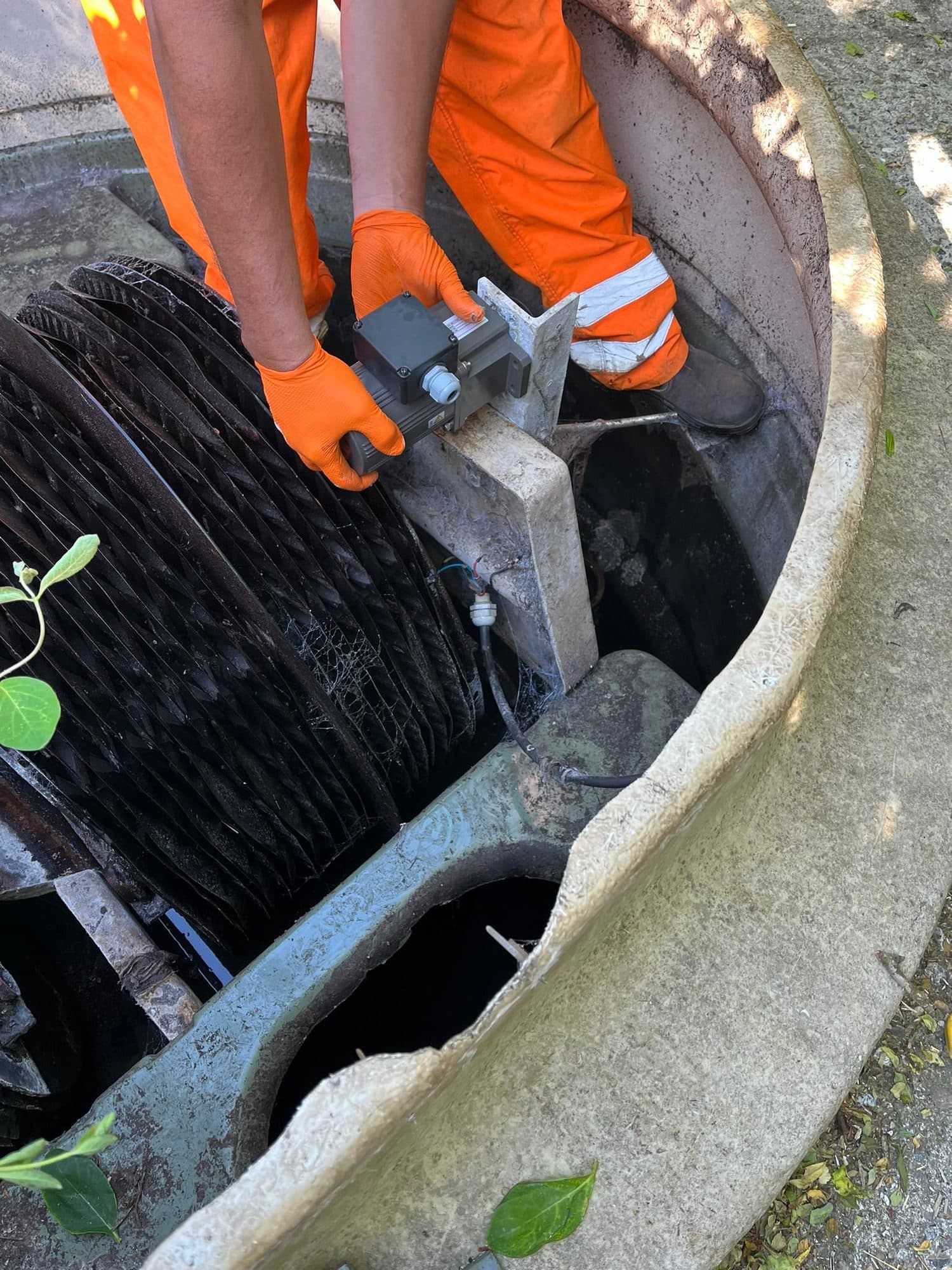
Unlike septic tanks, treatment plants rely on moving parts. Blowers introduce air into the system to support beneficial bacteria, and pumps may assist with wastewater movement. During servicing, we check that these components are operating correctly. Worn or failing parts are identified early to prevent more serious faults. Where issues are found, Treatment Plant Servicing and Repairs may be required to maintain compliance and reliability.
Assessing Flow and Discharge
We also check that wastewater is flowing smoothly through the system. Restricted flow can indicate developing problems within the pipework or tank. In some cases, treatment plant issues may be linked to Blocked Drains and Tanks, which need prompt attention to prevent system overload. Discharge points are reviewed to ensure there are no visible signs of pollution.
Environmental Compliance
Treatment plants must meet environmental standards to protect surrounding land and watercourses. The Environment Agency expects systems to operate correctly and not cause pollution. Compliance with the General Binding Rules is essential, particularly for systems discharging into the ground or surface water. Regular servicing helps demonstrate responsible management and reduces the risk of enforcement action.
How Often Treatment Plant Servicing Is Needed
Most sewage treatment plants require servicing at least once a year, although this can vary depending on usage and manufacturer guidance. Properties with higher occupancy or heavier water use may require more frequent checks. Keeping to a routine servicing schedule prevents small issues from turning into major repairs.
What Happens If Servicing Is Missed
When treatment plant servicing is delayed, mechanical components can fail without warning. Sludge levels can rise and affect discharge quality. Poorly maintained systems may produce unpleasant smells or visible issues at the outlet. In serious cases, environmental pollution can occur, leading to costly corrective work. Regular servicing is far more cost effective than emergency repairs.
Choosing a Trusted Provider
Because treatment plants are regulated systems, professional servicing is essential. We always recommend checking reviews on trusted platforms such as Checkatrade before choosing a provider. Experience and correct handling are key to protecting both the system and the environment.
Conclusion
Treatment plant servicing is a structured process that includes inspection, sludge measurement, mechanical checks, and discharge assessment. Each stage plays a vital role in keeping the system safe, compliant, and efficient. At KP Cesspool Services, we provide thorough servicing and clear advice so homeowners can manage their systems with confidence. If your treatment plant is due for servicing or you would like guidance tailored to your property, contact us and we will be happy to assist.