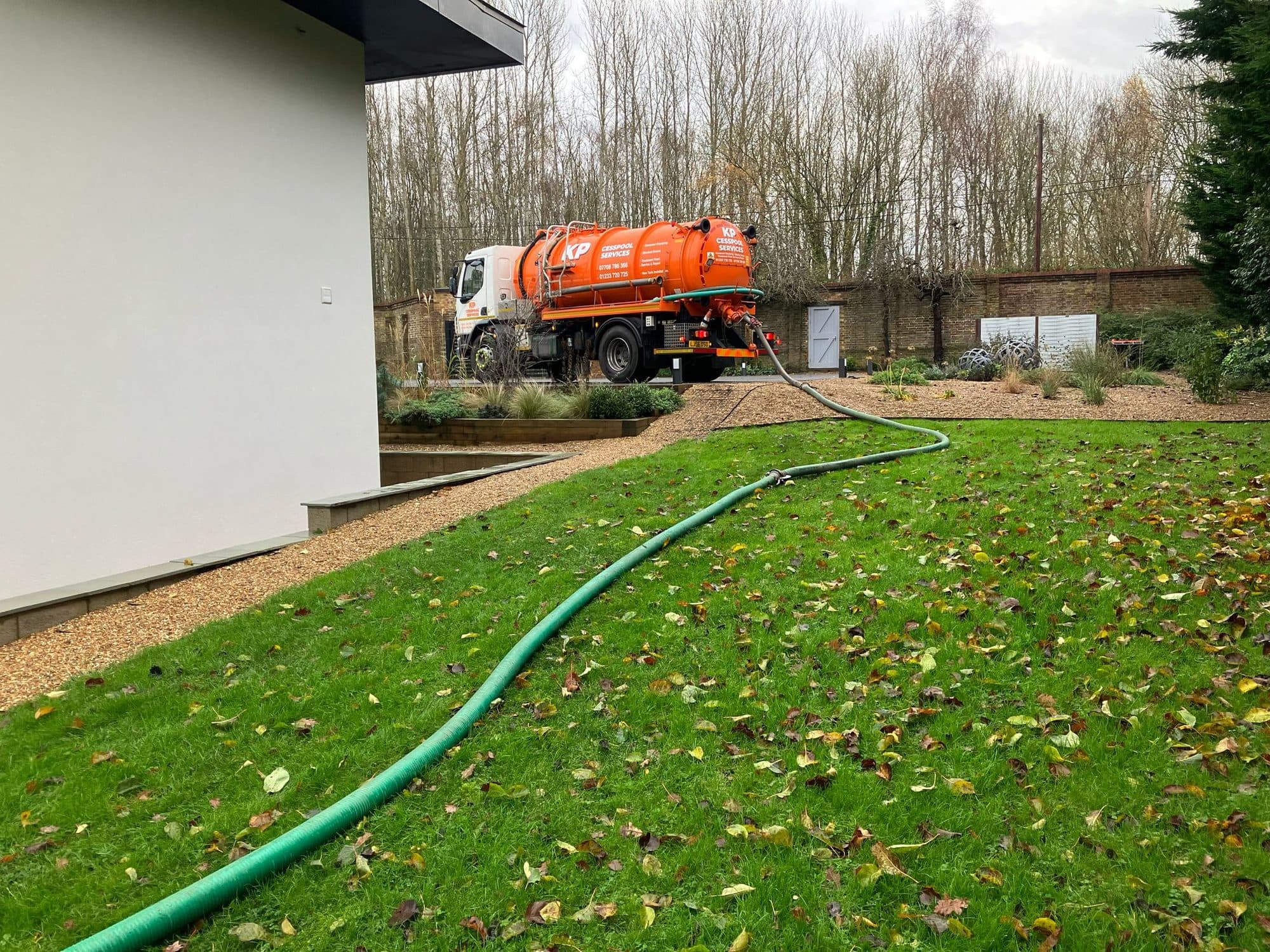
Common causes of septic tank failure explained including maintenance, blockages and how to prevent system problems
At KP Cesspool Services, we often help homeowners who are dealing with septic tank failure or early signs that something is not working as it should. A septic tank is designed to manage wastewater efficiently, but like any system, it can fail if it is not maintained properly or if certain conditions are not met. Understanding the common causes of septic tank failure helps you prevent problems, avoid costly repairs, and keep your system running reliably.
Lack of Regular Maintenance
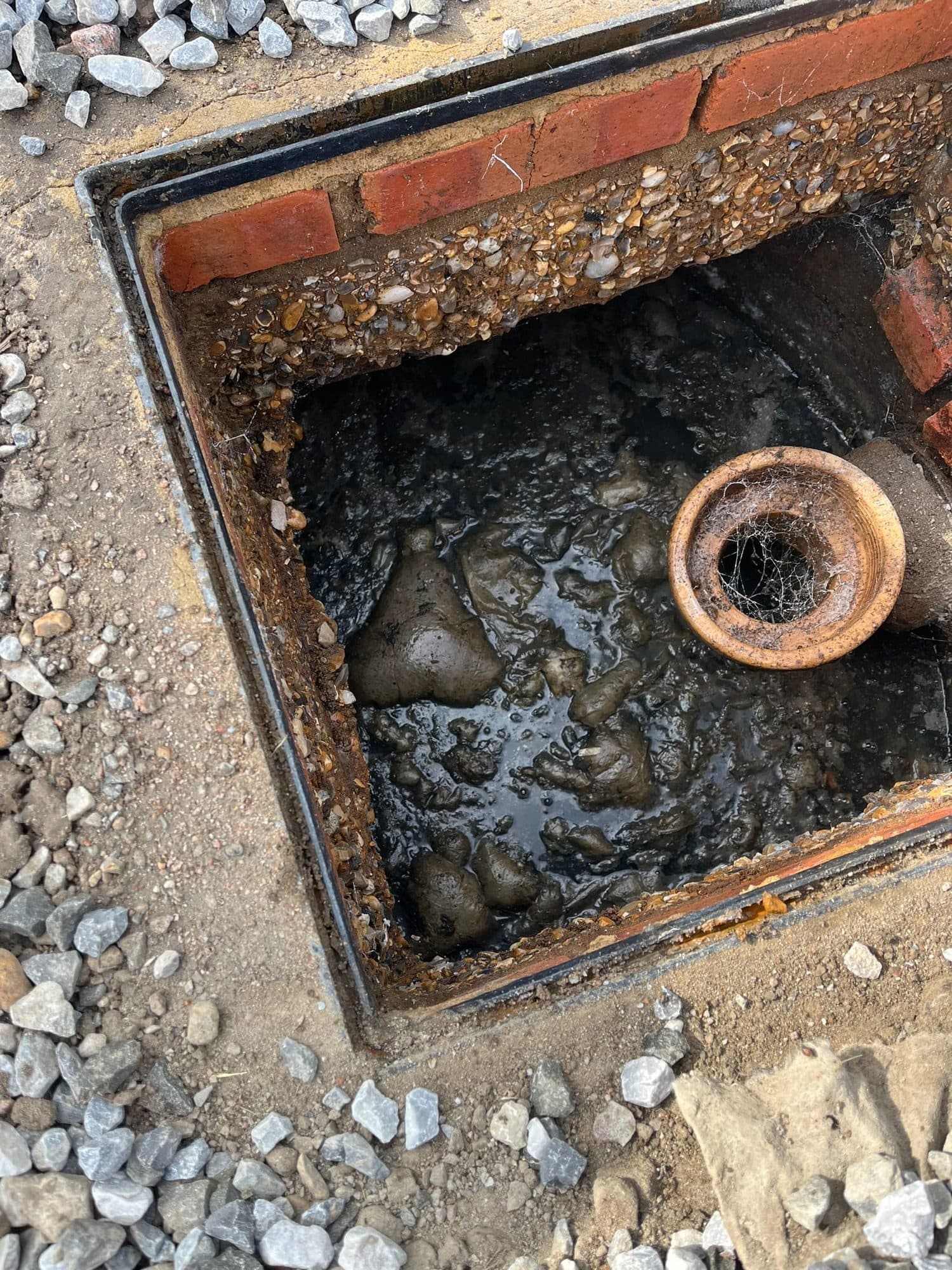
One of the most common causes of septic tank failure is missed maintenance. Over time, sludge builds up in the tank and must be removed. If this is not done, solids can overflow into the drainage field, blocking the system and preventing proper wastewater dispersal. Regular servicing is essential to keep the system functioning correctly and to avoid long term damage.
Excessive Water Usage
Using too much water in a short period can overload a septic tank. When large volumes of water enter the system quickly, the tank does not have enough time to separate solids from liquids properly. This can push untreated waste into the drainage area and reduce its effectiveness. Spreading water use throughout the day helps reduce pressure on the system and improves performance.
Flushing the Wrong Items
Septic tanks rely on natural processes to break down waste, but many everyday items do not decompose easily. Wipes, sanitary products, nappies, and even some types of toilet paper can build up inside the system. These materials increase sludge levels and can block pipework. Over time, this contributes to system failure and may also lead to Blocked Drains and Tanks that require professional attention.
Fats, Oils, and Grease
Pouring fats, oils, and grease down sinks is another major cause of septic tank problems. These substances can solidify inside pipes and tanks, reducing flow and interfering with the natural breakdown process. Over time, they form layers that restrict movement and contribute to blockages. Avoiding this habit is one of the simplest ways to protect a septic system.
Poor Installation or Incorrect Sizing
A septic tank that has been installed incorrectly or is too small for the property is more likely to fail. If the tank cannot handle the volume of wastewater produced, it will struggle to function effectively from the start. In some cases, upgrading through modern New Tank Installations may be necessary to resolve ongoing issues. Proper assessment before installation is key to long term reliability.
Damage to the Drainage Field
The drainage field plays a crucial role in septic tank performance. If it becomes compacted, flooded, or blocked, wastewater cannot disperse properly. Heavy vehicles driving over the area, building structures on top of it, or planting large trees nearby can all damage the drainage field. Once damaged, the system may fail even if the tank itself is in good condition.
Tree Root Intrusion
Tree roots naturally grow towards sources of moisture, including drainage pipes and septic systems. Roots can enter pipes through small cracks or joints and expand over time. This can cause blockages, restrict flow, and damage pipework. Root intrusion is a common issue in rural areas and should be addressed quickly to prevent further complications.
Mechanical Issues in Connected Systems
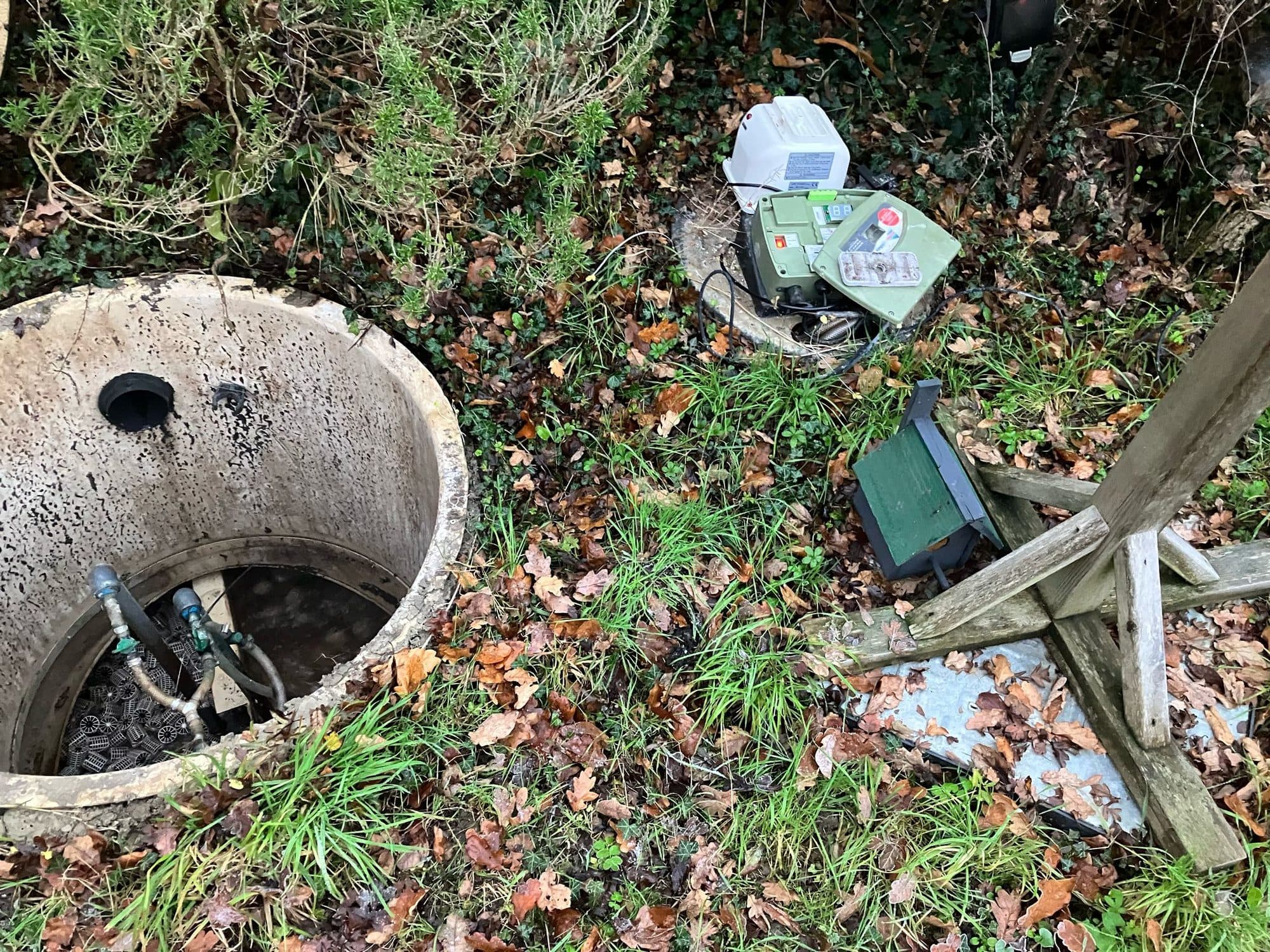
Some septic systems are connected to additional components such as pumps or distribution boxes. If these parts fail, wastewater may not move through the system correctly. While septic tanks themselves are relatively simple, any connected equipment must be checked regularly to ensure proper operation.
Environmental and Regulatory Factors
Septic tanks must be maintained in line with environmental standards. The Environment Agency expects private wastewater systems to operate without causing pollution. Systems must also comply with the General Binding Rules, which outline requirements for discharge and maintenance. Failure to meet these standards can lead to enforcement action and the need for system upgrades.
Ignoring Early Warning Signs
Many septic tank failures could be avoided if early warning signs were addressed. Slow drainage, unpleasant smells, gurgling noises, and damp ground around the tank or drainage area are all indicators that something is not right. Ignoring these signs allows small problems to develop into major failures that require more extensive work to resolve.
Choosing a Trusted Service Provider
Regular servicing and professional advice play a key role in preventing septic tank failure. We always recommend checking reviews on trusted platforms such as Checkatrade before choosing a provider. Experienced handling ensures the system is maintained correctly and problems are identified early.
Conclusion
The most common causes of septic tank failure are usually preventable. Lack of maintenance, excessive water use, unsuitable waste, and poor installation all contribute to system breakdown. By understanding these risks and maintaining your system properly, you can avoid costly repairs and keep your drainage working reliably. At KP Cesspool Services, we help homeowners manage their systems with practical advice and professional support. If you are experiencing issues or want to prevent septic tank failure, contact us and we will be happy to help.