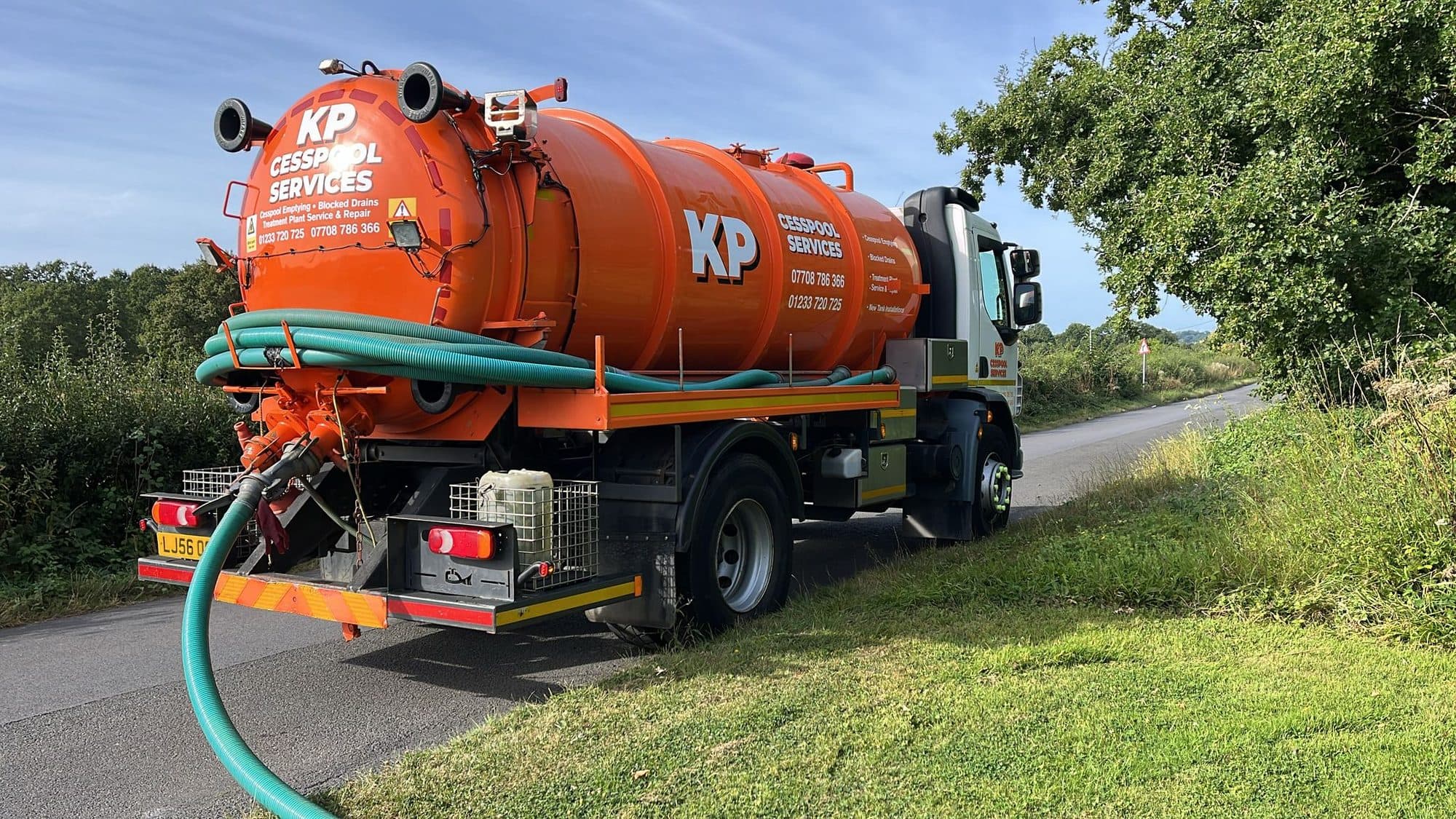
What a tank service in Kent actually covers, chamber by chamber, and how it differs from an empty on cesspits, septic tanks and treatment plants.
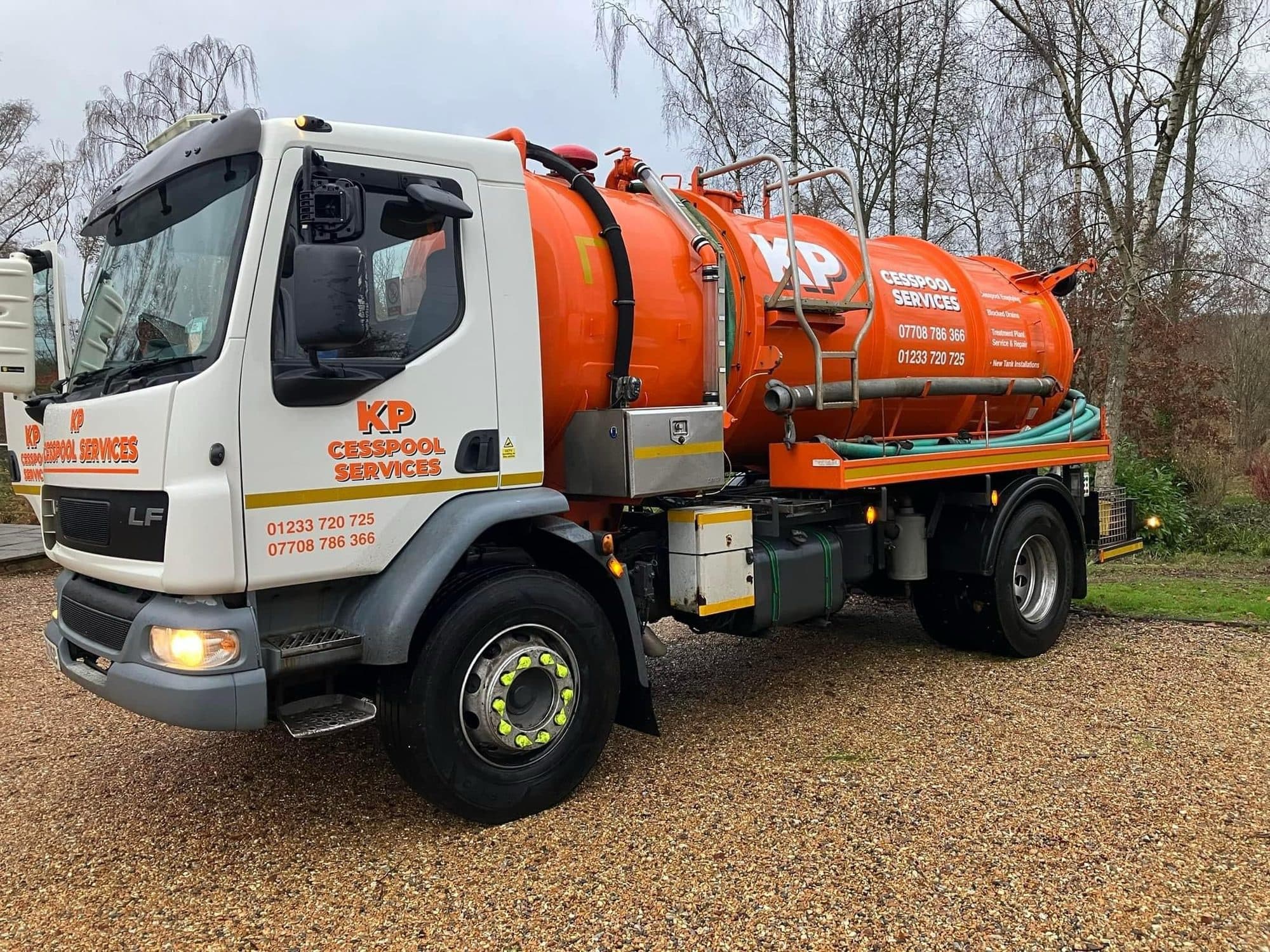
Plenty of Kent homeowners assume a tank service is just an empty with a different name on the invoice. It is not, and the difference matters, because an empty removes what is in the tank while a service tells you what condition the tank is in. This guide walks through what KP Cesspool Services actually check, chamber by chamber, on a cesspit, a septic tank and a treatment plant. The full scope is on our septic tank servicing page.
The Types of Tanks We Service in Kent
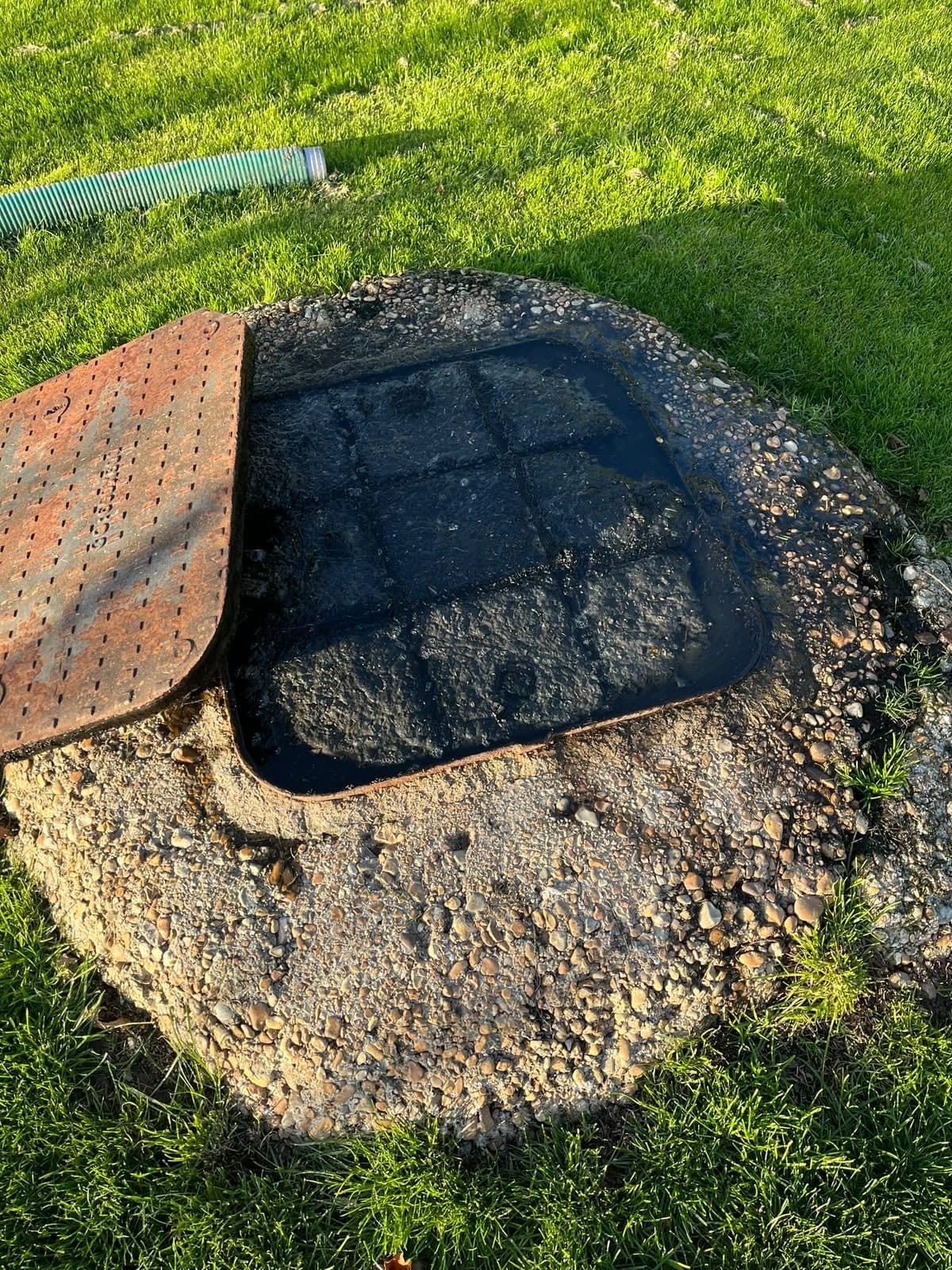
Different properties use different wastewater systems, and each one has its own servicing needs. A cesspit is a sealed tank that stores all wastewater. It requires frequent emptying and careful monitoring because there is no treatment process inside.A septic tank allows solids to settle and partially breaks down waste using natural bacteria. It still needs periodic desludging and inspection. A sewage treatment plant provides full wastewater processing but contains mechanical and biological parts that require more technical servicing. For homes with a cesspit, we often arrange routine Cesspool Emptying alongside general tank checks as part of ongoing maintenance.
Why Regular Tank Servicing Matters
Regular servicing keeps wastewater systems safe and working properly. Without maintenance, tanks can accumulate sludge, develop blockages, or experience bacterial imbalance. If these issues are not addressed, they may lead to odours, slow drainage, contamination risks, or complete system failure. On our septic tank and cesspool services in Kent, we inspect the structural condition, check internal levels, and ensure that inlet and outlet pipes are flowing freely. If the system is a treatment plant, we also inspect mechanical parts and advise whether any Treatment Plant Servicing and Repairs may be required.
How Often Tanks in Kent Should Be Serviced
The servicing schedule depends on the type of tank and how much wastewater the household produces. Cesspits require frequent emptying and regular checks. Septic tanks usually need servicing and desludging once a year, although high usage homes may require more frequent visits. Treatment plants often need both emptying and mechanical servicing annually. During a visit, we measure sludge depth and evaluate system performance to help you plan a sensible ongoing servicing routine.
What We Do During a Tank Service
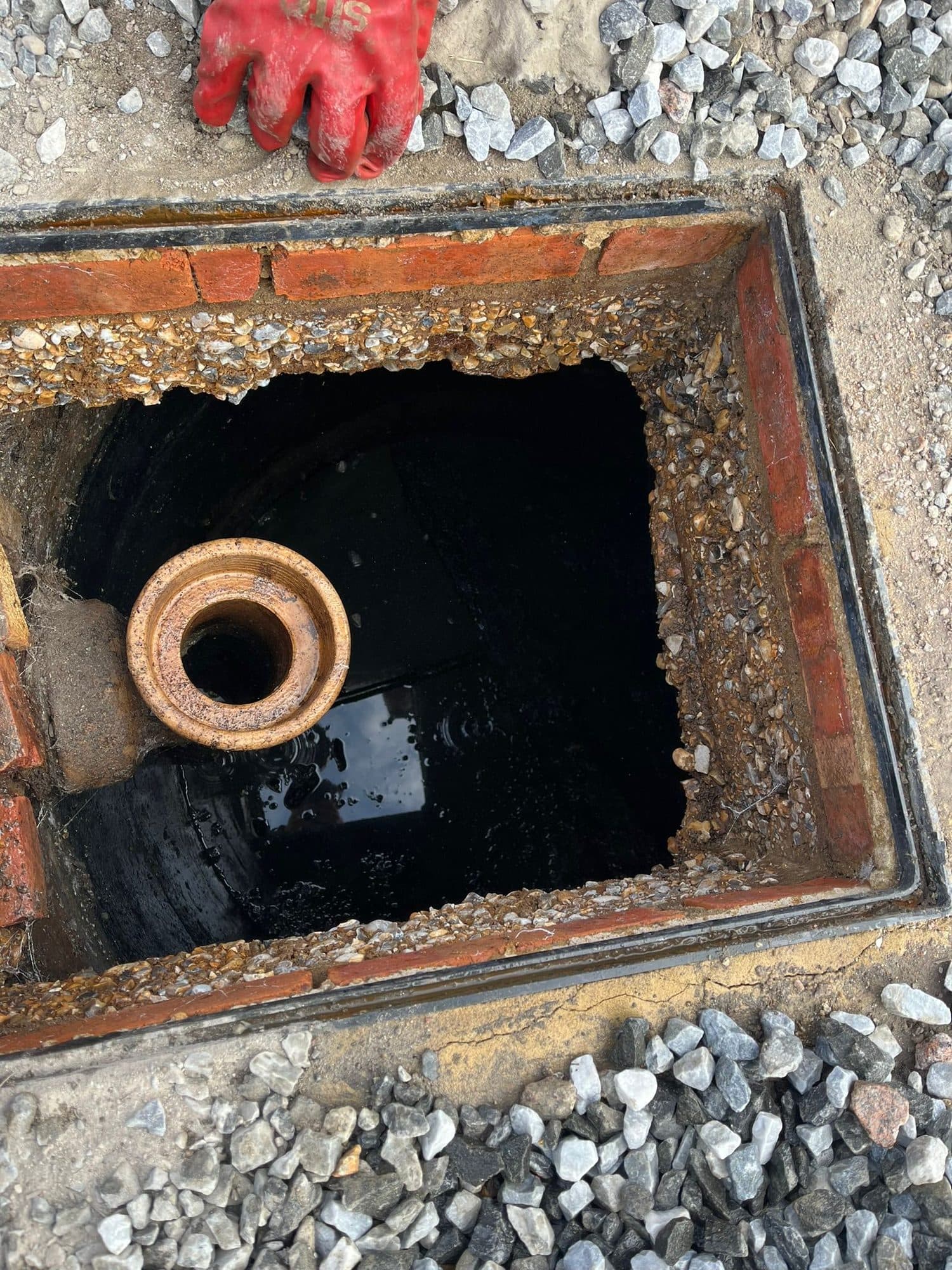
A tank service involves a full inspection of the system, including the access covers, chambers, pipework, and internal components. For septic tanks and treatment plants, we check levels, examine baffles and filters, and inspect the discharge outlet. If we find any damage, we discuss repair options with you. When we identify structural issues or long term deterioration, we may advise on New Tank Installations to bring your system up to modern standards. Our goal is always to maintain reliable performance and prevent emergency callouts.
Signs That Your Tank Needs Servicing
Even well maintained tanks sometimes show signs that professional attention is needed. Slow draining sinks or toilets often indicate a blockage or rising sludge levels. Smells around the tank area or damp ground nearby may mean the system is struggling. Gurgling noises inside the property can also suggest suction or flow problems. If any of these issues appear, it is important to arrange servicing promptly to avoid damage. When problems reach the household pipework, they may be linked to Blocked Drains and Tanks and should be investigated quickly.
Environmental and Legal Requirements in Kent
Wastewater systems must be maintained responsibly to prevent pollution. The Environment Agency oversees how waste should be stored, treated, and discharged. Septic tanks and treatment plants must also comply with the General Binding Rules to ensure that wastewater does not contaminate land or waterways. Keeping tanks serviced and desludged is an important part of staying compliant. When choosing a service provider, we always encourage customers to look for trusted reviews on sites such as Checkatrade to ensure they are working with experienced professionals.
Preventative Maintenance to Support Your Tank
Although we carry out professional servicing, day to day habits also play a role in keeping tanks healthy. Avoid flushing wipes, oils, fats, or chemicals, as these can upset natural processes and create blockages. Fix household leaks promptly, because constant water flow can overwhelm smaller tanks. Spreading out high water usage tasks such as laundry and dishwasher loads also helps systems cope more comfortably. Regular inspections help us identify issues before they become larger problems.
Repair and Upgrade Options
As tanks age, they can develop cracks, corrosion, or mechanical failure. During servicing, we assess the condition of your tank and explain any repair options. Treatment plants may need replacement air pumps or adjustments to the aeration system. Septic tanks may require baffle repairs or further desludging. If your system is old, inefficient, or repeatedly failing, upgrading to a modern unit may be the most cost effective long term choice. We can guide you through repair or replacement options, including full Treatment Plant Installation for improved performance and reliability.
Cost of Tank Servicing in Kent
Servicing costs depend on the type and size of the tank, the condition it is in, and how much waste needs to be removed. Cesspits typically cost more to maintain due to their frequent emptying needs. Septic tanks and treatment plants require less frequent emptying but may need more technical inspection. Scheduling regular servicing usually offers the best value and helps avoid costly emergency repairs.
Conclusion
Reliable tank service in Kent is essential for keeping wastewater systems safe, efficient, and compliant with environmental regulations. At KP Cesspool Services, we use our experience and equipment to maintain cesspits, septic tanks, and treatment plants across the county. Regular servicing prevents overflows, reduces expensive repairs, and keeps your system working smoothly. With routine care and professional support, your tank will continue to operate reliably throughout the year.