Efficient, compliant wastewater treatment for rural homes. Learn how treatment plants work, their benefits, and key maintenance needs.
At KP Cesspool Services, we work with many homes across Kent and East Sussex that rely on private wastewater systems. One of the most effective options for properties not connected to the mains sewer is a treatment plant. These systems offer a higher level of wastewater processing than septic tanks and are often required in areas with strict environmental rules. This guide explains what a treatment plant is, how it works, why households choose one, and what maintenance is needed to keep it operating safely.
What a Treatment Plant Does
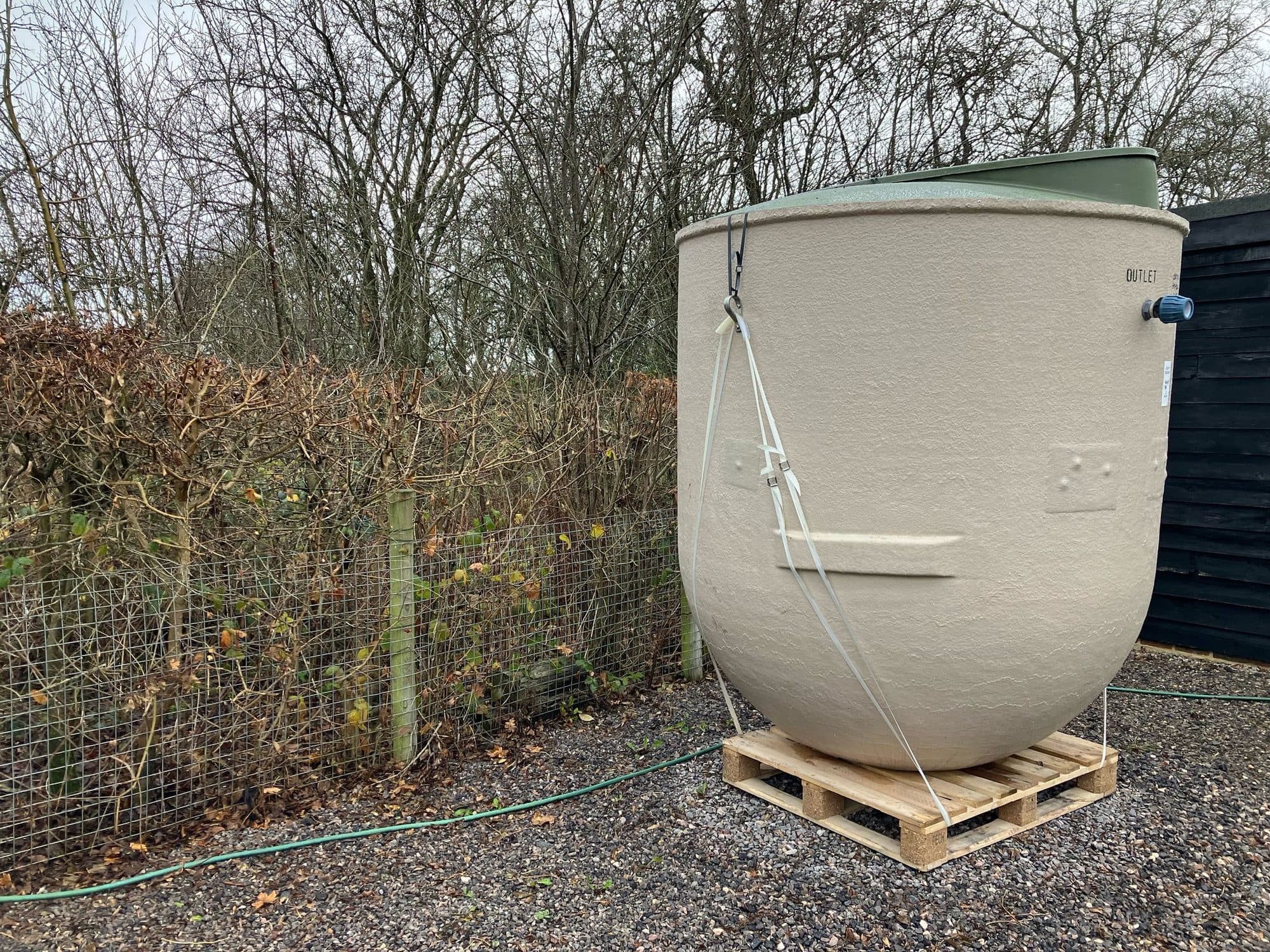
A treatment plant is an on site wastewater system designed to treat sewage to a much higher standard before it is discharged into the environment.Unlike a septic tank, which only provides basic settlement, a treatment plant uses mechanical and biological processes to break down waste. Inside the system, air is introduced to encourage healthy bacteria to process the wastewater. This produces a much cleaner final effluent. Because of this, treatment plants are widely used in areas where environmental regulations require higher purification standards.
How a Treatment Plant Works
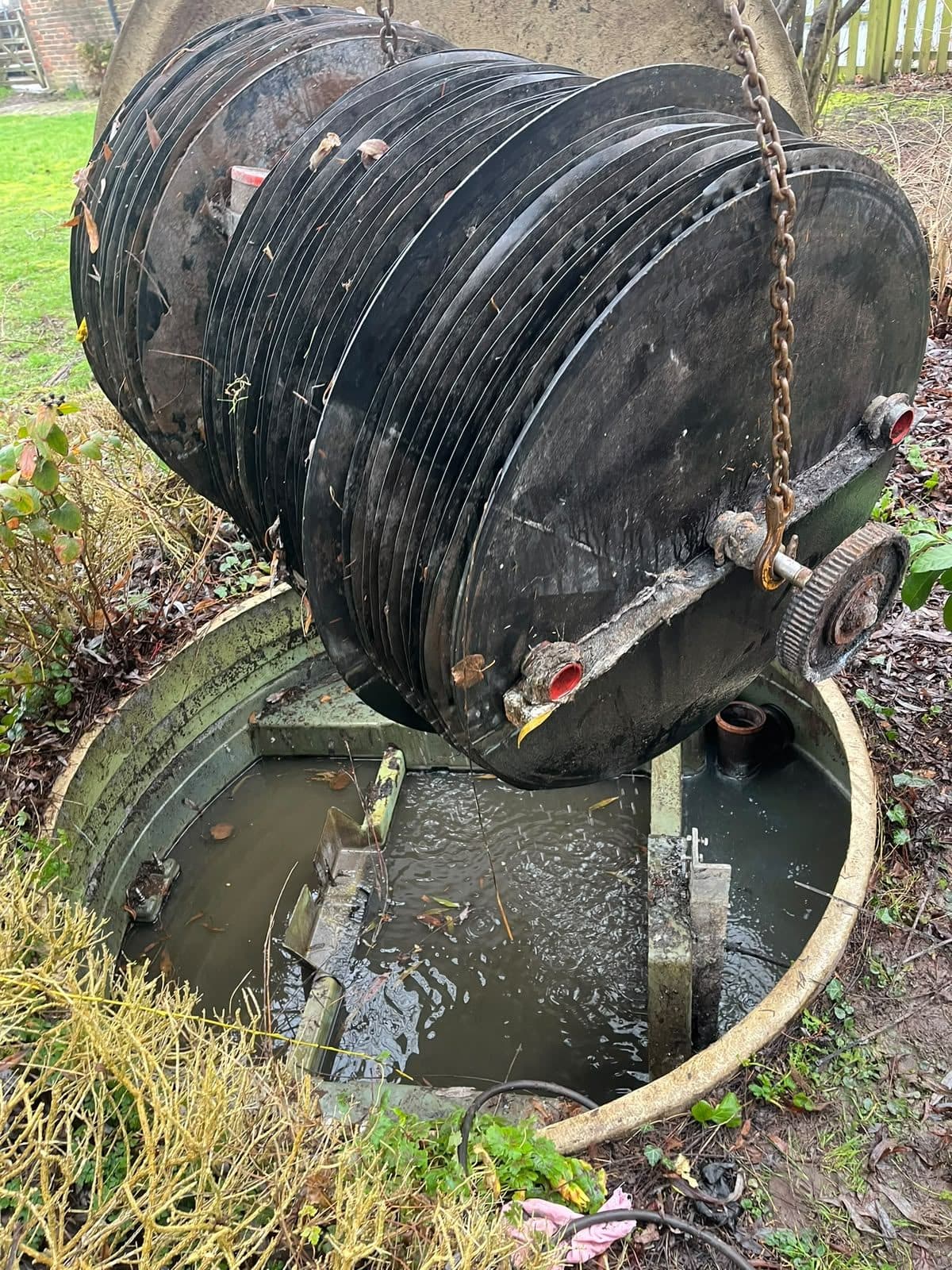
A treatment plant typically contains several chambers. Wastewater enters the primary chamber, where solids settle and form sludge. The partially clarified water then moves into an aeration chamber. Here, air is introduced and bacteria work to break down organic material. This process removes impurities and improves water quality. After aeration, the water flows into a final settlement chamber, where any remaining fine particles settle out. The treated water can then be safely discharged, as long as the system meets the requirements of the Environment Agency and the General Binding Rules. Sludge that gathers in the primary chamber must still be removed regularly through desludging.
Why Households Choose Treatment Plants
Many properties choose treatment plants because they offer better performance and cleaner discharge than other systems. They are suitable for homes where the ground conditions are poor, where foul drainage options are limited, or where environmental standards make septic tanks unsuitable. Treatment plants also reduce the risk of pollution because they treat wastewater much more effectively. They are often required when building new homes or extending existing properties in rural areas. Some homeowners choose them when replacing older or failing systems through New Tank Installations as they provide long term reliability.
How Often a Treatment Plant Needs Servicing
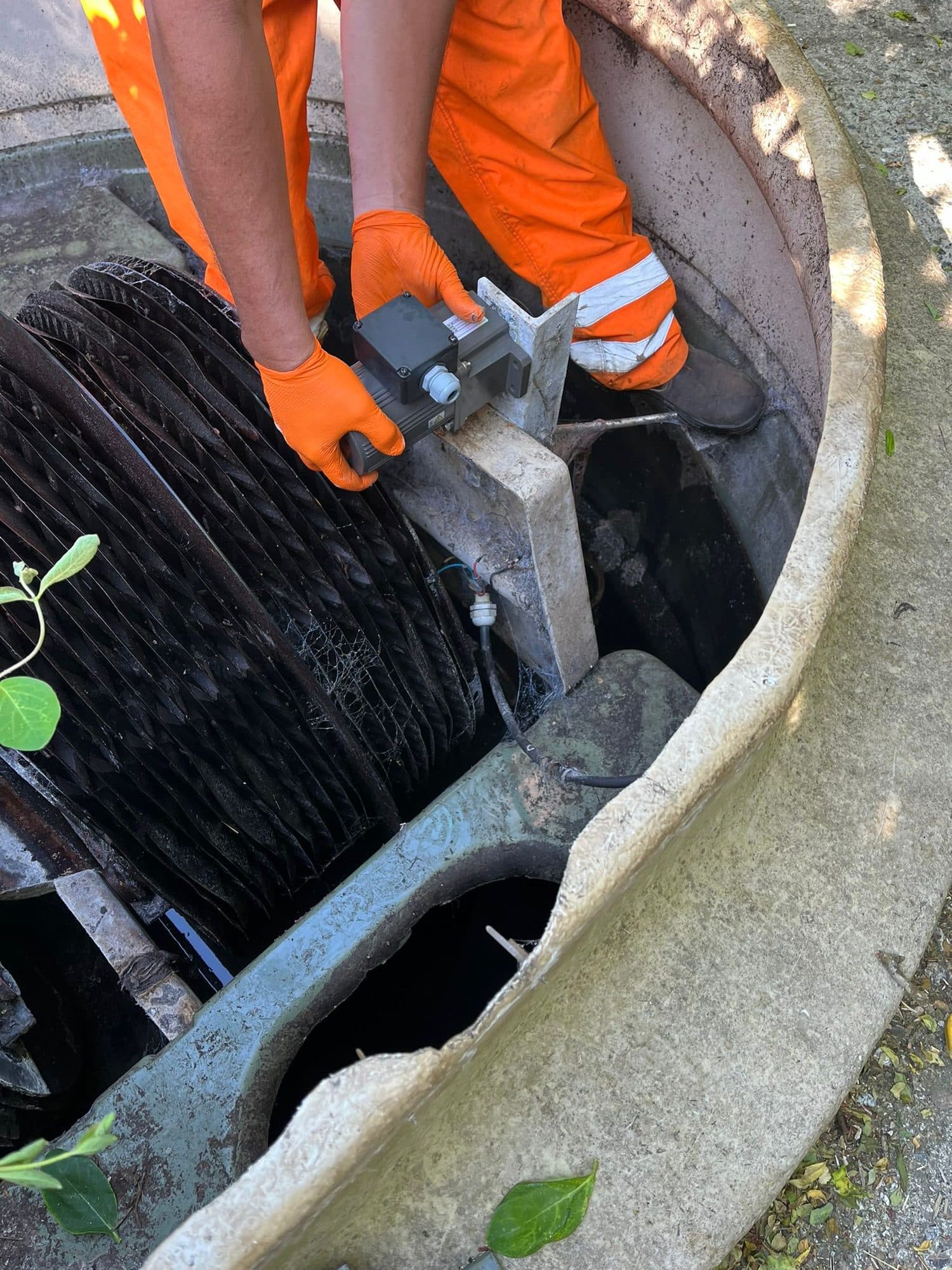
Although treatment plants offer excellent performance, they still need regular maintenance. Sludge builds up in the settlement chamber and must be removed through desludging. Mechanical components such as blowers or pumps must also be checked, as they play an essential role in the aeration process. Most plants need servicing once a year, although busy homes may require more frequent checks. During servicing, we measure sludge levels and ensure the mechanical parts function correctly. If we find any issues, we provide guidance on whether Treatment Plant Servicing and Repairs are needed to restore performance.
The Importance of Regular Emptying
Even with advanced treatment processes, sludge accumulates at the base of the unit. Desludging prevents this from reaching the outlet or affecting the aeration chamber. If sludge levels rise too high, the plant may fail, cause smells, or produce poor quality discharge. Regular emptying keeps the system safe and fully compliant. Households with heavy water use may need to empty their tanks more frequently.
Common Problems Treatment Plants Can Develop
Although treatment plants are reliable, issues can still arise. Mechanical parts may wear out over time, bacteria inside the system may become unbalanced due to chemicals entering the tank, or pipes may become blocked. When these issues appear, you may notice slow drainage, unusual noises, or smells around the tank. Poor quality discharge or damp patches near the outlet pipe are also signs of trouble. If these issues affect the surrounding drainage system, the problem may also relate to Blocked Drains and Tanks, which should be addressed quickly.
When a Treatment Plant Needs to Be Replaced
Some treatment plants eventually become unreliable, especially older systems that no longer meet environmental standards or have repeated mechanical failures. Structural damage, repeated overflowing, or poor discharge results may indicate it is time for a replacement. When a full upgrade is needed, we guide homeowners through the process and explain the options available through Treatment Plant Installation. Newer systems are more efficient, durable, and compliant with modern regulations.
Preventative Care to Keep a Treatment Plant Healthy
Daily habits make a noticeable difference to how well a treatment plant performs. Avoid flushing wipes, fats, oils, or harsh chemicals, as these can disrupt treatment processes. Spreading water use throughout the day avoids overwhelming the plant. Fixing leaks quickly reduces unnecessary water entering the system. Annual servicing ensures early issues are spotted before they develop into larger problems.
Checking Reviews Before Choosing a Provider
Because servicing and maintenance must be handled carefully, we always encourage homeowners to look through trusted review platforms such as Checkatrade when selecting a drainage or wastewater specialist. This helps ensure the work is carried out safely and professionally.
Conclusion
A treatment plant is an efficient and environmentally responsible way to manage wastewater for homes not connected to the mains sewer. At KP Cesspool Services, we help homeowners choose, maintain, and upgrade their systems so they remain safe, compliant, and reliable. With regular servicing, routine emptying, and good day to day habits, a treatment plant can offer dependable performance for many years.