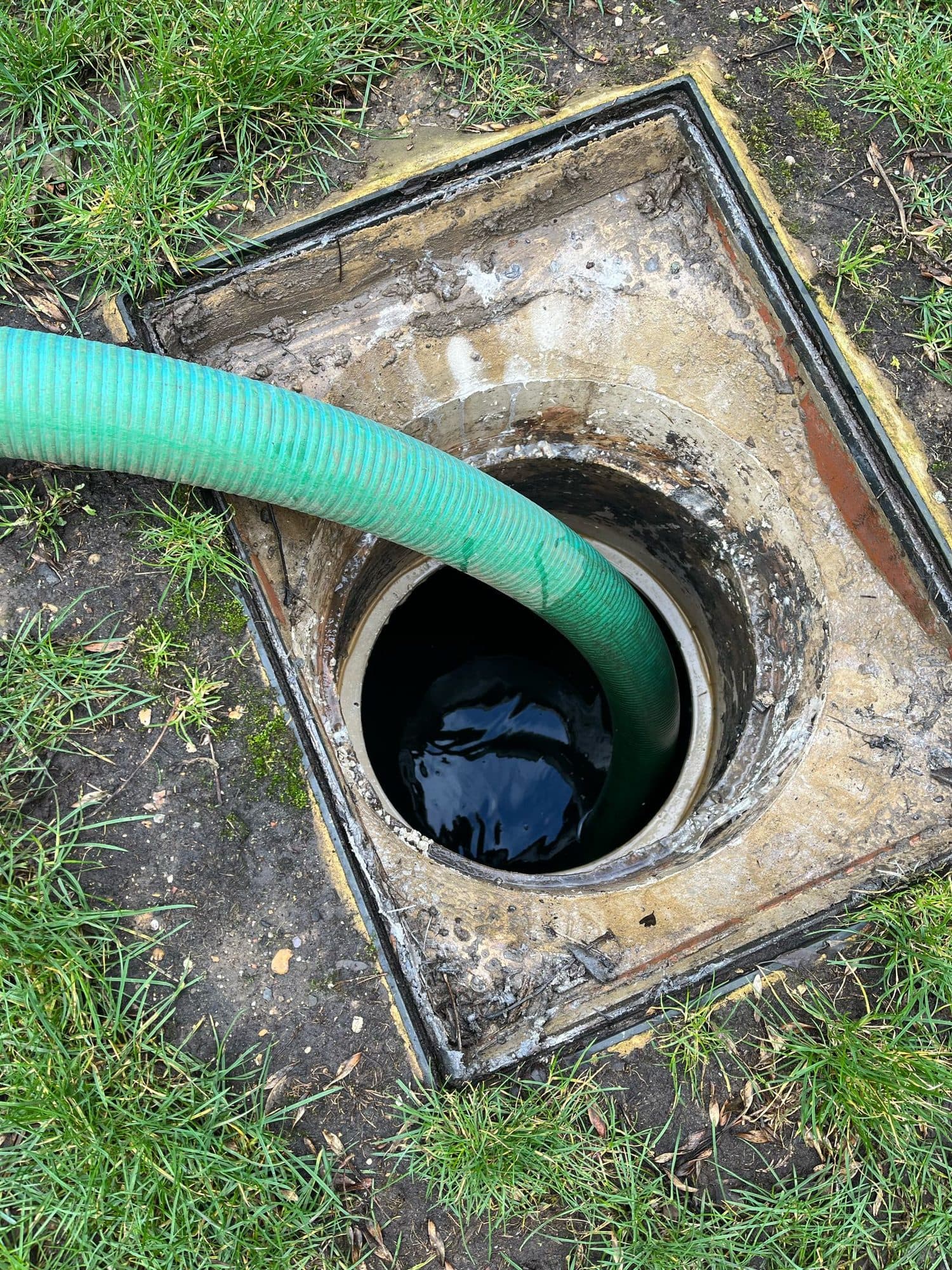
The treatment plant faults we are called to most often in Kent, what each one costs to put right, and the servicing that stops them happening.
Across Kent, many rural homes, farms and small businesses rely on a sewage treatment plant rather than the public network. Unlike a septic tank, a plant is machinery. It has a blower, a motor and bearings, it runs every hour of every day, and parts on it wear out. This guide covers the faults KP Cesspool Services are called to most often in Kent, what each one tends to cost to put right, and the servicing interval that stops most of them happening at all. Repairs and service plans are on our treatment plant servicing and repairs page.
What Is a Sewage Treatment Plant?
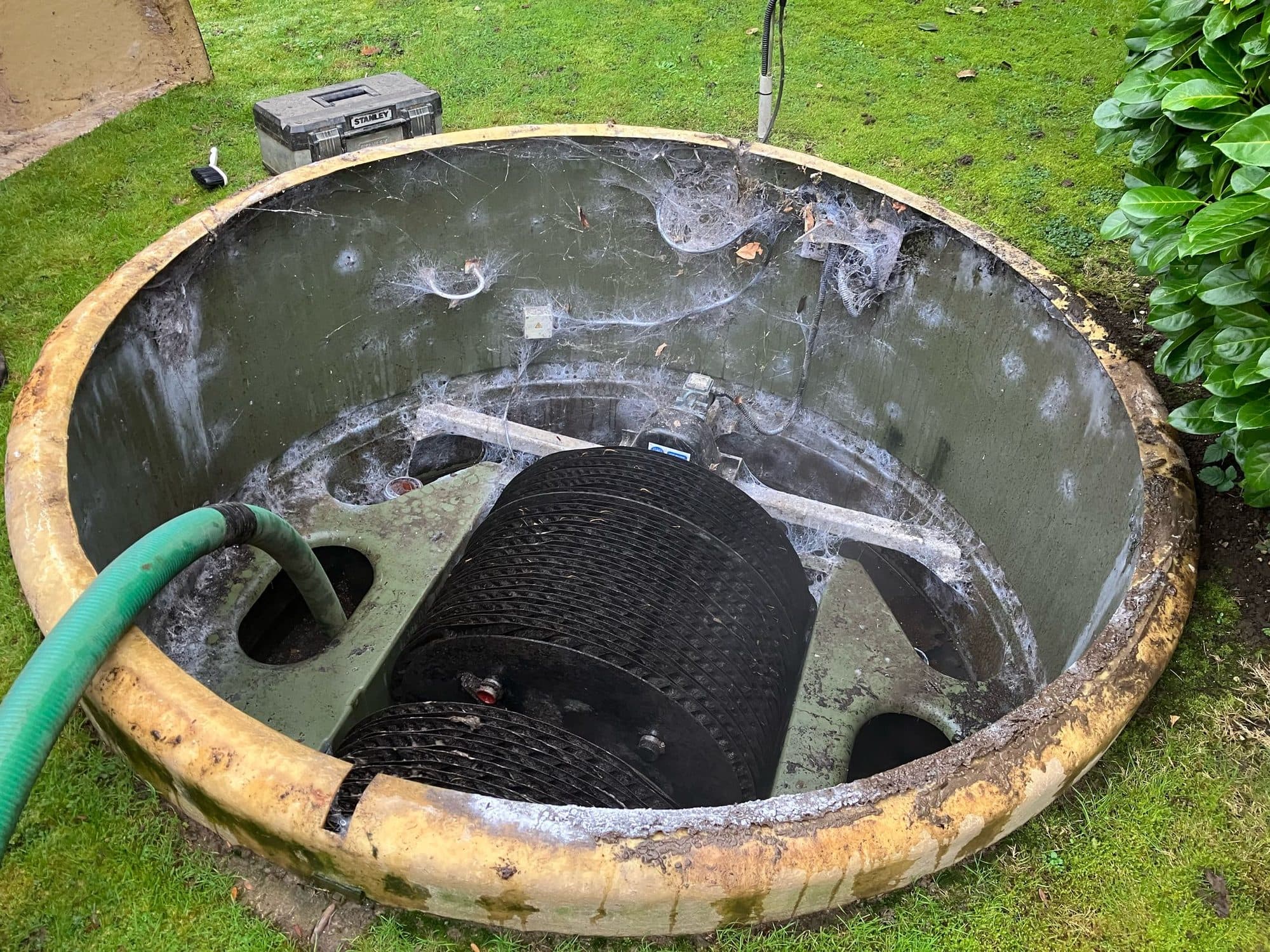
A sewage treatment plant is a private wastewater system that uses mechanical and biological processes to treat waste from toilets, sinks, and drains. Unlike a cesspool, which simply stores waste, a treatment plant actively breaks down and cleans it using oxygen and bacteria. The treated water is then safely discharged into the ground or a nearby watercourse. These systems are especially common in the rural and semi-rural areas that make up most of our treatment plant work across Kent, where access to mains drainage is limited. However, to remain efficient and compliant with environmental regulations, treatment plants must be serviced regularly by qualified engineers.
Why Regular Servicing Is Essential
Regular servicing ensures that your treatment plant continues to operate efficiently, safely, and in compliance with UK environmental law. Over time, mechanical components such as blowers, pumps, and diffusers can wear down. Biological imbalances or sludge build-up may also reduce the system’s ability to treat wastewater effectively. Routine servicing identifies these issues early, preventing costly repairs and avoiding environmental pollution.
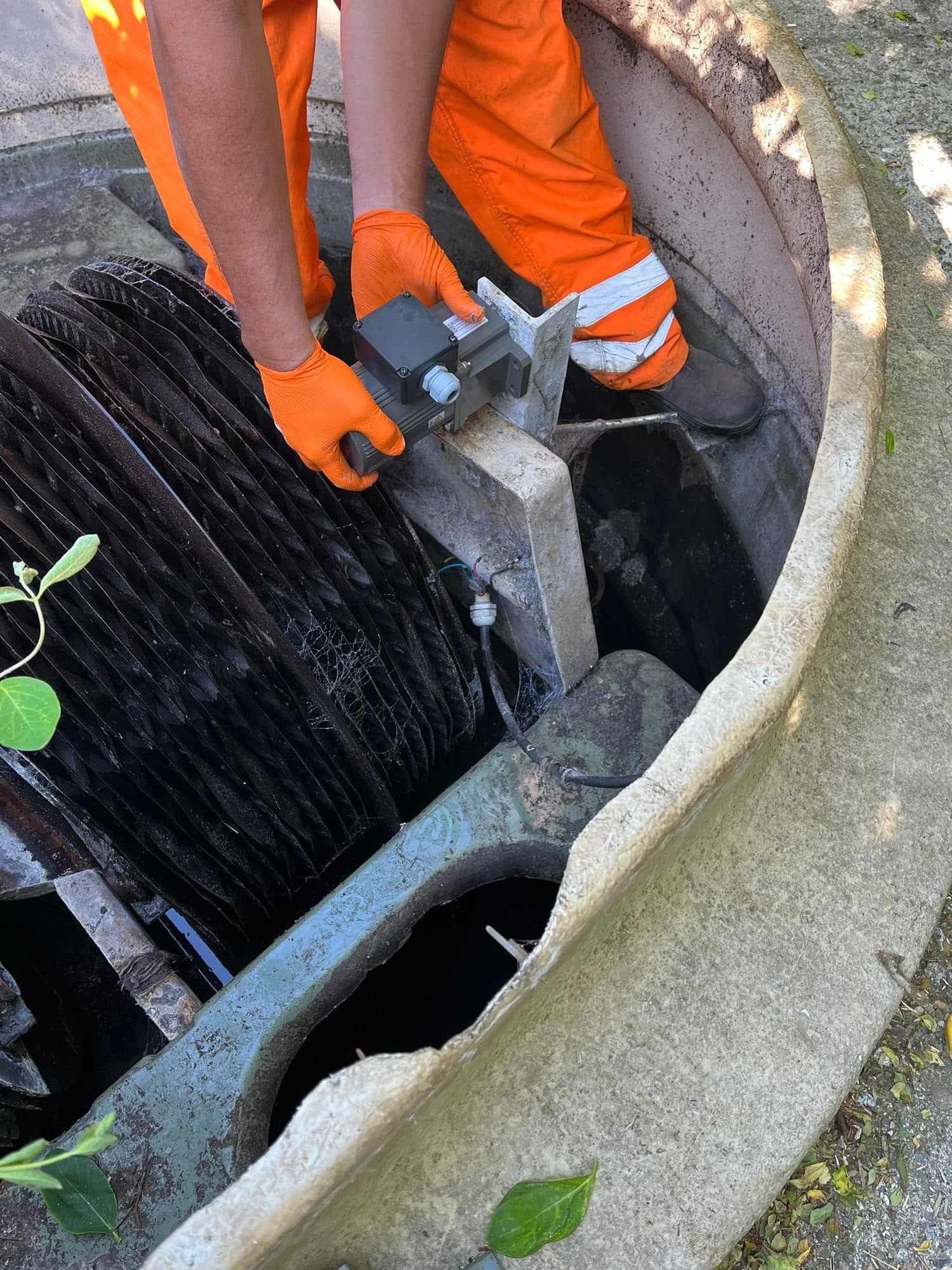
Professional Treatment Plant Servicing and Repairs typically involve inspecting all mechanical parts, testing the air supply, removing sludge, checking bacterial levels, and ensuring water discharge meets safety standards. For homeowners in Kent, this helps avoid major breakdowns and ensures the system remains legally compliant.
Common Issues That Require Repair
Even well-maintained systems can experience problems from time to time. Common issues include mechanical breakdowns, electrical faults, or damage caused by excessive rain or flooding. Blocked pipes and worn seals are also frequent concerns. Warning signs may include gurgling noises, foul odours, alarms, or standing water near the soakaway. If any of these occur, it’s best to contact a specialist for treatment plant service and repair in Kent immediately to prevent further damage.
Legal Responsibilities and Environmental Regulations
In the UK, all private sewage treatment systems must comply with the General Binding Rules. These rules ensure that wastewater discharges are safe and do not pollute the environment. Homeowners and businesses are responsible for maintaining their systems, keeping accurate records of servicing, and ensuring that treated water does not contaminate soil or waterways. Non-compliance can result in enforcement notices or fines from the Environment Agency. Regular servicing helps ensure systems remain compliant and environmentally safe.
Professional Repairs and Upgrades in Kent
At KP Cesspool Services, we provide professional maintenance and repair solutions for treatment plants across Kent. Our experienced engineers carry out thorough inspections to identify the cause of any issue before completing the necessary repairs. Whether the problem involves a blocked pump, broken air blower, or damaged outlet, we ensure the system is restored to safe working order.
If your system is outdated or beyond repair, we also provide full Treatment Plant Installation for modern, compliant systems. Where required, we can carry out New Tank Installations to replace old units that no longer meet environmental or operational standards.
How Often Should a Treatment Plant Be Serviced?
Most treatment plants require servicing at least once a year, although some high-usage or commercial systems may need more frequent checks. Servicing ensures all components function correctly and that treated water meets quality standards. It also allows early detection of issues such as sludge build-up, mechanical wear, or bacterial imbalance. A consistent maintenance schedule helps extend the lifespan of your system and reduces long-term repair costs.
Preventative Maintenance Tips
While professional servicing is essential, there are simple steps property owners can take to maintain their treatment plant between visits. Avoid flushing wipes, fats, or chemicals that can harm bacterial balance or cause clogs. Keep the air pump and control panel in good working order. If your system has alarms, check they are functioning properly. If you notice any issues such as Blocked Drains and Tanks, arrange prompt professional attention before they lead to system failure.
Signs That Your System Needs Repair
Knowing when to arrange servicing or repairs helps prevent major problems. Key signs include strong odours near the tank or soakaway, unusual noises, slow drainage, or the alarm activating. Puddles or unusually lush grass near the discharge area may also indicate a leak or overflow. Any of these symptoms mean your system is not functioning correctly and needs inspection by a professional engineer.
Costs of Servicing and Repairs
The cost of treatment plant service and repair in Kent varies depending on the size, type, and condition of the system. Routine servicing generally costs between £150 and £300, while repair costs depend on the nature of the issue. Minor repairs such as replacing seals or filters are relatively inexpensive, whereas major component replacements can be more costly. Investing in regular maintenance helps reduce the likelihood of expensive repairs and keeps your system operating efficiently for longer.
When to Upgrade Your Treatment Plant
If your system is over ten years old or no longer meets environmental discharge standards, upgrading may be more cost-effective than repeated repairs. Modern treatment plants are designed to be more energy-efficient and easier to maintain. They also provide better water quality and comply fully with the latest environmental legislation. A professional engineer can assess your system and recommend whether repair or replacement offers the best long-term value.
Conclusion
Regular Treatment Plant Service and Repair in Kent is essential for keeping private sewage systems working safely and efficiently. Routine maintenance prevents costly breakdowns, ensures legal compliance, and helps protect the local environment. Whether you need an annual service, emergency repair, or a full system upgrade, working with experienced professionals ensures your treatment plant continues to perform reliably for years to come. Investing in regular maintenance today provides peace of mind and long-term protection for your property and the surrounding environment.