What actually makes a sewage treatment plant eco-friendly, from tested treatment and power use to sizing, servicing and where the water ends up.
Almost every sewage treatment plant on the market is sold as eco-friendly, so the label on its own tells you very little. What genuinely makes a plant better for the environment comes down to five things. It has to treat the waste to a standard that has been tested rather than claimed, it has to be the right size for the house, it has to draw no more power than it needs, its outlet has to go somewhere the rules allow, and above all it has to be looked after once it is in the ground. A good plant that is neglected does more harm than an average one that is serviced on time.
That last point is the one the brochures leave out, because it depends on the owner rather than the product. This guide goes through each of the five, explains what to ask before you buy, and is honest about the case where the greenest answer is not a plant at all.
Eco-friendly compared with what
The fair comparison is with the septic tank most plants replace. A septic tank only settles the waste. Solids sink, and the liquid leaves the tank still carrying much of its pollution, relying on the soil in a drainage field to finish the job. That is why a septic tank cannot legally discharge to a ditch or stream, a point we cover in whether a septic tank can discharge to a ditch.
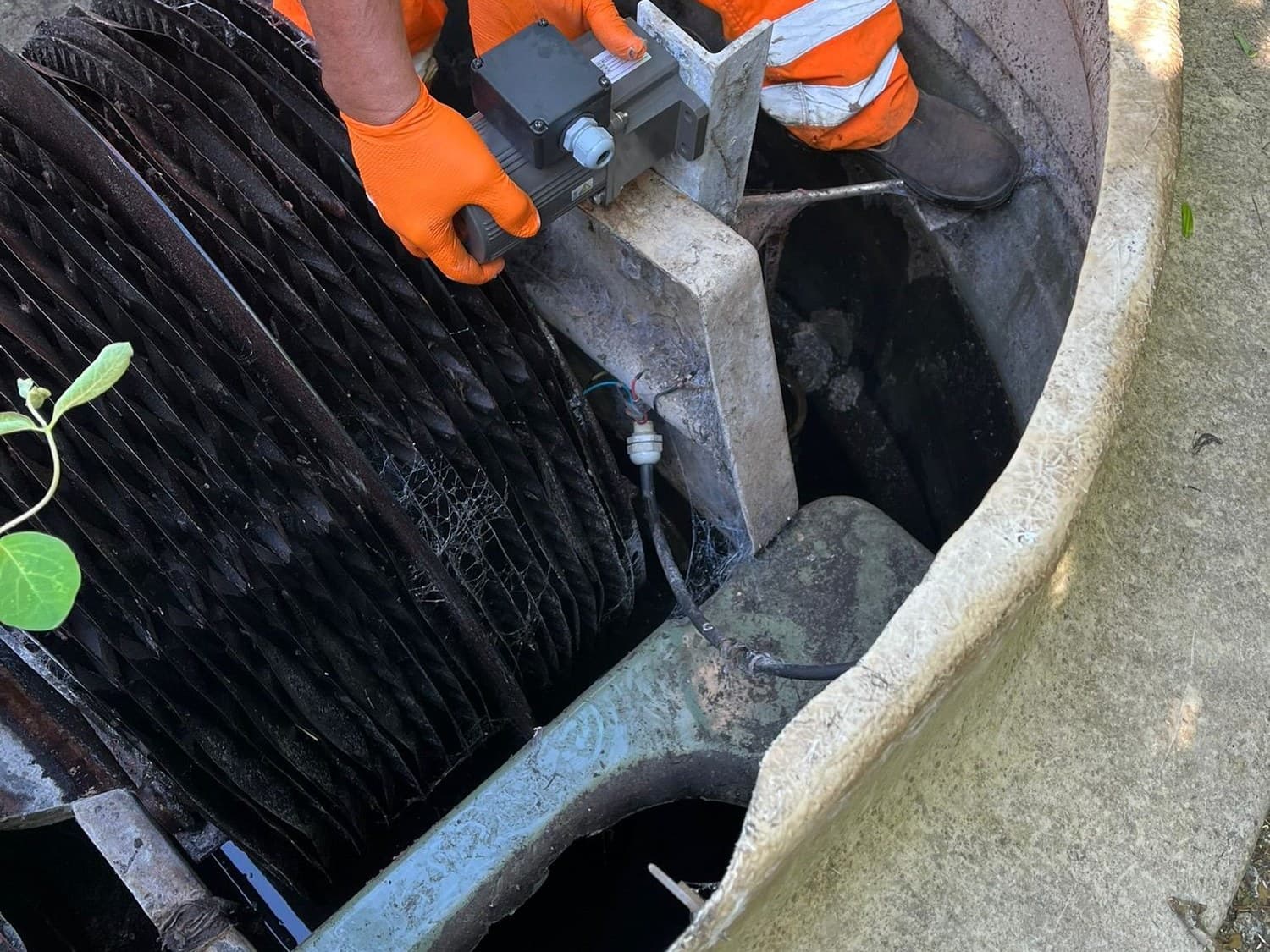
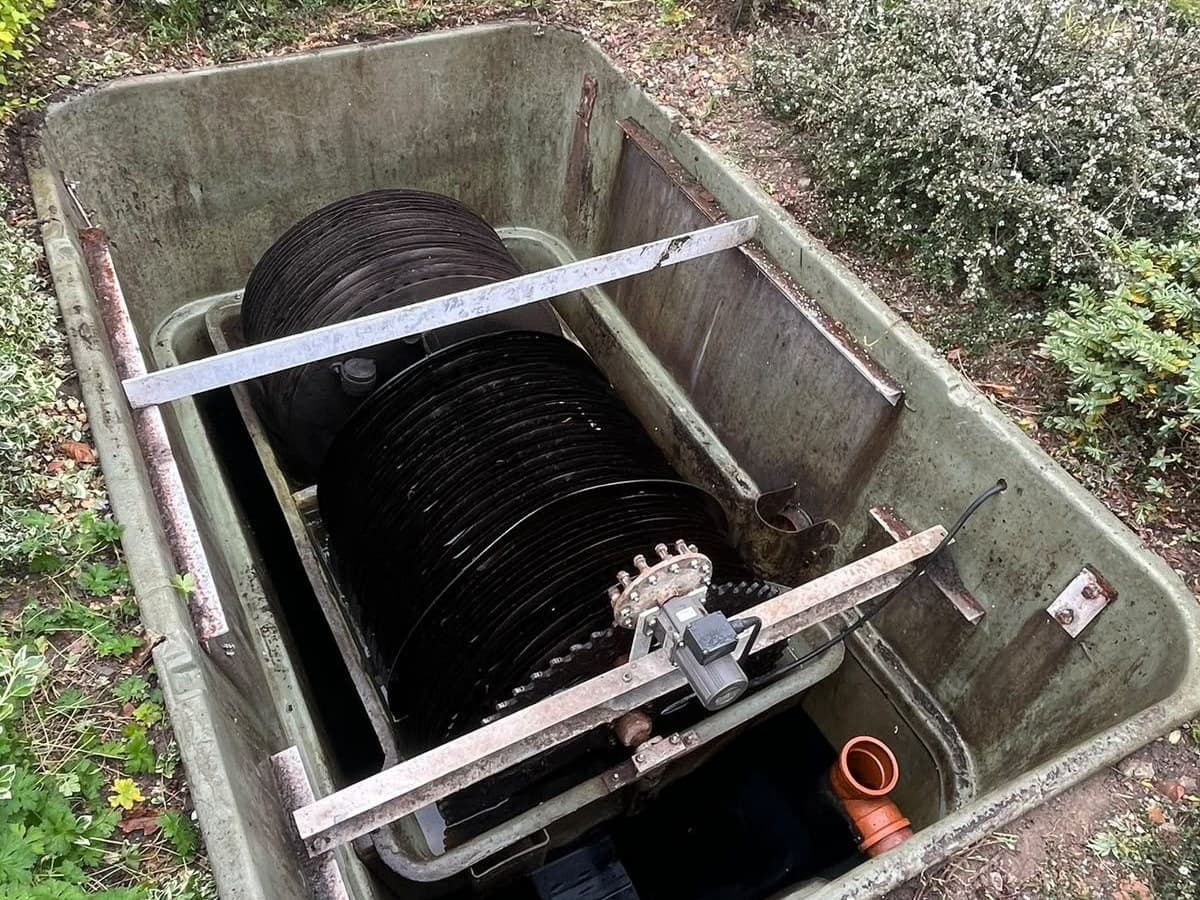
A treatment plant goes further. Air is pumped through the waste, or in a biodisc plant the turning discs carry it through the air, so that bacteria break the waste down, and what leaves is clean enough to discharge to a watercourse where the rules allow it. That is the real environmental gain, and it is why a plant is the usual answer when a septic tank's drainage field has failed or an old system can no longer discharge the way it does. Our guide to the difference between a treatment plant and a septic tank sets the two side by side, and how a sewage treatment plant works explains each stage.
Tested to a standard
The building regulations set a floor here. Approved Document H says a packaged treatment works should be type tested to a British Standard or otherwise tested by a notified body, and the General Binding Rules expect a plant to meet the British Standard that was in force when it was installed. For a new plant that standard is BS EN 12566.
That testing is what turns "eco-friendly" into a number. A plant that has been through it should come with results showing how well it treated the waste under test. Ask to see them, and be wary of any plant, new or second hand, where nobody can tell you what standard it was tested to.
The right size for the house
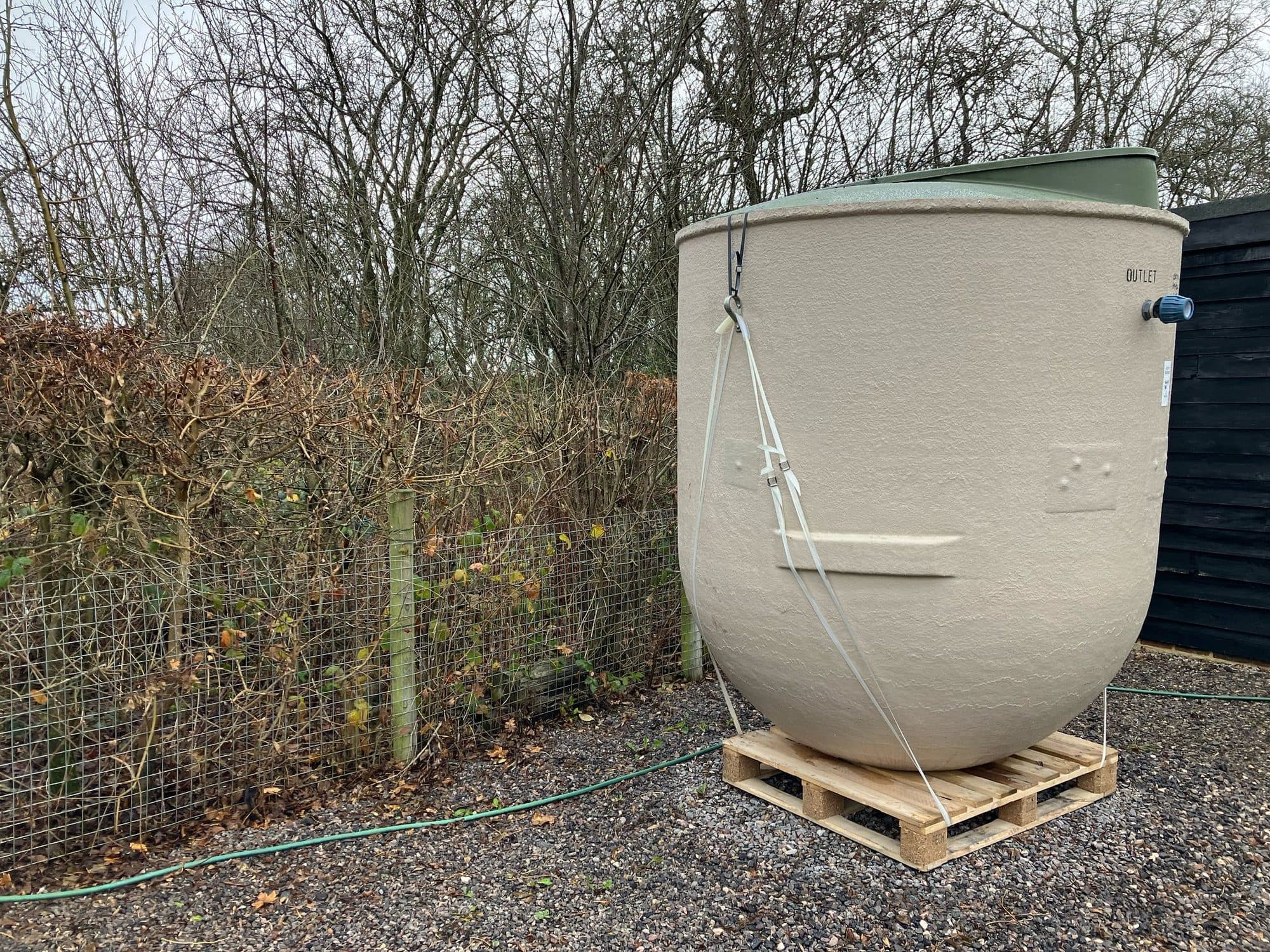
A plant is sized by how many people the property can sleep, not how many happen to live there now. Get it wrong in either direction and it stops being eco-friendly in practice. Too small and it is overloaded, so the waste passes through before the bacteria have finished with it. Too large for the actual use and it can struggle to keep a healthy bacterial population going.
When we supply and fit a new plant we size it to the property properly, and we will tell you honestly if a simpler repair to what you already have would do instead. If you are still deciding whether you need one at all, do I need a sewage treatment plant is a good place to start.
Power that runs all day
Unlike a septic tank, a plant needs electricity. Its motor or air blower runs every hour of every day, so small differences in how much power it draws add up over a year and over the life of the plant. Manufacturers publish a power rating for each model, and it is worth comparing them before you buy rather than finding out from the electricity bill.
Approved Document H also expects a plant that needs power to keep working adequately for up to six hours without it, or to have an uninterruptible supply. That protects the watercourse during a power cut, and it is one of the things a properly tested plant will have been designed around.
Where the water goes
A plant is only as good as where its outlet goes. The binding rules set conditions on how much a plant can discharge and where, and a site that cannot meet them needs an environmental permit from the Environment Agency instead.
There is one honest exception to everything above. Where a public sewer is within reach, that is usually the better answer, and the Environment Agency says on its permits guidance that it will not give a permit for a private sewage treatment system if it is reasonable to connect to the public sewer. A plant is the green choice for a property that cannot reach the mains, not a reason to avoid them.
Looked after, or not eco-friendly at all
This is where most of the real difference is made. The binding rules say a plant must be operated in line with the manufacturer's specification and maintained by someone competent. The sludge must be removed before the plant reaches its capacity, which the rules say should be at least once a year or as often as the manufacturer instructs. Plants that skip their service gradually stop treating, and because they keep discharging regardless, the first anyone knows of it is often a smell, a grey outlet or a complaint from a neighbour downstream.
A mid range plant that is serviced on time works better for the environment than the best rated plant on the market left to look after itself, because the test results describe a plant in good working order and nothing else. A worn bearing or a clogged blower filter undoes them quietly. That is the job our treatment plant servicing and repairs are there to do, and our guide to how long a treatment plant lasts explains what tends to wear first.
The owner's part is simpler. Keep wipes, sanitary products, cooking fat and heavy bleach out of the drains, because all of them upset the bacteria the plant depends on. Fix dripping taps and leaking cisterns, because clean water running through the plant is capacity it has to deal with for no benefit. And when the sludge is taken away, make sure it goes with a registered waste carrier. The Environment Agency's public register lets you check anyone by name, and ours is CBDU266860.
Talking it through
If you are replacing a failing septic tank, building somewhere with no mains connection, or trying to work out whether the plant you already have is doing its job, we are happy to talk it through. We fit and service treatment plants right across Kent and East Sussex, and our guide to what a treatment plant installation costs explains what moves the price.
KP Cesspool Services has over twenty years' experience of private drainage, and you can read our reviews on Checkatrade. Call 01233 720725, email kpcesspoolservices@hotmail.com, or contact us and we will help you choose a plant that is genuinely kind to the stream at the end of it.
Need a hand with yours?
We cover Kent and East Sussex 24 hours a day. Ring us and a real person will pick up, whatever time it is.