What causes drain blockages on Kent properties, the early warning signs, and how the cause changes with cesspits, septic tanks and treatment plants.
At KP Cesspool Services, the cause of a blockage on a Kent property depends almost entirely on what the drains run into. On a cesspit it is usually a tank that is simply full. On a septic tank it is more often sludge carrying over into the outlet. On ordinary pipework it is wipes, fat or roots. This guide works through each in turn, with the early signs that go with it, so you can tell which one you are dealing with. Clearance is on our blocked drains and tanks page.
What Causes Blockages in Kent
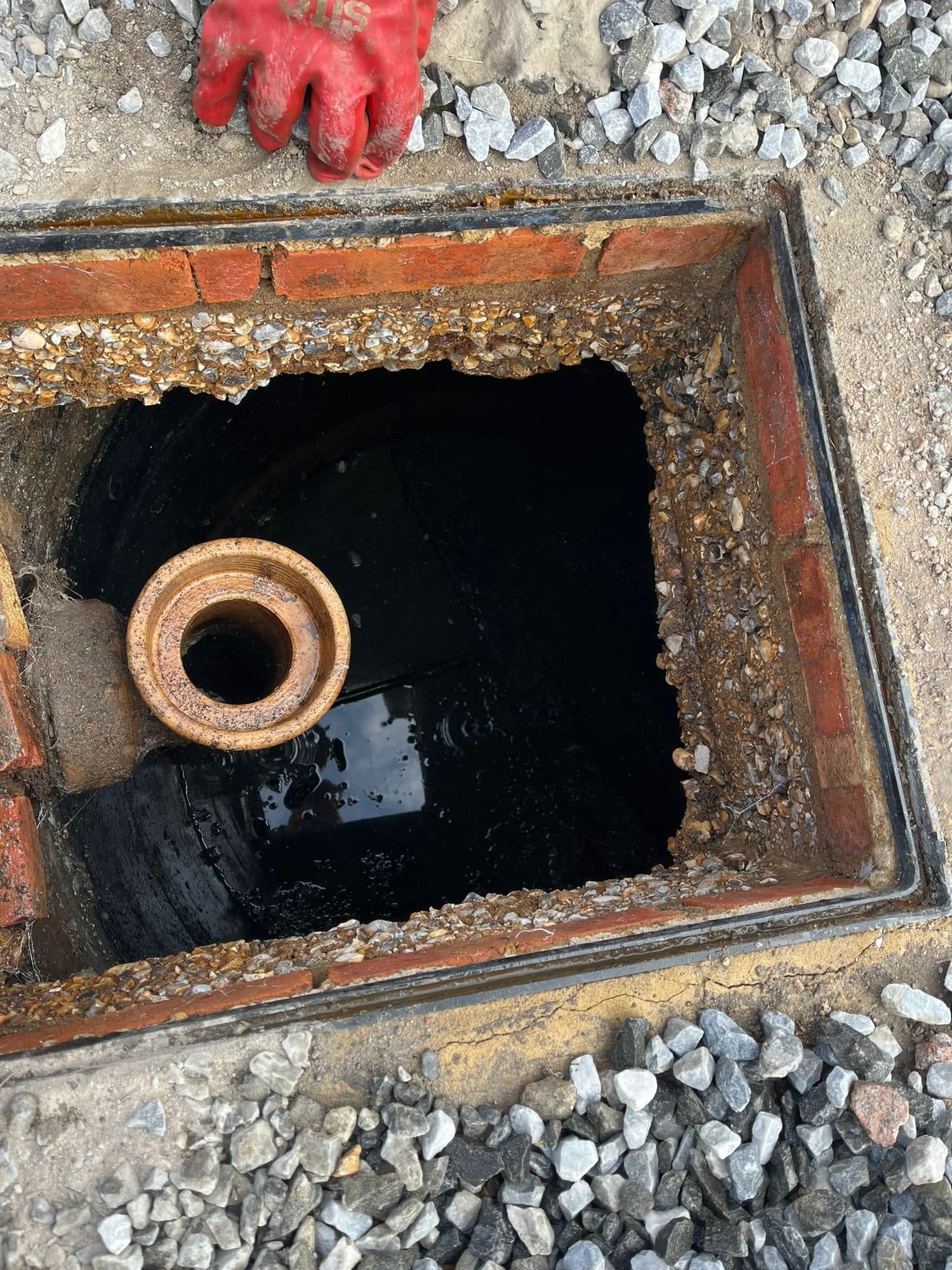
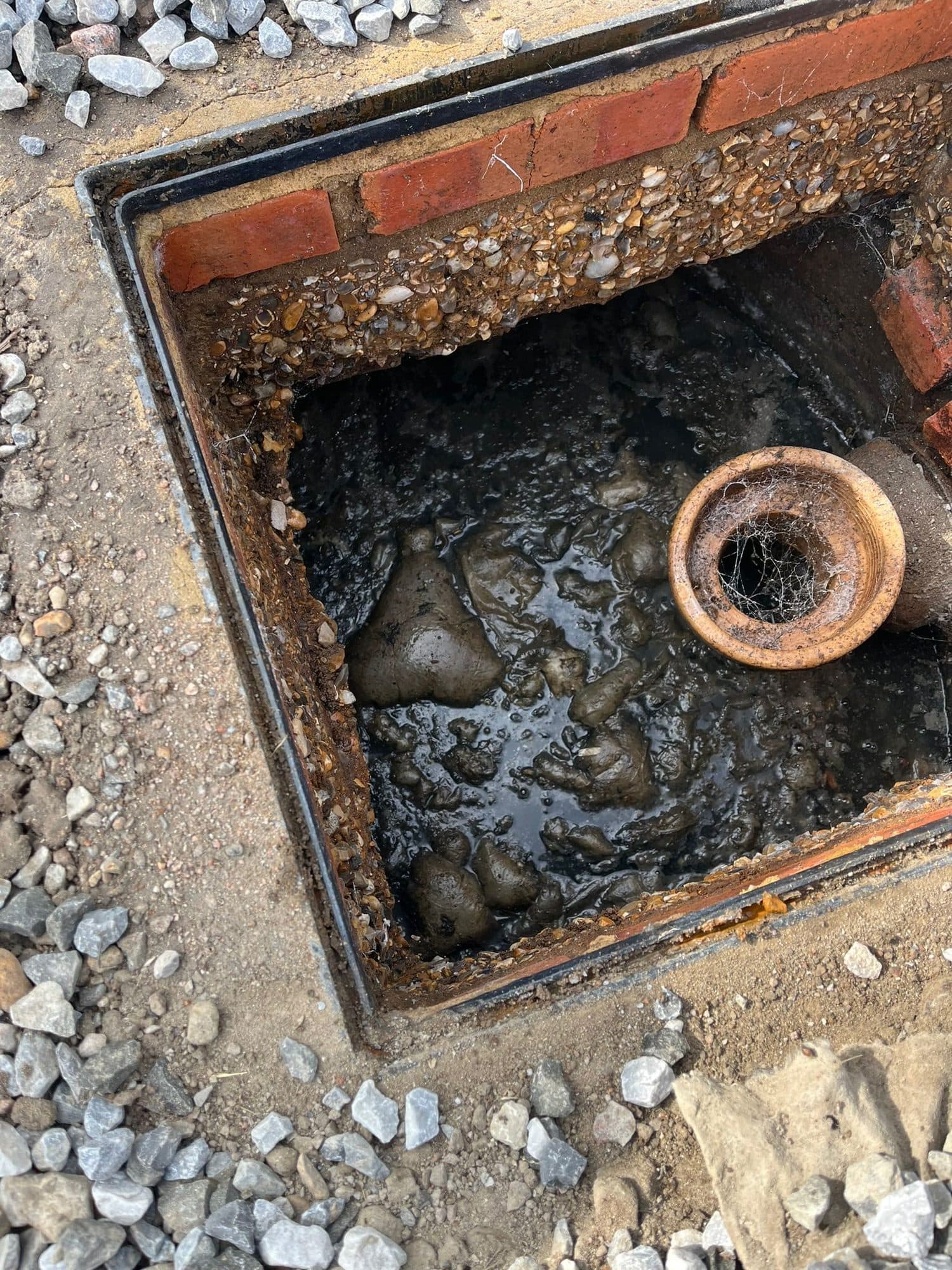
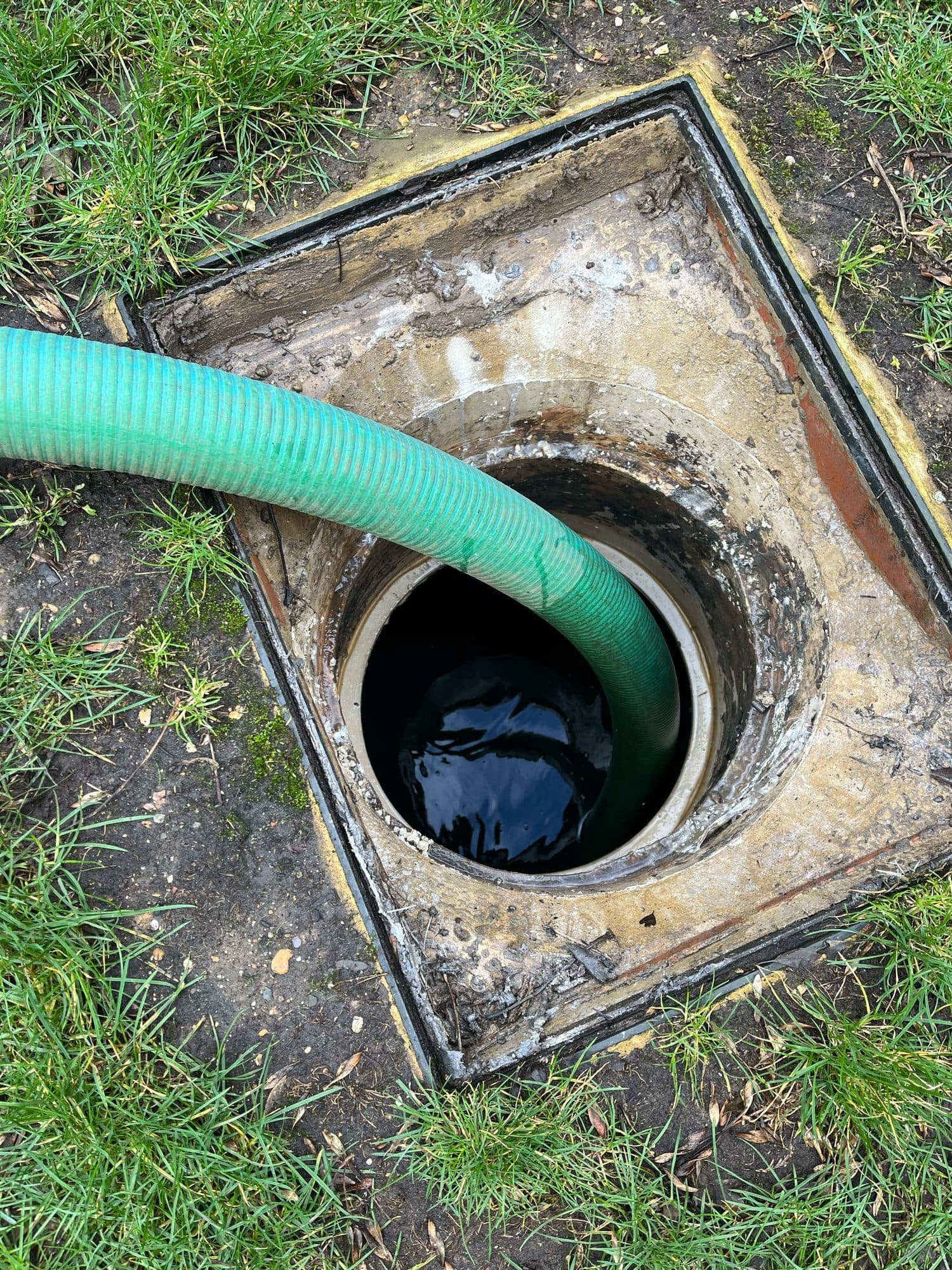
Blockages usually form when wastewater cannot move freely through drains, pipework, or tanks. In many cases, everyday items such as wipes, fats, oils, and cleaning products build up inside pipes and restrict flow. Tree roots can also enter underground pipework, especially in older properties, creating physical obstructions. For homes with septic tanks or treatment plants, rising sludge levels can block outlet pipes and disrupt the system. Cesspools are particularly vulnerable when they approach capacity, as wastewater has nowhere to go and begins backing up. When these issues affect the wider system, they often fall under Blocked Drains and Tanks, which we handle regularly across Kent.
Early Warning Signs of a Blockage
Blockages rarely appear without warning. One of the first signs is slow drainage from sinks, baths, or showers. Toilets may flush poorly or behave unpredictably. Gurgling sounds from internal pipework often suggest trapped air caused by restricted flow. Outside the property, smells near drain covers or tank lids can indicate waste is not moving correctly. Some homeowners also notice damp ground or unusually green grass above pipework or tanks. Spotting these signs early allows the issue to be resolved before it escalates into a more serious problem.
Common Blockage Issues We See
Across the Kent villages and farms we cover, we frequently attend blockages caused by rising sludge in septic tanks that have not been desludged on time. In treatment plants, mechanical components or aeration chambers can become restricted if solids are allowed to build up. For properties with cesspools, blockages often occur when the tank is close to full, at which point the only solution is professional Cesspool Emptying to relieve pressure and restore flow.
Why Blockages Should Be Dealt With Quickly
Leaving a blockage unresolved can lead to serious consequences. Wastewater may back up into the home, causing damage to fixtures and floors. Outside, overflowing drains can contaminate soil and nearby land. In tanks, rising pressure can crack structures or dislodge lids. Environmental damage is also a concern. Poorly managed wastewater can pollute watercourses and land, which falls under the oversight of the Environment Agency. Acting quickly protects both your property and the environment.
How We Clear Blockages in Kent
When we attend a blockage, we begin by identifying where the restriction is located. This may be within internal pipework, external drains, or the tank system itself. We use appropriate equipment to clear the blockage safely and restore proper flow. If the issue is linked to tank levels or sludge build up, we will advise on emptying or servicing. Where mechanical faults or damaged components are found, we explain the repair options clearly. In some cases, persistent blockages highlight the need for system improvements, including Treatment Plant Installation to provide more reliable long term performance.
When Repairs or Upgrades Are Needed
Some blockages are a symptom of deeper issues. Cracked pipes allow soil or roots to enter. Damaged baffles in septic tanks can allow solids to escape too early. Ageing treatment plants may struggle to cope with demand. During our inspections, we assess whether repairs are sufficient or whether upgrading is the safer option. In situations where tanks are failing repeatedly, we may recommend New Tank Installations to restore reliability and compliance.
Legal and Environmental Responsibilities
Homeowners in Kent are responsible for ensuring their wastewater systems are maintained properly. Septic tanks and treatment plants must comply with the General Binding Rules, which aim to prevent pollution. Keeping systems clear, serviced, and free flowing is a key part of meeting these responsibilities. When choosing a provider to deal with blockages, we always recommend checking trusted review platforms such as Checkatrade to ensure work is carried out safely and professionally.
Preventing Future Blockages
Many blockages can be avoided with good habits. Avoid flushing wipes, sanitary items, fats, and oils. Spread high water usage throughout the day rather than all at once. Arrange regular tank servicing and emptying to prevent sludge build up. Early inspections help identify potential issues before they turn into emergencies.
Cost of Clearing Blockages in Kent
The cost of dealing with a blockage depends on its location and severity. Simple pipework blockages are often quick to resolve, while tank related issues may require emptying or further investigation. Structural repairs or system upgrades can increase costs, which is why preventative maintenance usually offers better value in the long run.
Conclusion
Blockages in Kent can cause disruption and damage if left untreated, but early action makes them much easier to resolve. At KP Cesspool Services, we help homeowners identify the cause, clear blockages safely, and prevent repeat issues through proper maintenance. With regular care, responsible use, and professional support, wastewater systems across Kent can remain reliable and problem free throughout the year.