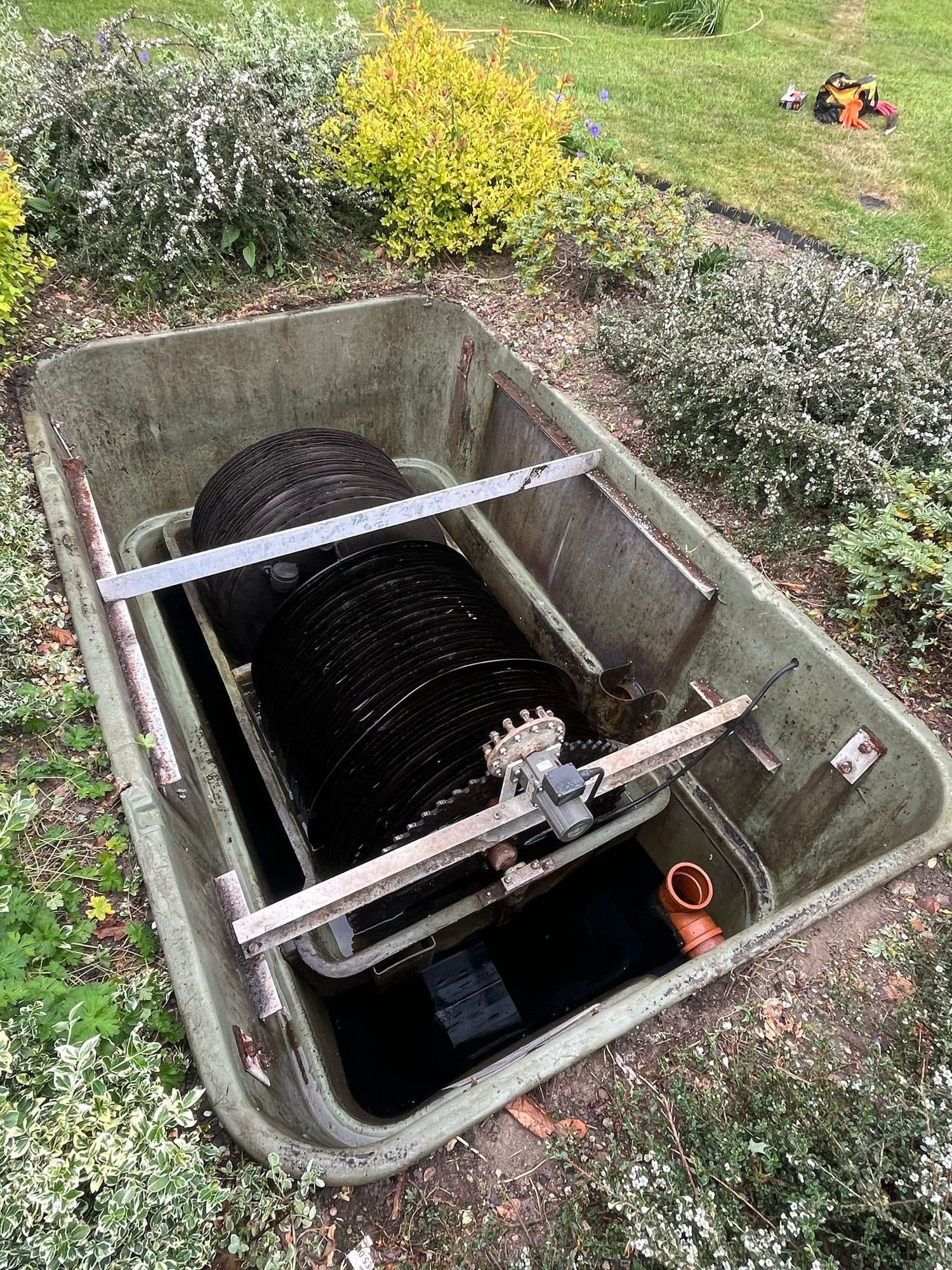
Learn how weather affects cesspools and septic tanks and why regular maintenance helps prevent drainage problems.
At KP Cesspool Services, we often explain to homeowners that weather can have a significant impact on private wastewater systems. Cesspools and septic tanks are installed underground and operate in close interaction with the surrounding soil. Because of this, changes in rainfall, temperature, and seasonal ground conditions can influence how these systems perform. Understanding how weather affects cesspools and septic tanks helps homeowners recognise potential issues early and maintain their systems more effectively throughout the year.
Why Weather Matters for Wastewater Systems
Cesspools and septic tanks rely on stable ground conditions to function correctly. Wastewater flows through pipes into the tank, where it is either stored or partially treated depending on the system type. The surrounding soil and drainage environment play an important role in how efficiently the system operates. When weather conditions change, particularly during heavy rain, freezing temperatures, or long dry periods, the ground conditions around the system also change. These changes can influence wastewater flow, tank pressure, and overall system performance.
Heavy Rain and Saturated Ground
One of the most common weather related issues affecting septic tanks is heavy rainfall. When the ground becomes saturated, it struggles to absorb additional water. Septic tanks that discharge into drainage areas rely on soil absorption, so saturated ground can slow the process significantly. When this happens, wastewater may struggle to disperse, leading to slow drainage inside the property.
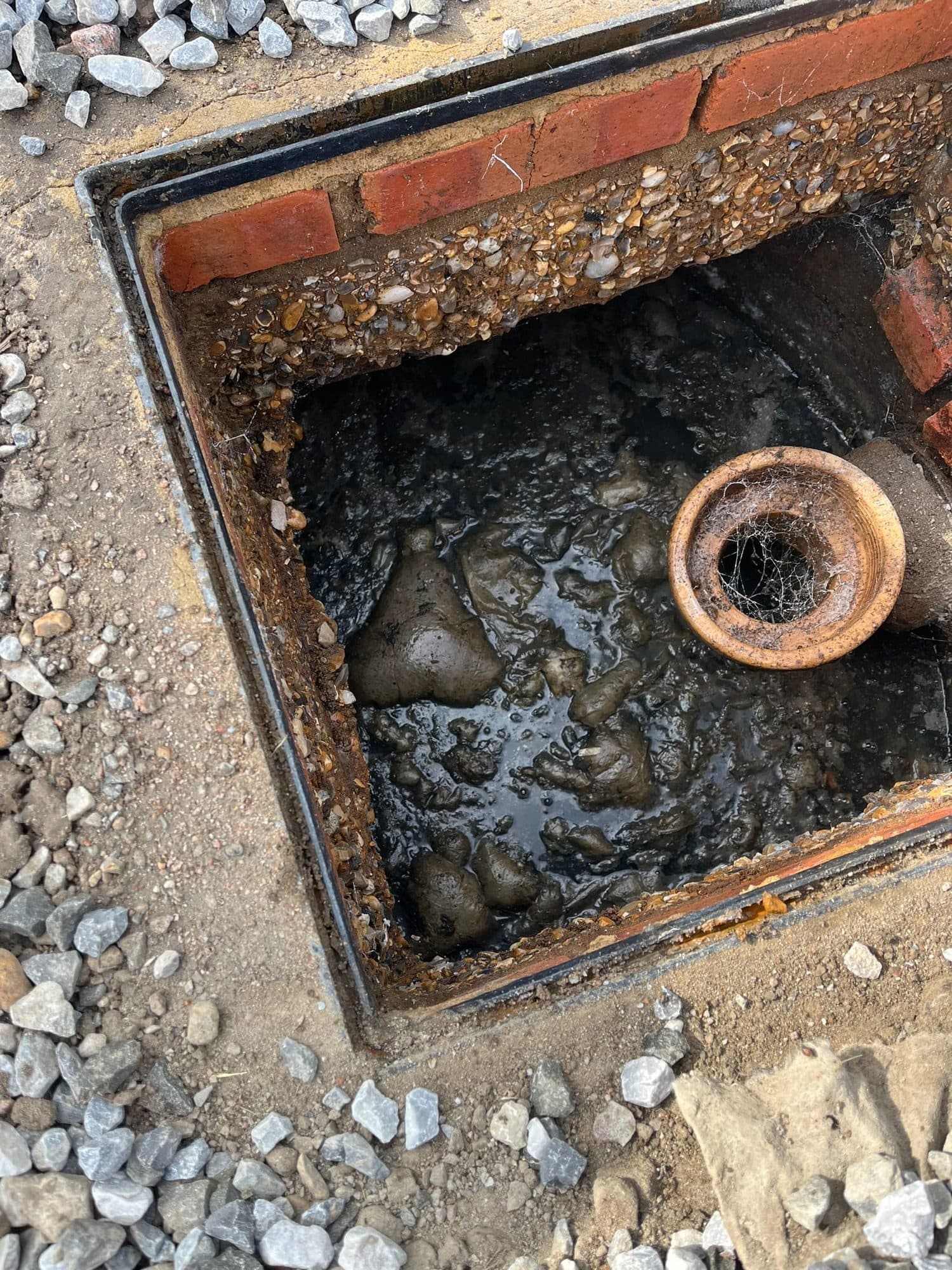
For cesspools, heavy rain does not directly affect discharge because they do not release wastewater. However, high groundwater levels can still influence the surrounding soil pressure and increase the likelihood of drainage issues developing in connected pipework. In some situations, wet ground conditions can contribute to Blocked Drains and Tanks if wastewater cannot move freely through the system.
Cold Weather and Freezing Conditions
Freezing temperatures can also affect cesspools and septic tanks. Pipes that are exposed or poorly insulated may freeze during very cold weather, which restricts wastewater flow. Frozen ground can also prevent wastewater from dispersing effectively in septic systems.
In most cases, underground tanks remain protected from freezing because the soil provides natural insulation. However, prolonged cold weather can still influence drainage performance and cause temporary slow flow within the system. Ensuring the tank and pipework are properly installed helps minimise these risks.
Hot Weather and Dry Conditions
Long periods of dry weather can create a different set of challenges. Dry soil may shrink or shift slightly, which can affect older pipework or tank structures. Ground movement may cause small changes in alignment that restrict wastewater flow.
High temperatures can also increase odours around cesspools or septic tanks. As temperatures rise, gases produced by wastewater break down more rapidly and may become more noticeable near access covers or drains. This does not necessarily indicate a fault but can highlight the importance of regular servicing and monitoring.
Storms and Sudden Weather Changes
Sudden storms or rapid changes in weather conditions can place temporary stress on drainage systems. Heavy rainfall combined with strong winds can move debris into drains or disturb soil around tank covers. If drainage pipes become partially blocked, wastewater may struggle to reach the tank correctly.
When this happens, homeowners may notice gurgling sounds in pipework, slow draining sinks, or unusual smells. Early investigation helps prevent minor disruptions from turning into larger problems.
The Importance of Regular Maintenance
Weather related issues are much easier to manage when a system is maintained regularly. Routine checks allow early signs of drainage problems to be identified before they cause serious disruption. For cesspools, scheduled Cesspool Emptying ensures the tank does not reach capacity during periods when drainage conditions are already difficult.
Septic tanks and treatment systems also benefit from regular servicing, which helps ensure sludge levels remain under control and discharge systems continue to operate effectively. Proper maintenance reduces the impact of seasonal weather changes and helps the system cope with fluctuating ground conditions.
Environmental Considerations
Private wastewater systems must always operate in a way that protects the environment. Poor drainage or system failures caused by extreme weather can lead to pollution if not addressed quickly. The Environment Agency oversees private drainage systems and expects homeowners to manage them responsibly.
Septic tanks and treatment plants must also comply with the General Binding Rules, which outline how wastewater systems should be installed, maintained, and operated to prevent environmental harm. Keeping systems in good condition is particularly important during periods of extreme weather when the risk of disruption increases.
Preventing Weather Related Problems
Although weather cannot be controlled, several steps can help reduce its impact on cesspools and septic tanks. Avoid placing heavy vehicles or structures above drainage areas, as this can compact soil and reduce drainage efficiency. Keep access covers visible so inspections and servicing can be carried out easily. Fix leaks and drainage problems quickly so the system does not become overloaded during wet weather.
Monitoring early warning signs such as slow drainage or unusual smells also helps detect problems before they escalate. Acting early reduces both inconvenience and repair costs.
Choosing a Reliable Service Provider
Professional servicing and inspections are an important part of protecting wastewater systems from weather related problems. We always recommend checking reviews on trusted platforms such as Checkatrade before choosing a provider, as experience and proper equipment make a significant difference when dealing with drainage systems.
Conclusion
Weather affects cesspools and septic tanks in several ways, from heavy rainfall and saturated ground to freezing temperatures and prolonged dry periods. Understanding these effects helps homeowners manage their systems more effectively and recognise early warning signs when conditions change. At KP Cesspool Services, we help homeowners keep their wastewater systems operating reliably through maintenance, inspections, and practical advice. If you would like guidance on protecting your system throughout the year, contact us and we will be happy to help.