Learn the common causes of blocked drains and tanks, early warning signs, and how regular maintenance helps prevent disruption.
At KP Cesspool Services, we regularly attend properties where blocked drains and tanks have caused disruption, unpleasant smells, or wastewater backing up inside the home. Blockages can affect cesspits, septic tanks, and sewage treatment plants, and they often develop gradually before becoming a serious problem. Understanding what causes blocked drains and tanks helps homeowners reduce risk, spot early warning signs, and take action before costly damage occurs.
Everyday Items Entering the System
One of the most common causes of blocked drains and tanks is unsuitable items entering the system. Wipes, sanitary products, nappies, and paper towels do not break down easily and can quickly restrict flow in pipework. Even products labelled as flushable often contribute to blockages over time. In tank based systems, these materials add to sludge build up and increase the likelihood of restrictions forming.
Fats, Oils, and Grease
Cooking fats, oils, and grease are another major cause of blockages. When poured down sinks, these substances cool and solidify inside pipes. Over time, layers build up and narrow the pipework, making it harder for wastewater to pass through. In colder weather, this problem becomes worse. In properties with tanks, fats and grease also reduce available capacity and contribute to flow problems.
Rising Sludge Levels in Tanks
Blocked drains and tanks are often linked to missed servicing or emptying. As sludge builds up inside a cesspit, septic tank, or treatment plant, there is less space for wastewater to move freely. In septic tanks and treatment plants, excess sludge can escape into outlet pipes and cause restrictions. For cesspits, a lack of capacity means wastewater backs up into the drainage system. Regular Cesspool Emptying and servicing help prevent this common cause of blockages.
Tree Roots and Ground Movement
In rural areas, tree roots are a frequent cause of blocked drains. Roots are drawn to moisture and can enter pipe joints or cracks underground. Once inside, they grow and trap waste, leading to repeated blockages. Ground movement can also misalign or damage pipes, creating areas where debris collects and restricts flow.
Mechanical Failures in Treatment Plants
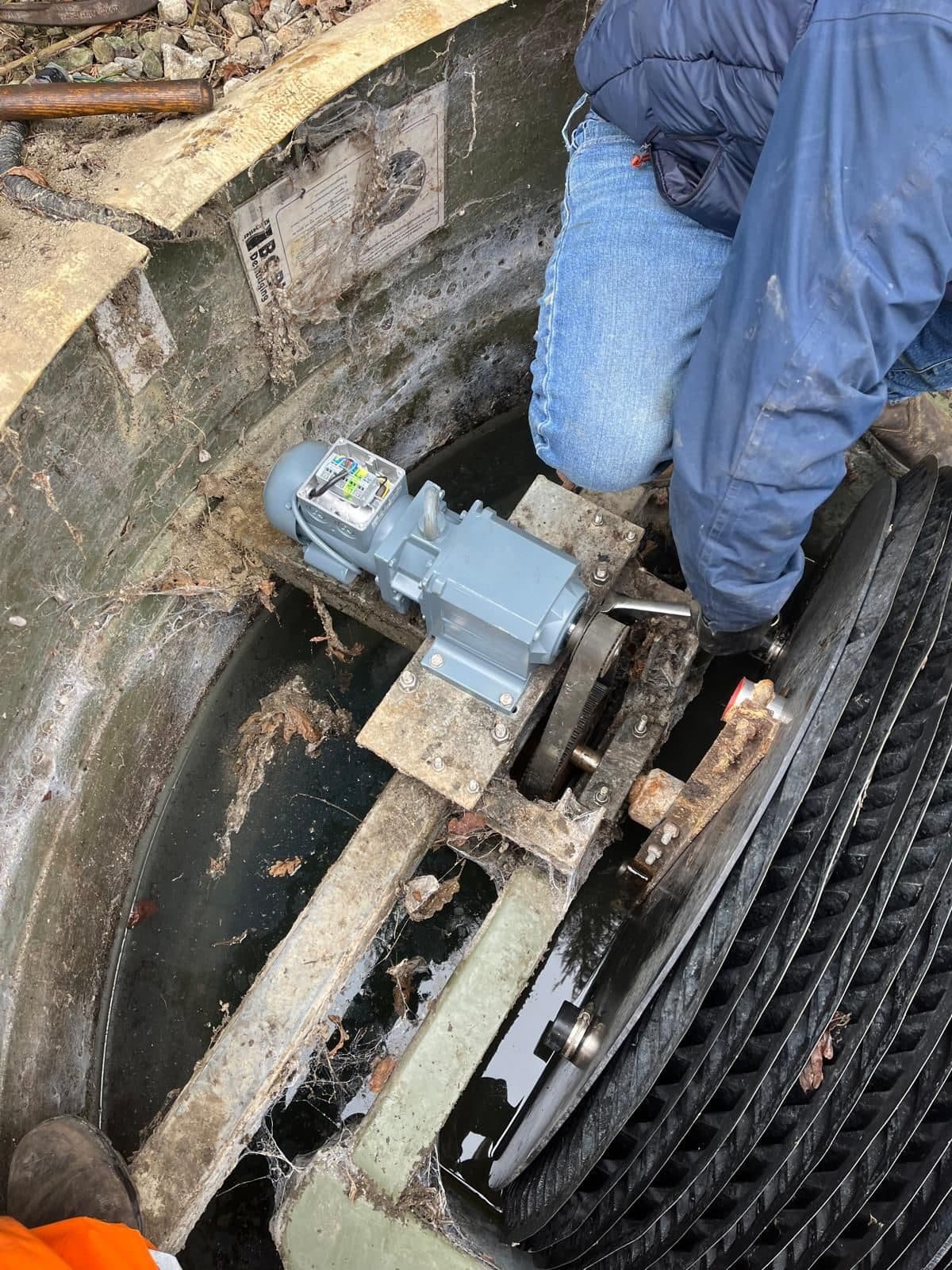
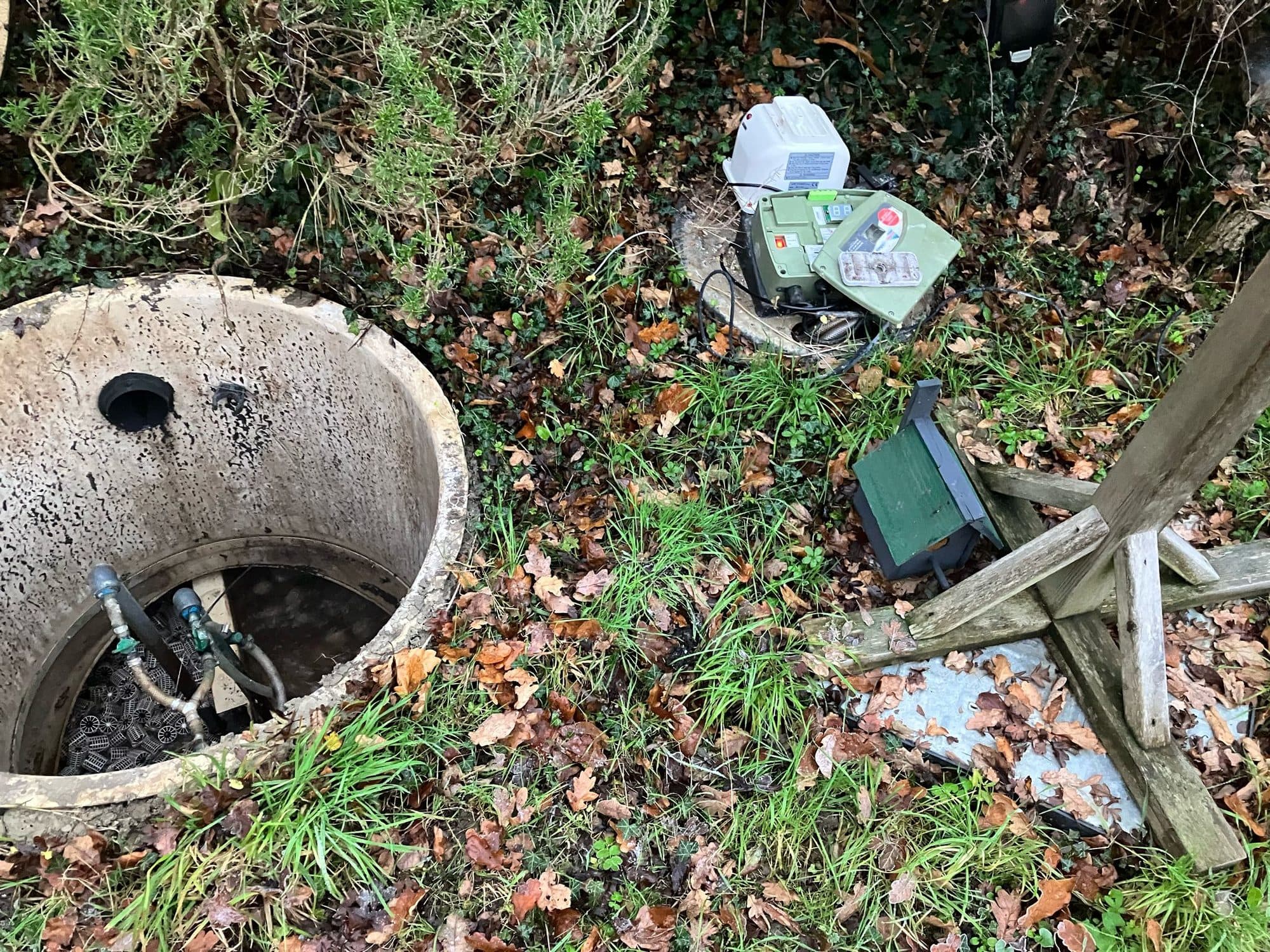
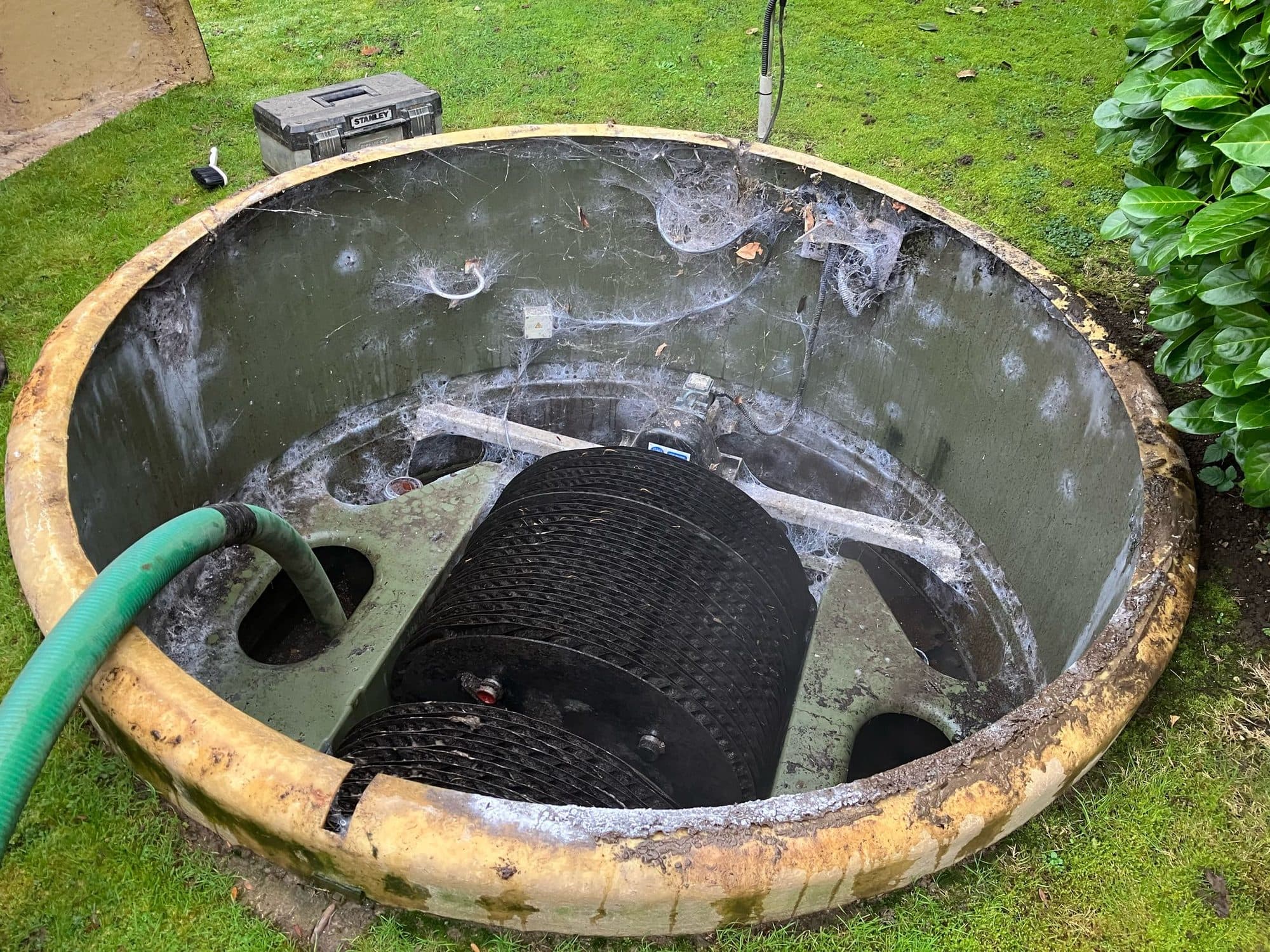
Sewage treatment plants rely on mechanical components such as blowers and pumps. If these parts fail or are not serviced regularly, treatment performance drops and waste may not move through the system correctly. This can lead to build up in pipes and tanks, eventually causing blockages. Routine inspections and Treatment Plant Servicing and Repairs reduce the risk of these issues developing.
Poor Installation or Outdated Systems
Older drainage systems or poorly installed pipework are more prone to blockages. Incorrect gradients, damaged pipes, or undersized tanks can all restrict flow. In some cases, repeated blockages indicate that a system is no longer suitable for the property. Upgrading through modern New Tank Installations can resolve ongoing problems and improve reliability.
Warning Signs of a Developing Blockage
Blocked drains and tanks rarely happen without warning. Early signs include slow draining sinks or toilets, gurgling noises in pipework, and unpleasant smells around drains or tank covers. Outside, damp ground or unusually green grass may indicate restricted flow or rising waste levels. Acting at the first sign of trouble helps prevent more serious disruption.
Environmental and Legal Implications
Blocked drains and tanks can lead to overflows or leaks that harm the environment. Homeowners are responsible for ensuring their systems do not cause pollution. The Environment Agency expects private wastewater systems to be maintained properly. Septic tanks and treatment plants must also comply with the General Binding Rules, which exist to protect land and watercourses from contamination.
Preventing Blocked Drains and Tanks
Many blockages are avoidable with good management. Only flush appropriate waste, avoid pouring fats and oils down drains, and keep to regular emptying and servicing schedules. Fixing leaks promptly and spreading water use throughout the day also helps reduce strain on the system. Routine inspections allow early issues to be identified before they become emergencies.
Choosing a Trusted Provider
Clearing and preventing blockages requires experience and correct equipment. We always advise homeowners to check reviews on trusted platforms such as Checkatrade before choosing a provider, as proper handling of wastewater systems is essential for safety and compliance.
Conclusion
Blocked drains and tanks are usually caused by a combination of unsuitable waste, missed maintenance, and system wear. Understanding these causes makes it easier to prevent problems and protect your property. At KP Cesspool Services, we help homeowners identify the cause of blockages and keep their systems running smoothly through regular maintenance and clear advice. If you are experiencing drainage issues or want guidance on prevention, contact us and we will be happy to help.