Are cesspools still legal in the UK? Learn the rules, responsibilities and when replacement may be required.
At KP Cesspool Services, we are often asked whether cesspools are still legal and whether homeowners are required to replace them. Cesspools are one of the oldest forms of private wastewater systems, and although regulations around drainage have tightened over time, cesspools have not been banned outright. However, they are subject to strict expectations, and understanding your responsibilities is essential to staying compliant.
The Short Answer
Yes, cesspools are still legal in the UK. There is currently no law that bans the use of a cesspool. That said, they are closely regulated and generally seen as a last resort option. Because cesspools store all wastewater without any form of treatment or discharge, they must be managed very carefully to prevent pollution or health risks.
Why Cesspools Are Closely Regulated
Cesspools do not treat wastewater in any way. Everything that enters the system remains in the tank until it is removed. This means that if a cesspool is not emptied often enough, it can overflow or leak, causing environmental damage. For this reason, cesspools are monitored closely by regulators and must always be watertight and maintained properly.
The Environment Agency expects cesspools to be used only where no other drainage solution is reasonably possible. They must be sized correctly and emptied frequently enough to prevent any risk of pollution.
How Cesspools Differ From Septic Tanks and Treatment Plants
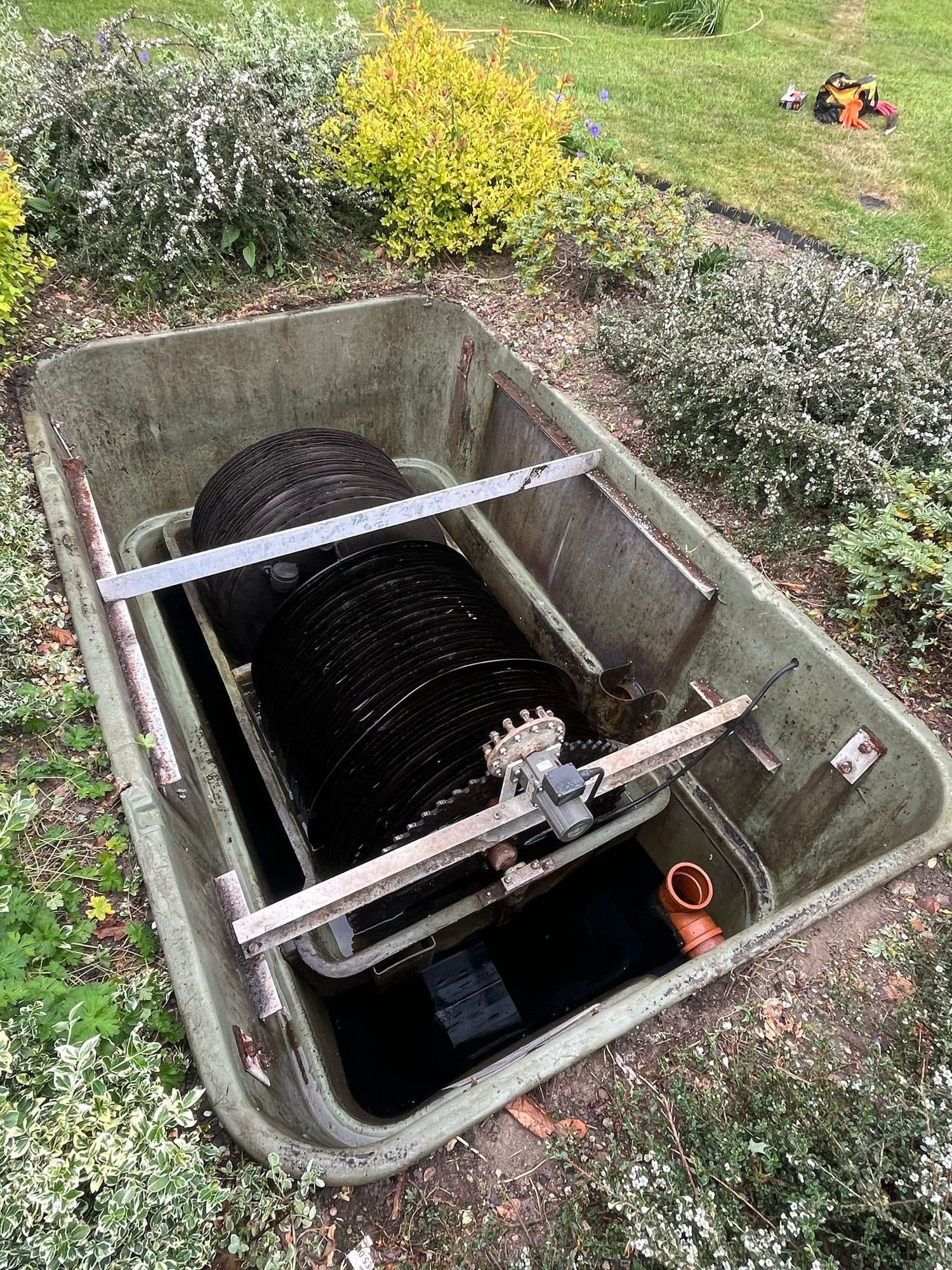
Unlike septic tanks and sewage treatment plants, cesspools do not discharge wastewater, which is why the law treats a cesspool quite differently from a septic tank. Septic tanks provide basic treatment before liquid flows into the ground, while treatment plants clean wastewater to a much higher standard before discharge. Because cesspools rely entirely on storage, they carry a higher risk if not managed correctly, which is why they are generally discouraged for new installations unless there is no alternative.
Emptying and Maintenance Requirements
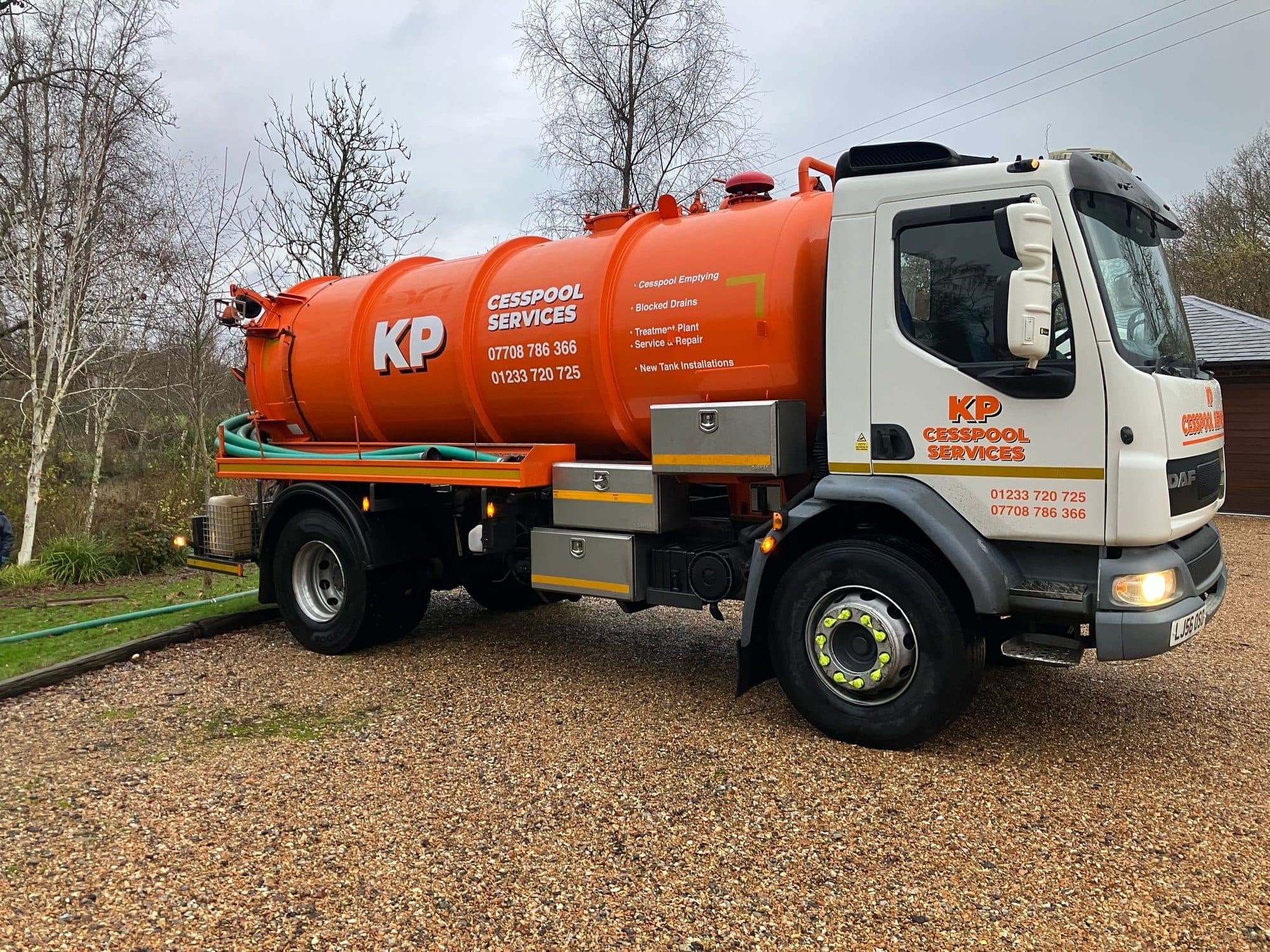
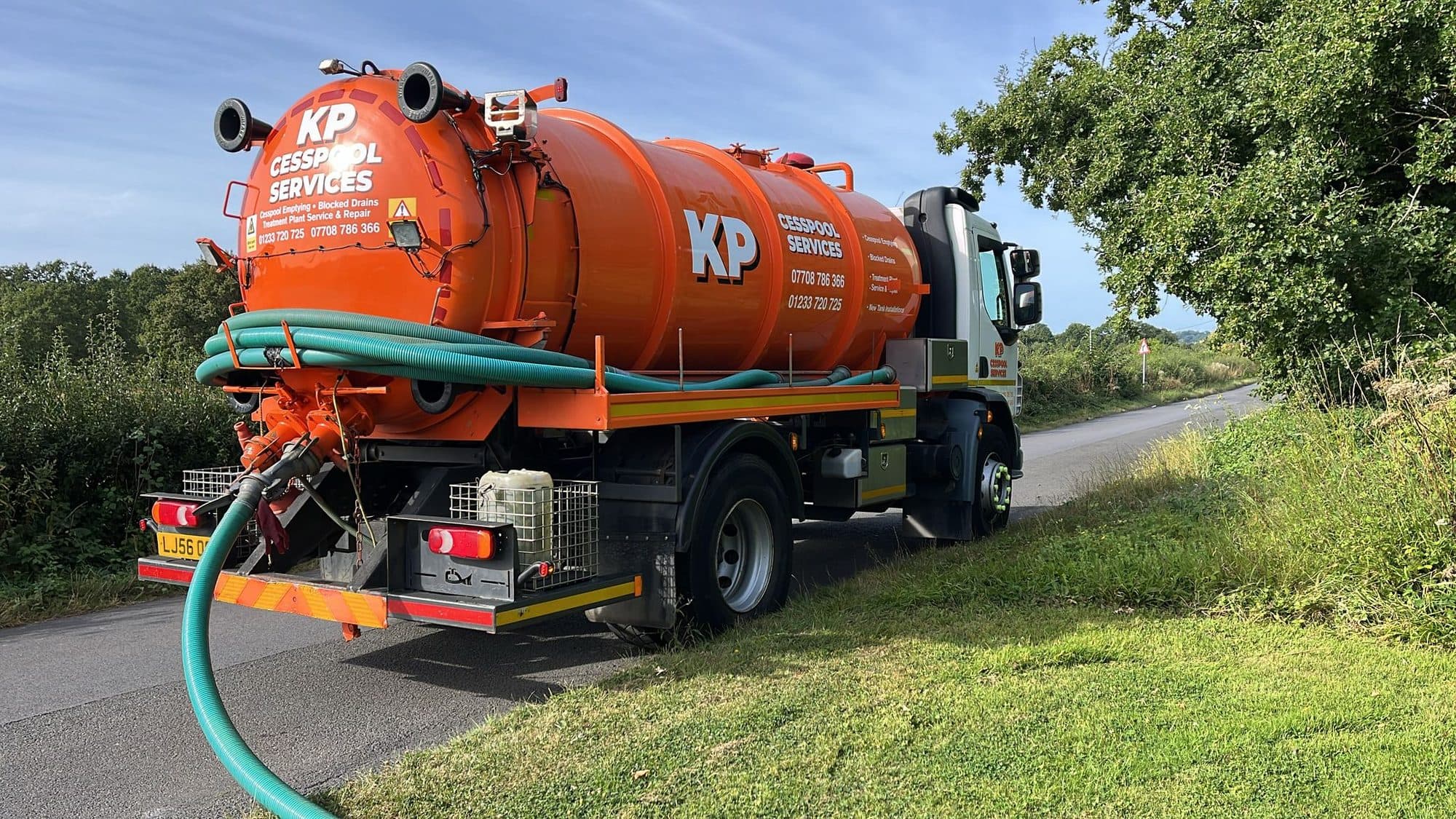
For a cesspool to remain legal, it must be emptied regularly by a registered waste carrier. Missing emptying schedules or allowing the tank to become overfull can lead to enforcement action. Regular Cesspool Emptying is not optional. It is a legal responsibility of the homeowner.
Records of emptying visits should be kept, as they demonstrate that the system is being managed responsibly. This is particularly important if there are complaints, inspections, or questions raised during property sales.
What the Law Actually Asks of a Cesspool
The General Binding Rules cover septic tanks and treatment plants that release treated effluent into a drainage field, so they do not apply to a sealed cesspool, which discharges nothing at all. What the law does ask of a cesspool owner is that the tank is kept sealed, watertight and in good condition, that it is never allowed to overflow, and that the waste is removed by a registered waste carrier and taken to a permitted disposal site. You are entitled to ask any carrier to show you their waste carrier certificate, and you should keep the waste transfer note from every visit. The Environment Agency or your local council can require a cesspool in poor condition to be repaired or replaced, and causing pollution is an offence whatever type of system a property has.
Are You Forced to Replace a Cesspool
Homeowners are not automatically required to replace a cesspool simply because it exists. However, if a cesspool is leaking, overflowing, or causing pollution, action will be required. In some situations, particularly during property sales or redevelopment, local authorities or buyers may request evidence that no alternative system is feasible.
If a cesspool becomes too expensive to run due to frequent emptying or if it repeatedly causes issues, upgrading to a different system may be the most practical solution. This is usually a financial and practical decision rather than a legal one, unless the system is failing.
Installing New Cesspools
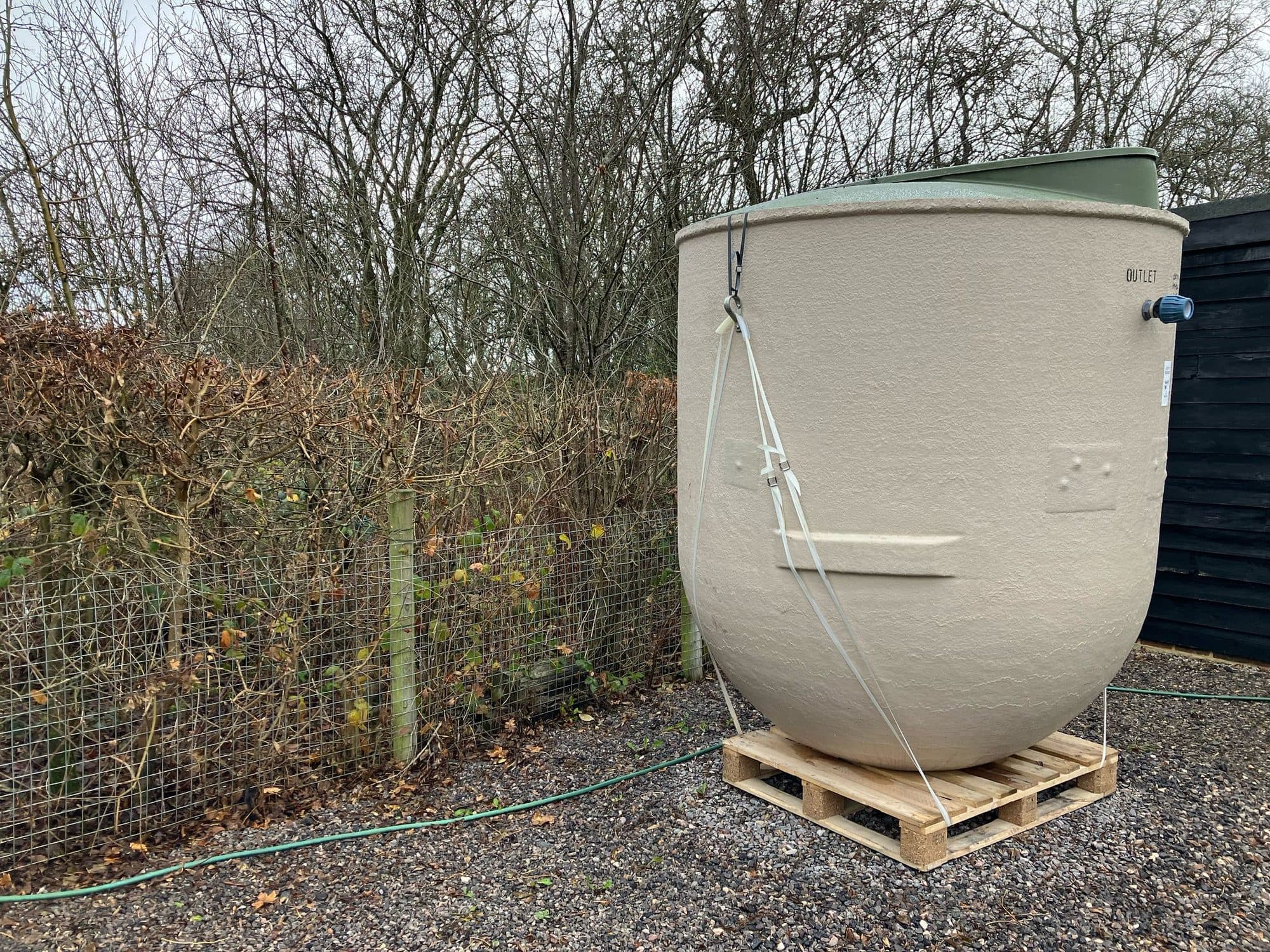
New cesspool installations are not banned, but they are rarely approved unless there is clear justification. Planning authorities and environmental bodies generally expect other options to be considered first. Where a cesspool is the only viable option, it must be installed to modern standards, sized correctly, and accessed easily for emptying.
Choosing a Responsible Service Provider
Because cesspools carry higher risk than other systems, professional handling is essential. We always recommend checking reviews on trusted platforms such as Checkatrade before choosing a provider, as waste must be removed and disposed of correctly to remain compliant.
Conclusion
Cesspools are still legal, but they come with strict responsibilities. They must be watertight, emptied frequently, and managed carefully to prevent pollution. At KP Cesspool Services, we help homeowners understand their obligations and keep their systems compliant through regular emptying and honest advice. If you are unsure whether your cesspool meets current expectations or want guidance on your options, contact us and we will be happy to help.