
What tank emptying costs in Kent, the things that move the price, and how tank type, access and how often you book all change the figure.
At KP Cesspool Services, the first thing most people in Kent ask about tank emptying is what it will cost. It is a fair question and an awkward one, because the figure moves with the type of tank, its size, how much is actually in it, and whether a tanker can get near it. This guide explains what sits behind the price so you can work out roughly where your own property lands. Our septic tank emptying service covers Kent and East Sussex, as a one off visit or a regular slot in the diary.
The Different Types of Tanks We Empty
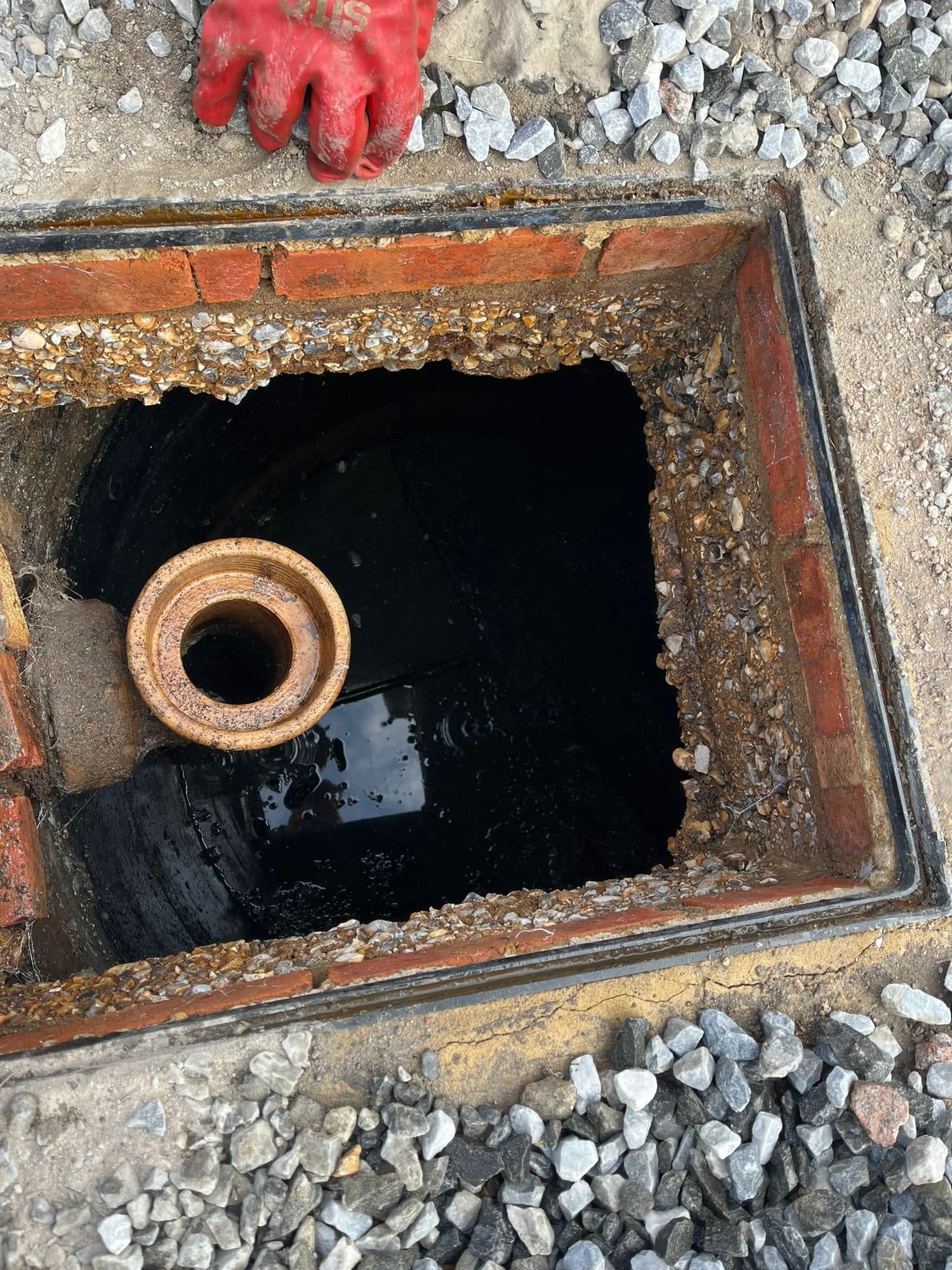
Across the Kent properties we look after, owners have different types of wastewater tank. A cesspit is a sealed tank that stores all wastewater and requires frequent emptying. A septic tank separates solids and liquids, but still builds up sludge that must be removed regularly. A sewage treatment plant treats wastewater to a higher standard, yet still produces sludge that needs periodic removal. For properties with cesspits, regular Cesspool Emptying is essential, as there is no discharge or treatment taking place inside the tank.
Why Regular Tank Emptying Is Important
All wastewater tanks gradually fill with sludge and solid waste. If this material is not removed, the system can become overloaded. This often leads to slow drainage, unpleasant smells, and in severe cases, wastewater backing up into the property or overflowing into surrounding land. Regular emptying keeps the system operating correctly and reduces strain on the tank structure. It also supports compliance with environmental expectations monitored by the Environment Agency.
How Often Tanks in Kent Should Be Emptied
The frequency of tank emptying depends on the type of system, tank size, and household water usage. Cesspits often need emptying every four to six weeks due to the way they store all wastewater. Septic tanks usually require desludging once a year, while treatment plants often follow a similar annual schedule depending on usage. During our visits, we assess sludge levels and advise on a suitable routine to keep your system working smoothly.
What Happens During a Tank Emptying
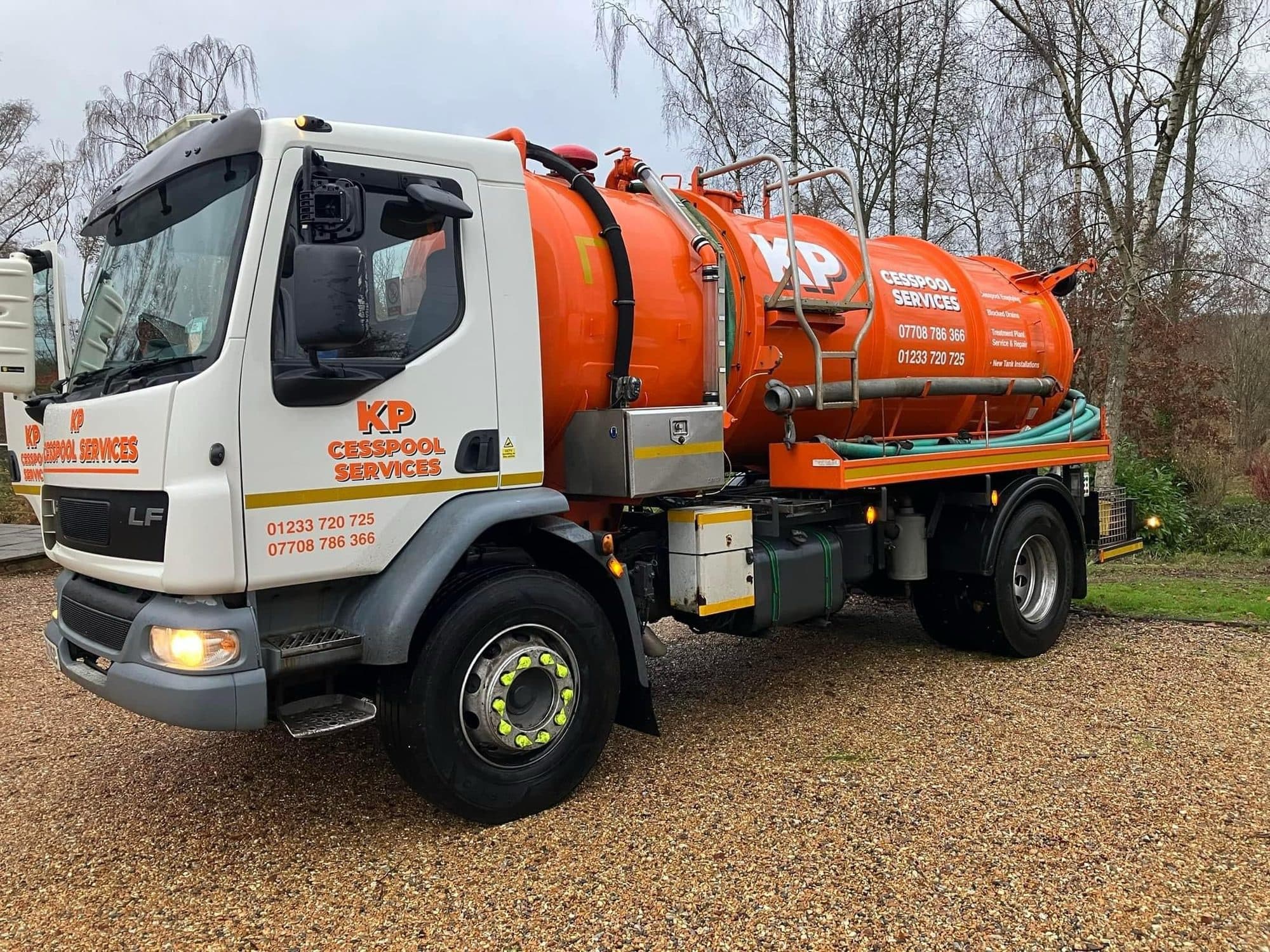
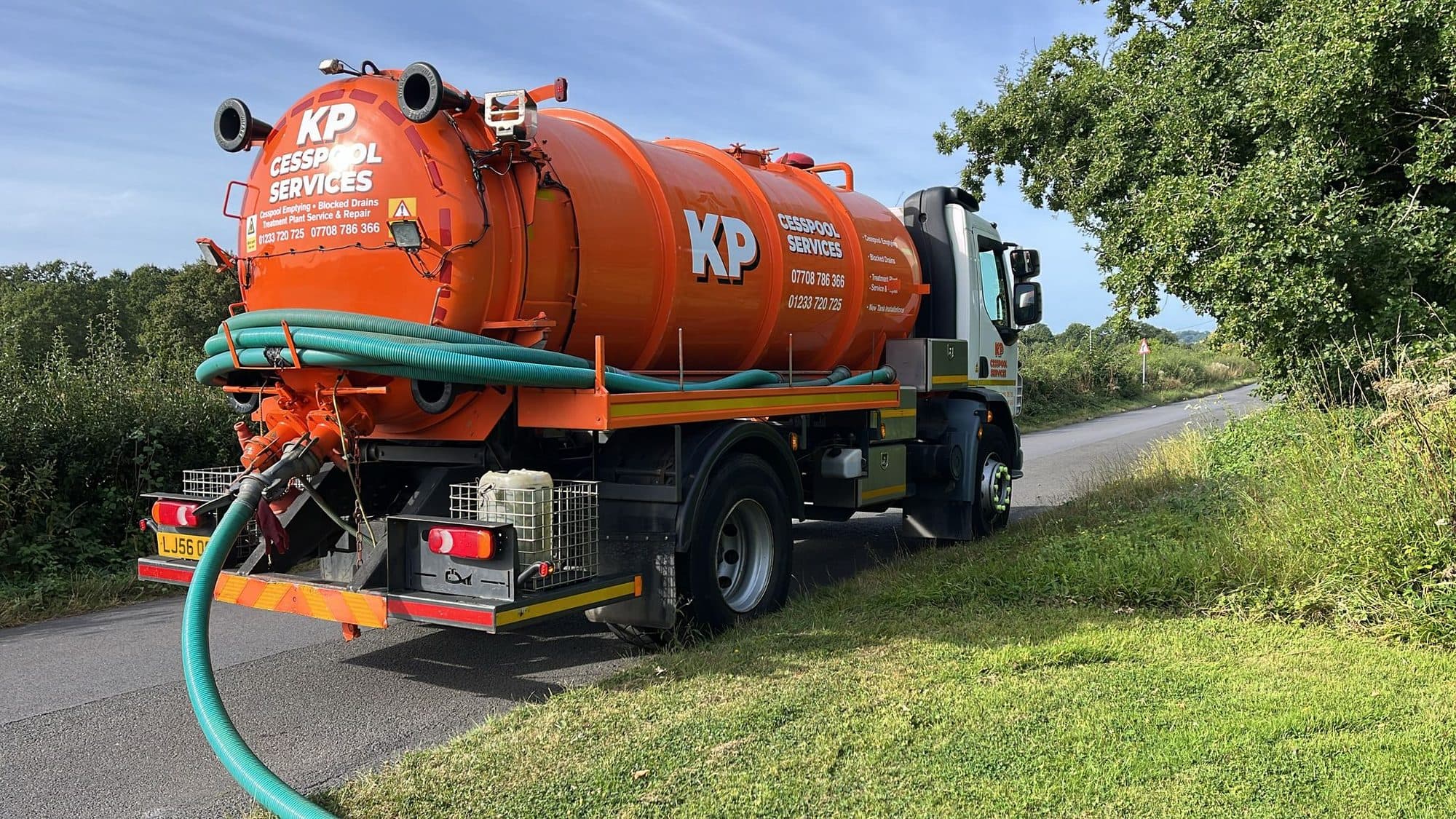
When we empty a tank, we use a vacuum tanker to remove all liquid and solid waste safely. The waste is then transported to a permitted disposal site. While on site, we also inspect the tank structure, access covers, and surrounding area. This allows us to identify early signs of wear or potential problems. If we notice issues with flow or build up, we may also check for Blocked Drains and Tanks, which can often develop alongside rising waste levels.
Signs Your Tank Needs Emptying
There are several warning signs that your tank in Kent may be close to capacity. These include slow draining sinks or toilets, gurgling noises from pipework, and strong smells near the tank area. Outside, damp ground or unusually green grass above the tank may indicate rising waste levels. If any of these signs appear, prompt emptying is essential to prevent damage or contamination.
Legal and Environmental Responsibilities
Homeowners are responsible for maintaining their wastewater systems correctly. Septic tanks and treatment plants must operate in line with the General Binding Rules, which are designed to protect land and watercourses from pollution. Cesspits must remain sealed and be emptied often enough to prevent overflow. Keeping records of emptying and servicing helps demonstrate responsible system management. We also recommend checking reviews on trusted platforms such as Checkatrade when choosing a tank emptying provider.
Preventative Maintenance Between Visits
Good habits help reduce pressure on wastewater tanks. Avoid flushing wipes, fats, oils, or chemicals, as these increase sludge build up. Fix leaking taps quickly to stop unnecessary water entering the system. Spreading water use throughout the day also helps tanks cope more easily. Regular inspections allow early issues to be addressed before they turn into costly problems.
When Repairs or Replacement Are Needed
Sometimes tank emptying highlights deeper issues. Cracks, leaks, or repeated blockages may indicate that a tank is reaching the end of its lifespan. In these cases, we explain whether repair is possible or whether replacement would be more reliable. For properties upgrading outdated systems, we can advise on New Tank Installations that meet modern standards. If the system is a treatment plant with mechanical faults, we may also recommend Treatment Plant Servicing and Repairs to restore performance.
Cost of Tank Emptying in Kent
The cost of tank emptying in Kent varies depending on tank type, size, waste volume, and site access. Cesspits often cost more to maintain due to frequent emptying, while septic tanks and treatment plants usually require less frequent visits. Setting up a regular emptying schedule often offers better value and reduces the risk of emergency callouts.
Conclusion
Reliable tank emptying in Kent is essential for keeping private wastewater systems safe, compliant, and efficient. At KP Cesspool Services, we provide professional emptying, inspections, and guidance to help homeowners avoid overflows and system failures. With routine maintenance, early attention to warning signs, and responsible wastewater management, your tank can continue to operate smoothly throughout the year.