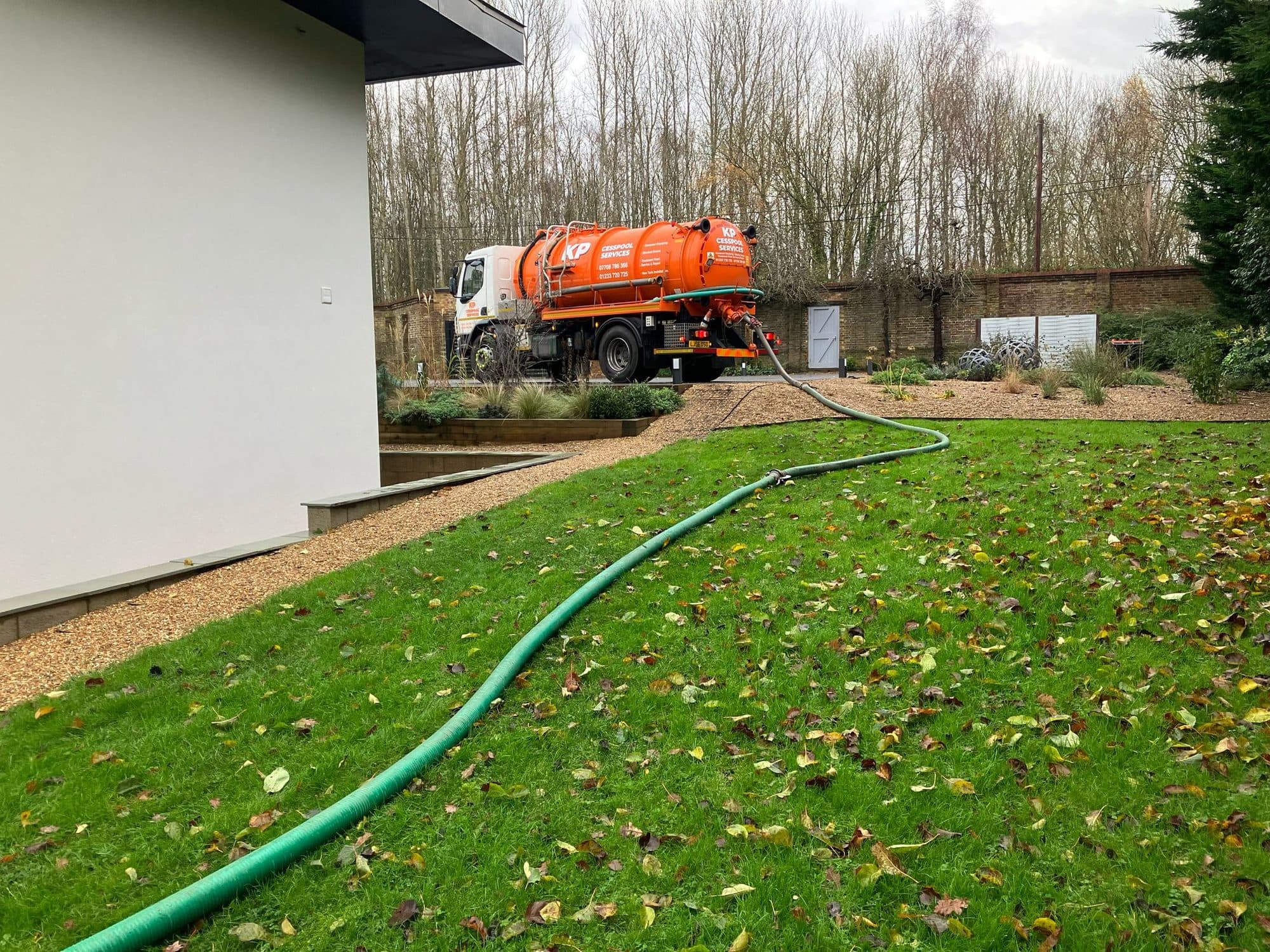
Learn how to maintain a cesspool safely with regular emptying, early warning signs, and simple steps to avoid overflows and damage.
At KP Cesspool Services, we often speak to homeowners who want to understand how to look after their cesspool properly. Cesspools are simple systems, but because they store all wastewater without any treatment or discharge, they need careful management to remain safe, compliant, and reliable. Knowing how to maintain a cesspool safely helps prevent overflows, reduces environmental risk, and avoids unexpected repair costs.
Understand How Your Cesspool Works
A cesspool is a sealed underground tank that collects all wastewater from a property. Every time water is used in the home, it flows straight into the tank and stays there until it is removed. There is no treatment process and no outlet pipe. Because of this, cesspools fill quickly and rely entirely on regular Cesspool Emptying to remain safe. Understanding this basic function is the first step in maintaining the system properly.
Keep to a Regular Emptying Schedule
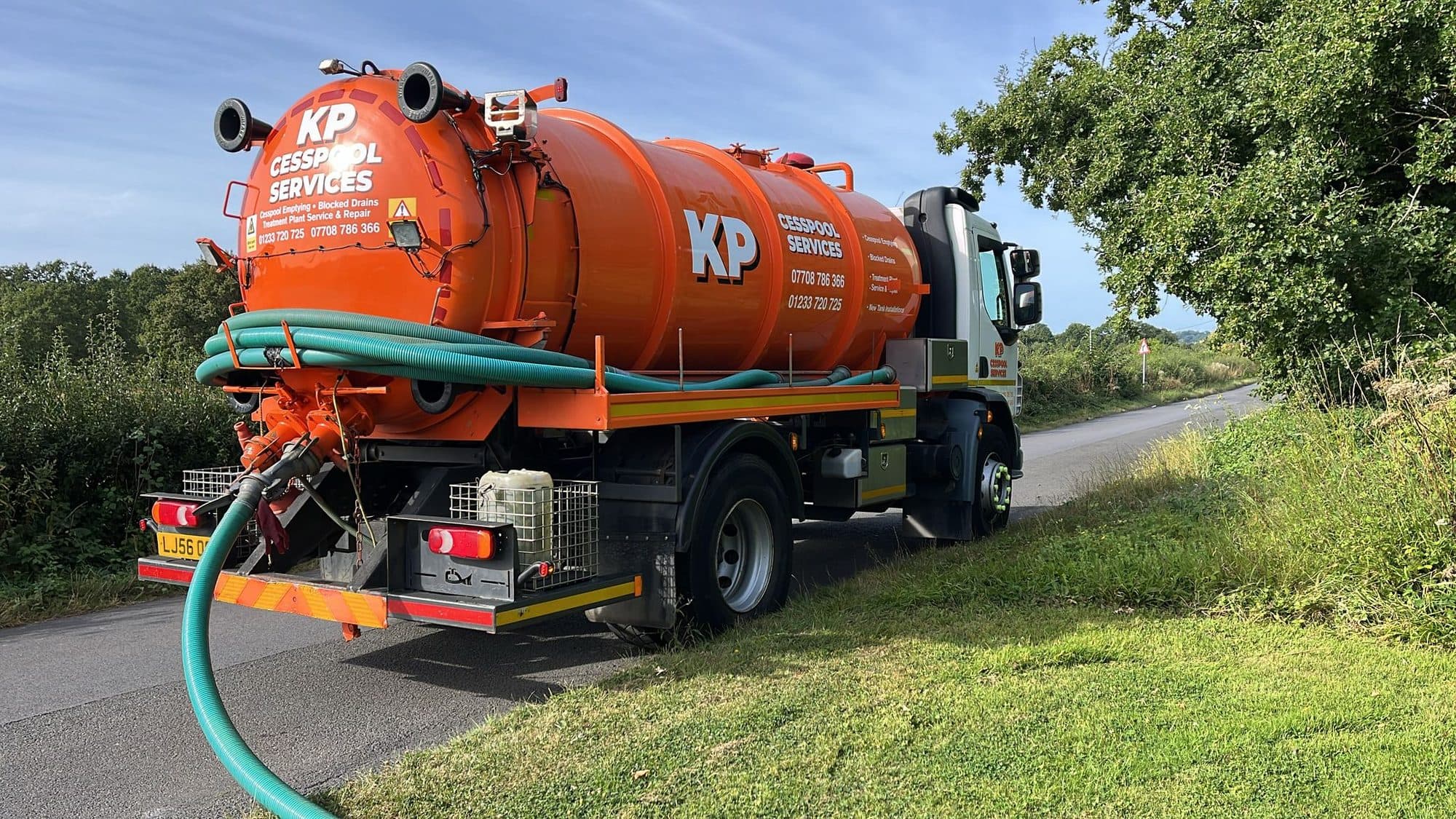
One of the most important parts of safe cesspool maintenance is emptying the tank often enough. Most cesspools need emptying every four to six weeks, although this varies depending on tank size, household water use, and the number of occupants. Setting up a routine schedule helps prevent overfilling and reduces the risk of sudden system failure. Waiting until warning signs appear can lead to emergency callouts and higher costs.
Monitor Early Warning Signs
Keeping an eye on early warning signs helps you act before problems escalate. Slow draining sinks or toilets often indicate rising waste levels. Gurgling noises in pipework suggest restricted flow. Unpleasant smells around the tank area can signal that the cesspool is close to capacity. Damp ground or unusually green grass above the tank should also be investigated promptly, as this may indicate rising levels or structural stress.
Control What Goes Into the System
What enters your cesspool has a direct impact on how well it operates. Avoid flushing wipes, sanitary products, or other non biodegradable items, as these increase sludge build up. Cooking fats and oils should never go down the sink, as they solidify and reduce available capacity. Harsh chemicals can create unnecessary strain on the system. By controlling what goes into the cesspool, you slow how quickly it fills and reduce the risk of blockages.
Reduce Unnecessary Water Use
Reducing water use helps maintain a cesspool safely. Fix leaking taps or toilets as soon as possible, as even small leaks can significantly increase the rate at which the tank fills. Spreading water use throughout the day also prevents sudden surges that can strain the system. Simple changes in daily habits can make a noticeable difference to how often emptying is required.
Check the Condition of the Tank Area
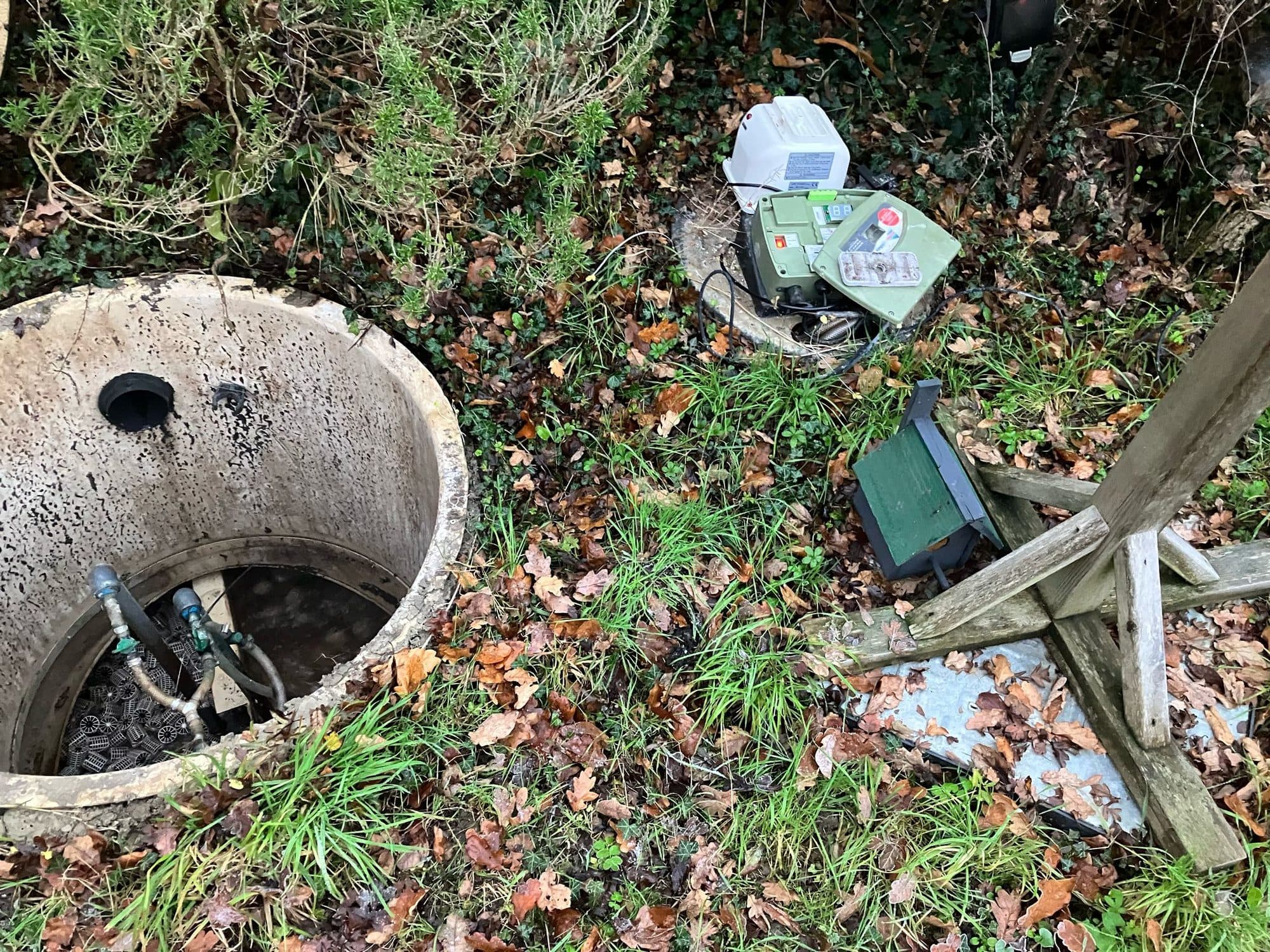
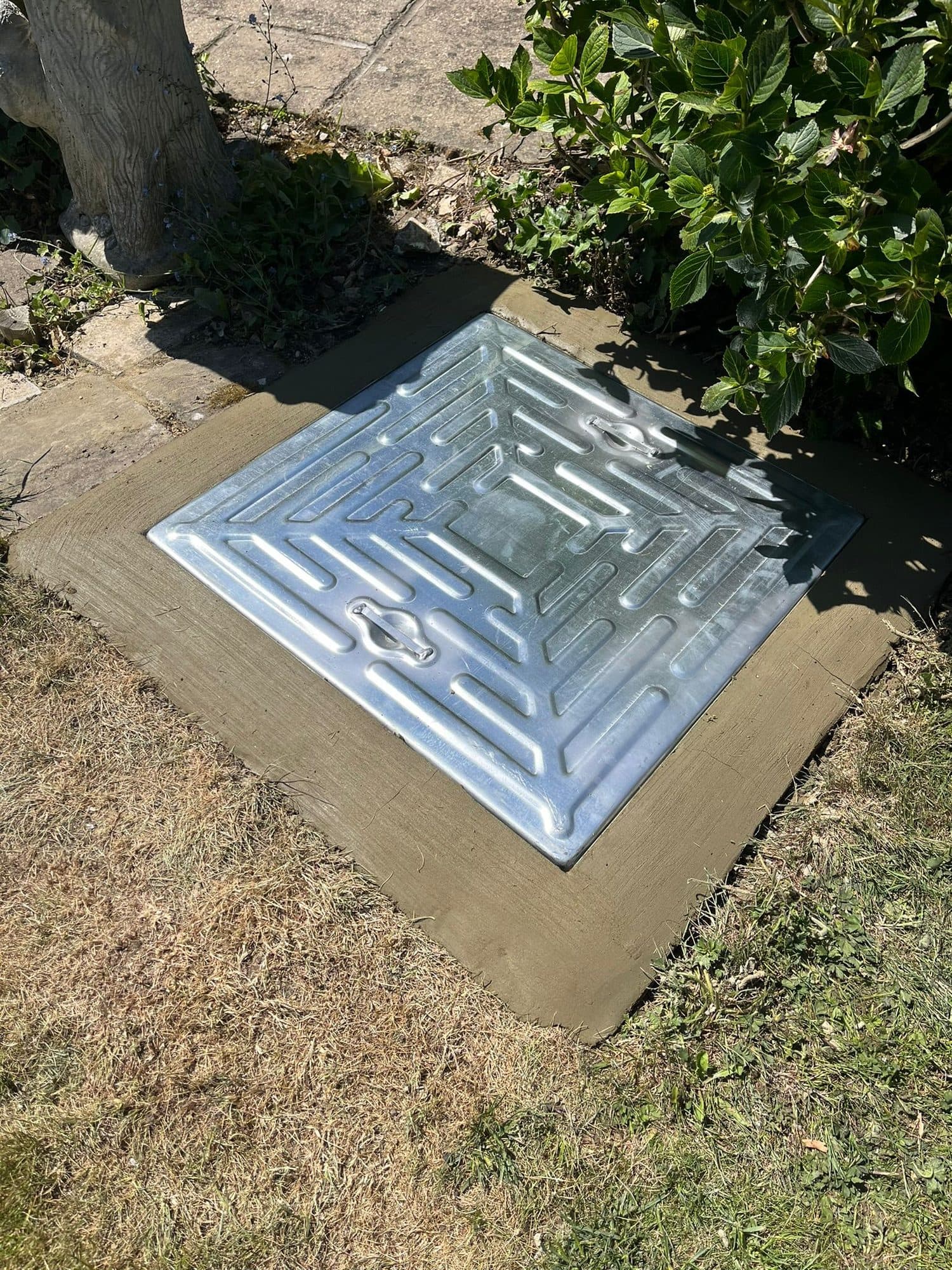
Regular visual checks around the cesspool area help spot potential problems early. Look for changes in ground condition, damage to covers, or signs of movement around the tank. Keeping the access cover secure and visible makes future emptying safer and easier. If you notice changes that concern you, arranging an inspection can prevent more serious issues.
Address Drainage Issues Quickly
If you experience sudden drainage problems, it is important to investigate promptly. Blocked or restricted pipework can worsen cesspool issues by preventing wastewater from reaching the tank properly. In some cases, these problems are linked to Blocked Drains and Tanks, which should be resolved quickly to protect the system and the property.
Understand Your Legal Responsibilities
Homeowners are responsible for ensuring their cesspool does not overflow or cause pollution. The Environment Agency expects cesspools to remain sealed, watertight, and emptied regularly by registered waste carriers. The General Binding Rules cover septic tanks and treatment plants that discharge to a drainage field, so they do not apply to a sealed cesspool. Your duties are to keep the tank in good condition, never let it overflow, and use a registered waste carrier who takes the waste to a permitted disposal site. Ask to see their waste carrier certificate and keep the waste transfer note from each visit.
When Repairs or Replacement Are Necessary
Over time, cesspools can deteriorate due to age, corrosion, or ground movement. Cracks, leaks, or repeated overflows may indicate that the tank is no longer safe to use. In these situations, we assess whether repairs are possible or whether replacement would be the safer long term solution. Upgrading through New Tank Installations can improve reliability and compliance with current standards.
Choose a Trusted Service Provider
Safe cesspool maintenance depends on professional support. We encourage homeowners to check reviews on trusted platforms such as Checkatrade before choosing a provider, as correct waste handling and inspections are essential for safety and peace of mind.
Conclusion
Maintaining a cesspool safely requires regular emptying, careful monitoring, and responsible daily habits. By understanding how the system works, controlling what enters it, and acting quickly when warning signs appear, many common problems can be avoided. At KP Cesspool Services, we support homeowners with professional emptying, inspections, and clear advice to help keep cesspools safe, compliant, and reliable throughout the year. Contact us today to ensure your Cesspool is always in it's best condition.