The difference between a cesspool and a septic tank, how each one works, what they cost to run and the legal duties that apply to only one of them.
At KP Cesspool Services, we are often asked "cesspools vs septic tanks". Both systems are used in properties that are not connected to the mains sewer, but they work in very different ways and have very different maintenance requirements. Understanding the difference helps homeowners choose the right system, manage it correctly, and avoid unexpected costs or compliance issues. We explain how cesspools and septic tanks work, their key differences, and which option may be more suitable for your property.
What a Cesspool Is
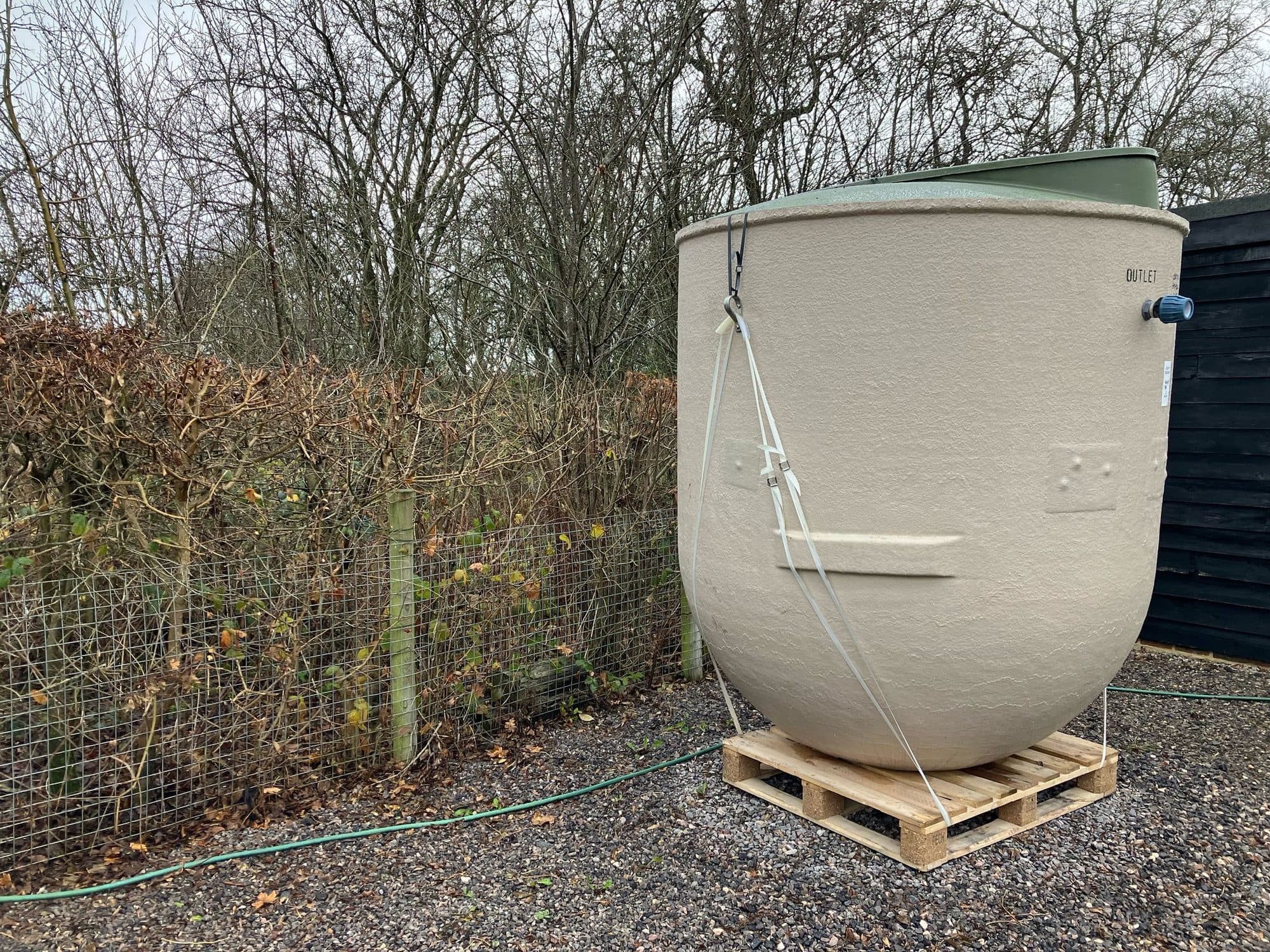
A cesspool is a sealed underground tank that stores all wastewater from a property. Every time water is used in the home, it flows directly into the tank and stays there until it is professionally removed. There is no treatment process and no discharge outlet. Because of this, cesspools fill up quickly and rely entirely on regular Cesspool Emptying to remain safe. Cesspools are most commonly found in rural locations where ground conditions or space make other systems unsuitable.
What a Septic Tank Is
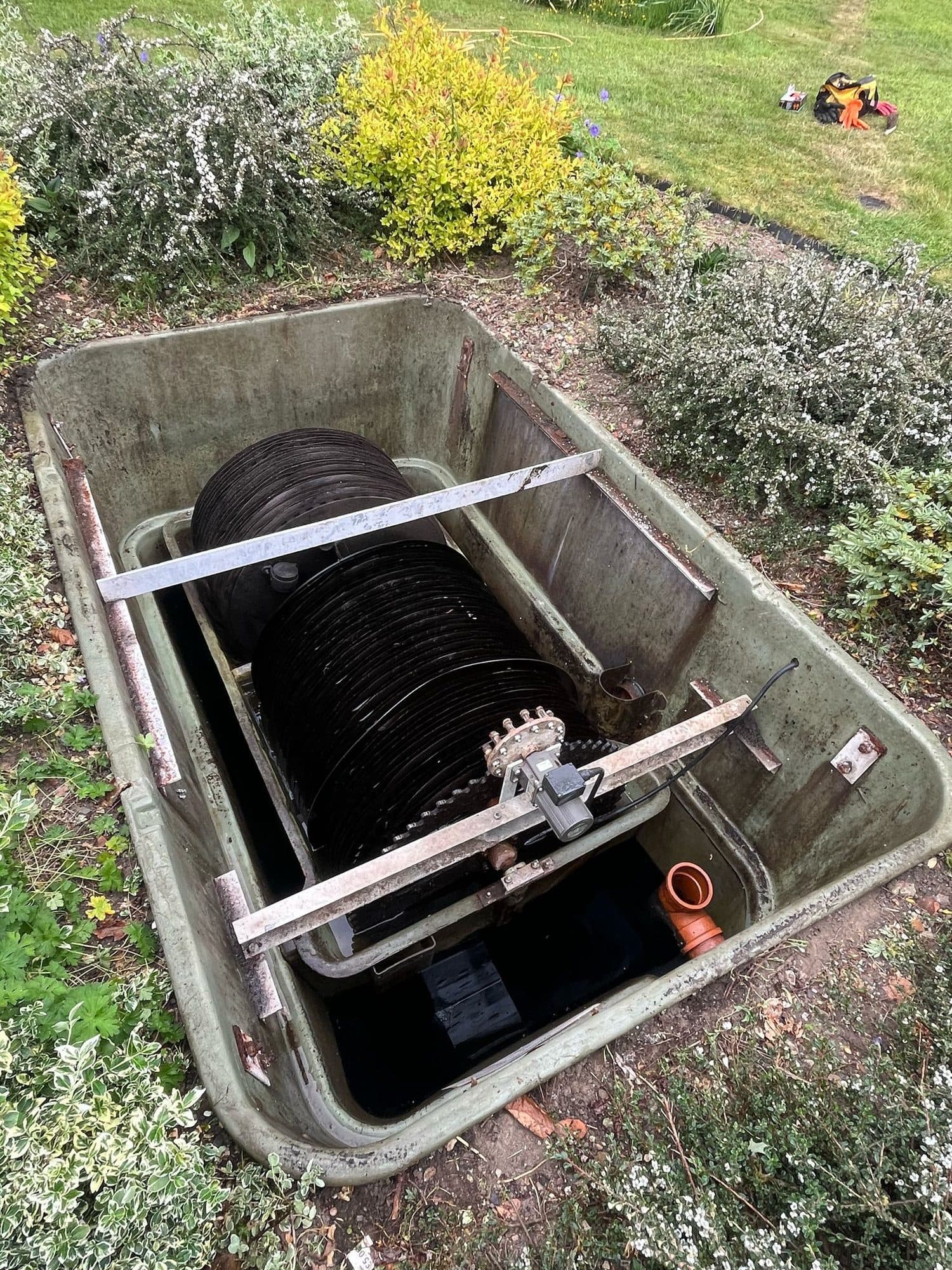
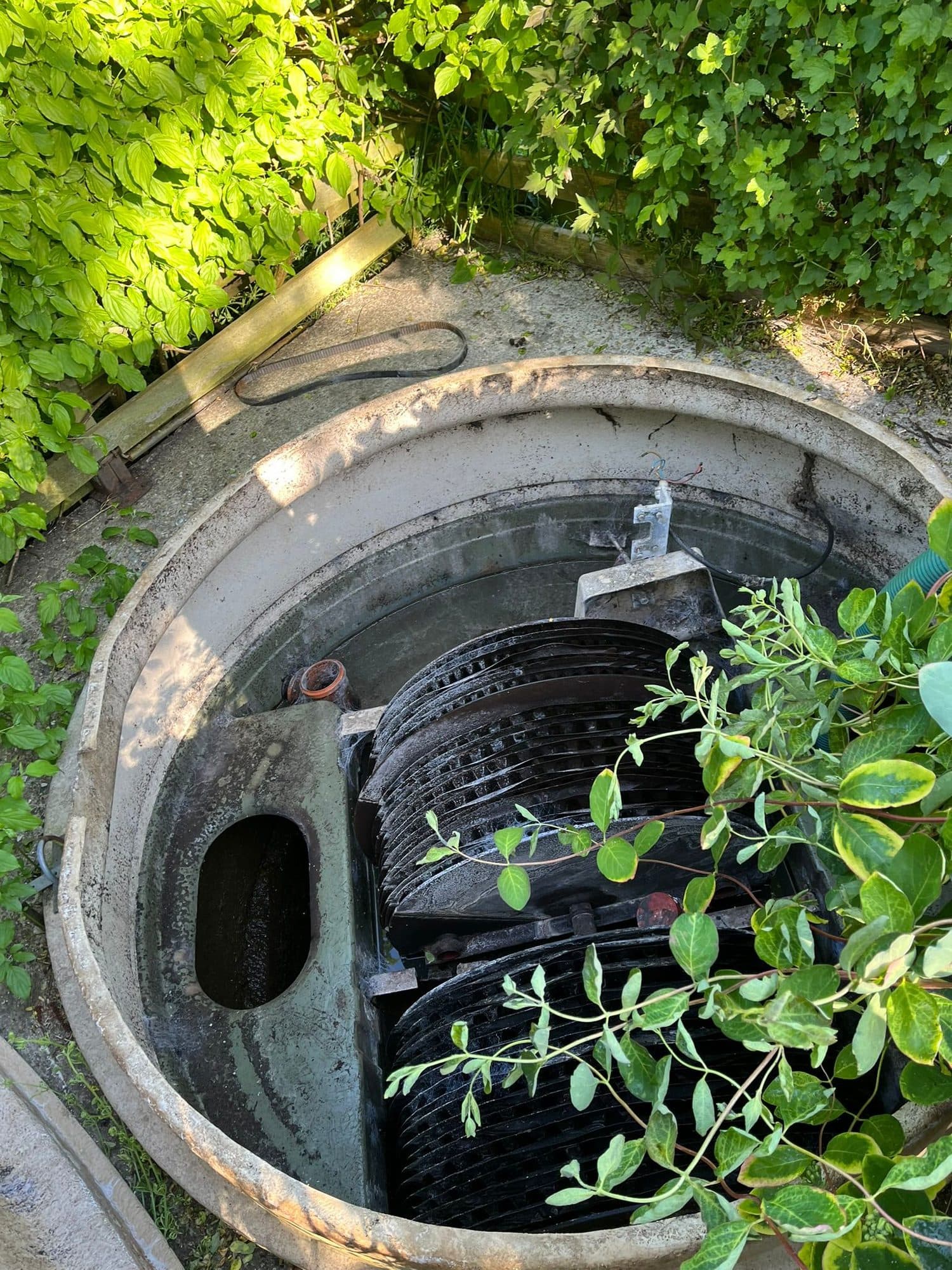
A septic tank is also an underground tank, but it works differently. Wastewater enters the tank and solids settle at the bottom while lighter materials float. Natural bacteria inside the tank begin to break down the waste. The liquid then flows out of the tank into a drainage area for further treatment in the ground. Although septic tanks treat wastewater to a basic level, they still produce sludge that must be removed regularly through desludging. Septic tanks require ongoing maintenance but usually need emptying far less often than cesspools.
Key Differences Between Cesspools and Septic Tanks
The main difference between cesspools and septic tanks is how wastewater is handled. A cesspool stores everything and relies on frequent emptying. A septic tank treats wastewater and allows liquid to discharge, which reduces how quickly it fills. Because cesspools do not discharge, they need emptying every few weeks. Septic tanks typically need desludging once a year depending on usage. Running costs are usually higher for cesspools due to frequent servicing, while septic tanks have lower ongoing costs but stricter rules around discharge and maintenance.
Maintenance Requirements
Cesspools require regular monitoring and frequent emptying to prevent overfilling. Missing an emptying schedule can quickly lead to problems such as smells, slow drainage, or wastewater backing up into the property. Septic tanks require less frequent emptying, but they still need regular checks to ensure sludge levels are controlled and outlet pipes remain clear. If a septic tank is neglected, solids can escape into the drainage system and cause blockages or environmental damage.
Environmental and Legal Considerations
Both systems are regulated to protect the environment. The Environment Agency oversees private wastewater systems and expects them to be managed responsibly. Septic tanks and treatment plants must comply with the General Binding Rules, which control how wastewater is discharged into the ground or watercourses. Cesspools do not discharge, but they must remain sealed and emptied regularly to prevent overflow or leakage. Homeowners are responsible for ensuring their system does not cause pollution.
Costs Over Time
Cesspools are often cheaper to install initially, but they usually cost more to run over time because of frequent emptying. Septic tanks cost more to install but have lower ongoing emptying costs. However, septic tanks may require maintenance to the drainage system or outlet over time. When deciding between the two, it is important to consider both installation costs and long term maintenance expenses rather than just the upfront price.
Common Problems With Each System
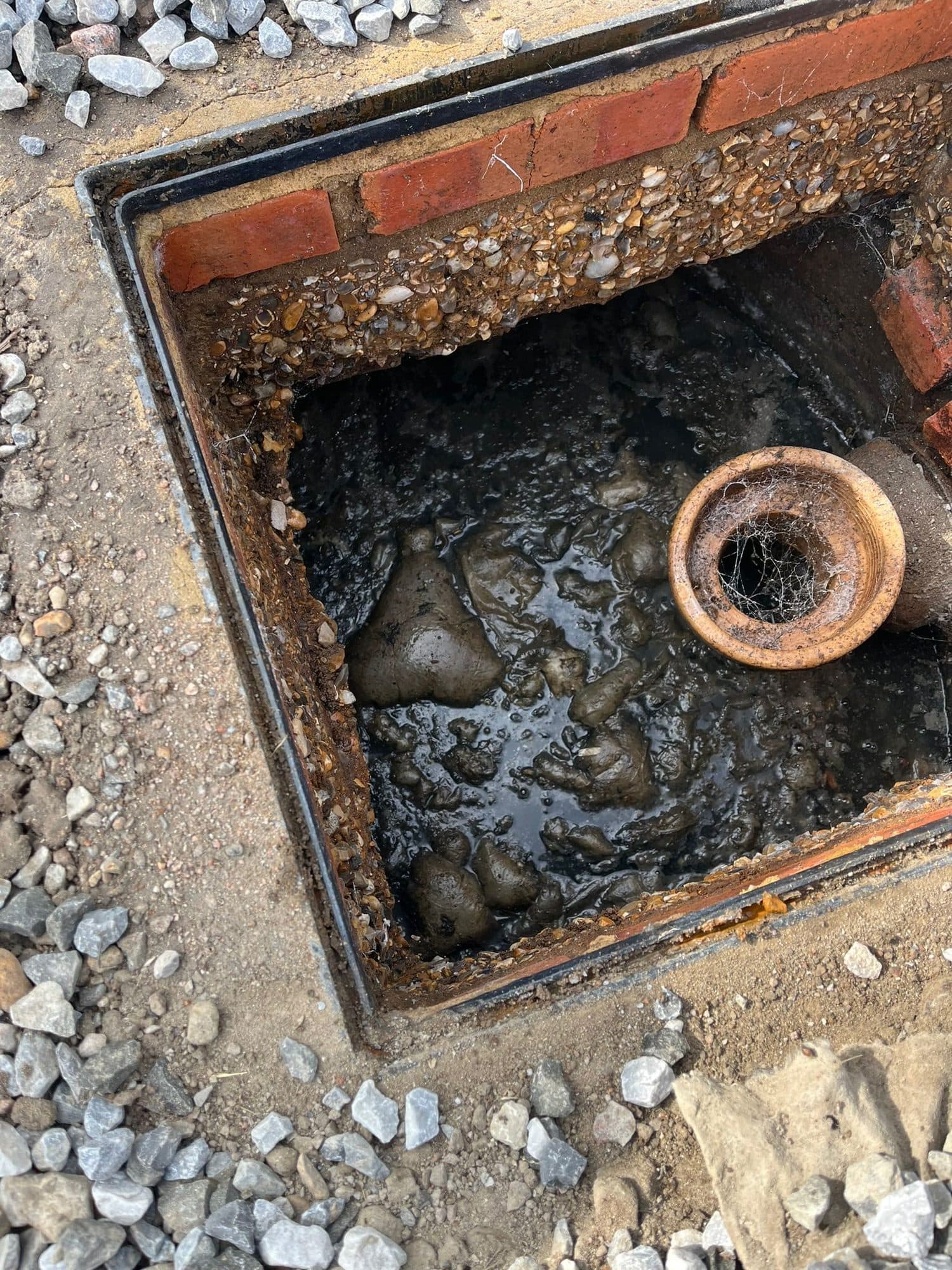
Cesspools commonly run into issues when they become full. This can cause slow drainage, smells, and internal backflow. Septic tanks are more likely to suffer problems if they are not desludged regularly. Rising sludge can block the outlet and cause drainage failures. In both cases, drainage issues may also involve Blocked Drains and Tanks, which need prompt attention to prevent further damage.
When Replacement or Upgrade Is Considered
Some homeowners choose to replace an older cesspool with a septic tank or treatment plant to reduce running costs. Others replace ageing septic tanks that no longer meet modern standards. In these situations, we assess the site and advise on suitable New Tank Installations that meet current requirements. The right choice depends on space, ground conditions, and environmental rules.
Choosing the Right System for Your Property
There is no single correct option for every property. Cesspools may be suitable where discharge is not permitted, while septic tanks are often preferred for lower running costs when conditions allow. We always recommend a proper assessment before making changes, as choosing the wrong system can lead to compliance issues or unnecessary expense.
Choosing a Trusted Provider
Whether you have a cesspool or a septic tank, maintenance and emptying must be carried out by experienced professionals. We encourage homeowners to check reviews on trusted platforms such as Checkatrade before choosing a provider, as correct handling of wastewater is essential.
Conclusion
Cesspools and septic tanks serve the same purpose but operate in very different ways. Cesspools rely on frequent emptying, while septic tanks treat wastewater and require less regular desludging. At KP Cesspool Services, we help homeowners understand their system, manage it correctly, and decide when upgrades or replacements are needed. With the right maintenance and informed choices, either system can be managed safely and responsibly for the long term.