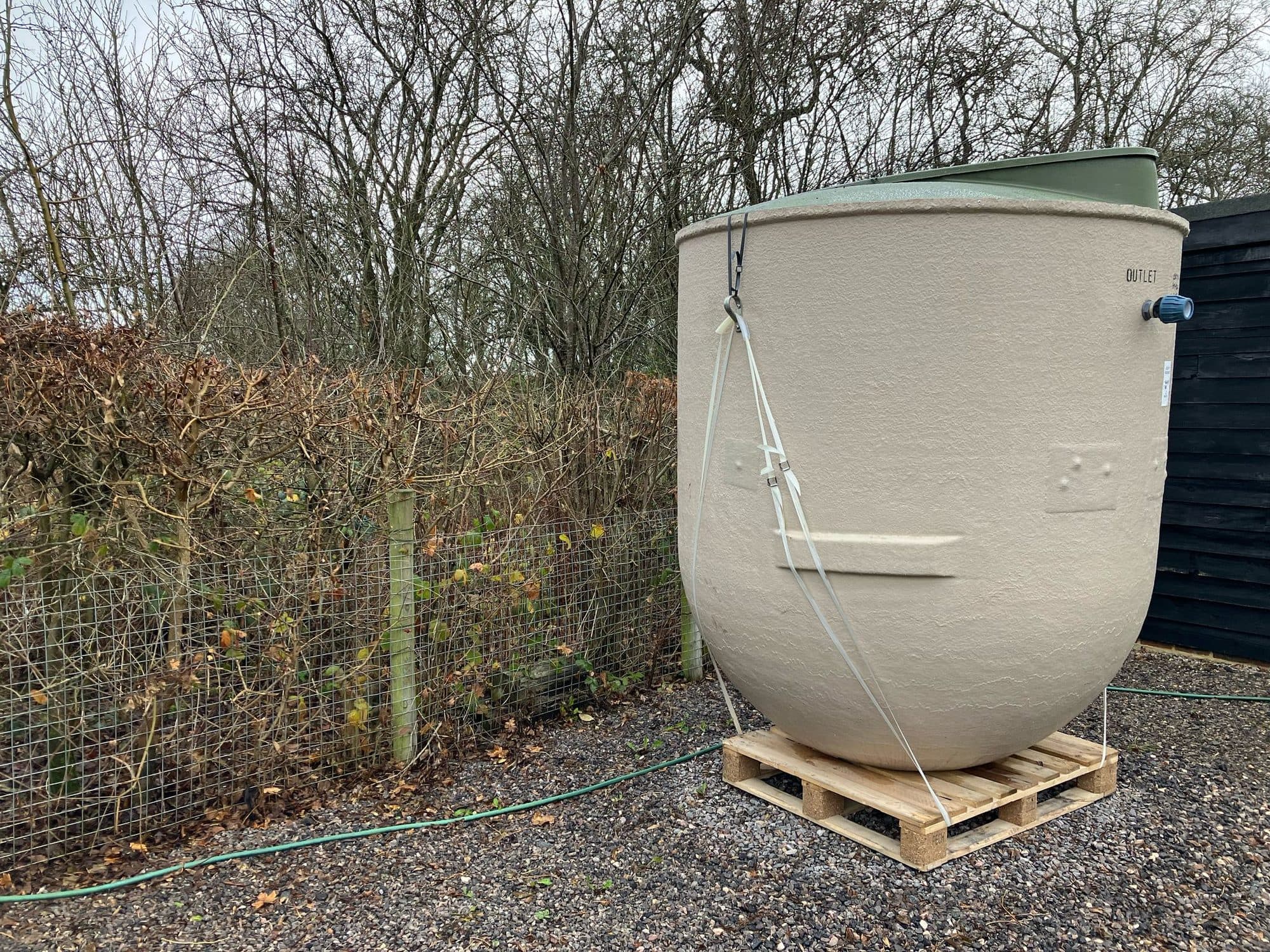
Looking after a treatment plant around Stelling Minnis, from the common and its narrow lanes to the mixed ground of the Downs, and what servicing covers.
In rural areas such as Stelling Minnis, where many properties are not connected to the main sewer network, domestic and commercial sewage treatment plants play an essential role in managing wastewater safely. These systems need routine maintenance and occasional repairs to ensure they operate efficiently and remain compliant with environmental regulations. This guide covers what is particular about plants around the Minnis, how often they need attention, and the signs that yours needs a visit.
Why so many plants around the Minnis
Stelling Minnis grew up around its common, one of the few medieval commons left in Kent, and the houses are scattered along lanes around it and out across the Downs. None of it is anywhere near a sewer, so every property deals with its own waste.
The ground is the reason so many of them run a treatment plant rather than a septic tank. Up on the higher ground of the Downs, a cap of clay with flints sits over the chalk, and how well a garden drains can change from one plot to the next. Where the soil will not take a septic tank's drainage field, a plant that treats the waste properly is the usual answer. If you want the background on how one works, what is a treatment plant explains it, and how a sewage treatment plant works goes stage by stage.
Why Regular Servicing is Important
Servicing helps prevent costly breakdowns and ensures compliance with environmental standards, which is the point of our treatment plant work around Stelling Minnis. A neglected system can become inefficient or even hazardous, leading to pollution, bad odours, or system failure. The main benefits of regular servicing include maintaining system efficiency and extending its lifespan, preventing blockages or overflows, ensuring safe discharge levels that meet Environment Agency standards, and avoiding expensive emergency repairs or full system replacement. A properly maintained treatment plant can last decades, but only if it is inspected and serviced at recommended intervals by a qualified professional.
How Often Should a Treatment Plant Be Serviced?
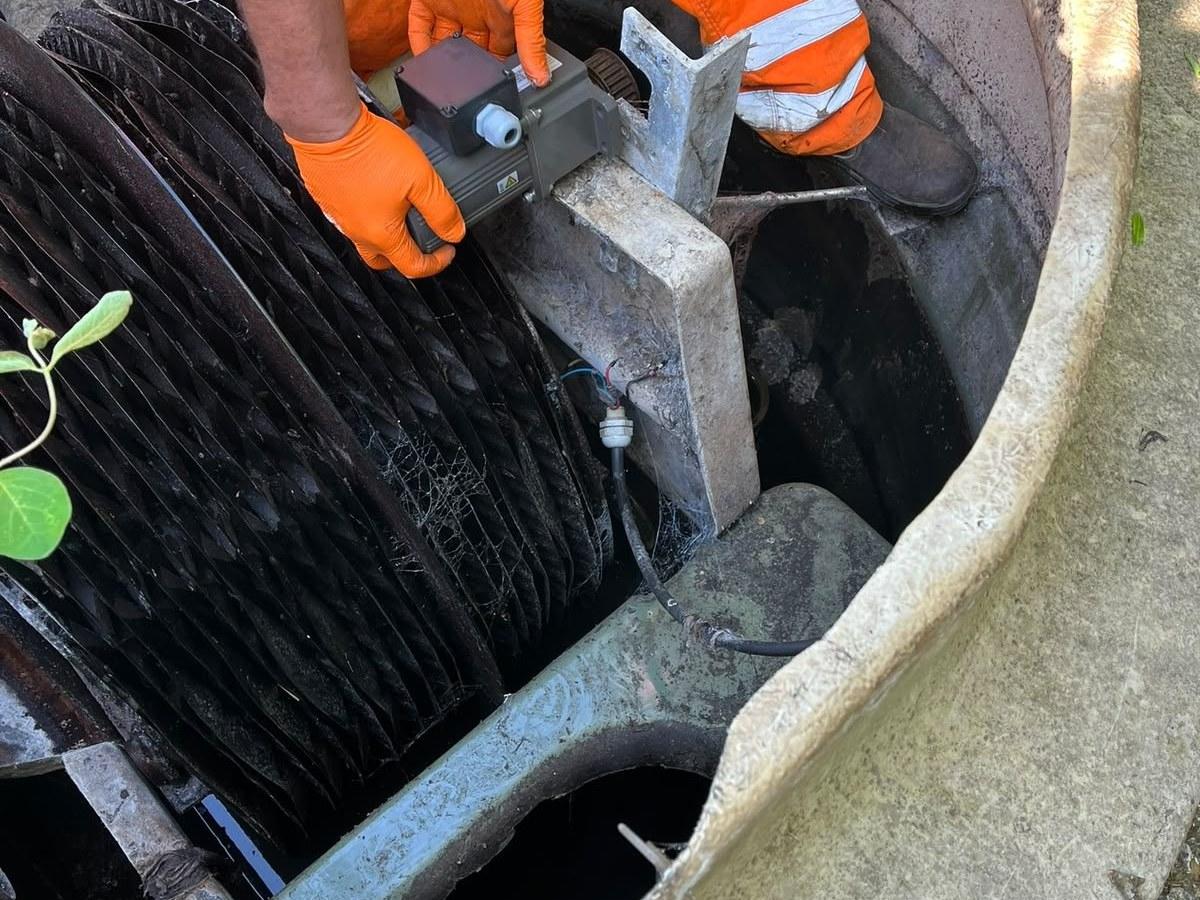
The frequency of servicing depends on the size, design, and usage of the plant. Most systems should have a treatment plant service once a year, though properties with higher water usage may need more frequent checks. During a service, the engineer will typically inspect mechanical parts such as motors, pumps, and aerators, check the bacterial balance to ensure proper waste breakdown, clean filters and replace worn components, and test discharge quality before adjusting settings if required. This routine maintenance prevents system deterioration and keeps your plant running at full efficiency.
Common Treatment Plant Problems
Even with regular maintenance, treatment plants can develop issues over time. Recognising the early warning signs of a problem can help avoid costly repairs. Typical faults include pump or motor failure, blocked pipes or filters, electrical faults, and bacterial imbalance caused by overuse of harsh cleaning chemicals. If you notice slow drainage, odours, or unusual noise from your plant, it may be time to book a professional inspection or repair service.
Professional Treatment Plant Repairs in Stelling Minnis
When a fault occurs, professional repair ensures your system is restored quickly and safely. Experienced engineers can identify and fix issues such as electrical faults, damaged pipes, and aeration system failures. At KP Cesspool Services, we specialise in Treatment Plant Installation, servicing, and repairs across Kent, including Stelling Minnis. Our engineers carry out thorough diagnostics to pinpoint faults before repairing or replacing any damaged components. All repairs comply with current environmental regulations and manufacturer specifications. In many cases, repairs can be completed without the need for excavation, saving both time and disruption. However, if a system is beyond repair, we can also advise on New Tank Installations or upgrades to a more efficient model.
Compliance and Regulations
In England, all sewage treatment systems must comply with environmental protection standards. The General Binding Rules set out specific conditions for small sewage discharges, ensuring wastewater is treated safely before release. If your treatment plant does not meet these requirements, you could face penalties or be required to upgrade. Routine servicing and maintenance are the best ways to ensure ongoing compliance.
Preventative Maintenance Tips
Preventing problems is far more cost-effective than fixing them. Here are a few simple maintenance tips for treatment plant owners in Stelling Minnis. Schedule annual servicing with a qualified engineer. Avoid flushing wipes, grease, or chemicals that can harm bacteria. Keep records of all services and repairs for compliance checks. Address Blocked Drains and Tanks promptly before they lead to wider system damage. By keeping up with servicing and maintenance schedules, you can extend your plant’s life and reduce the likelihood of emergency repairs.
Getting to plants on the Minnis
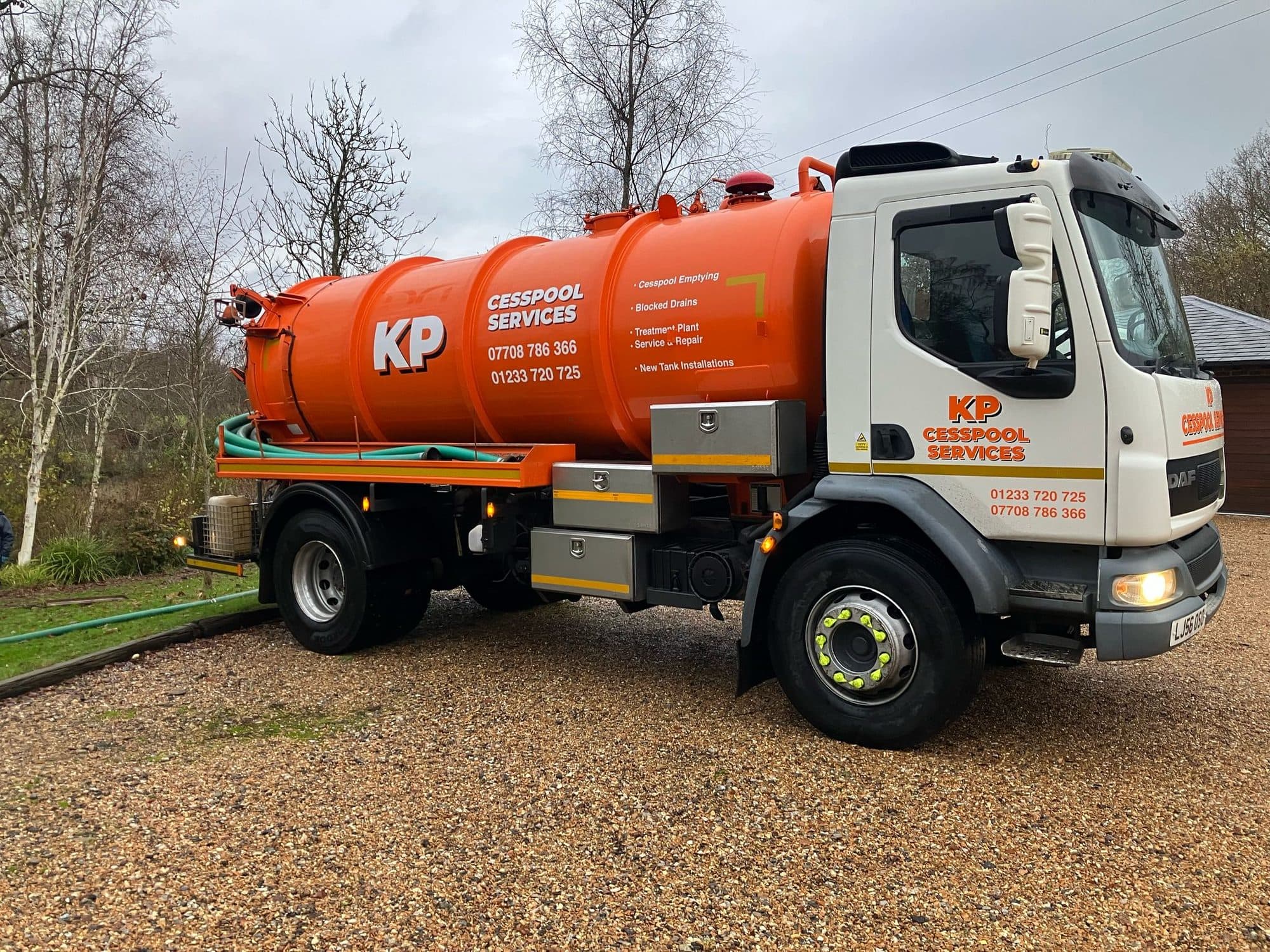
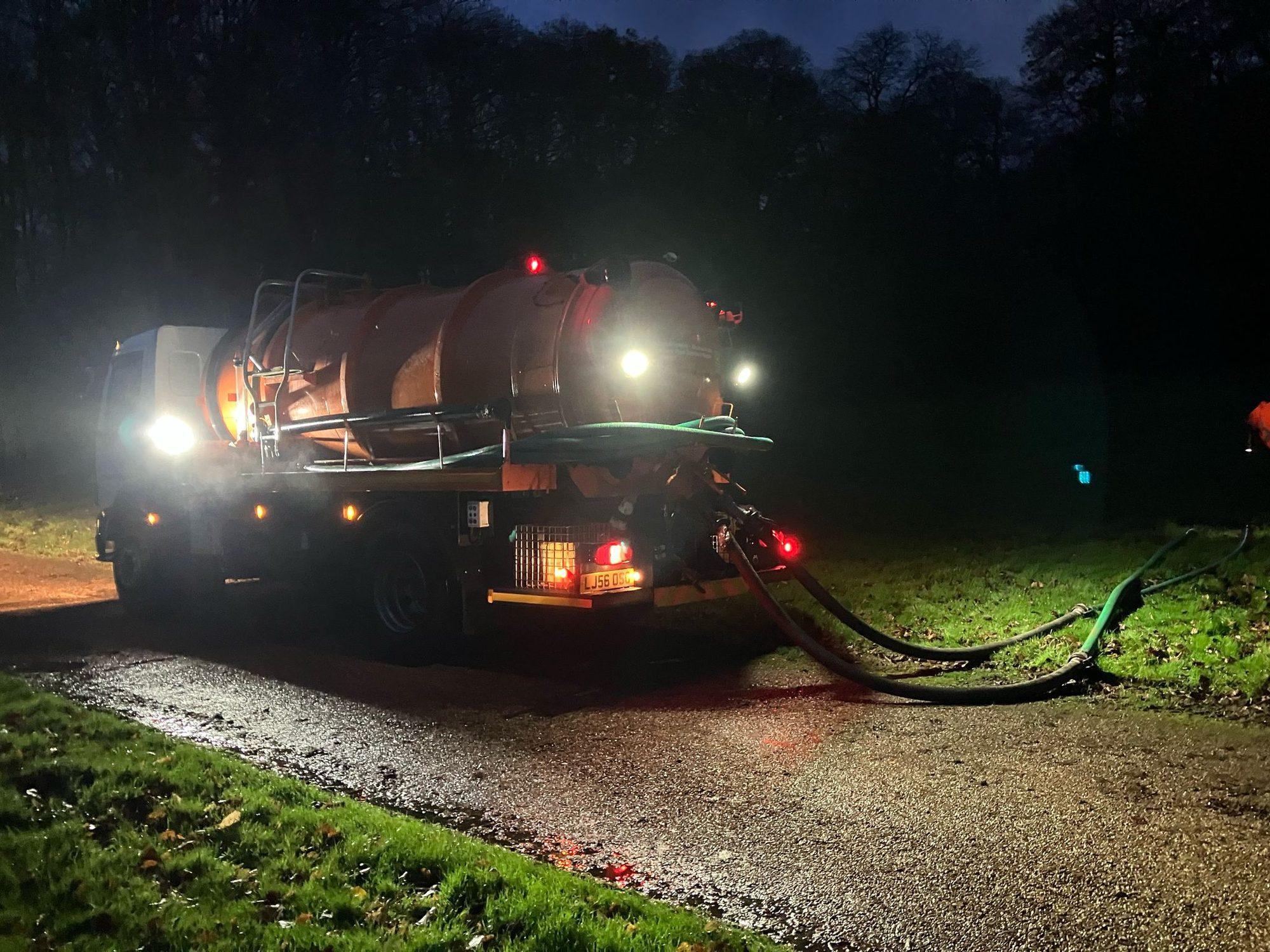
The lanes around the common are narrow, and verge parking is routine. Our tankers are sized for roads like these, and where a tank sits a long way from where the tanker can stop, we run a long hose rather than risk the verge or the common itself. If your plant is behind the house or down a track, tell us when you book. If you want to know what a service or repair costs, ring for a current price for your plant, and treatment plant faults and what they cost in Kent explains what moves it.
When to Replace a Treatment Plant
If your system is old, unreliable, or no longer meets discharge standards, it may be time for an upgrade. Signs that replacement might be necessary include persistent odours despite servicing, frequent breakdowns, or poor drainage. Modern systems are more energy-efficient and easier to maintain, making them a worthwhile long-term investment. Professional advice from a trusted service provider can help determine whether repair or replacement is the best option.
Conclusion
Proper servicing and prompt repair keep a plant efficient, environmentally safe and legally compliant. Regular maintenance prevents costly breakdowns and ensures your system continues to protect your property and the surrounding environment. Whether you require routine servicing, urgent repairs, or advice on installing a new treatment plant, professional help is key to keeping your system in top condition. Reliable servicing will extend your plant’s life, reduce costs, and keep your home or business running smoothly. KP Cesspool Services has over twenty years' experience across Kent, and you can call 01233 720725 or contact us to book.
Need a hand with yours?
We cover Kent and East Sussex 24 hours a day. Ring us and a real person will pick up, whatever time it is.