
Learn how cesspit emptying in Stelling Minnis works, how often it’s needed, signs it’s full, and why regular maintenance protects your property
Many rural homes in Stelling Minnis and across Kent are not connected to the main sewer system. Instead, they rely on private wastewater solutions such as cesspits. These underground tanks are designed to store household waste until they can be emptied by professionals. Keeping a cesspit in good condition is vital to prevent overflows, unpleasant odours, and environmental contamination. This guide explains everything you need to know about cesspit emptying in Stelling Minnis, including how often it should be done, what affects the cost, and why regular maintenance is so important.
What Is a Cesspit?
A cesspit, sometimes called a cesspool, is a sealed underground tank that stores all wastewater and sewage from a property. Unlike a septic tank or treatment plant, it does not process or treat waste. Once full, it must be emptied by a licensed waste management company. Cesspits are commonly found in rural areas such as Stelling Minnis, where the ground is unsuitable for soakaways or where connecting to the mains sewer is not possible, and they account for much of our cesspit and cesspool services in Stelling Minnis. Because cesspits are sealed, they rely entirely on regular Cesspool Emptying to remain functional.
Why Regular Emptying Is Essential
Cesspits require consistent attention to avoid overflow or system failure. Over time, waste levels rise and, if ignored, can lead to leaks or environmental contamination. Regular emptying helps maintain hygiene and prevents damage to both the system and surrounding soil. It also ensures compliance with local waste management regulations enforced by the Environment Agency. A well-maintained cesspit will typically need emptying every four to six weeks, depending on household size, water usage, and tank capacity.
Failing to schedule routine emptying can cause unpleasant odours, blocked drains, or even sewage backing up into the property. In severe cases, the tank may crack or leak, requiring expensive repairs or full replacement. Consistent servicing keeps the system reliable and reduces long-term costs.
How Often Should a Cesspit Be Emptied?
The frequency of emptying depends mainly on tank size and usage. A small two-person household with a standard-sized tank might only need service every six to eight weeks, while larger families or commercial premises will require more frequent visits. It’s important not to wait until the cesspit is full before booking an emptying, as overfilling can cause pressure on the tank’s structure and increase the risk of leaks. Regular inspections by a qualified engineer can help establish a suitable emptying schedule for your property in Stelling Minnis.
The Emptying Process
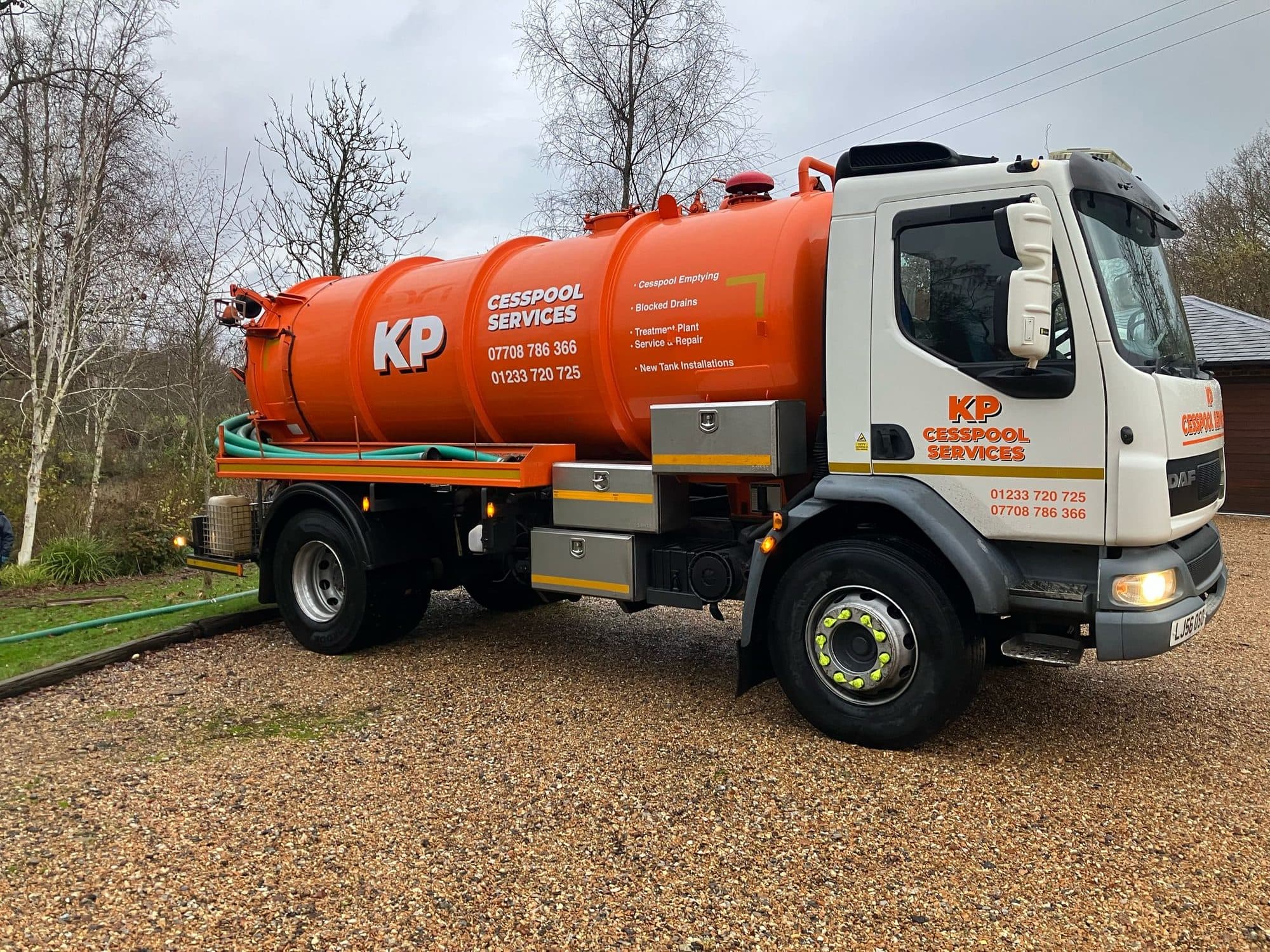
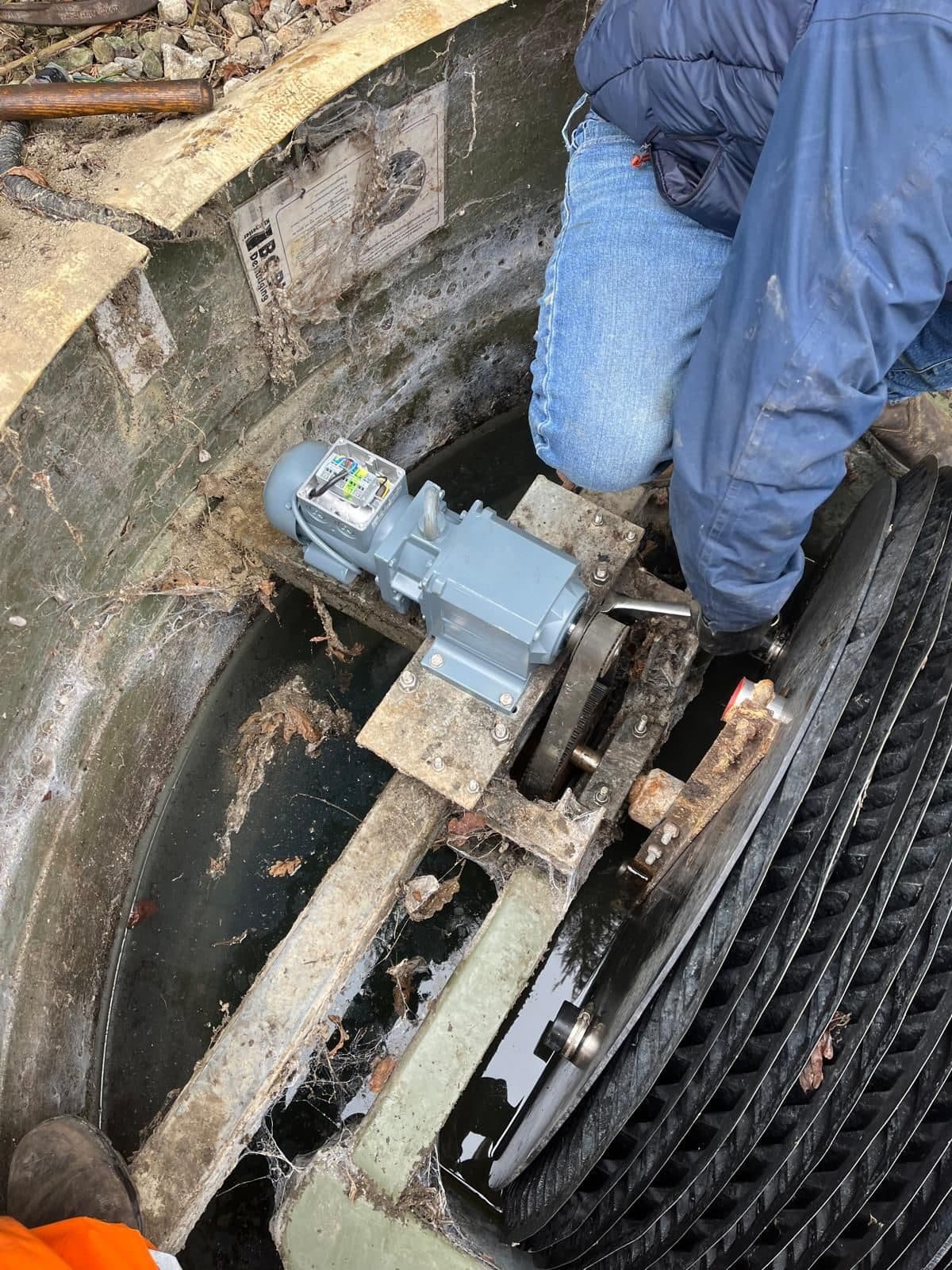
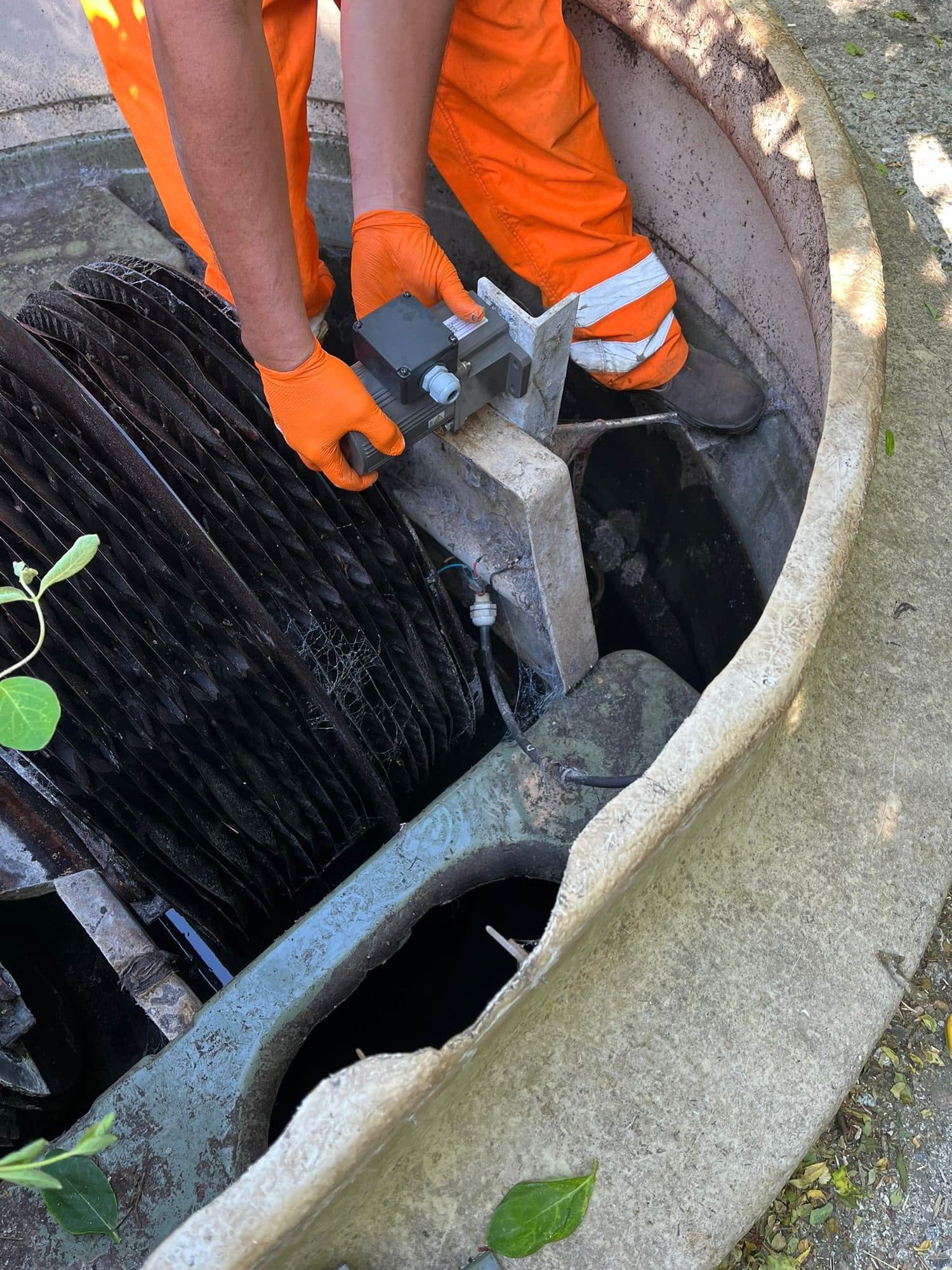
Professional cesspit emptying involves using a vacuum tanker to safely remove all liquid and solid waste from the tank. The collected waste is then transported to a permitted treatment facility for disposal in accordance with environmental regulations. During the visit, engineers may also check the condition of the tank, covers, and pipework to ensure everything is functioning correctly. If any damage or deterioration is identified, prompt repair prevents further issues.
Reliable waste management companies operating in Stelling Minnis have specialist equipment for efficient and safe emptying. Their engineers handle everything from small domestic tanks to large commercial systems. Scheduling regular visits ensures that the tank never reaches capacity, protecting both your property and the environment.
Signs Your Cesspit Needs Emptying
It can be difficult to know when your cesspit is full without professional monitoring. However, there are several signs that indicate it may need attention:
-
Slow-draining sinks, toilets, or showers.
-
Unpleasant odours around the property.
-
Gurgling sounds from drains.
-
Damp or unusually green grass near the tank area. If any of these occur, it’s best to arrange immediate emptying to prevent overflow or damage. Leaving a full cesspit for too long can lead to costly repairs and potential environmental penalties.
Legal and Environmental Considerations
Owning a cesspit comes with certain responsibilities. All waste must be removed and disposed of by a registered waste carrier and taken to a permitted disposal site. You can ask to see the carrier's registration certificate, and you should keep the waste transfer note. The General Binding Rules cover septic tanks and treatment plants that discharge treated effluent to the ground, so a sealed cesspit falls outside them, although the duty not to cause pollution still applies in full. The property owner is responsible for keeping the tank properly maintained, and it is worth keeping your own record of emptying and servicing visits even though nobody sets a format for it. The Environment Agency, or the local council, can require a cesspit in poor condition to be repaired or replaced, and causing pollution is an offence whatever the system.
Preventative Maintenance Tips
While cesspits require regular emptying, simple care can help extend their lifespan and reduce maintenance issues. Avoid flushing non-degradable items such as wipes, nappies, or sanitary products, as these can block pipes and reduce tank capacity. Be mindful of water use to reduce how quickly the tank fills. Arrange periodic inspections to check for structural integrity or leaks. If you notice slow drainage or signs of Blocked Drains and Tanks, professional cleaning should be arranged immediately.
Cesspit Repair and Replacement
Although cesspits are designed to be durable, they can deteriorate over time due to corrosion, ground movement, or poor maintenance. Cracks or leaks may require urgent repair. In severe cases, replacement may be the only safe option. Professional engineers can assess whether a repair is possible or if the system needs replacing with a new, more reliable design. In some situations, it may be beneficial to install a modern sewage treatment plant instead, which actively processes waste and requires less frequent maintenance. A qualified specialist can provide advice on New Tank Installations or upgrades suitable for your property.
Cost of Cesspit Emptying in Stelling Minnis
The cost of cesspit emptying in Stelling Minnis depends on the size of the tank, accessibility, and how often it needs servicing. Smaller domestic tanks typically cost between £100 and £200 per visit, while larger commercial systems can be more expensive. Regular maintenance helps avoid emergency callouts, which are often more costly. Establishing a routine schedule with a local service provider offers both reliability and value for money.
Conclusion
Routine Cesspit Emptying in Stelling Minnis is essential to keep wastewater systems running safely and efficiently. Regular emptying prevents overflows, protects the environment, and ensures compliance with environmental regulations. By working with experienced professionals, homeowners can avoid costly problems and maintain a clean, functional system all year round. Whether you need scheduled maintenance, emergency emptying, or advice on upgrading your system, professional support gives you peace of mind and long-term reliability for your property.