Find out when a sewage treatment plant is necessary, including legal requirements, upgrades, and suitability for your property.
At KP Cesspool Services, we are often asked whether a sewage treatment plant is necessary for a property. Many homes are not connected to the mains sewer and rely on private wastewater systems instead. In some cases, an existing cesspit or septic tank may no longer be suitable, either due to regulations, performance issues, or changes to the property. Understanding when a sewage treatment plant is required helps homeowners make informed decisions and stay compliant with environmental rules.
What a Sewage Treatment Plant Is
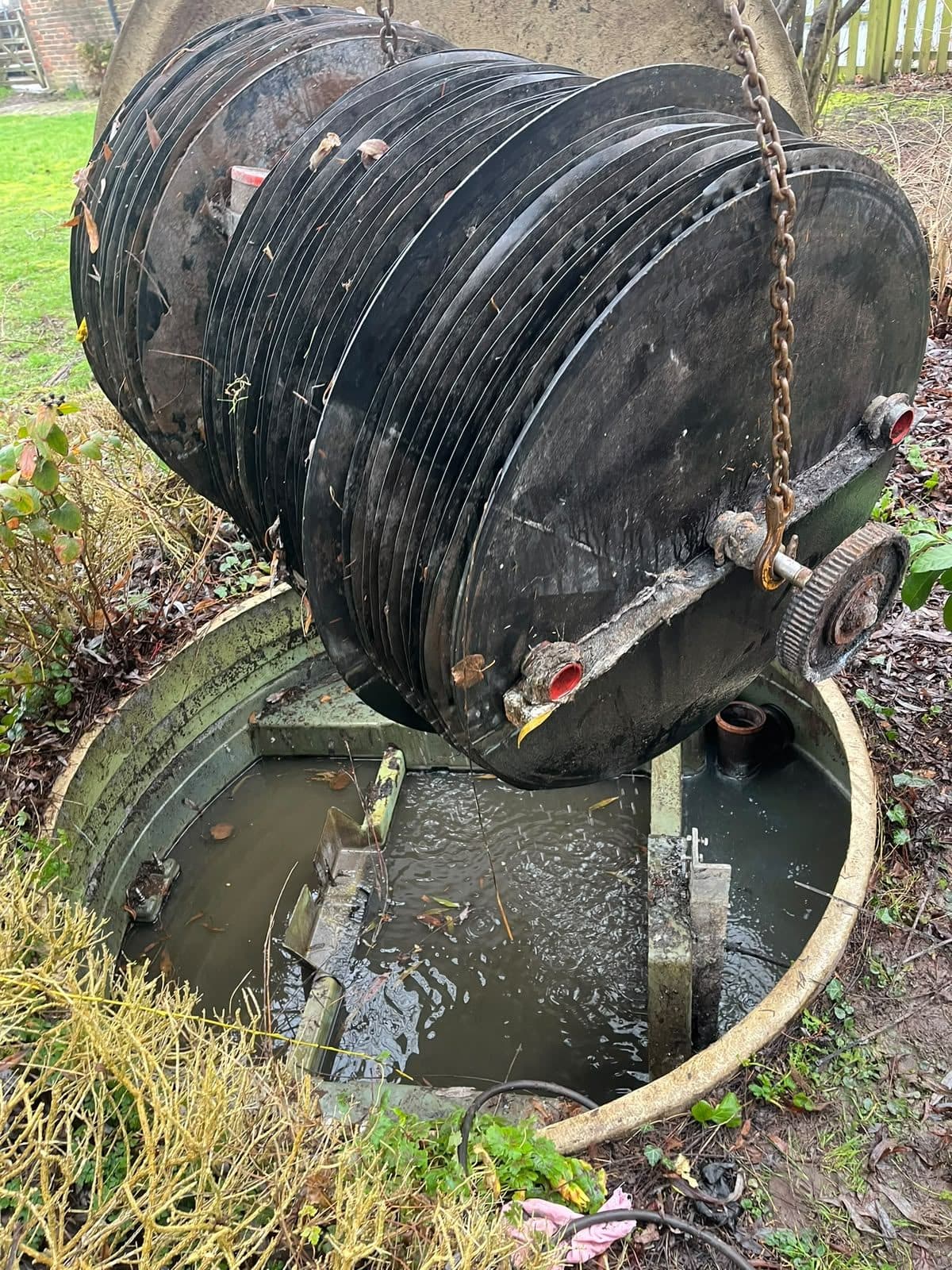
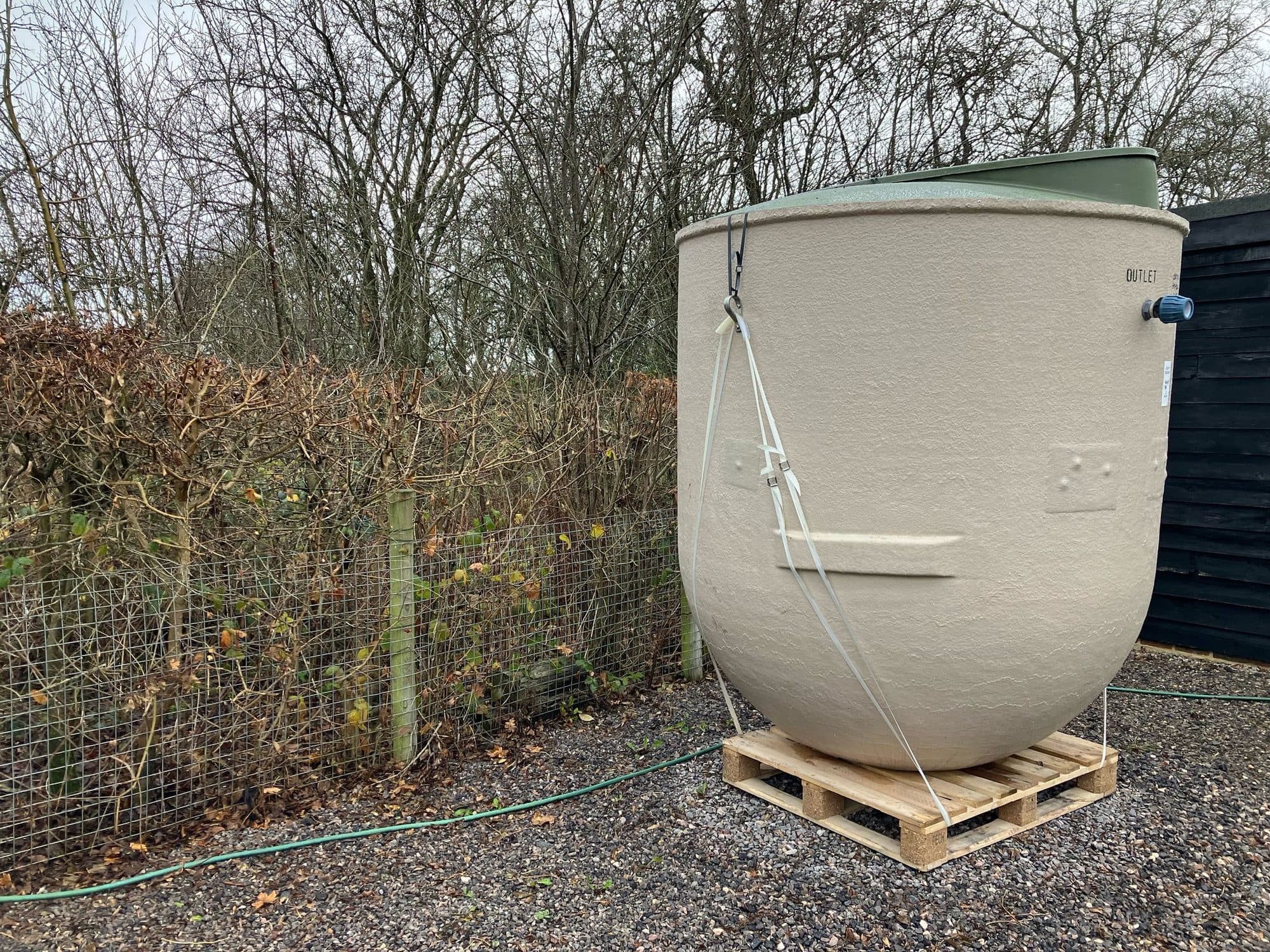
A sewage treatment plant is a private wastewater system that treats sewage on site before it is discharged into the ground or a watercourse. Unlike a cesspit, which only stores waste, or a septic tank, which provides limited treatment, a treatment plant actively cleans wastewater using biological and mechanical processes. This results in much cleaner effluent and a lower risk of pollution.
When a Sewage Treatment Plant May Be Required
There are several situations where a sewage treatment plant may be needed. If a property is being newly built and there is no mains sewer connection available, local authorities often require a treatment plant rather than a septic tank. In some cases, older septic tanks no longer meet current discharge standards and must be upgraded. Properties located near watercourses or in environmentally sensitive areas may also require higher treatment levels, making a treatment plant the most suitable option.
Replacing an Existing System
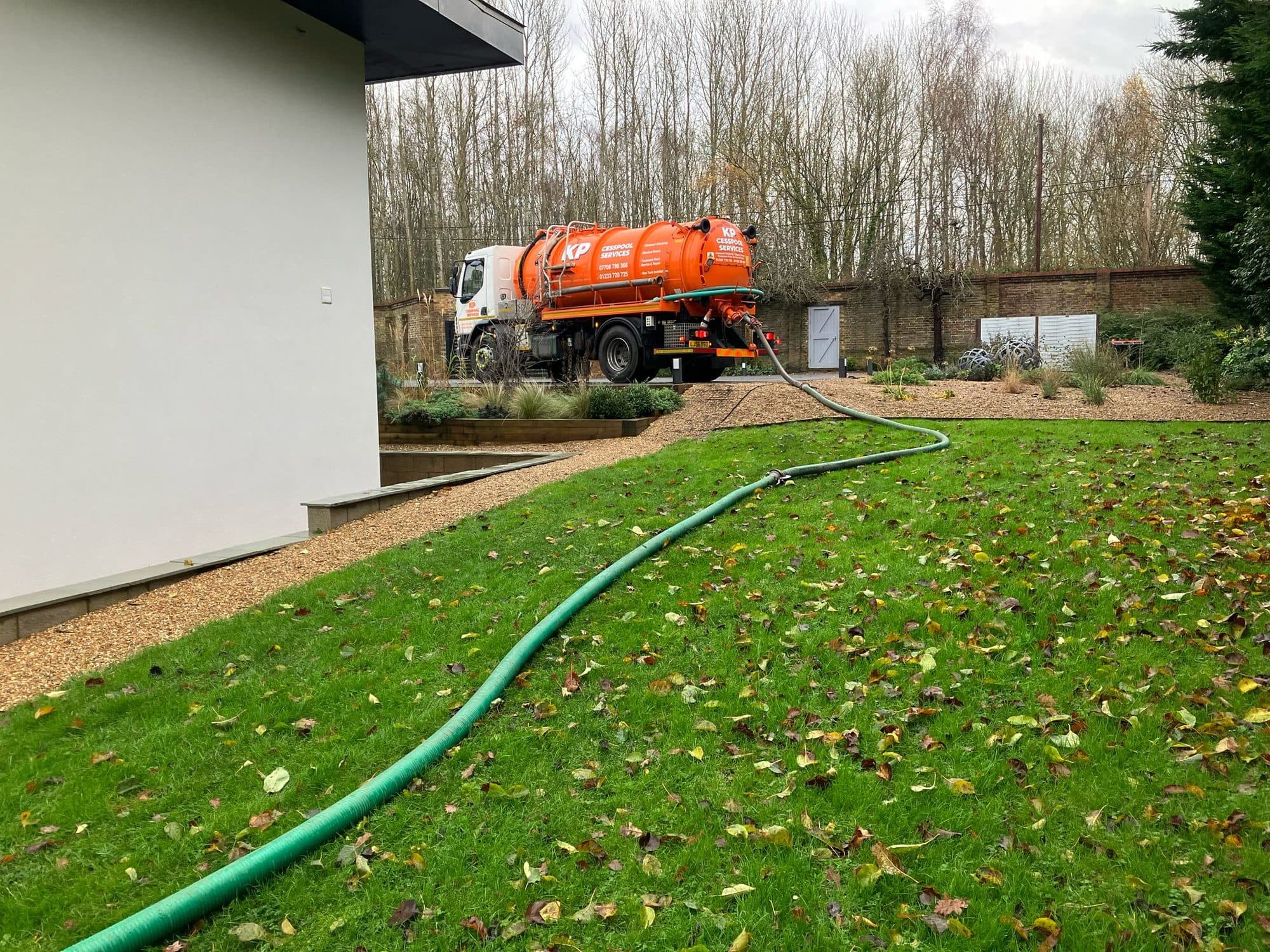
Homeowners sometimes need to replace an existing cesspit or septic tank. Cesspits can be expensive to maintain due to frequent emptying, while older septic tanks may fail to meet modern requirements. In these situations, upgrading to a treatment plant can improve efficiency and reduce long term issues. Where an existing treatment plant is already in place but not performing well, Treatment Plant Servicing and Repairs may be enough to restore reliable operation.
Environmental and Legal Considerations
Private wastewater systems are regulated to protect the environment. The Environment Agency sets expectations for how wastewater should be treated and discharged. Septic tanks and treatment plants must comply with the General Binding Rules, which outline acceptable discharge standards. Treatment plants are often required where these standards cannot be met by simpler systems. Homeowners are responsible for ensuring their system does not cause pollution.
Maintenance Responsibilities
Installing a sewage treatment plant comes with ongoing responsibilities. Sludge builds up in the system and must be removed periodically. Mechanical parts such as blowers and pumps need checking to ensure they continue to operate correctly. Without regular maintenance, a treatment plant can fail, leading to smells, drainage problems, or poor quality discharge. If these issues affect pipework or flow, they may also be linked to Blocked Drains and Tanks, which should be addressed promptly.
Installation and Upgrade Options
If a treatment plant is required, proper installation is essential. Ground conditions, access, and property usage all influence which system is suitable. We assess each site carefully before recommending a solution. Where an upgrade is needed, we guide homeowners through suitable Treatment Plant Installation options that meet current standards and provide long term reliability. In cases where tanks are outdated or damaged, modern New Tank Installations may be recommended as part of the upgrade process.
Costs Compared to Other Systems
A sewage treatment plant usually costs more to install than a septic tank or cesspit, but it often offers better long term value. Running costs include electricity and regular servicing, but these are balanced by improved performance and compliance. For homeowners facing frequent emptying costs with a cesspit, a treatment plant can be a more sustainable long term solution.
Choosing a Trusted Provider
Whether installing a new treatment plant or maintaining an existing one, professional support is essential. We always encourage homeowners to check reviews on trusted platforms such as Checkatrade before choosing a provider, as wastewater systems must be handled responsibly and in line with regulations.
Conclusion
Whether you need a sewage treatment plant depends on your property, location, and current system. At KP Cesspool Services, we help homeowners assess their situation, understand their responsibilities, and choose the most suitable solution. If you are unsure whether a sewage treatment plant is required for your property or need advice on installation or maintenance, contact us for clear and practical guidance.