Moving a septic tank can make it a new discharge with stricter rules. What changes past 10 metres, where a new tank can go and what to do with the old one.
A septic tank can be moved, but in England moving where it discharges by more than 10 metres turns it into a new discharge in the eyes of the Environment Agency. A new discharge has to meet stricter rules than an old one, needs building regulations approval and may need planning permission. Removing a tank you no longer use is simpler. It is emptied by a registered waste carrier, then removed or filled so it cannot cause a problem, and the law lets the council insist on that if a disused tank becomes a nuisance.
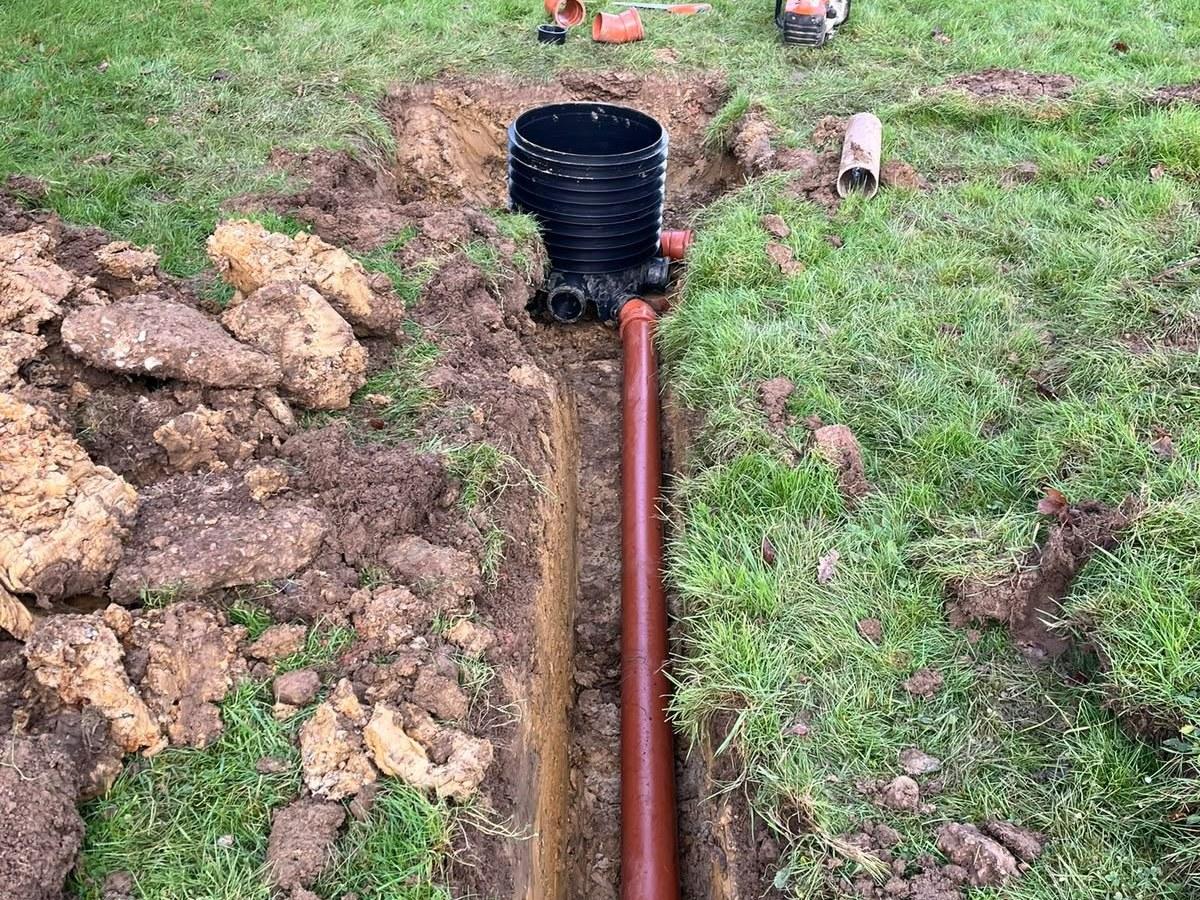
The question comes up with an extension or a new building where the tank sits, a drainage field that has failed, a move to a sewage treatment plant, or a mains sewer reaching the road. At KP Cesspool Services we carry out new tank installations across Kent and East Sussex, and this guide sets out what the rules say before you plan any of those.
Why 10 metres matters
The government's General Binding Rules for a discharge to ground sort every septic tank by when its discharge started, before 1 January 2015, between then and 2 October 2023, or after. The older the discharge, the fewer conditions apply. A discharge counts as new, and has to meet every condition for its date, if you move the location of the discharge to more than 10 metres from where it was.
The same rules say that replacing a treatment system does not change its category, as long as the discharge does not move more than 10 metres, does not change from a stream to the ground, and does not go over 2,000 litres a day. So a like for like replacement close to the old outlet usually keeps an older system's position. A move across the garden usually does not.
It is the discharge point that counts, which for a septic tank is the drainage field. A tank moved a short way with its drainage field left where it is may stay inside the 10 metres. If you are not sure, check before any digging starts, because the answer changes what the new system has to meet. The General Binding Rules explains each date in full.
What a new discharge has to meet
If the move makes it a new discharge, these are the conditions that come with it, all from the government's rules.
- You must have building regulations approval to install a new septic tank, and you may also need planning permission.
- For a single house, the rules cannot be met if a public foul sewer is within 30 metres of any boundary of the property the system serves.
- Since 2 October 2023 a new discharge needs an environmental permit if it is within 50 metres of another system discharging under the binding rules, so it is worth asking the neighbours.
- No discharge under the rules can sit in a groundwater source protection zone 1, which includes anywhere within 50 metres of a private water supply used for drinking. Ancient woodland and the land near certain protected wildlife sites are ruled out too.
Any of these can mean a new discharge is not allowed where you want it without a permit, whichever system you choose, so check them before the plans are drawn.
Where a new tank and drainage field can go
The building regulations guidance, Approved Document H, sets out the distances.
The tank
A septic tank should be at least 7 metres from any habitable part of a building, preferably downslope. Where a tanker will empty it, it should be within 30 metres of vehicle access, with the bottom of the tank no more than 3 metres below that access, and with a clear route for the hose that does not go through the house.
The drainage field
A drainage field should be at least 10 metres from any watercourse or permeable drain and 15 metres from any building. It should be at least 50 metres from the point of abstraction of any groundwater supply, and never in a source protection zone 1. It should also sit far enough from other drainage fields and soakaways that the ground is not overloaded. No driveways, paths, water pipes or other services should cross it.
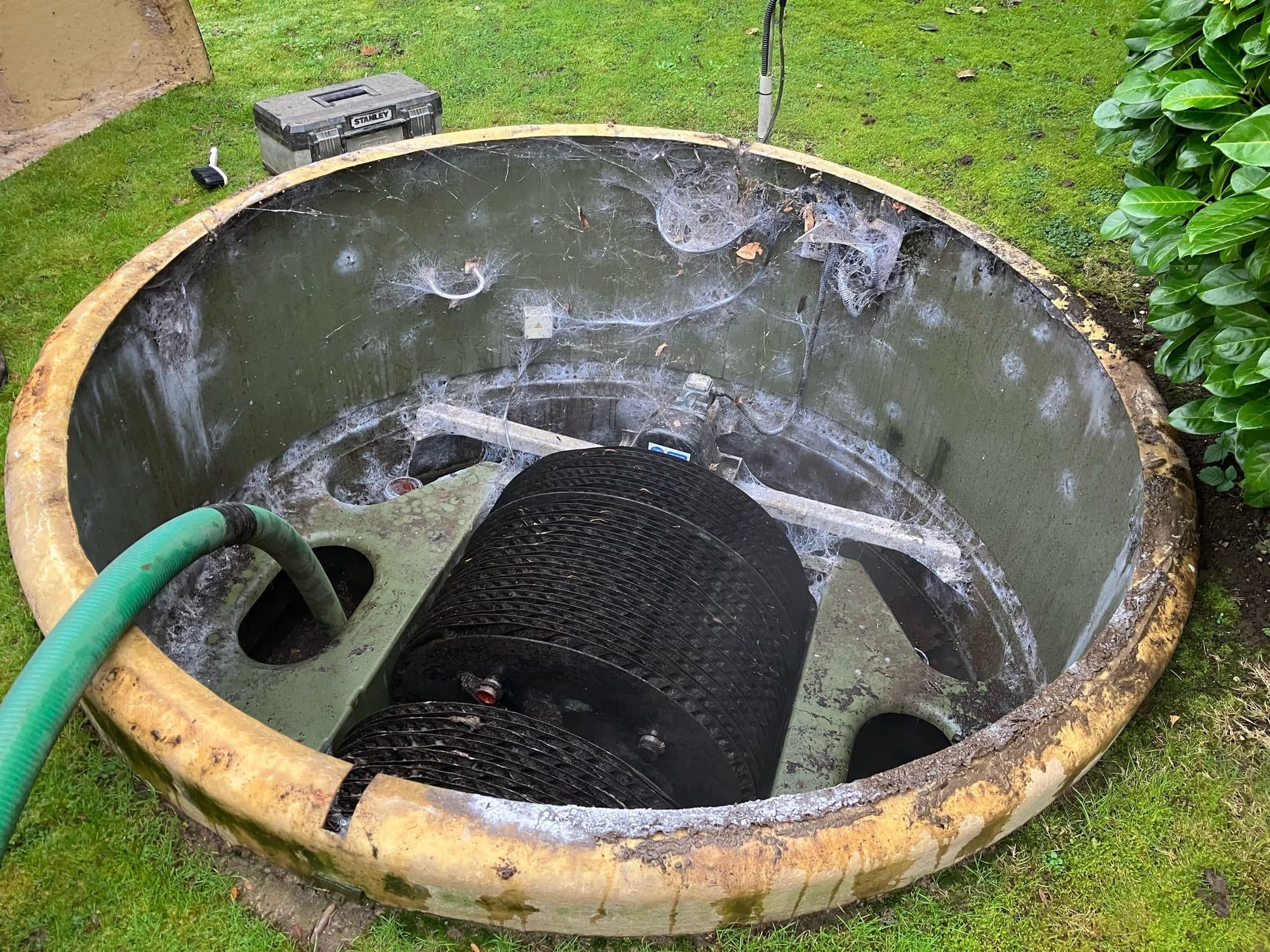
Those distances add up quickly on a small plot, and the ground has to drain in winter as well as summer. Approved Document H says drainage fields suit free-draining subsoil that is not prone to flooding or waterlogging at any time of year. It lists clay subsoils among those that drain poorly. Where the ground will not take a drainage field, a sewage treatment plant may be possible instead, because Approved Document H says packaged plants treat to a higher standard than a septic tank and that normally allows them to discharge to a watercourse. Replacing a failed drainage field explains how the ground is tested.
What decides the cost
We can only price a move once we have seen the site, because the answer depends on things only the site can tell you. These are the ones that move the figure most.
- Whether the move makes it a new discharge, and so which conditions the new system has to meet.
- Whether the ground at the new spot takes a drainage field, or whether it needs a treatment plant instead.
- How far the new pipe run is from the house, and what it has to cross.
- Access for a digger and a crane, and how much of the garden has to be put back afterwards.
- What has to happen to the old tank.
Our guide to what a septic tank costs to install, empty and run covers the wider costs, and how to prepare for a septic tank installation goes through the build itself.
Removing or filling an old septic tank
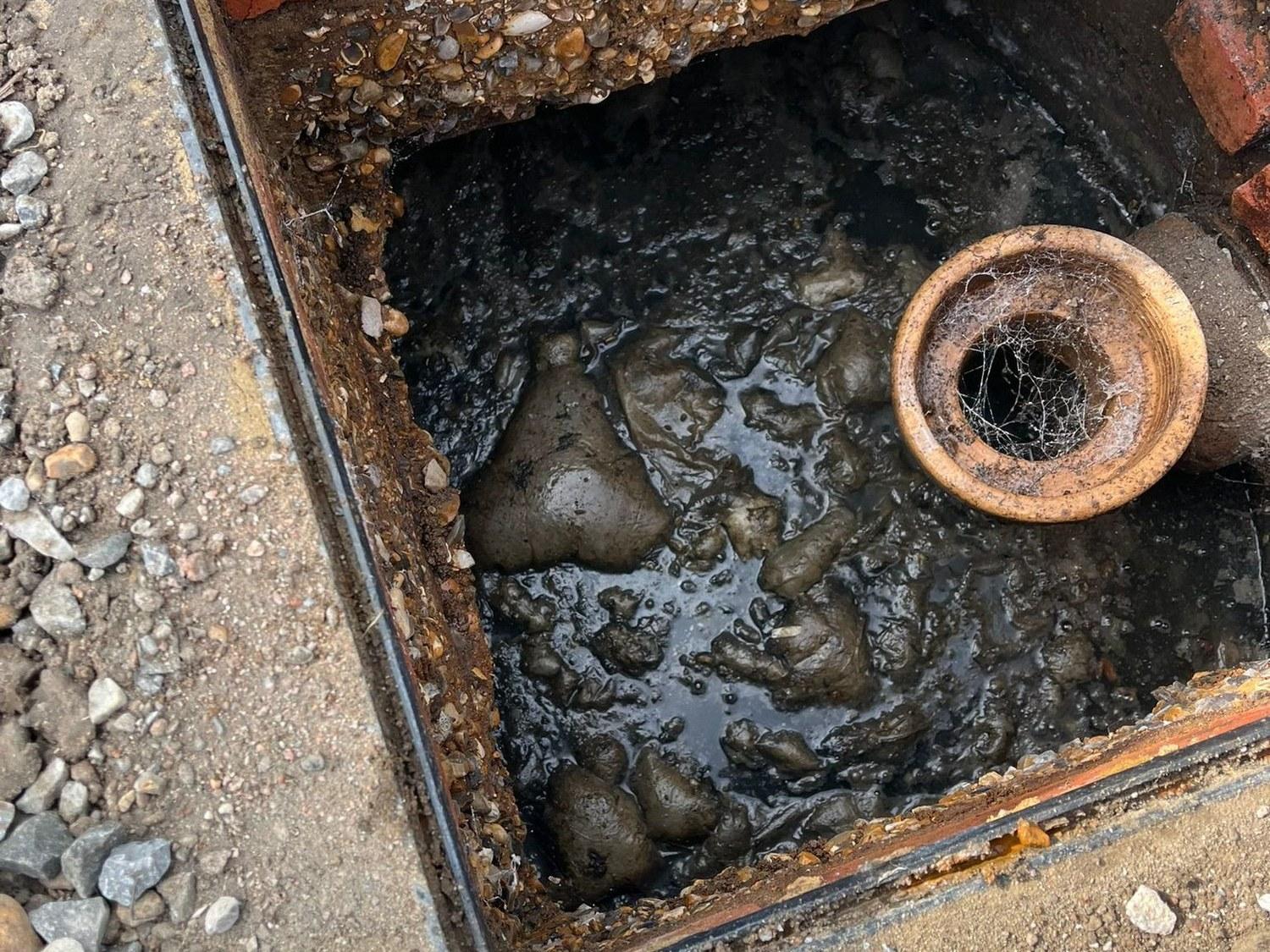
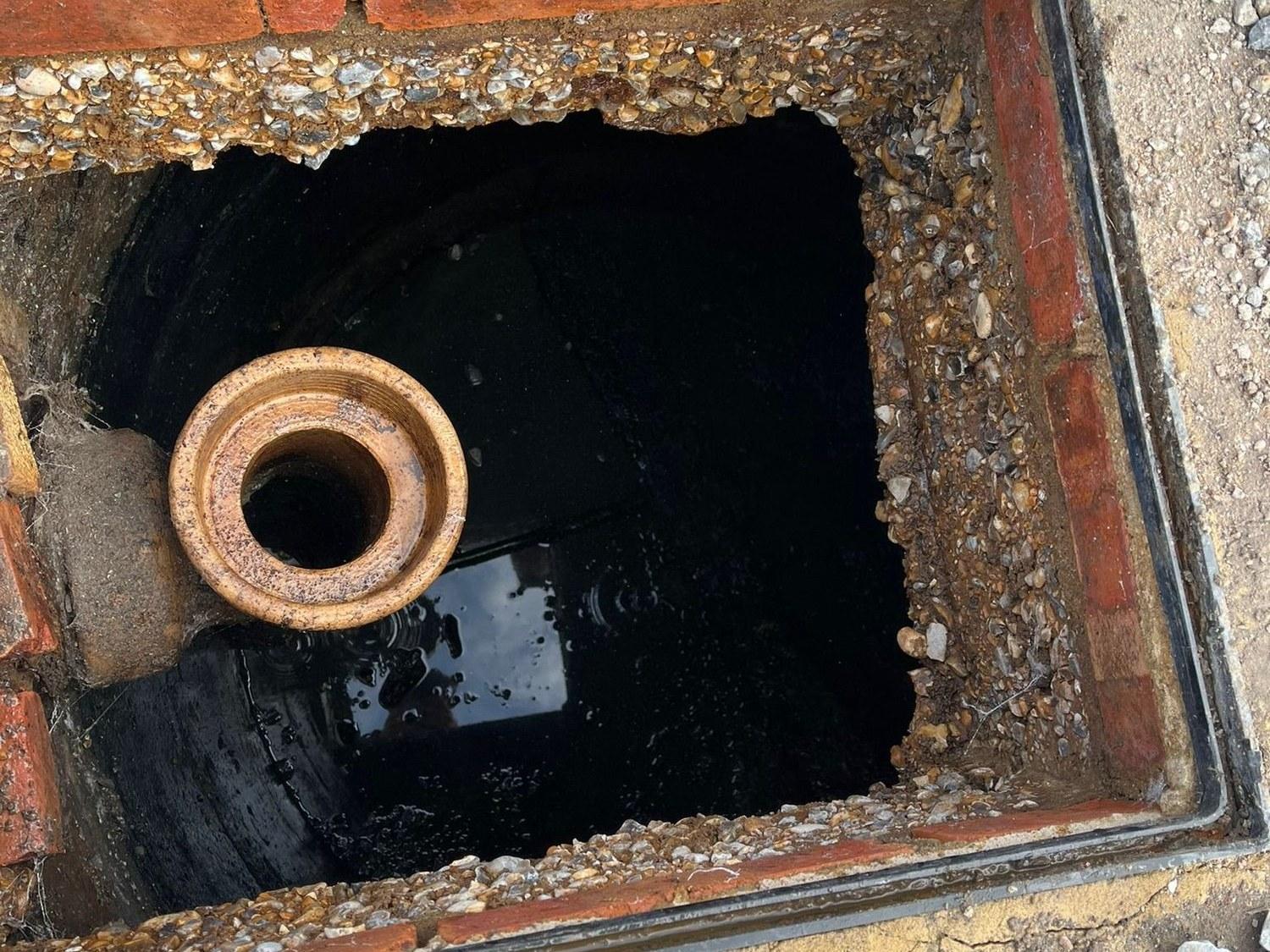
An old tank left in the ground can still hold sewage. The first step is always to have it emptied by a registered waste carrier, so the contents go to a licensed site and you get a waste transfer note. You can check any company on the Environment Agency's register of waste carriers. Ours is CBDU266860.
After that the tank is either dug out or filled. Approved Document H notes that under section 59 of the Building Act 1984 the council can require the owner or occupier to fill, remove or otherwise make harmless a disused septic tank or cesspool that has become a risk to health or a nuisance. Dealing with it when the new system goes in is simpler than being told to later.
Never climb into an old tank to look, even once it has been emptied. It is an enclosed space, and the Health and Safety Executive's guidance on working in confined spaces names noxious fumes and reduced oxygen among the dangers.
When the mains sewer reaches your road
If a public sewer is laid near you, connecting to it may become the obvious choice, and the binding rules expect a discharge of more than 2,000 litres a day to connect where that is reasonable. Once the house is on the sewer, the old septic tank and drainage field are disused, so the steps above apply. Empty it, then remove it or fill it. When to upgrade your septic system covers the other points at which a change of system makes sense.
Before you sell or buy
Moving or removing a tank changes the description of the system a seller has to give a buyer in writing under the binding rules. Keep the building regulations completion, the waste transfer notes and a plan of where the new tank and drainage field are. Selling a house with a septic tank in Kent and buying a house with a septic tank or cesspool explain what each side will ask for.
Talk to us before anything moves
If you are planning an extension, a new building or a change of system, talk to us before the design is fixed, so the tank is part of the plan rather than an afterthought. We work across Kent and East Sussex, and you can see everywhere we cover.
KP Cesspool Services has over twenty years' experience of emptying, servicing and installing tanks, and you can read our reviews on Checkatrade. Call 01233 720725, email kpcesspoolservices@hotmail.com, or contact us with a sketch of where the tank is now and where you would like it to go.
Need a hand with yours?
We cover Kent and East Sussex 24 hours a day. Ring us and a real person will pick up, whatever time it is.